
– Travel Stories –
Djibouti
Between Fire, Salt and the Sea
Getting There and First Impressions
Djibouti is a small country in the Horn of Africa that most people know very little about — and therefore rarely consider as a travel destination. The purpose of this trip was simple: to find out whether Djibouti is safe, accessible, and truly worth exploring.
After attending a travel networking event, the MTP Summit in Addis Ababa, I flew to Djibouti — just a one-hour flight away. In addition to several African connections, Djibouti can also be reached via Doha, Dubai, Istanbul, and Muscat.
I spent six days in November traveling with locals and felt safe at all times. With several international military bases present, there was no sign of unrest or instability. Djibouti proved to be calm, welcoming, and surprisingly easy to navigate.
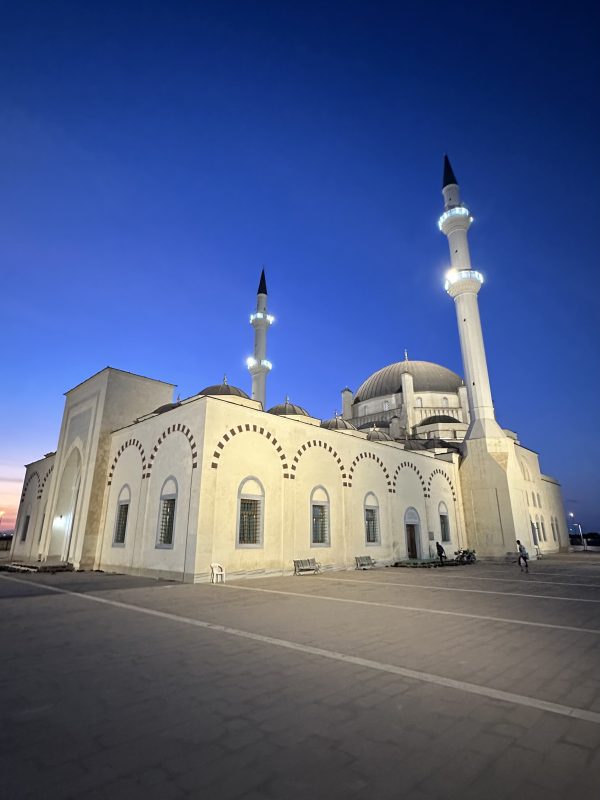
My first day was spent in Djibouti City, where the majority of the country’s population lives. You can find everything you need here, and there are a few pleasant spots like the Turkish mosque. That said, the city itself is not the main reason to visit Djibouti — the real magic lies far beyond the urban limits.
Lake Abbe – Another Planet
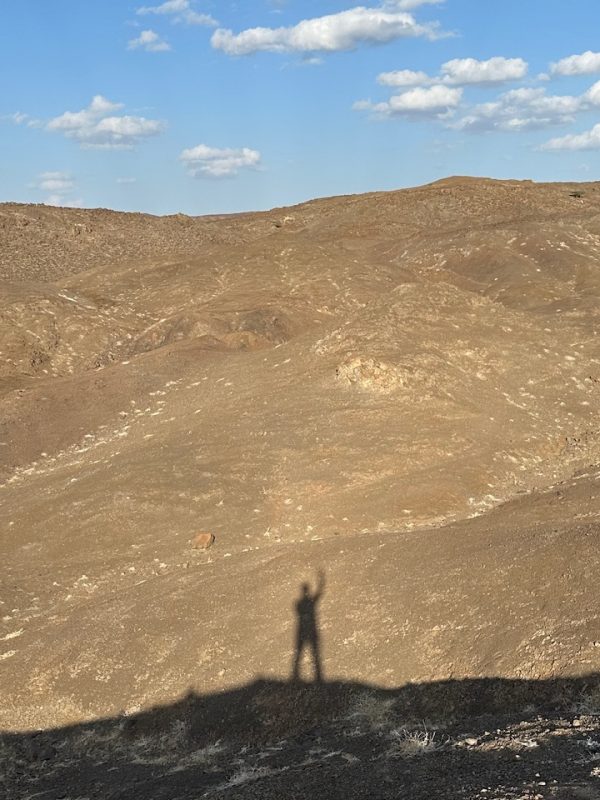
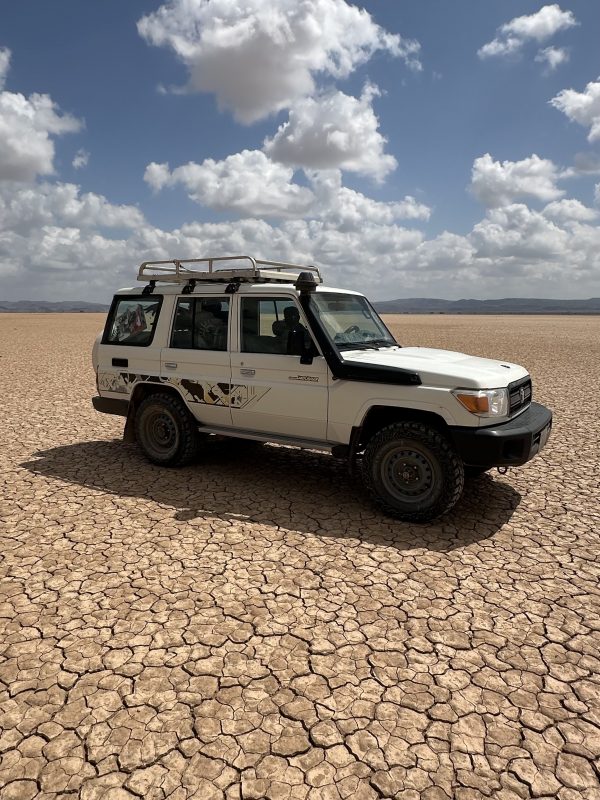
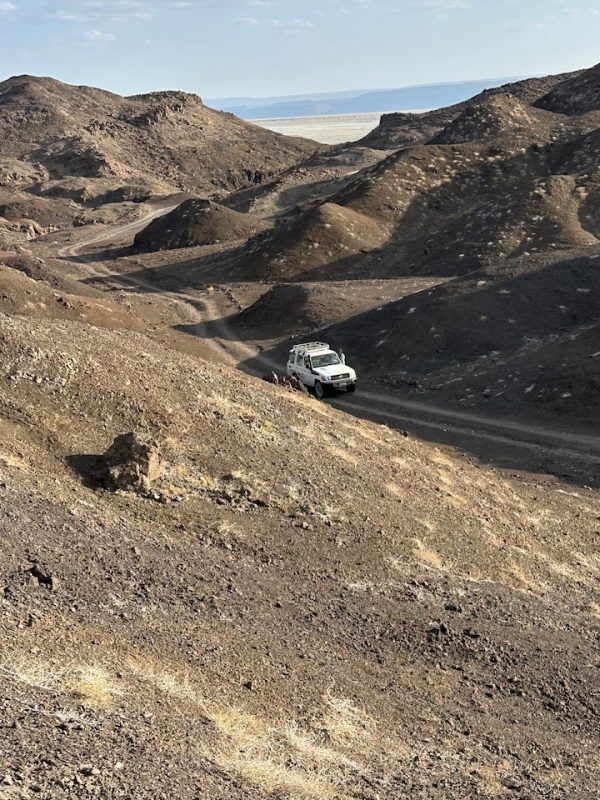
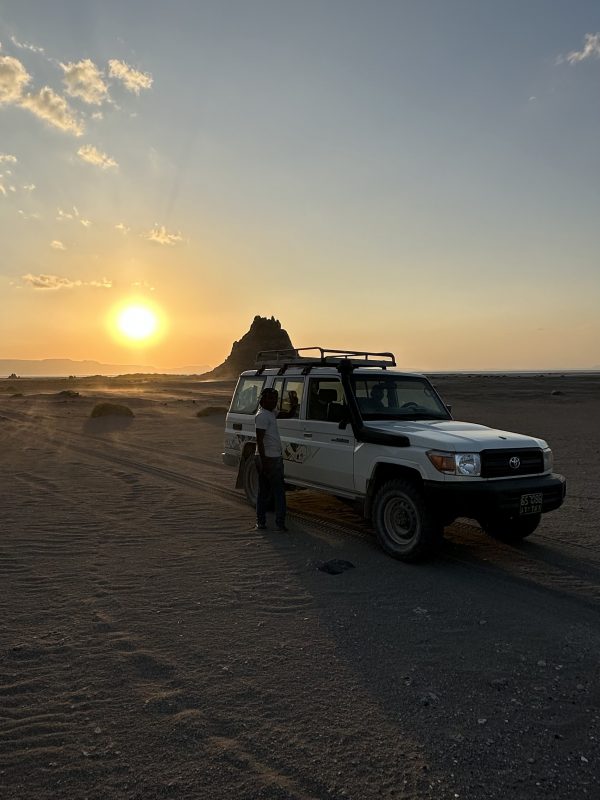
The real journey began the next day as we crossed the Petit Bara and Grand Bara deserts, stopping for lunch in Dikhil before continuing to Lake Abbe. A 4-wheel-drive vehicle and an experienced driver are essential, as the terrain is rough and remote.
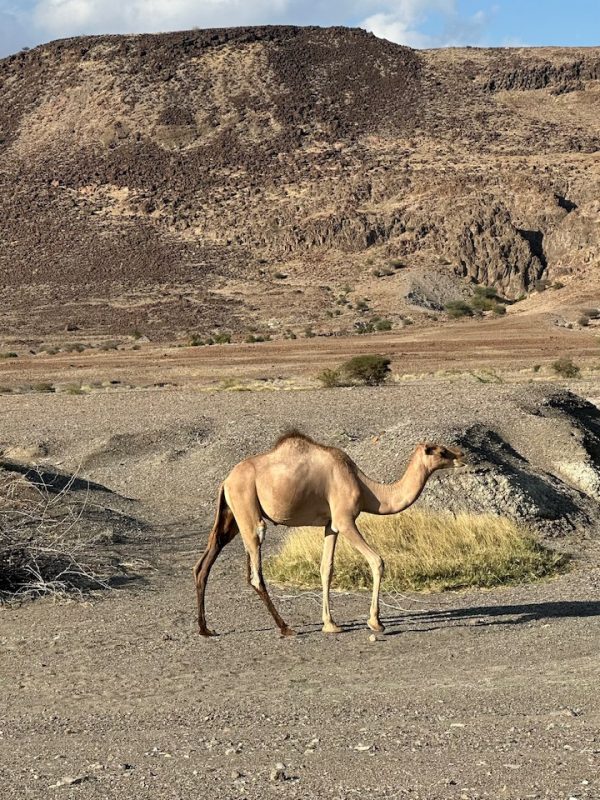
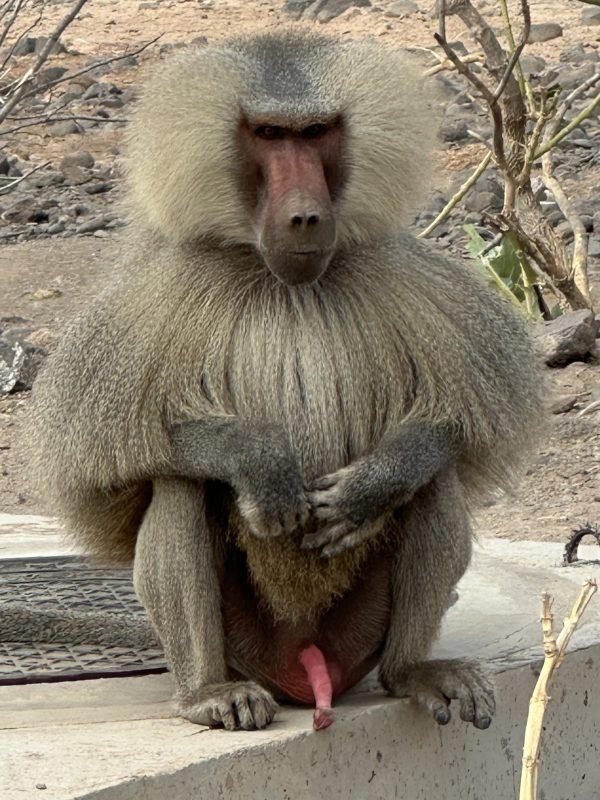
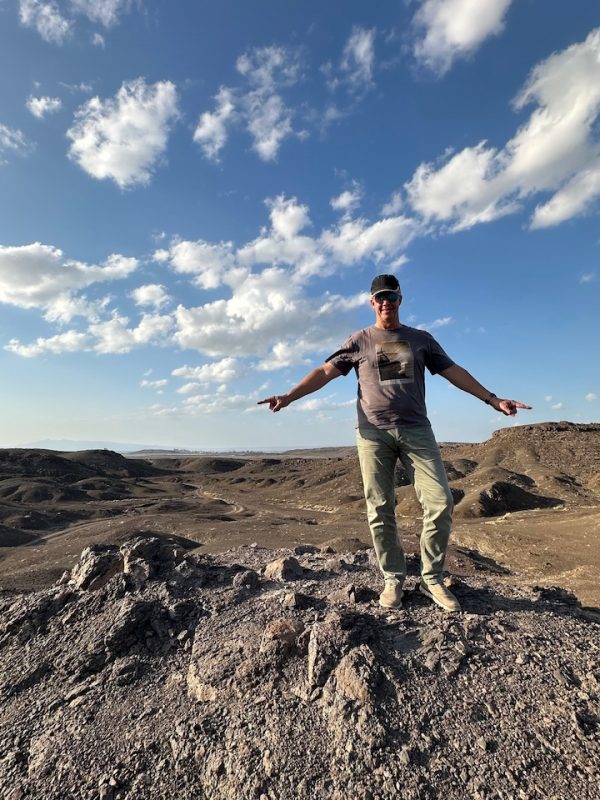
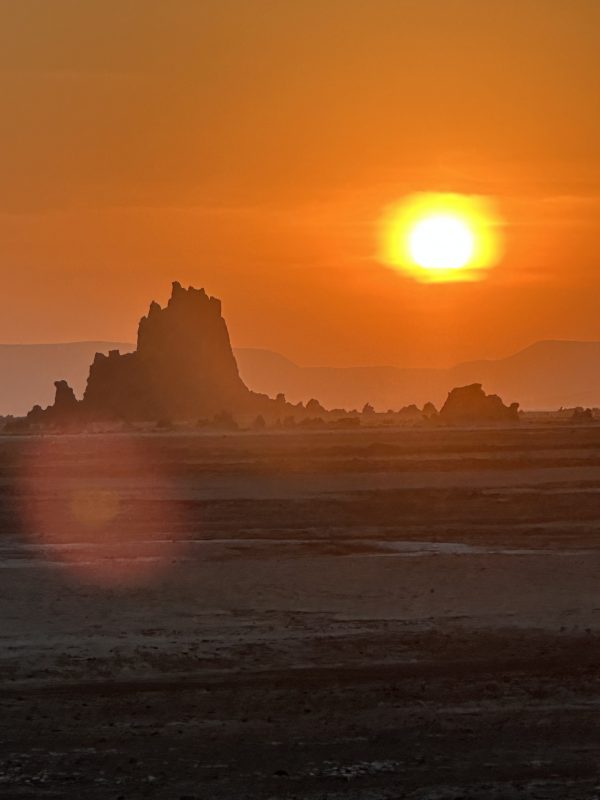
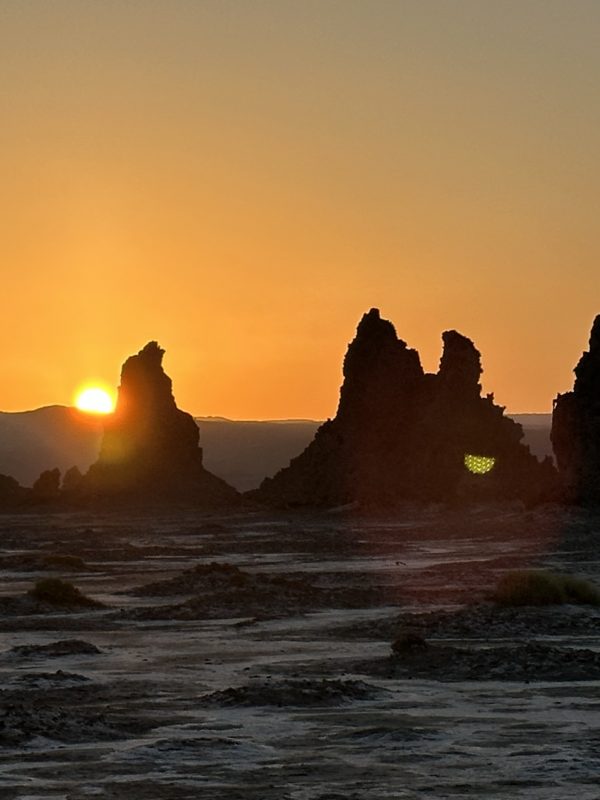
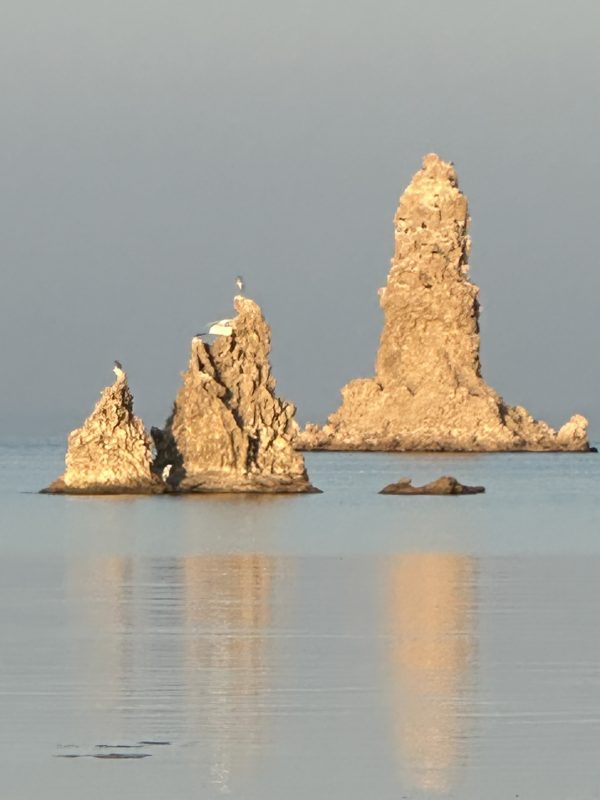
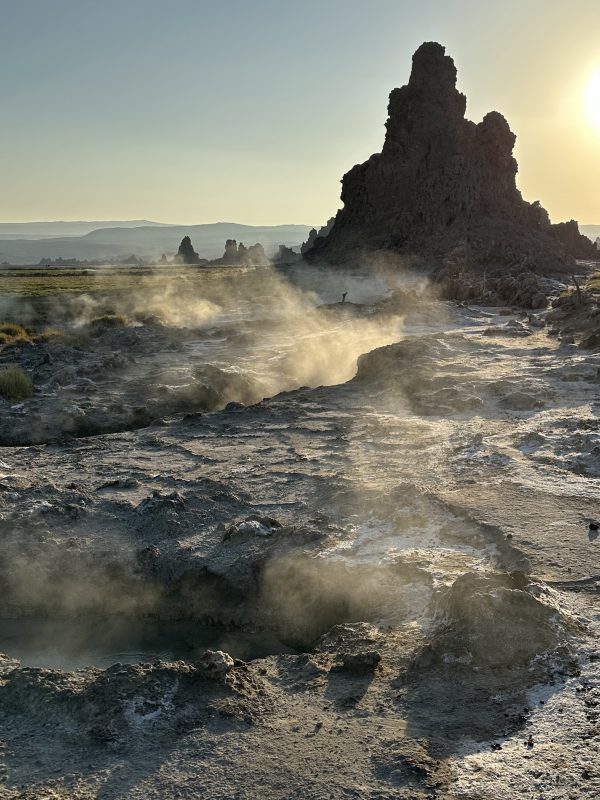
After a 7–8 hour drive, accompanied by dromedaries, donkeys, goats, antelopes, warthogs, and baboons, we reached Lake Abbe just in time for sunset. The lake, lying directly on the Ethiopia–Djibouti border, is a surreal salt lake surrounded by limestone chimneys and steam vents.
It felt like another planet — no people, absolute silence, and the occasional jackal passing by.
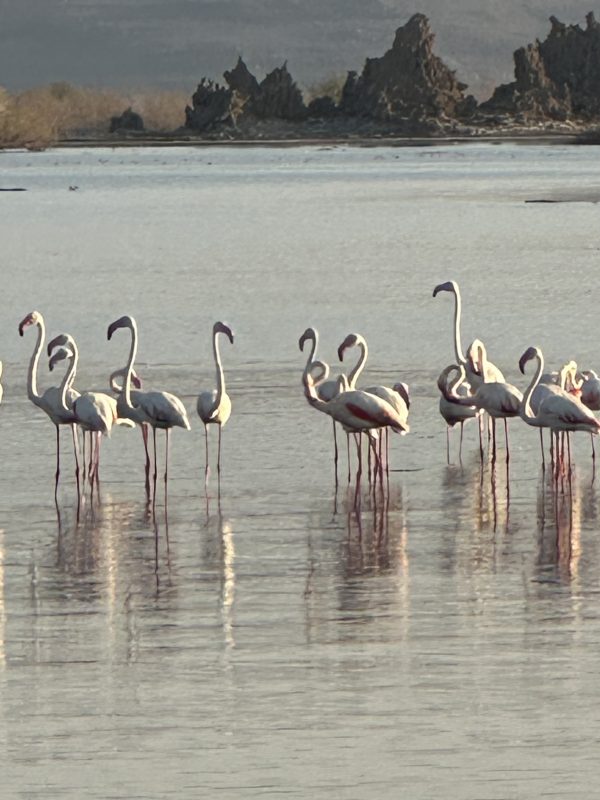
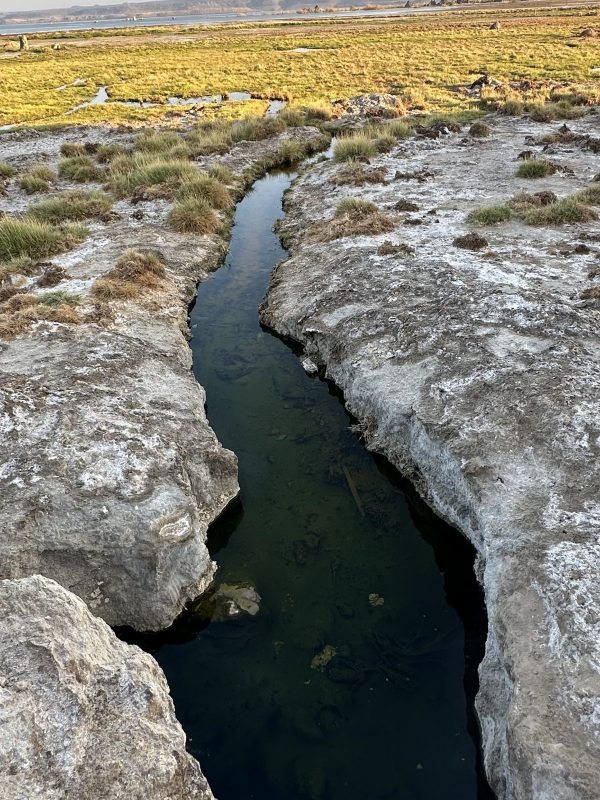
Accommodation was very basic, as this is not a touristy destination. But I hadn’t come for comfort — and the next morning rewarded every sacrifice. At 5 a.m., I witnessed a jaw-dropping sunrise over the lake, flamingos feeding in the shallow water, and bubbling hot pools nearby. A word of caution: one wrong step here, and you could literally cook yourself alive.
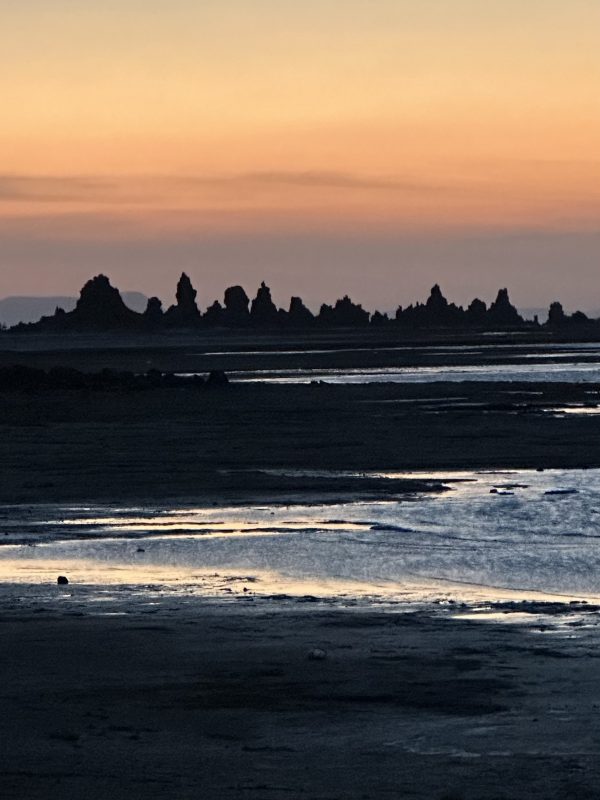
Lake Abbe at dusk
Lake Assal – The Lowest Point in Africa
From Lake Abbe, we continued on another long drive, passing what is often referred to as the Grand Canyon of Djibouti, until we reached Lake Assal — a true natural wonder.
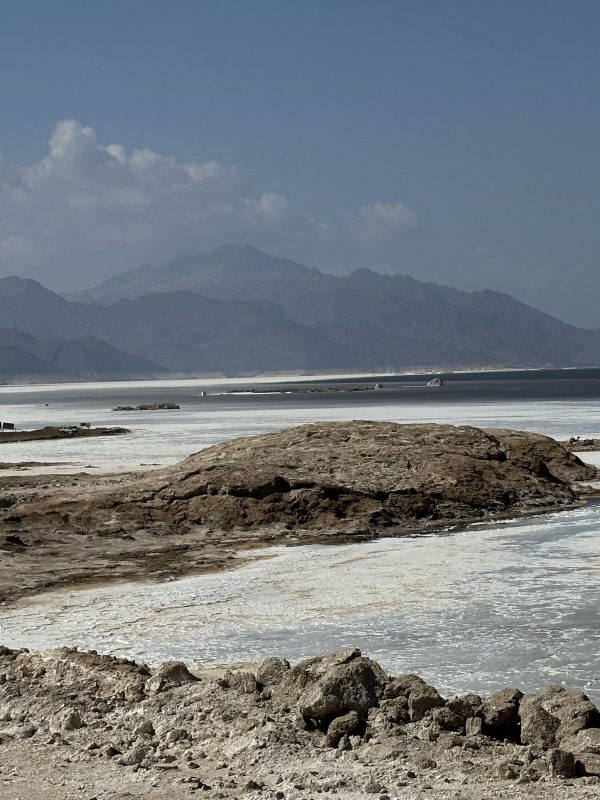
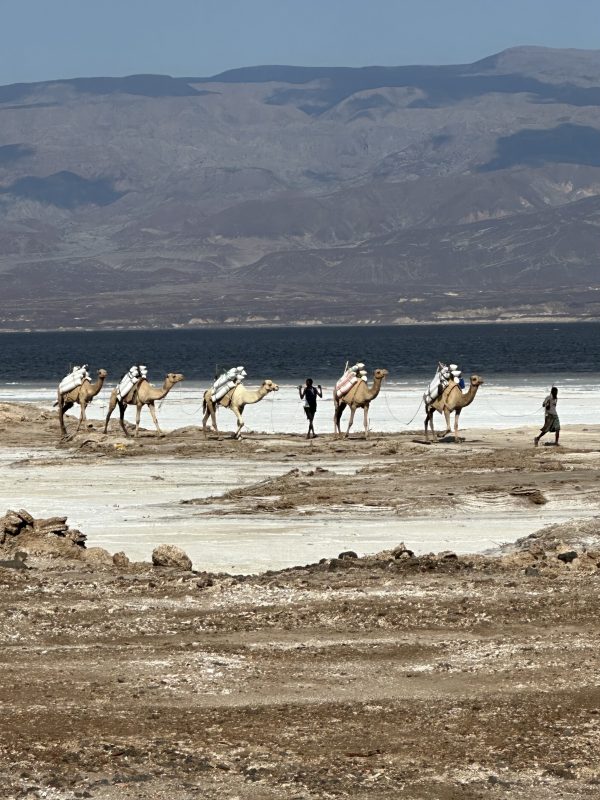
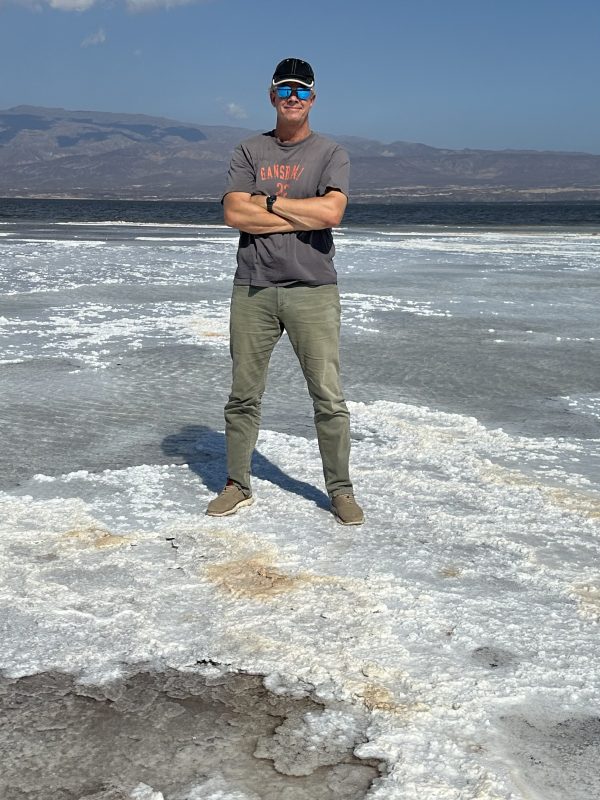
Lake Assal lies 155 meters below sea level, making it the lowest point in Africa and the deepest depression on the continent. The lake is hypersaline, with a salinity of around 35%, nearly ten times higher than the ocean. Floating here feels effortless, in a landscape that looks like a frozen lake surrounded by volcanic rock.
Goda Mountains – Fog, Leopards and Climate Reality
Next, we climbed from 155 meters below sea level to almost 1,750 meters above, heading into the Goda Mountains. The off-road drive pushed our vehicle to its limits, but the views were spectacular.
Accommodation was once again basic, but I didn’t mind — especially as I was the only non-local guest. This region is home to mountain leopards; while we didn’t see one, we found tracks and remains from earlier kills during a hike through a dying forest.
By Djibouti standards, it was cold and foggy. The atmosphere was eerie — our hike felt like a scene straight out of The Walking Dead. A haunting but fascinating live testimony of climate change.
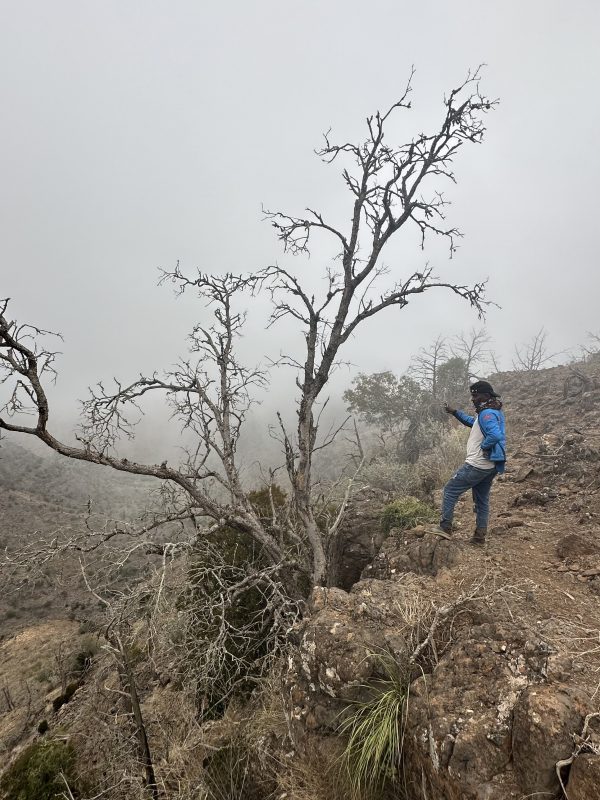
Don’t step too far!
Les Sables Blancs – Unexpected Paradise
After the mysterious mountain experience, it was time for the coast. A place not to be missed is Les Sables Blancs in Tadjoura — French for White Sands.
Getting there is still an adventure, but easy compared to the mountains. What awaits you is a stunning white beach with turquoise water — and even a surprisingly decent hotel. When I visited, there were only three other people on the entire beach.
This turned out to be the second-best snorkeling spot I’ve ever experienced. Just a few meters from the shore, you’ll find coral, countless colorful fish, turtles, and stingrays. A perfect, peaceful contrast to the raw interior of the country.
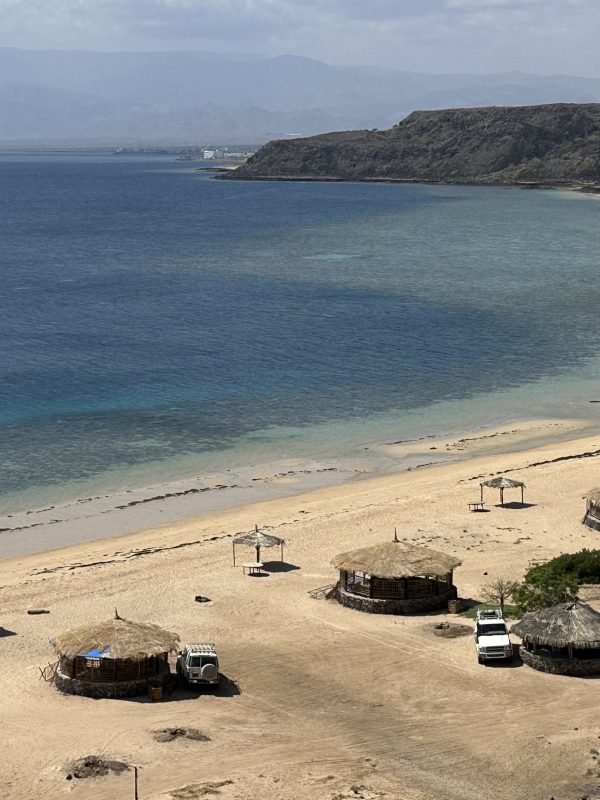
Not exactly overcrowded
Where Continents Meet – Tectonic Plates
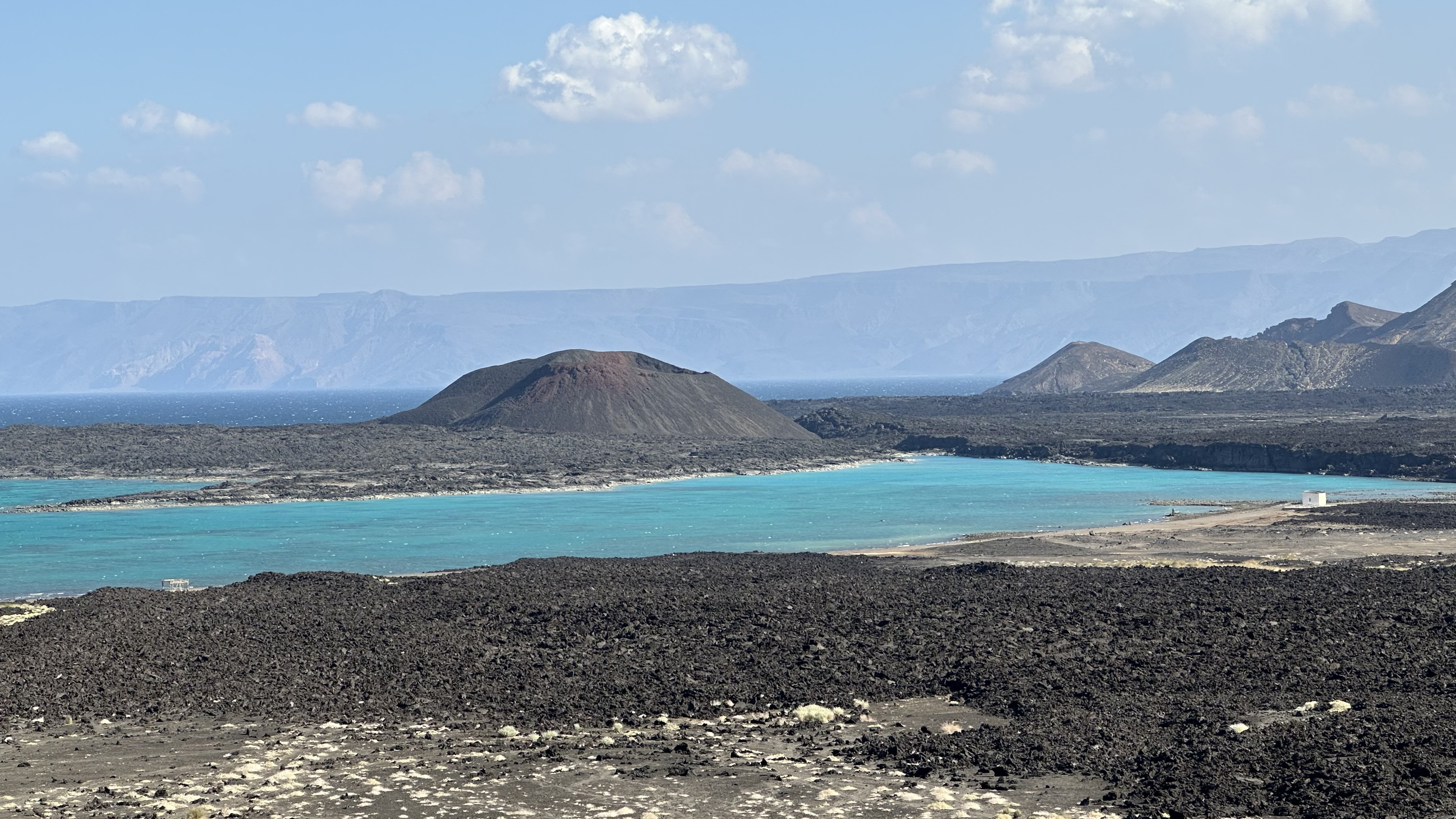
Another highlight lies between Lake Assal and Lake Ghoubbet, where the African and Arabian tectonic plates meet. You can literally stand on solidified lava and place one foot on each plate.
The visible crack widens by a few centimeters every year — so come while it’s still narrow enough to straddle two continents at once.
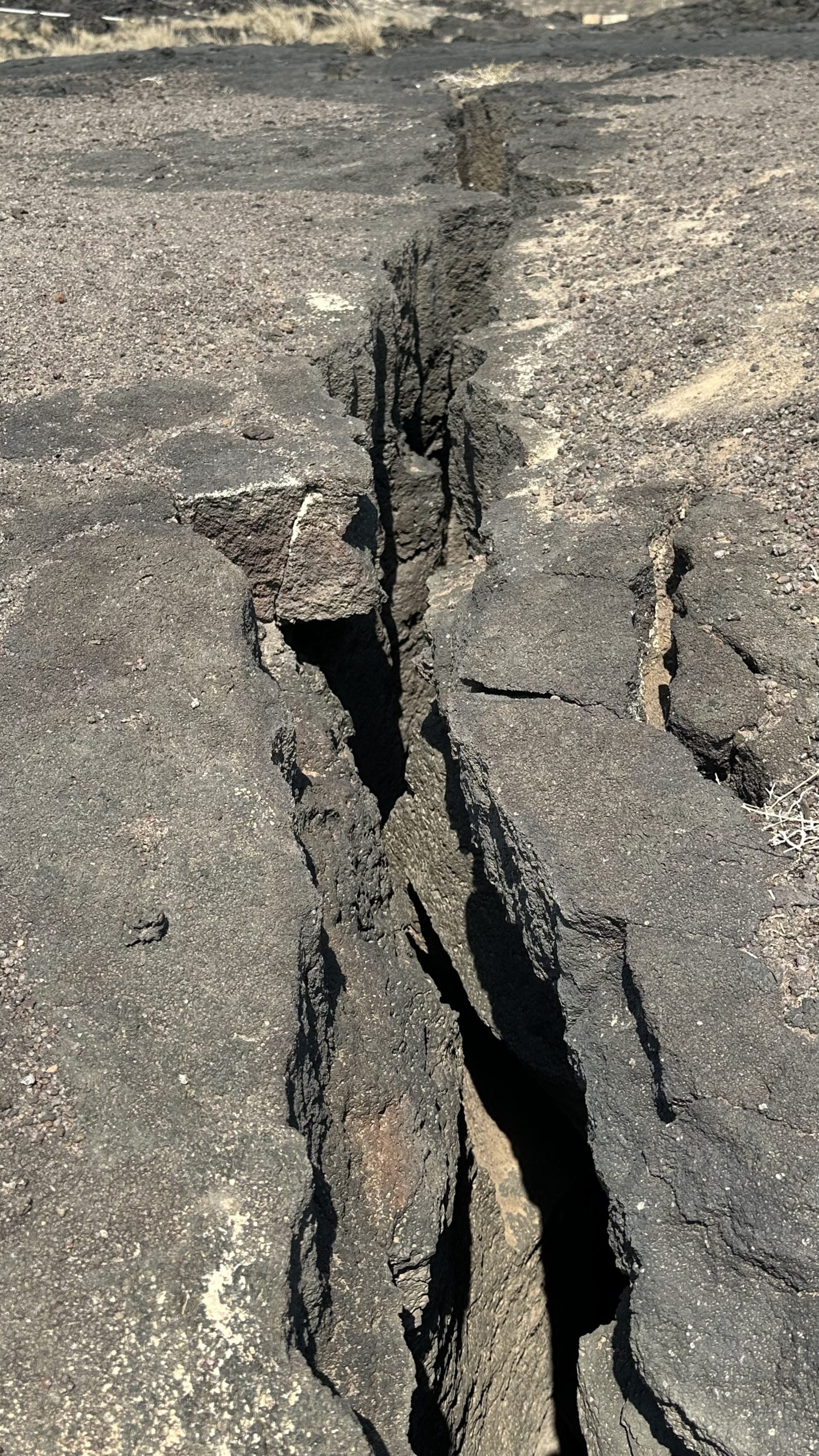
Africa meets Arabia
Snorkeling with Whale Sharks
I had previously snorkeled with whale sharks at Ningaloo Reef in Western Australia, so I was excited to experience this again in Djibouti.
In Australia, spotter planes guide boats to the sharks. In Djibouti? No plane, no technology. Just a tiny boat on Lake Ghoubbet, three locals, and me — scanning a 158 km² surface area by standing up and hoping.
After about an hour, hope faded. Then suddenly, it happened.
Within the next hour, we spotted three different whale sharks, ranging from 4–6 meters up to an incredible 10–12 meters. I managed to snorkel with them — just a few minutes each time, but completely alone. No crowds, no rush, just locals, whale sharks, and raw nature.
When you jump into the water, it helps not to think too much about what else might be swimming around.
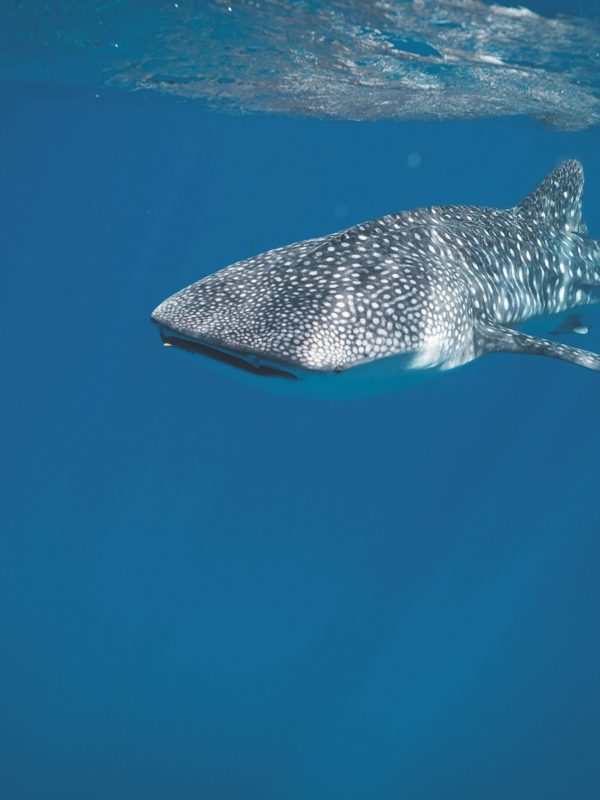
The largest fish on this planet
The Sheraton Djibouti – A Soft Landing
After all these adventures, it was time to return to Djibouti City, where I spent a final day at the Sheraton Djibouti. A perfect place to unwind, enjoy some comfort, and reflect — before flying home via Cairo and Frankfurt.
Perfect spot to relax
This is travel in its rawest form — challenging at times, deeply rewarding always. If you’re ready to explore beyond the obvious, Djibouti might just surprise you more than any destination you’ve been to before.
