– Travel Stories –
Tanzania + Zanzibar
Safari + Chilling
Getting There and First Impressions
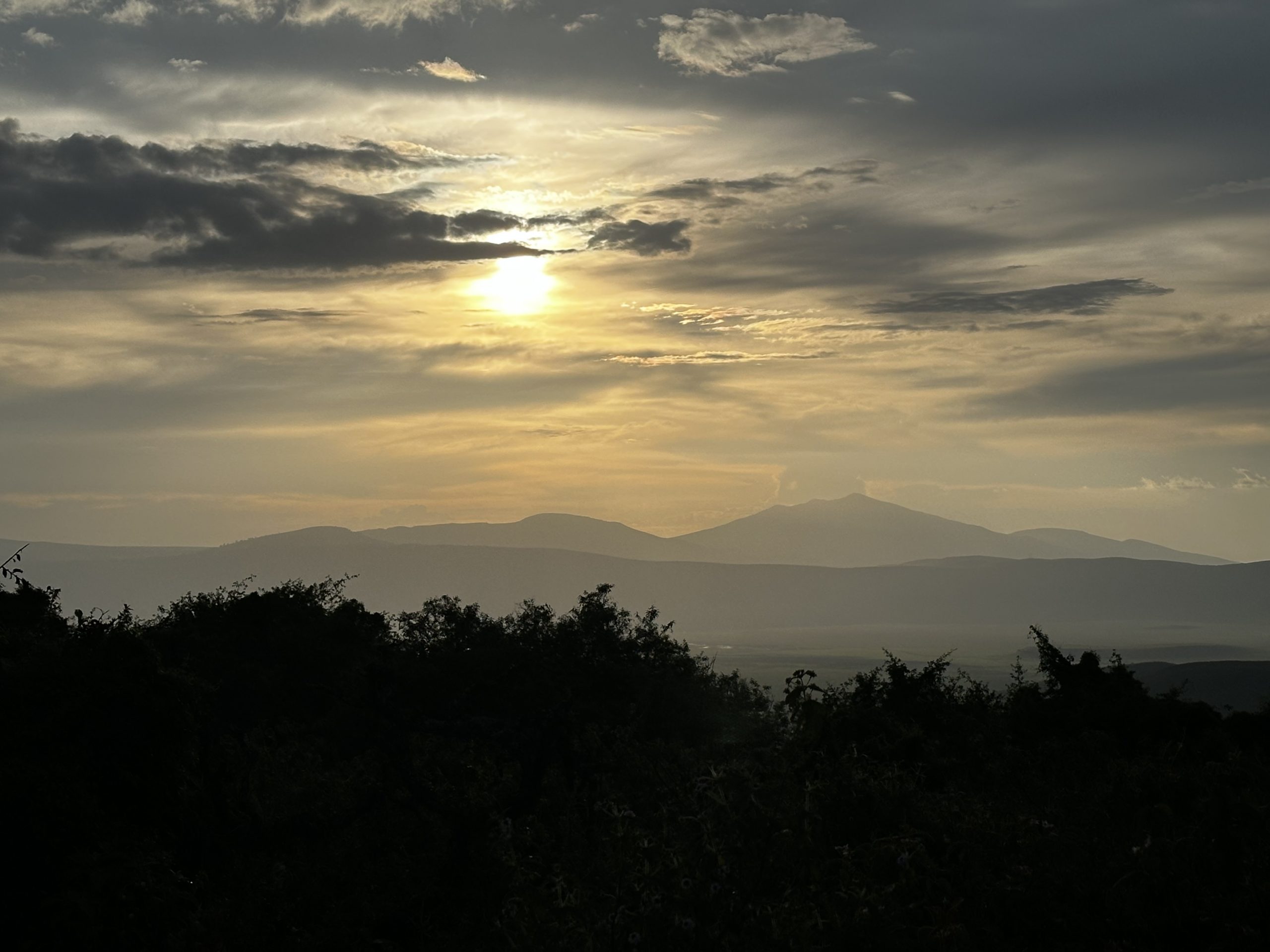
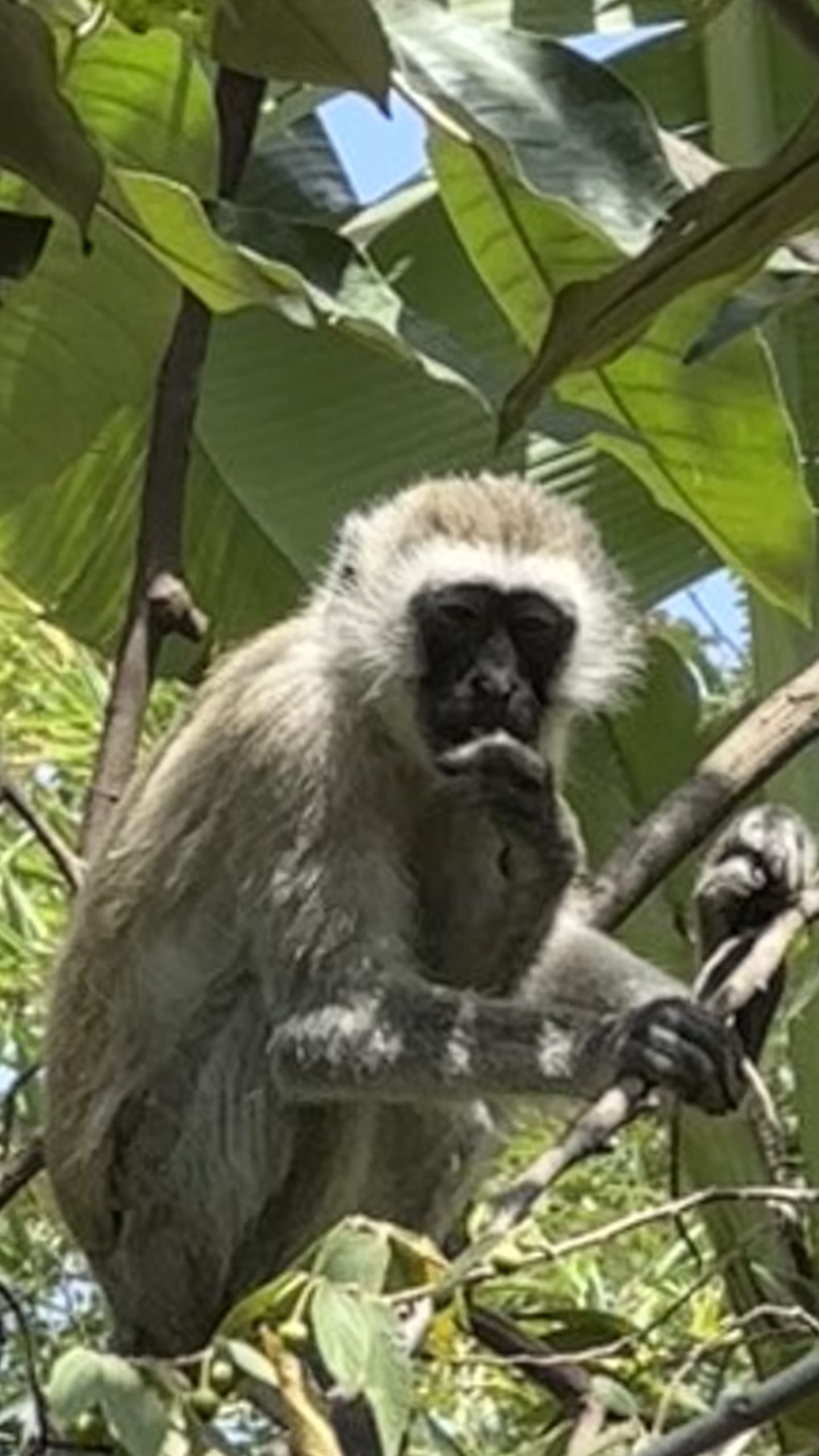
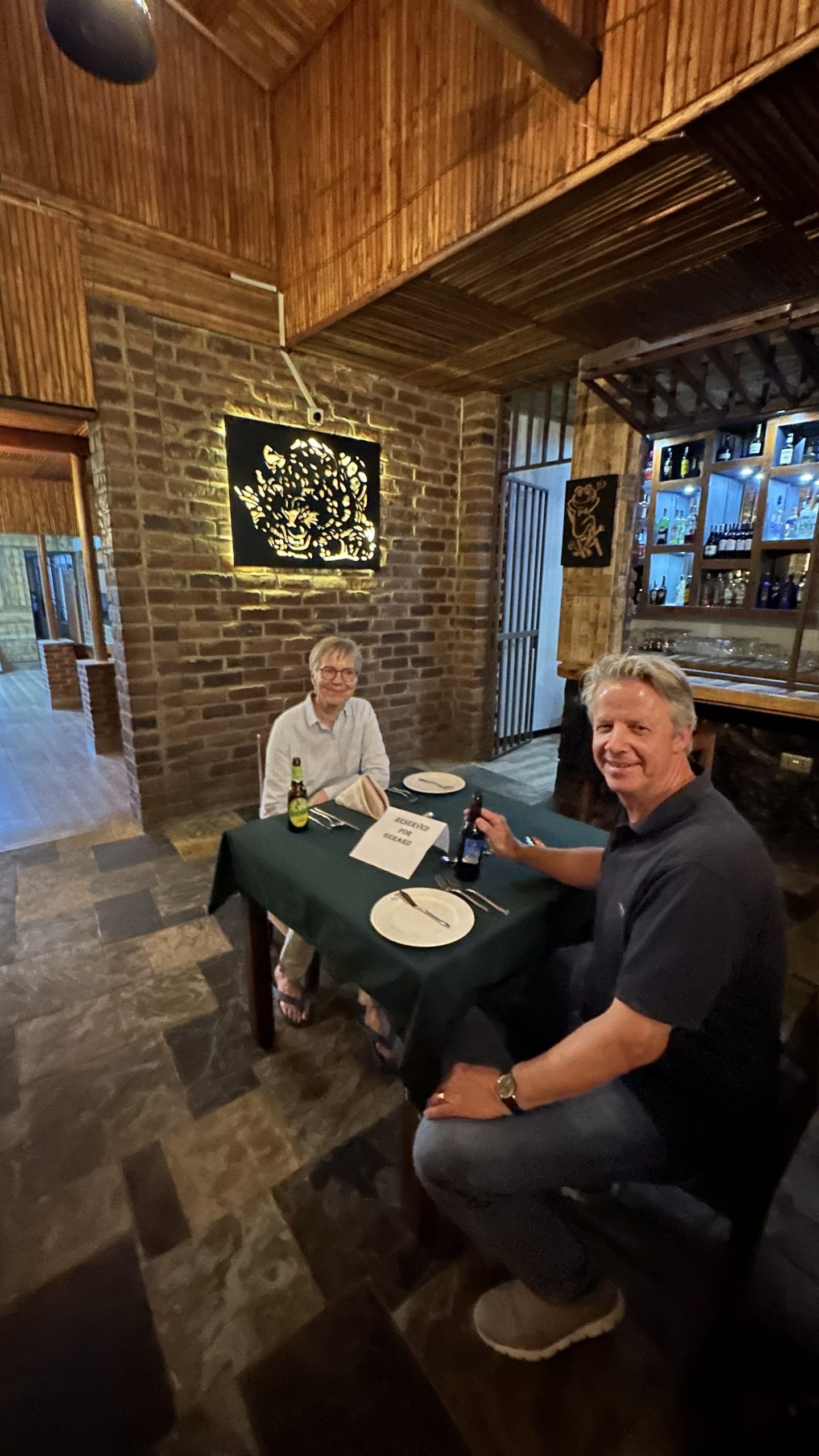
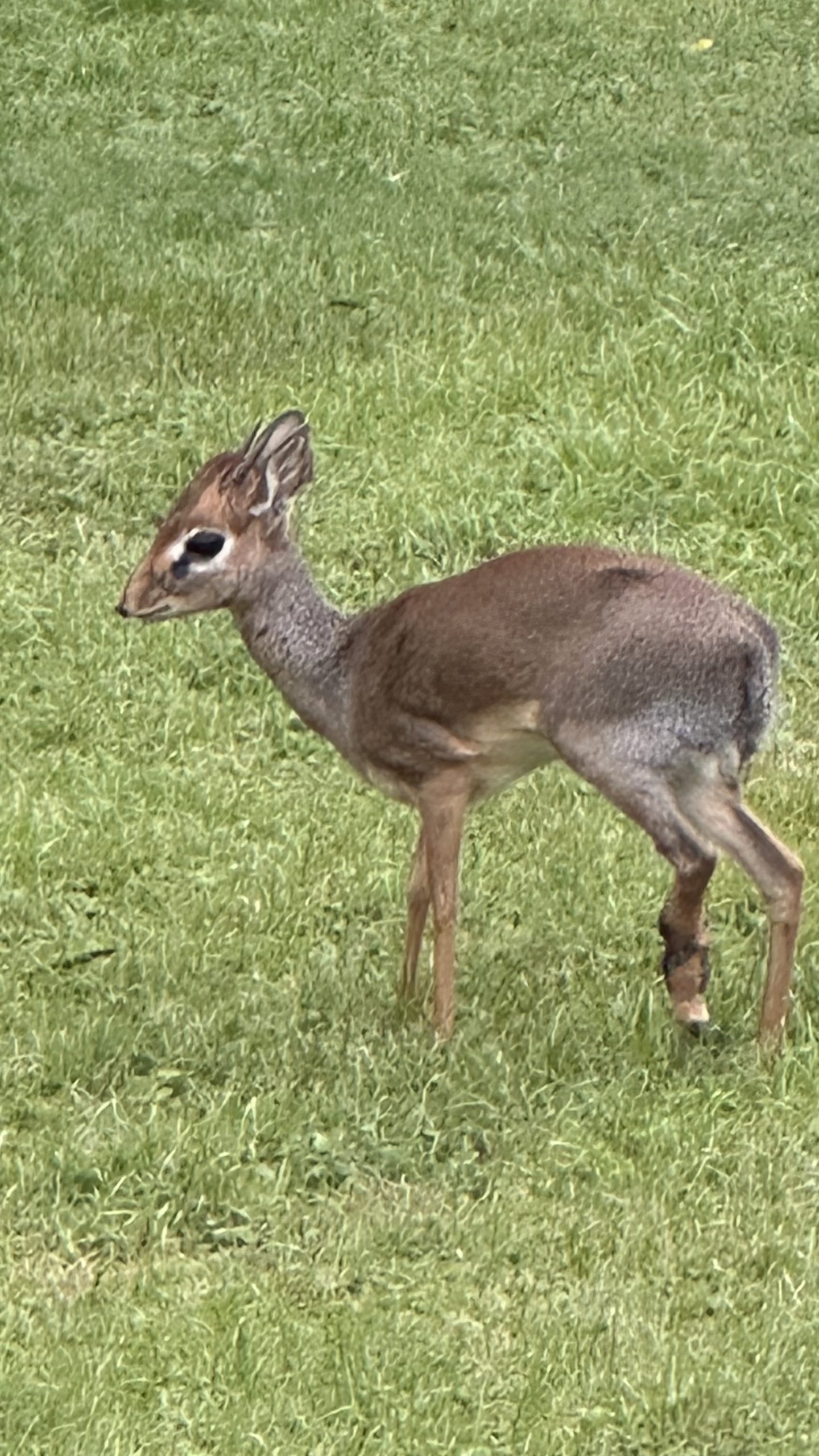
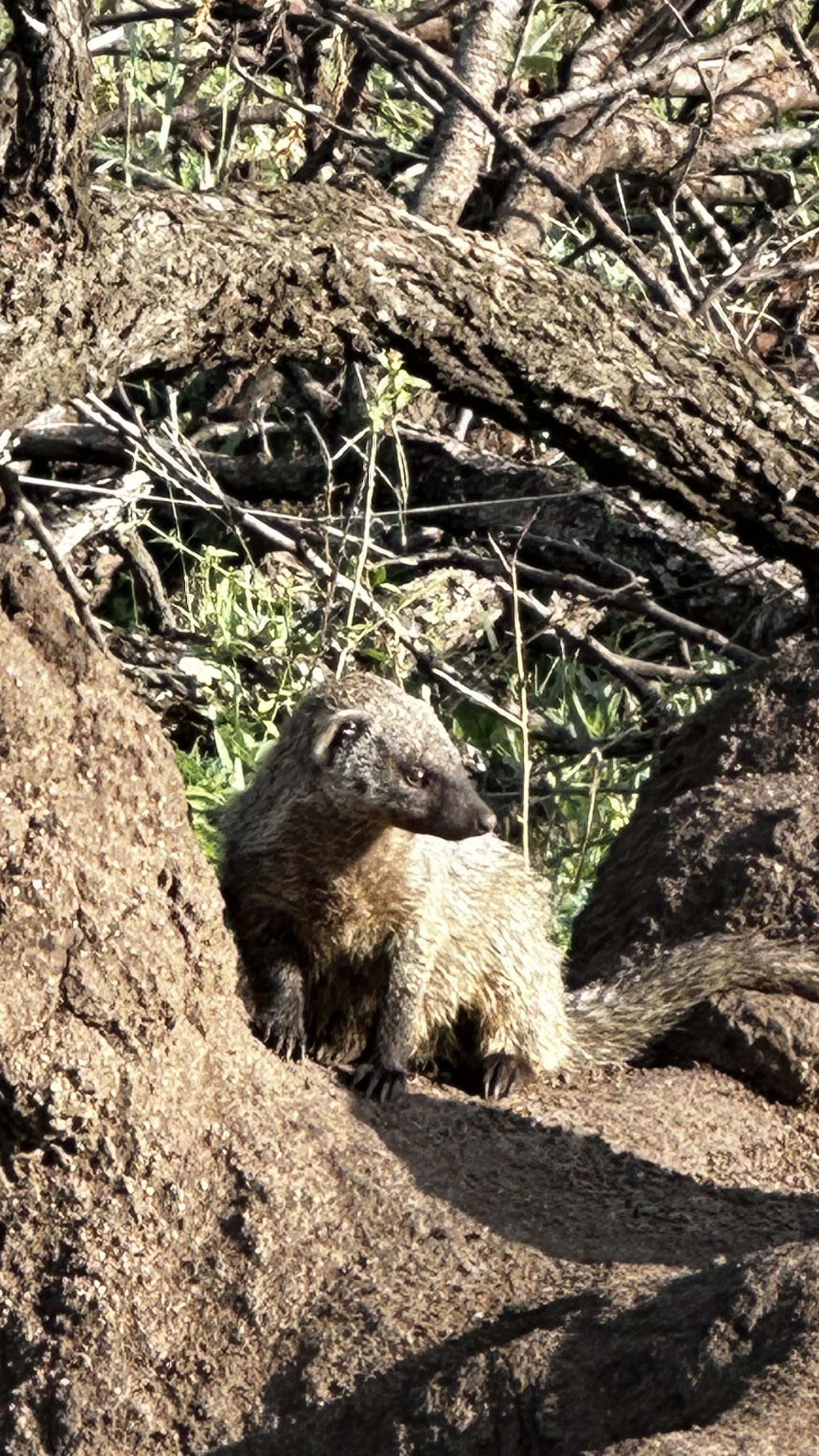
Tanzania is well connected internationally. Our trip started early February and we chose to fly with Turkish Airlines via Istanbul to Kilimanjaro Airport. From there, we headed to Arusha for a couple of nights to acclimatize before starting our safari. Our base was the Under the Shade Safari Lodge — a comfortable middle-class lodge with cozy rooms, a refreshing pool, and excellent food. Monkeys and tiny dik-diks roamed freely around the property, giving us a playful preview of the wildlife encounters to come.
One thing that stood out immediately: the incredible friendliness of Tanzanian people. From Arusha to the Serengeti, every single person we met made us feel genuinely welcome.
Tarangire National Park – A Perfect Start
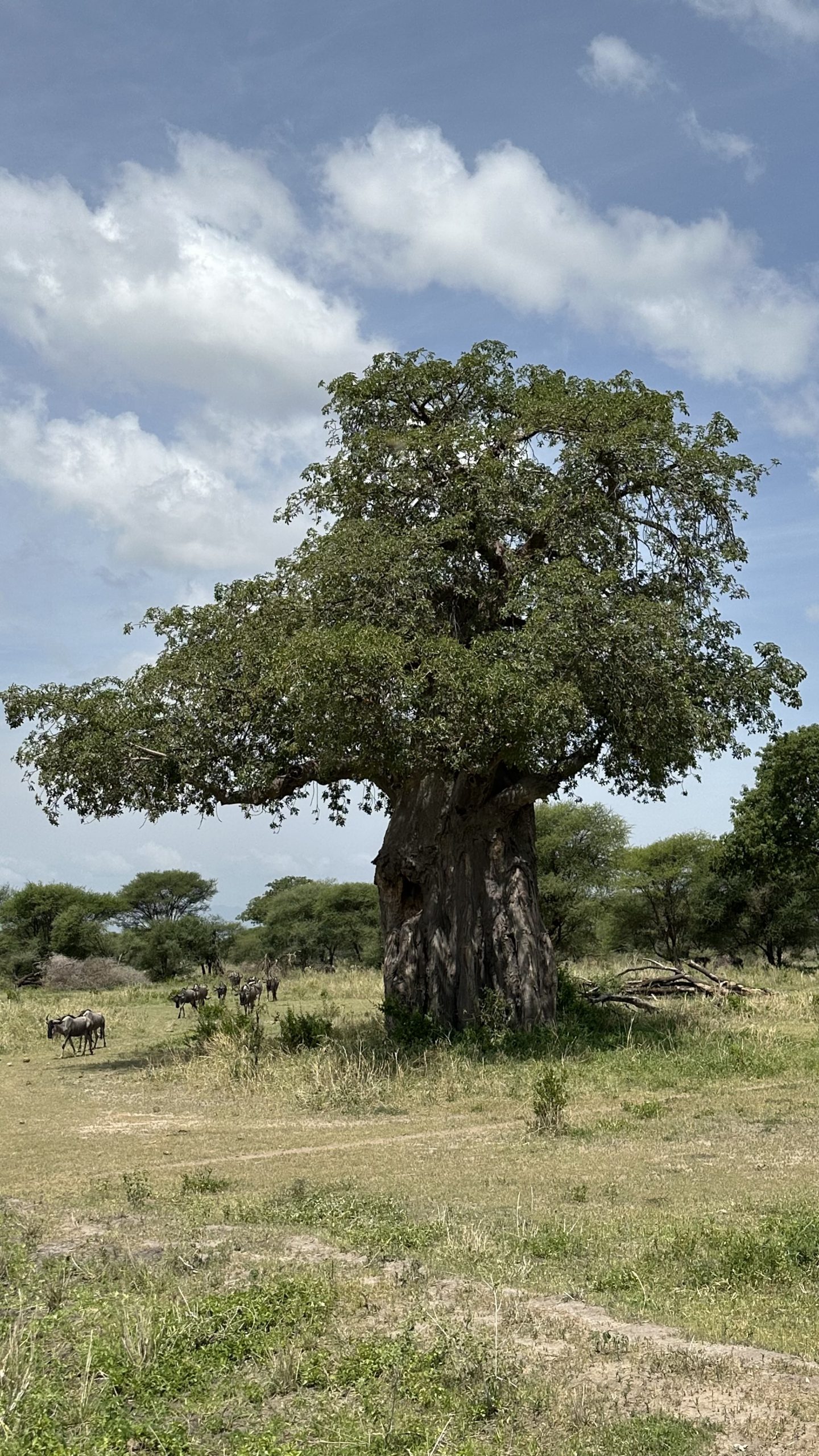
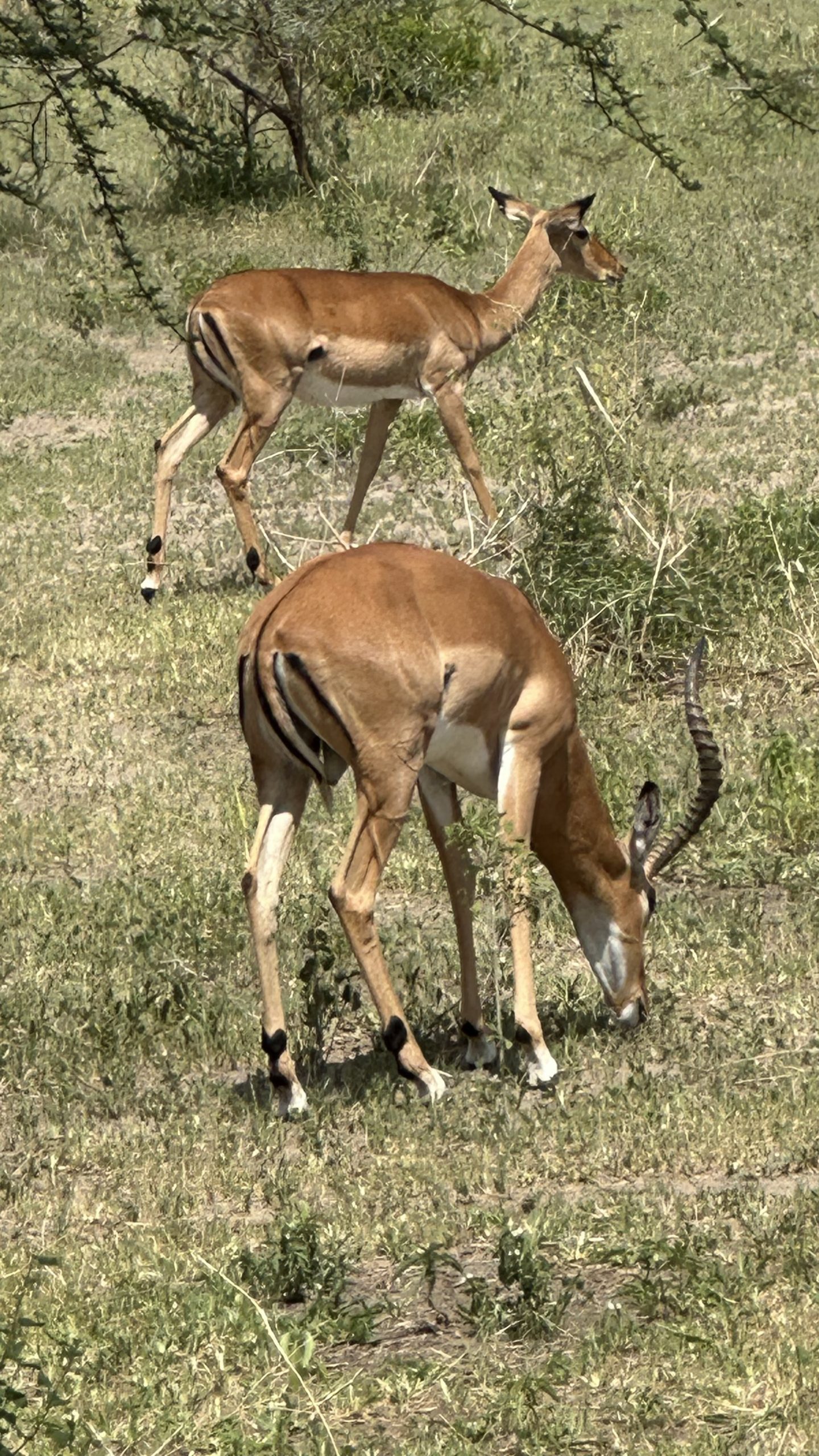
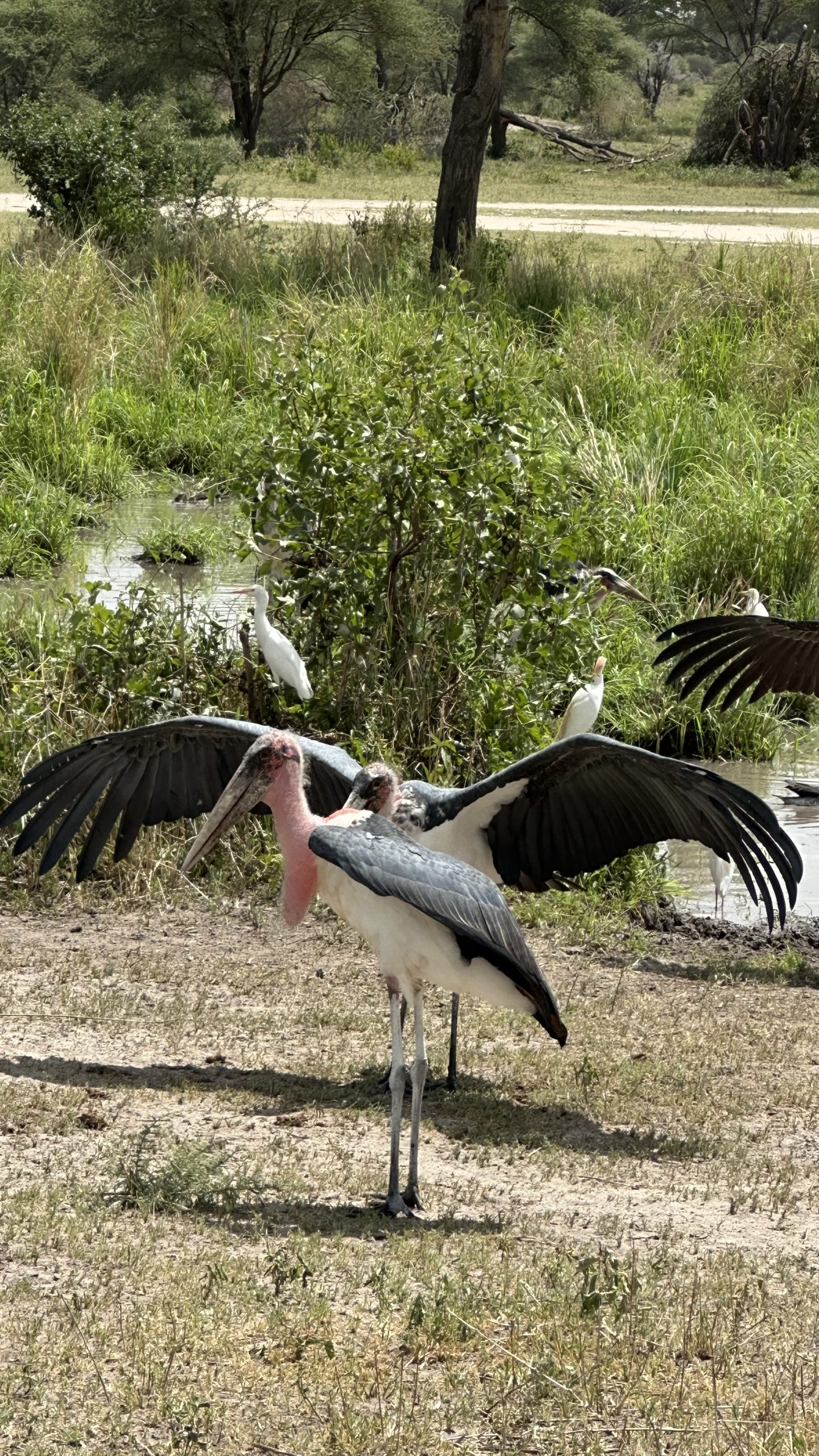
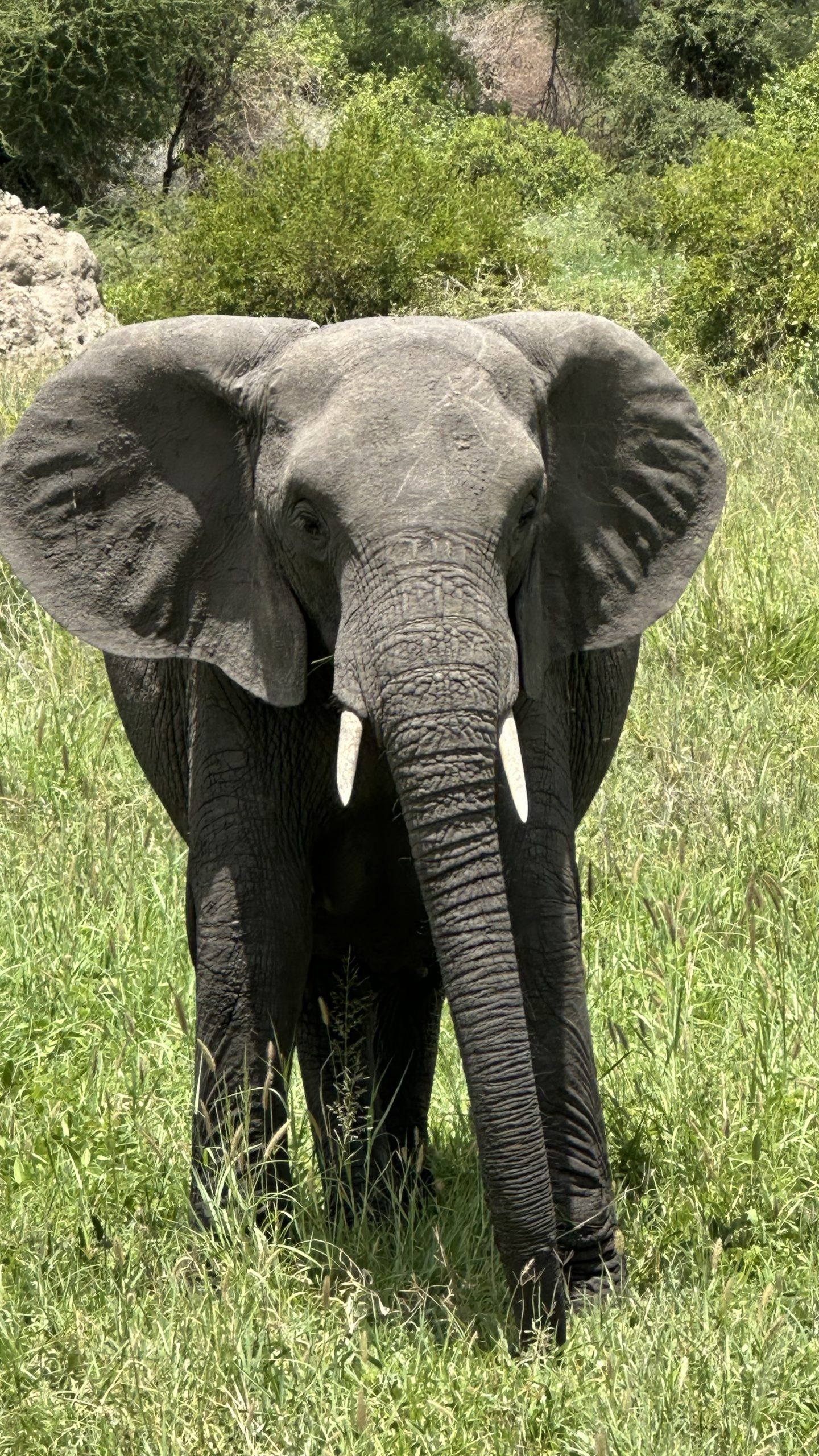
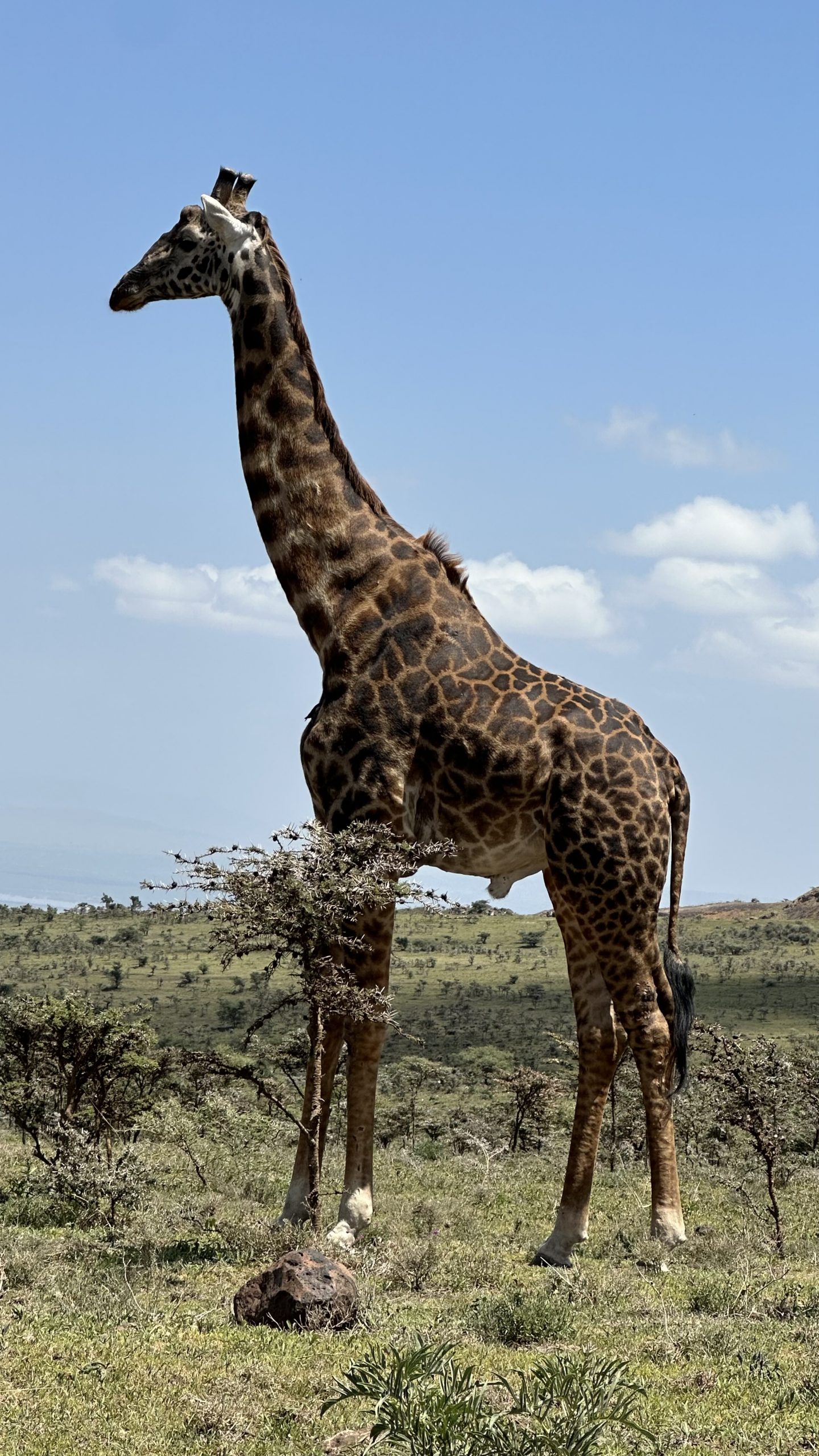
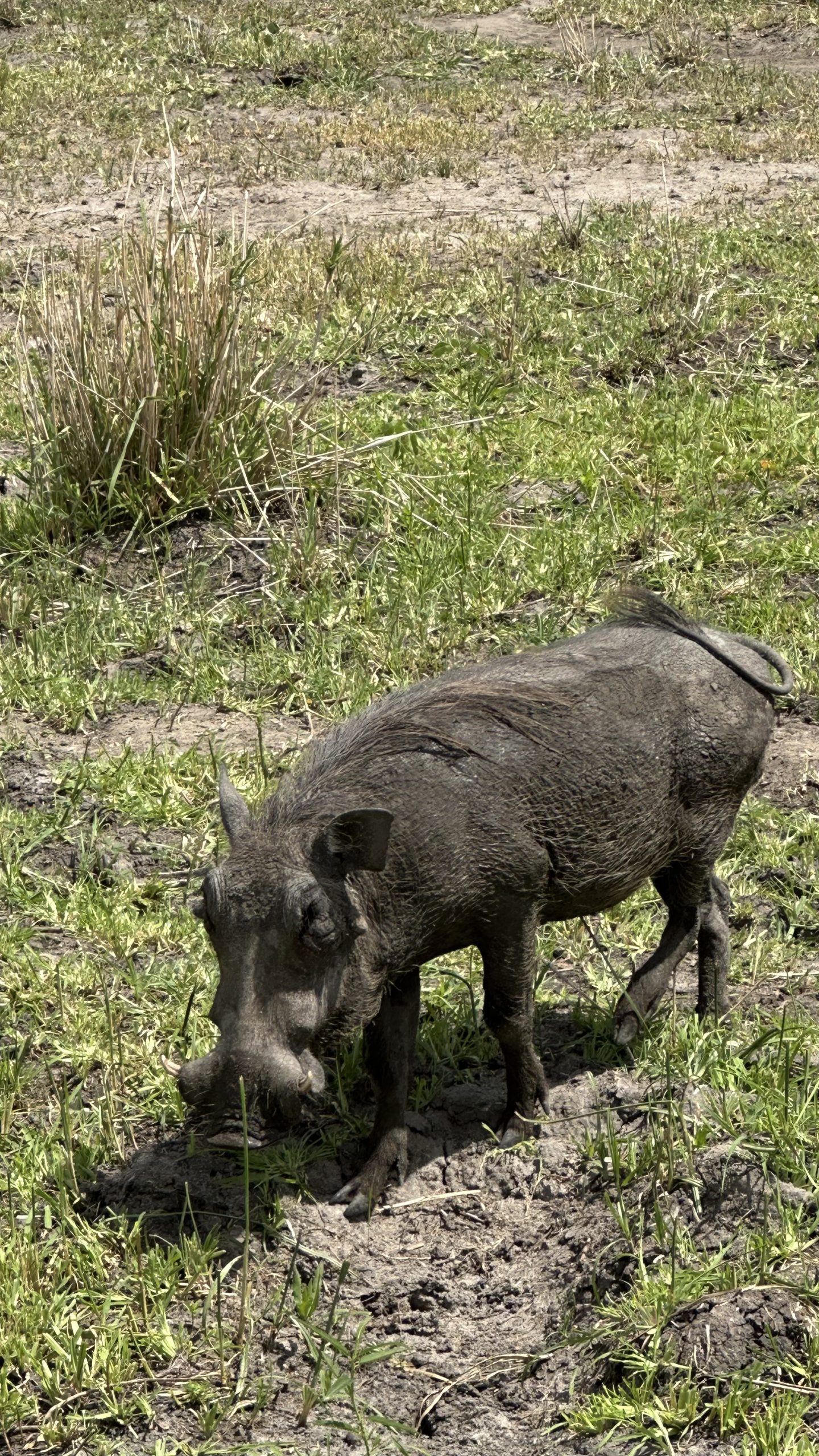
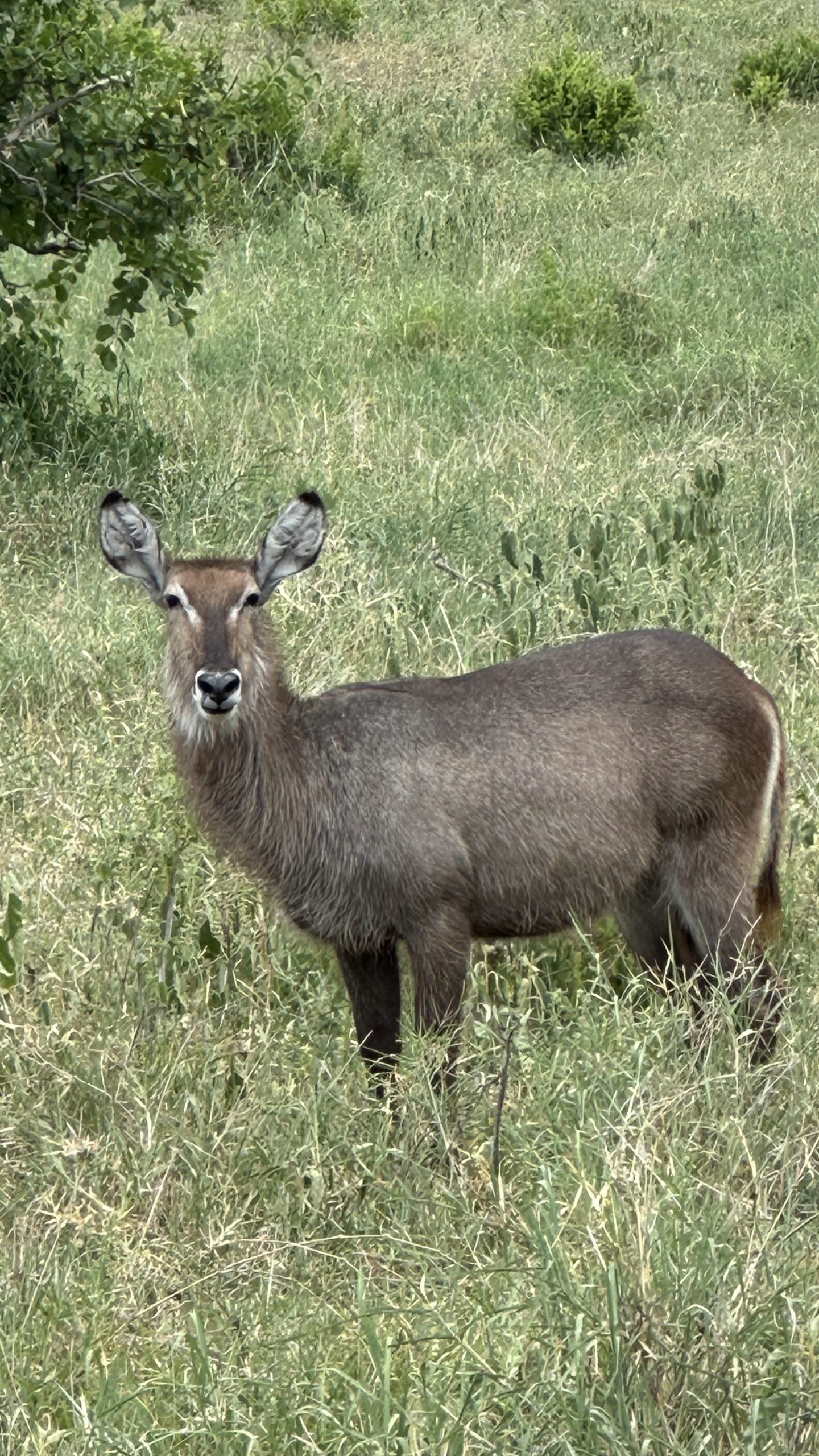
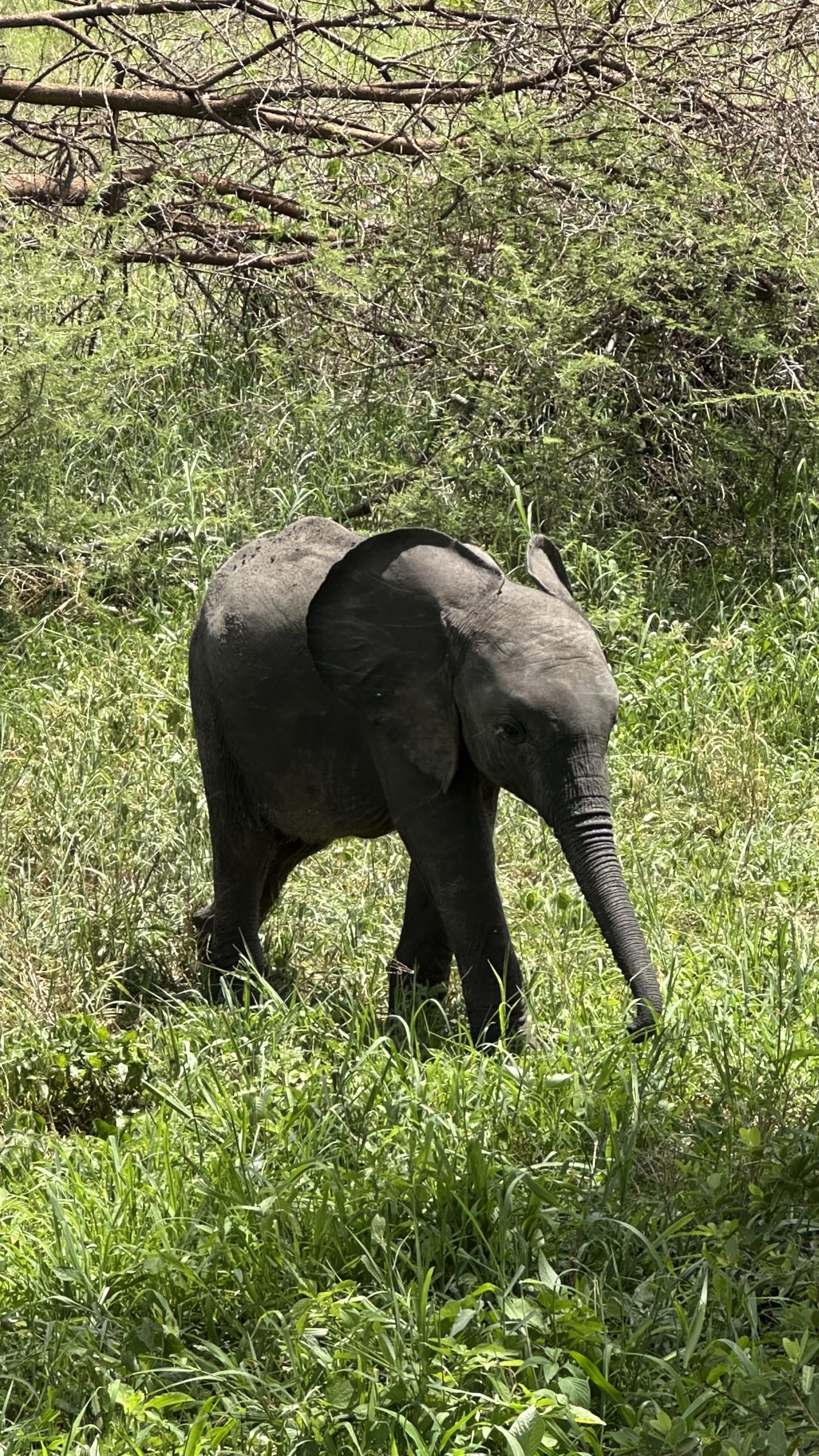
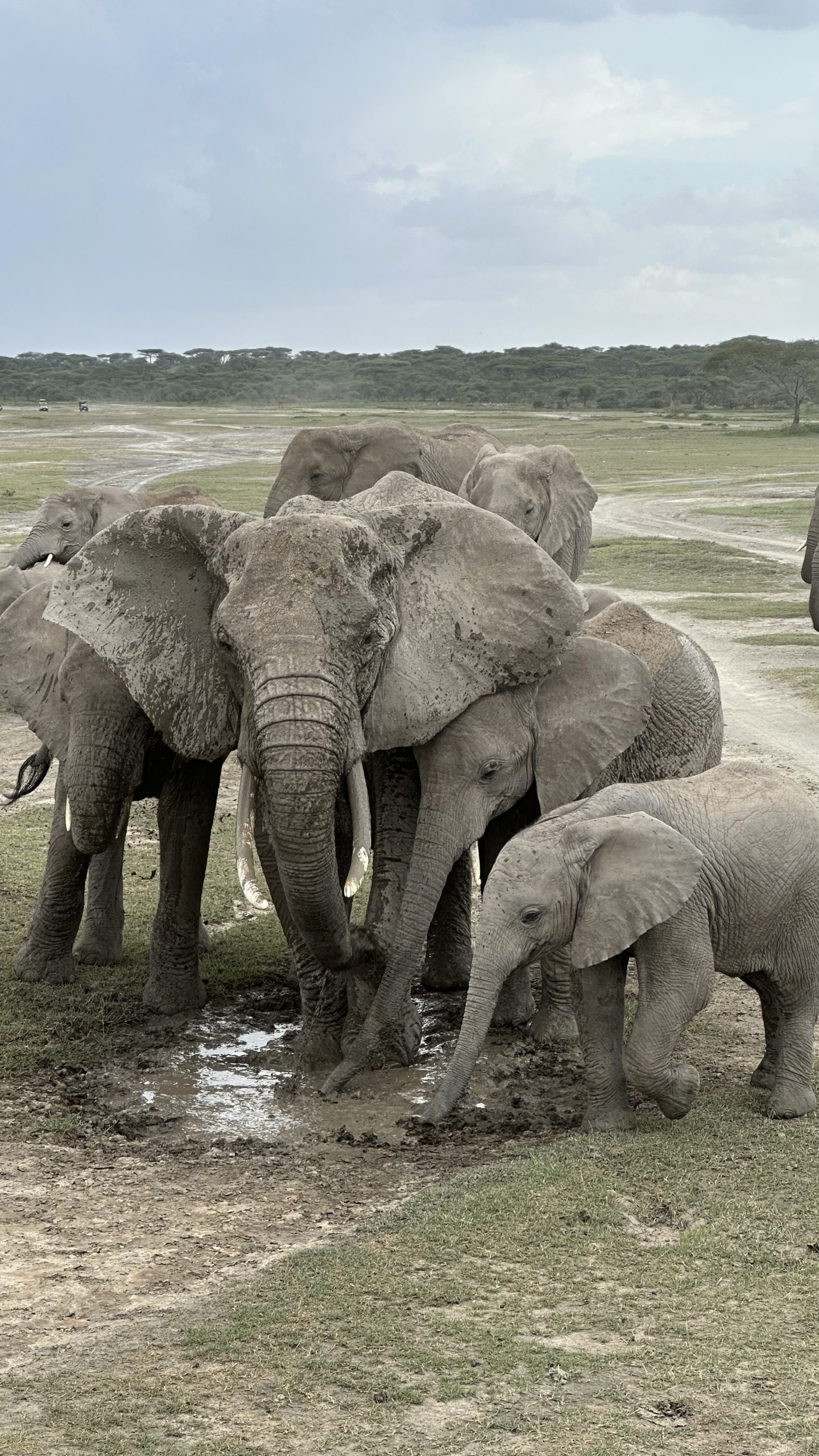
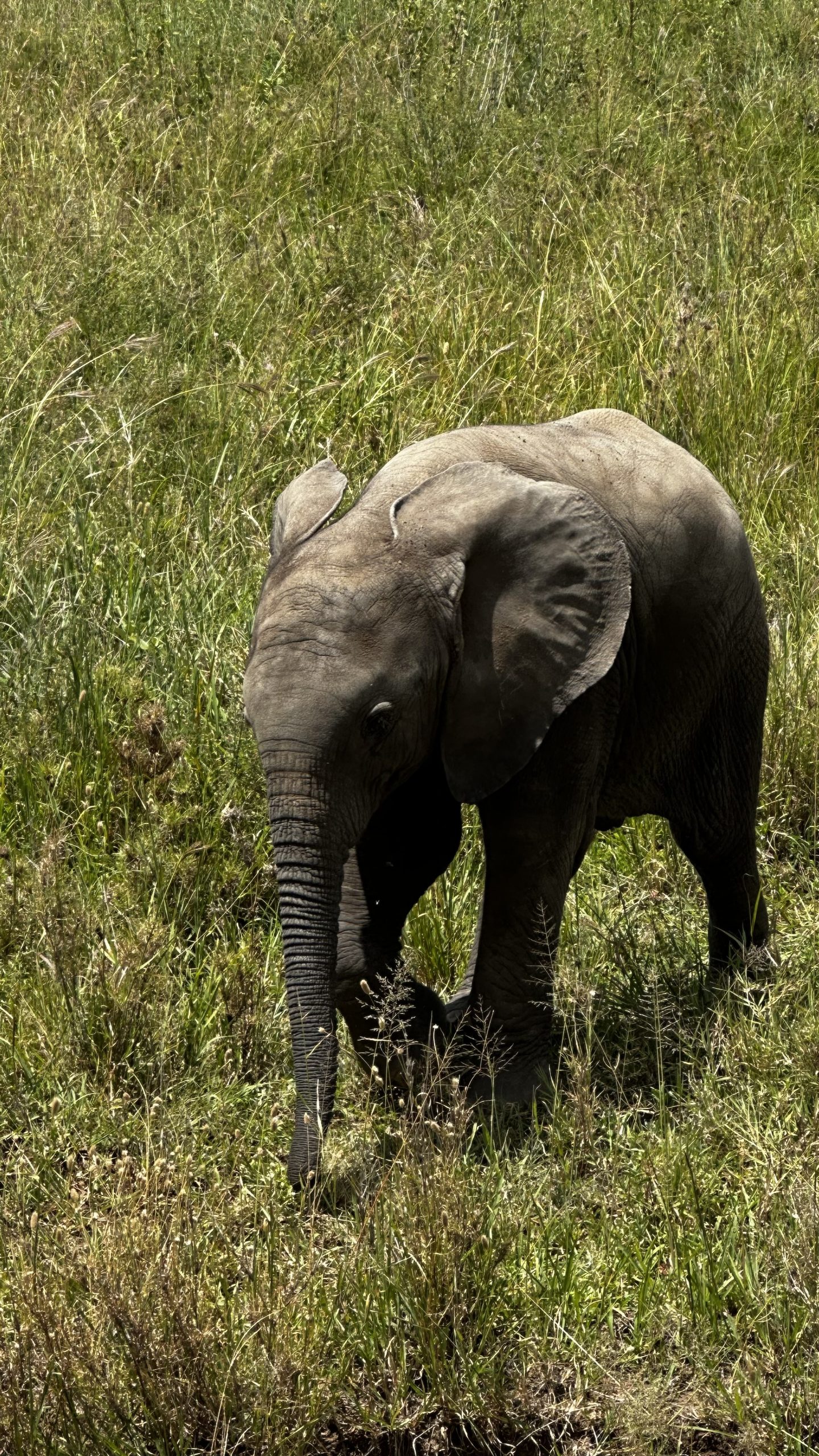
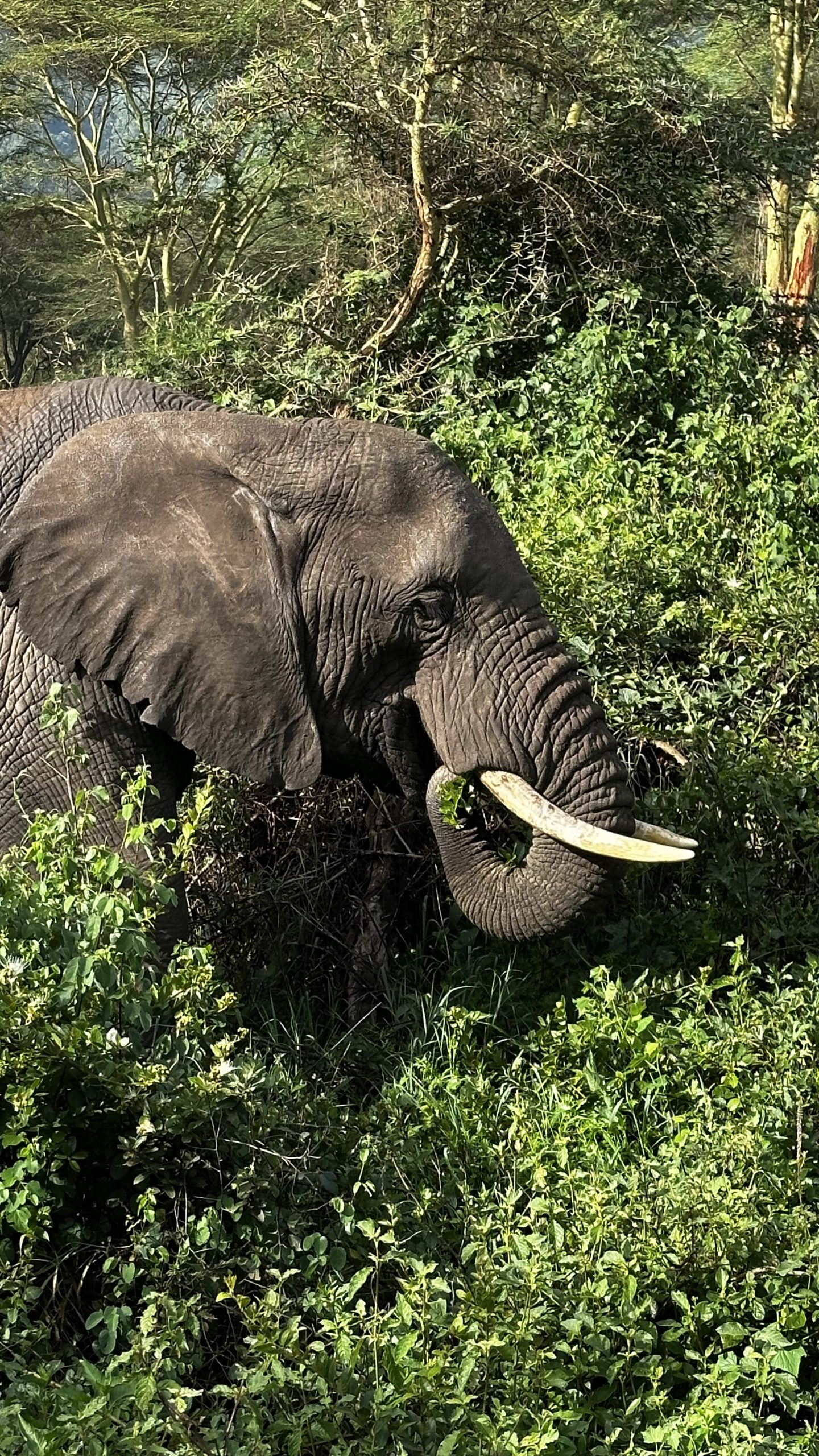
Our first stop was Tarangire National Park, famous for its enormous elephant herds and ancient baobab trees. Spending a full day here was the ideal introduction to safari life. We saw giraffes, zebras, wildebeest, antelopes, marabous, warthogs, vultures, monkeys — and even a lion (although he was more interested in sleeping under a bush than posing for photos).
At one point, a huge herd of elephants crossed right in front of us — just like Colonel Hathi’s march in The Jungle Book. A magical moment!
Fun Fact: Tarangire is often called “the Elephant Capital of Tanzania.” During the dry season, up to 3,000 elephants gather here along the Tarangire River.
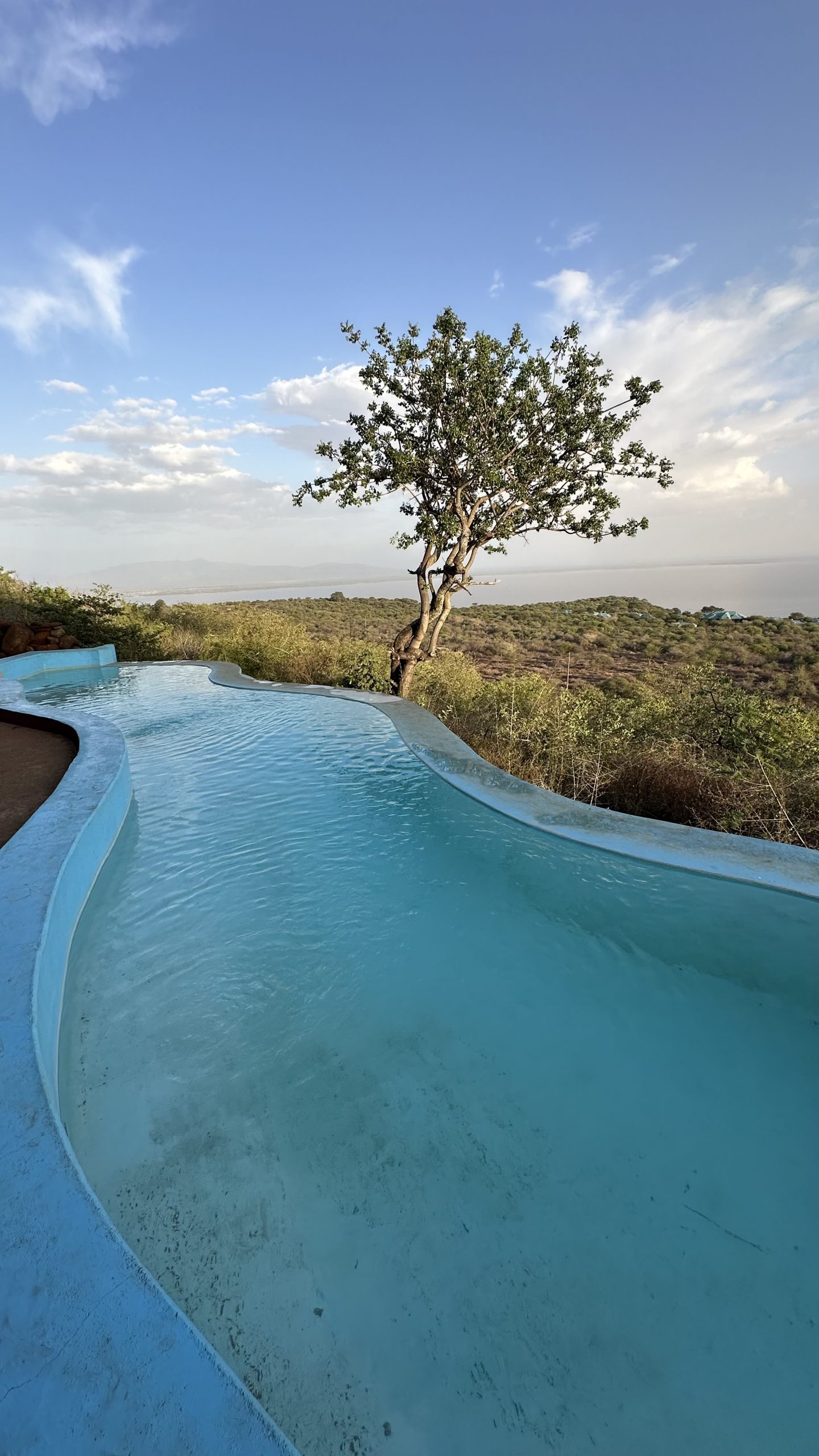
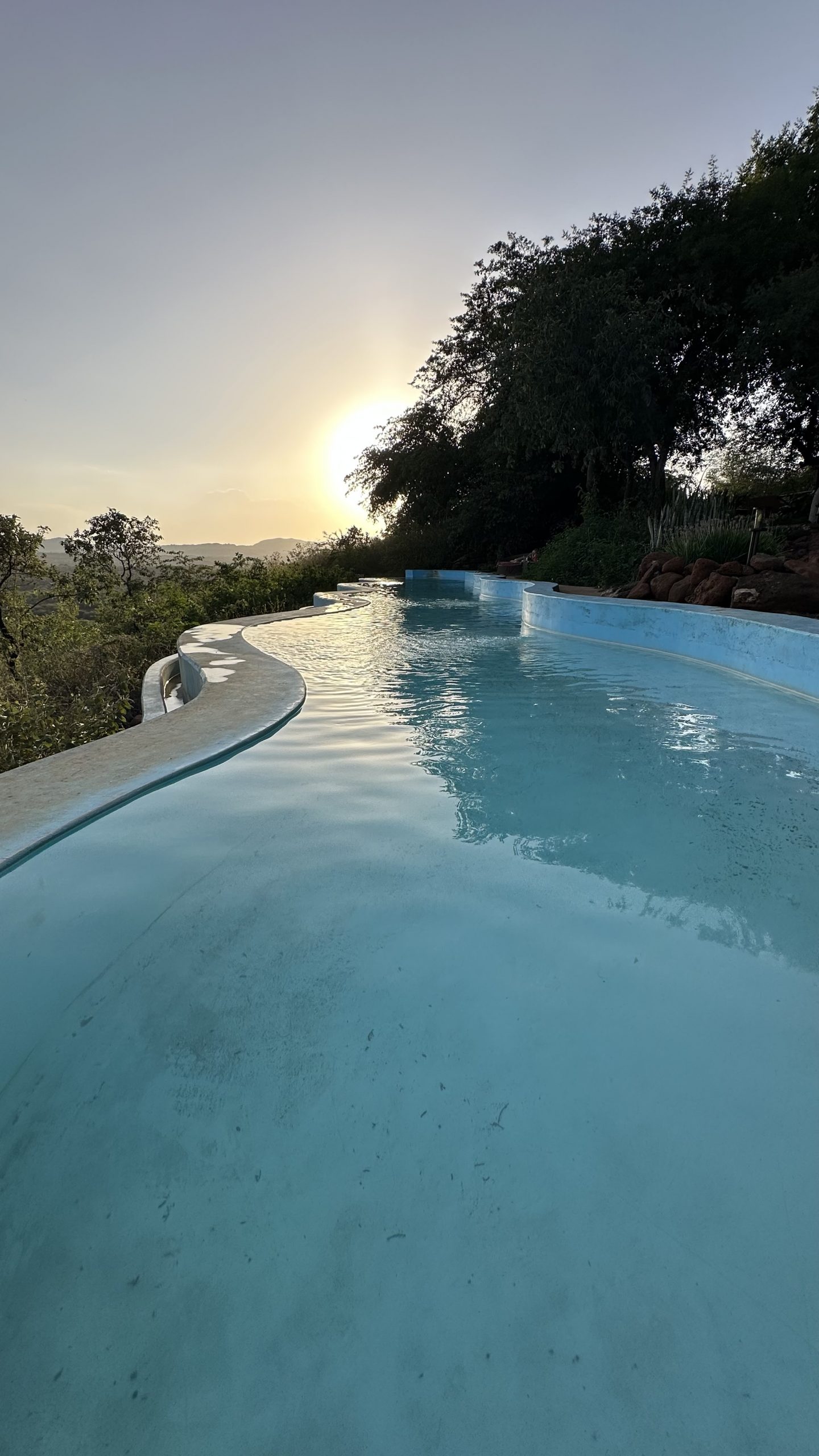
We spent the night at MaweMawe Manyara Lodge, a stunning place with an infinity pool overlooking Lake Manyara and surprisingly high-end cuisine. A perfect way to end our first safari day.
Ndutu Area – In the Middle of the Great Migration
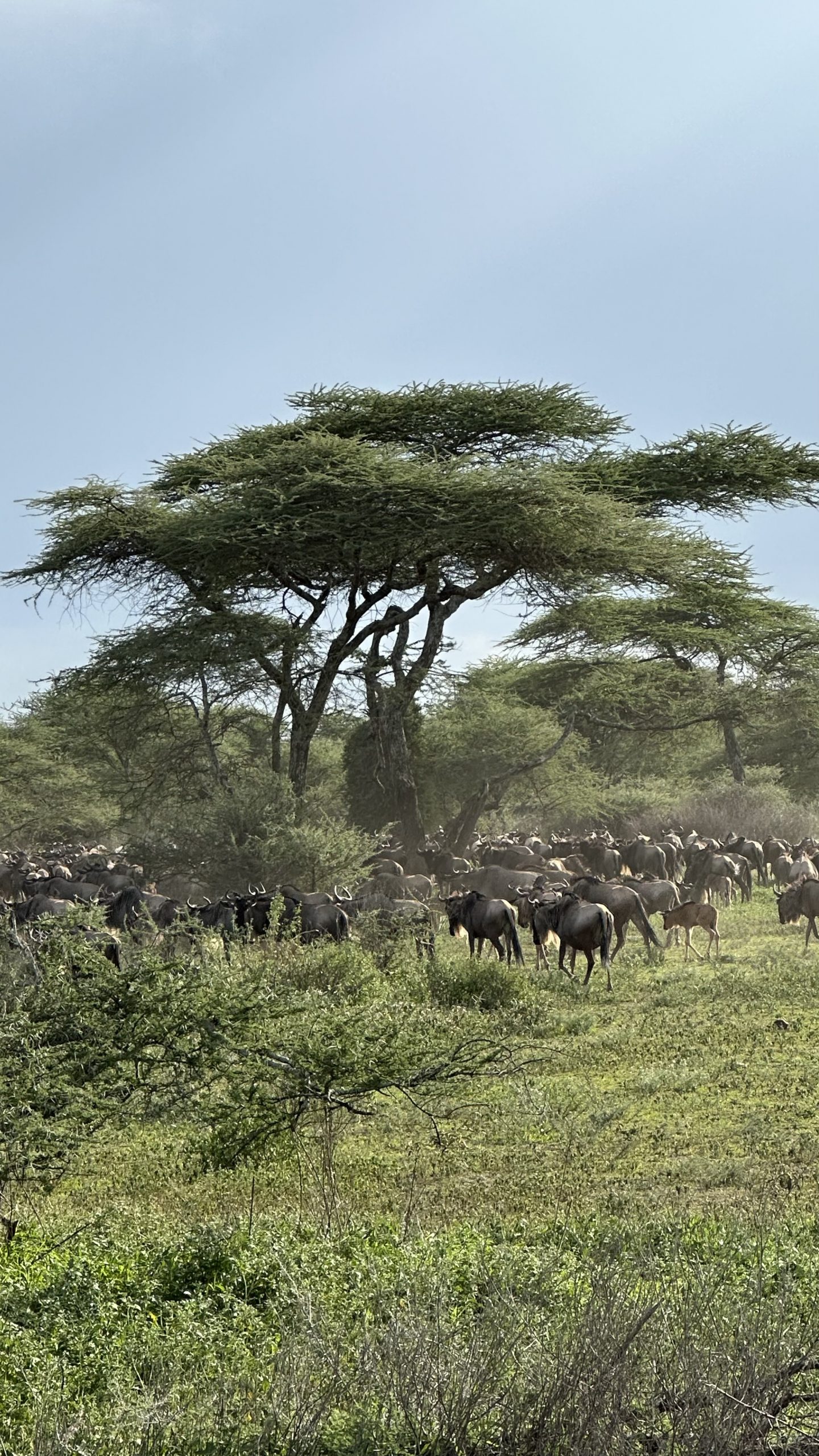
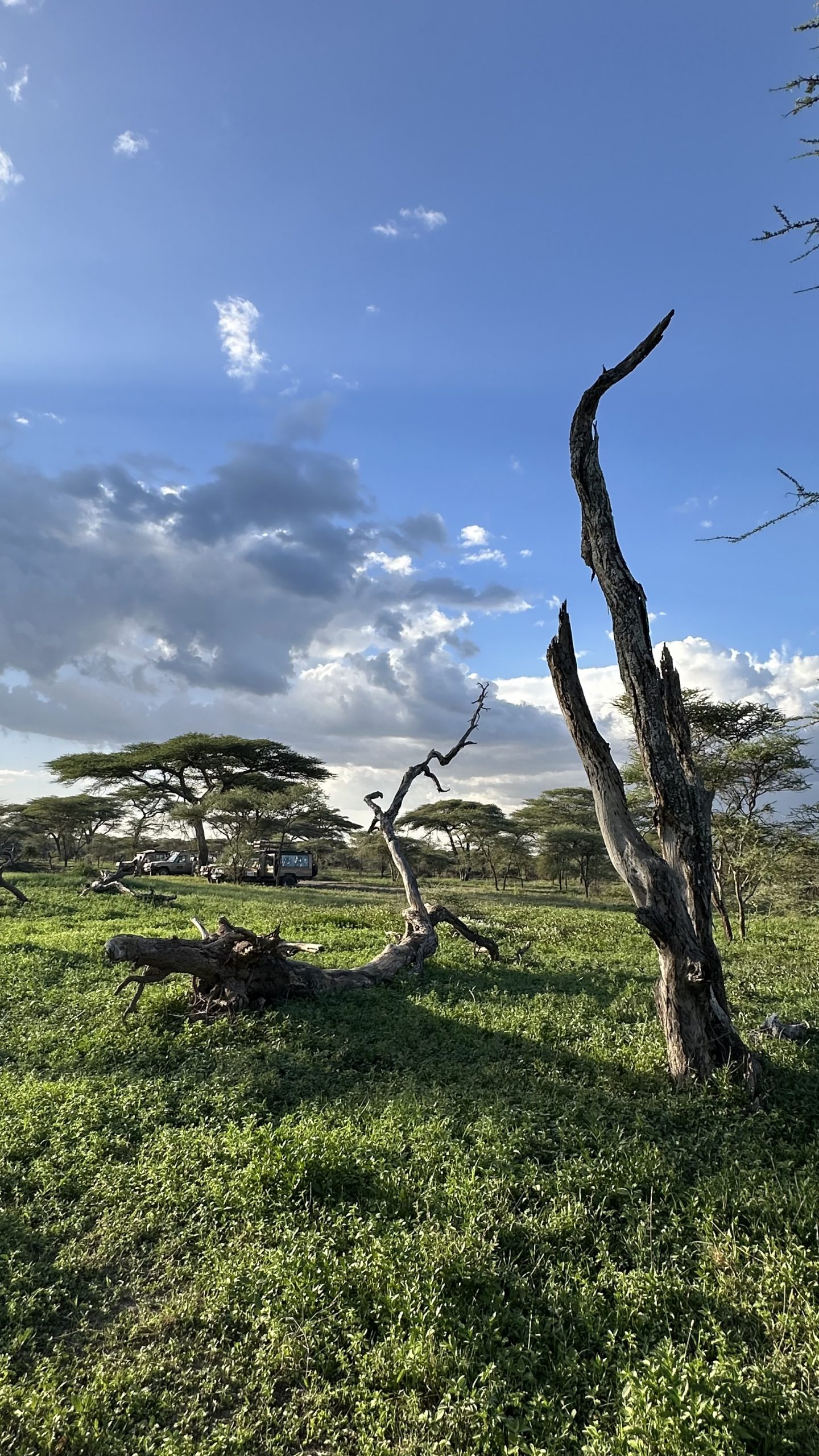
Between January and February, Ndutu becomes the nursery of the Great Migration. Around 400,000 wildebeest calves are born here every year, with an average of 8,000 births per day. Together with over a million zebras and gazelles, this creates one of the greatest wildlife spectacles on the planet.
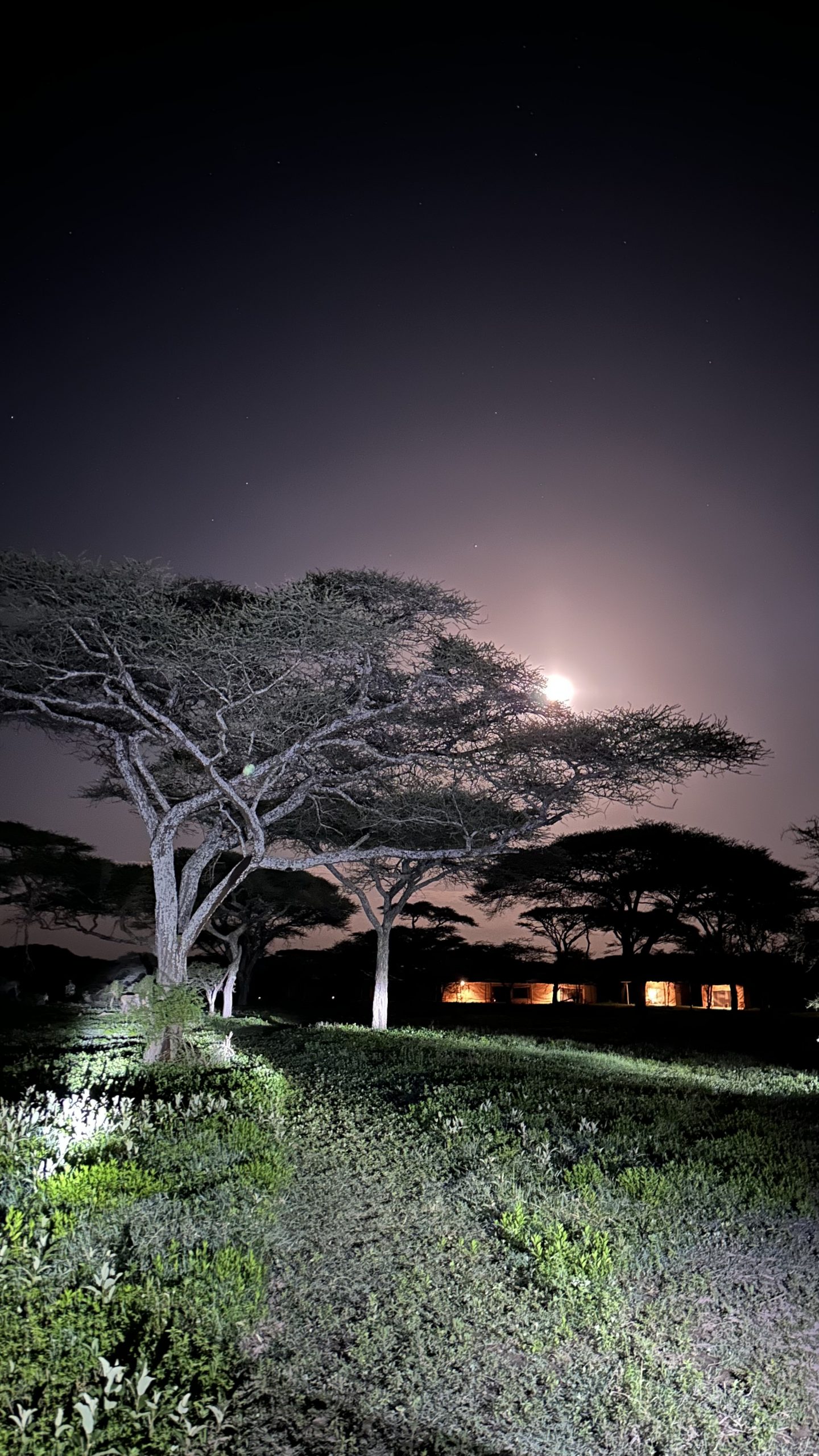
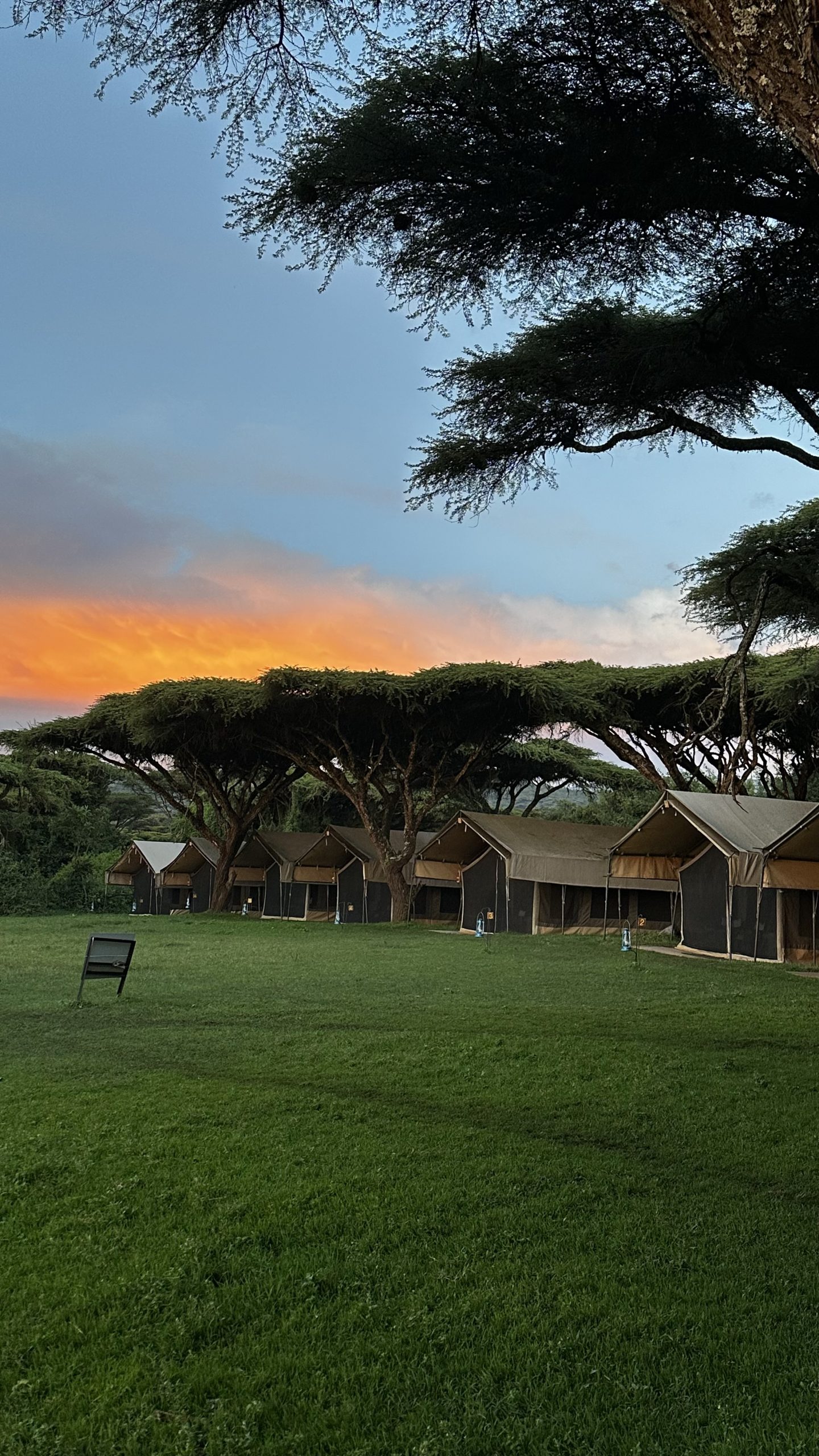
To be right in the middle of the action, we stayed for three nights at Olmorijo Ndutu Camp, a mobile tented lodge set up only for the calving season. The campsite has no fences — meaning wild animals can wander through at any time. And they did! Zebras and giraffes strolled right past our tents at night. Lying in bed and hearing lions roar in the distance made us feel closer to nature than ever before.
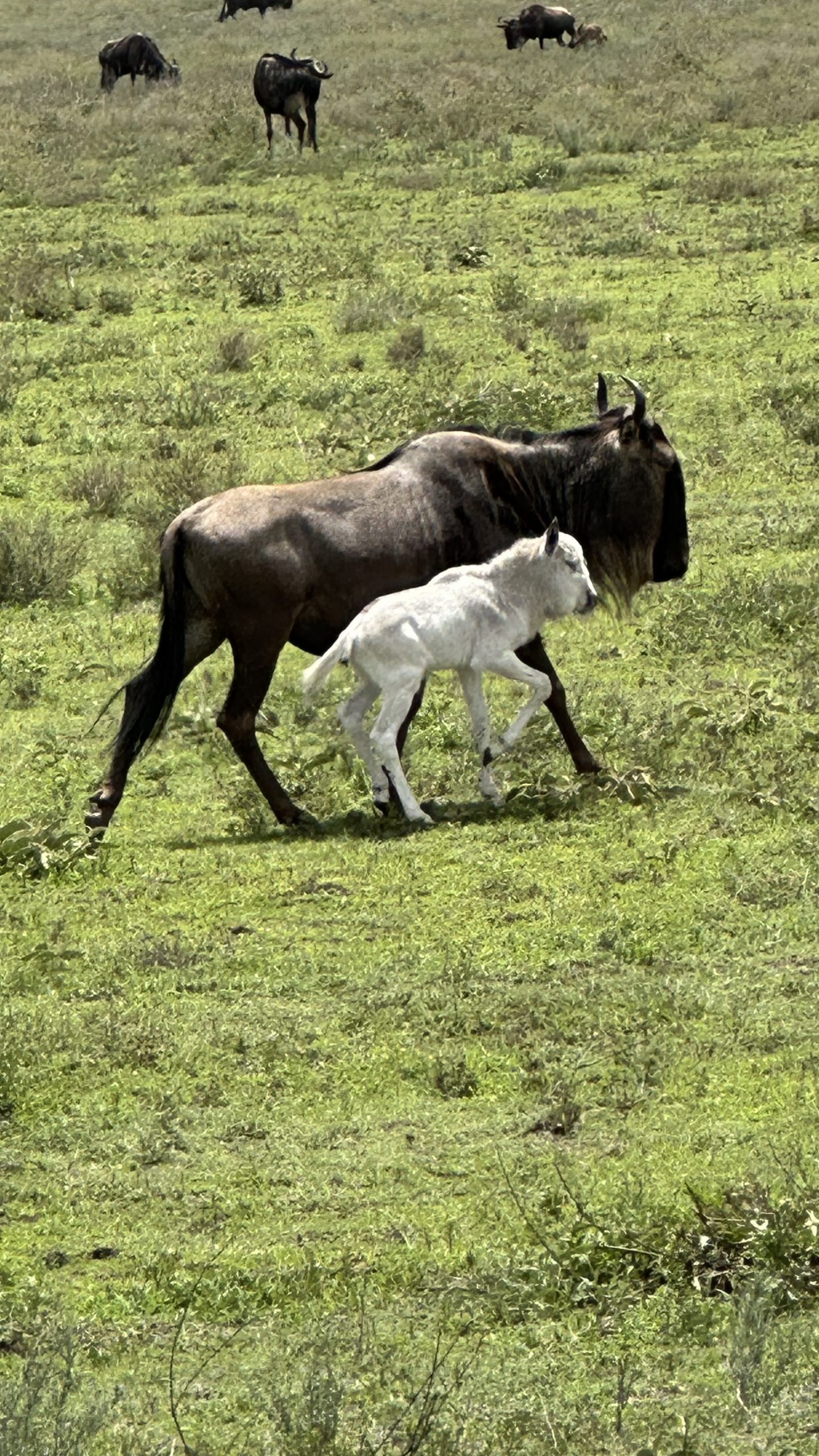
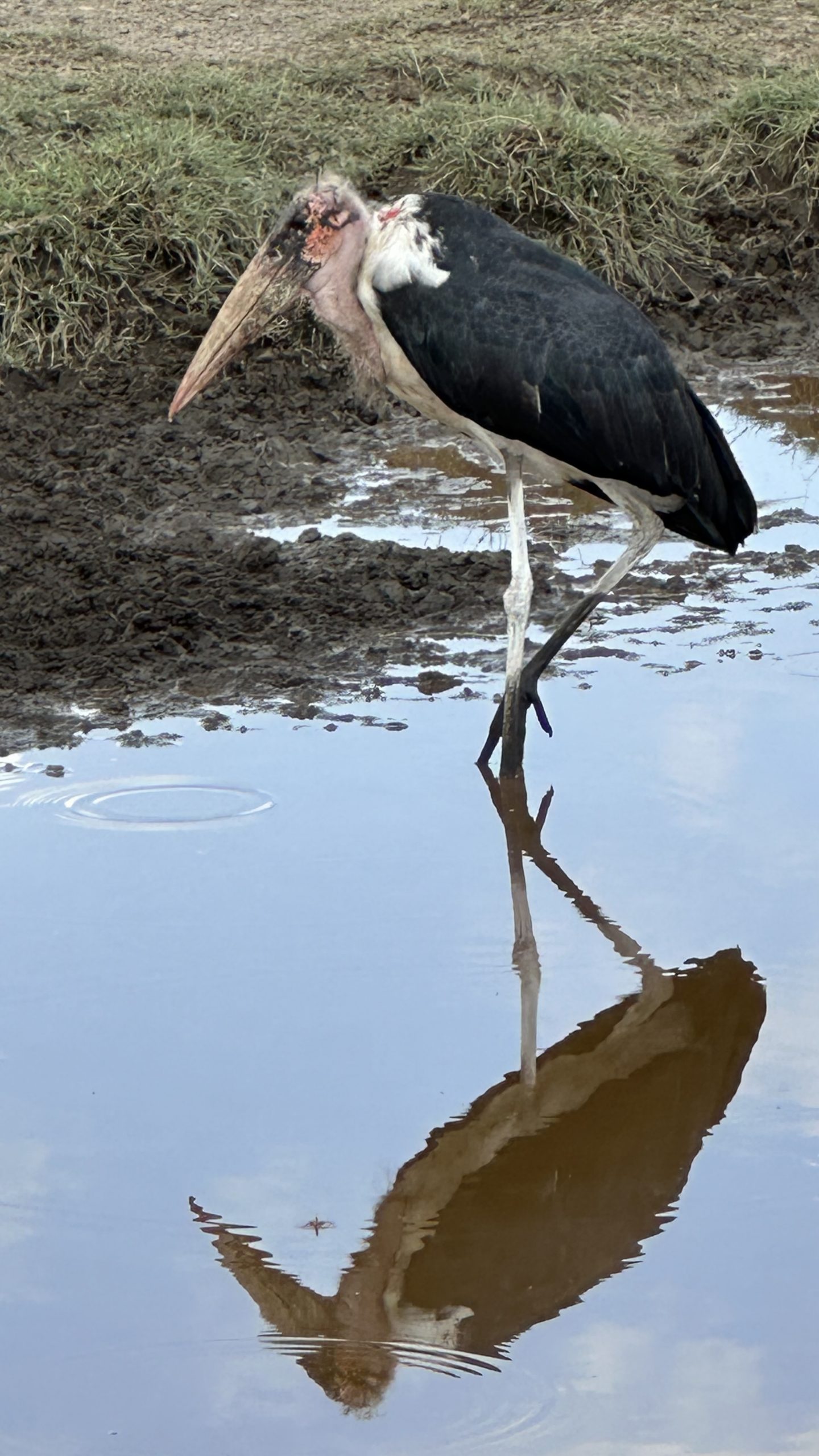
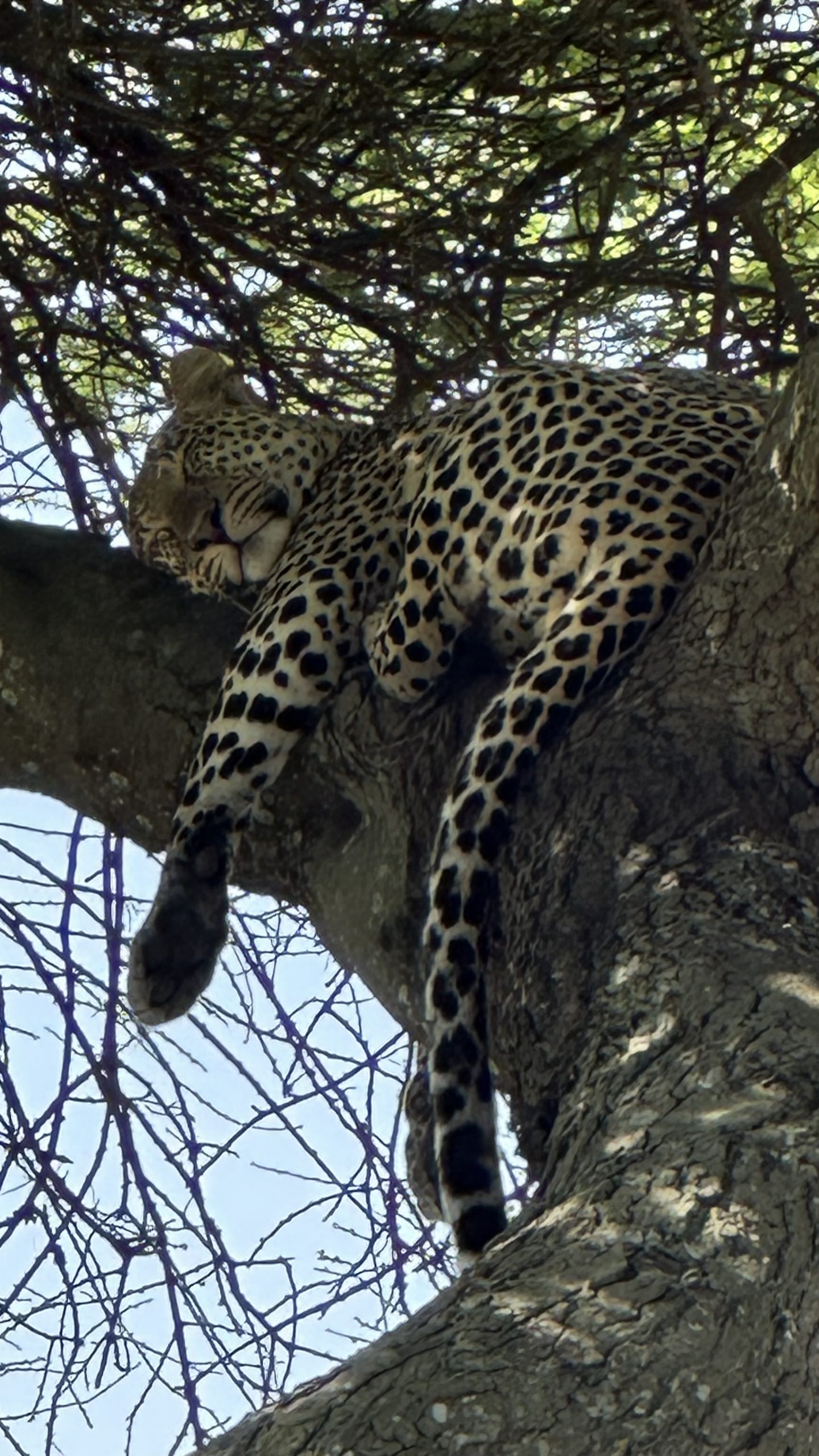
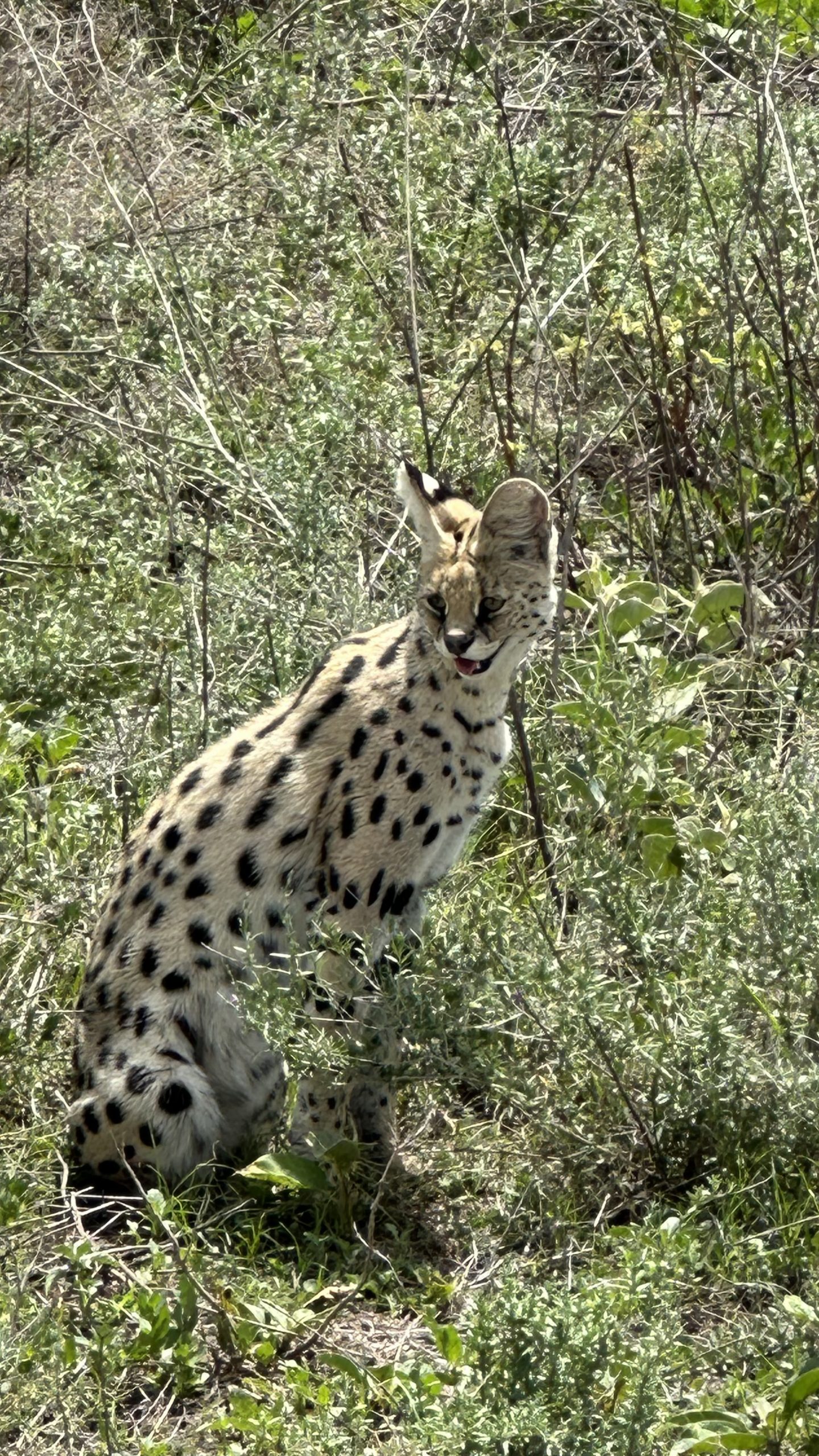
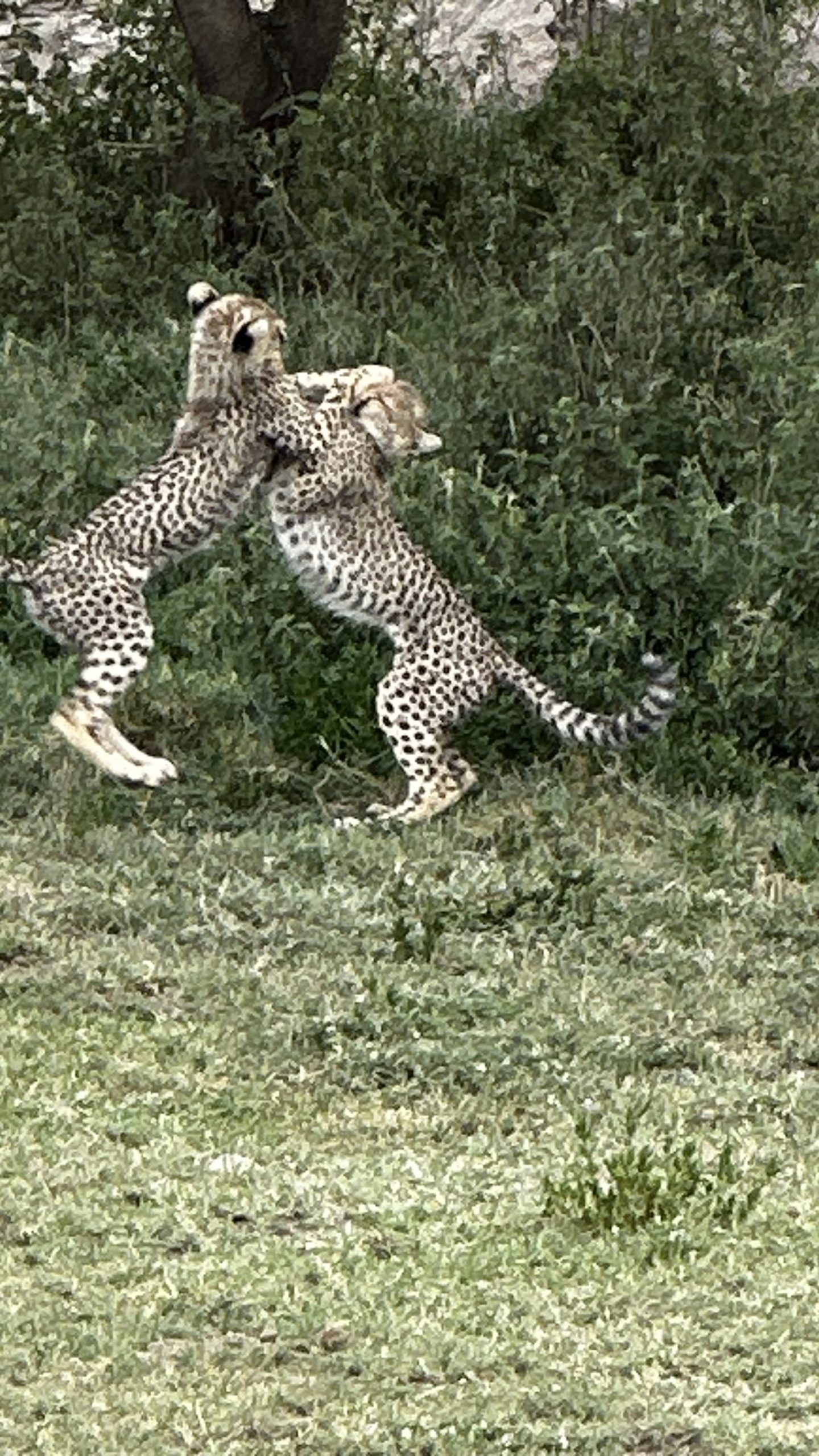
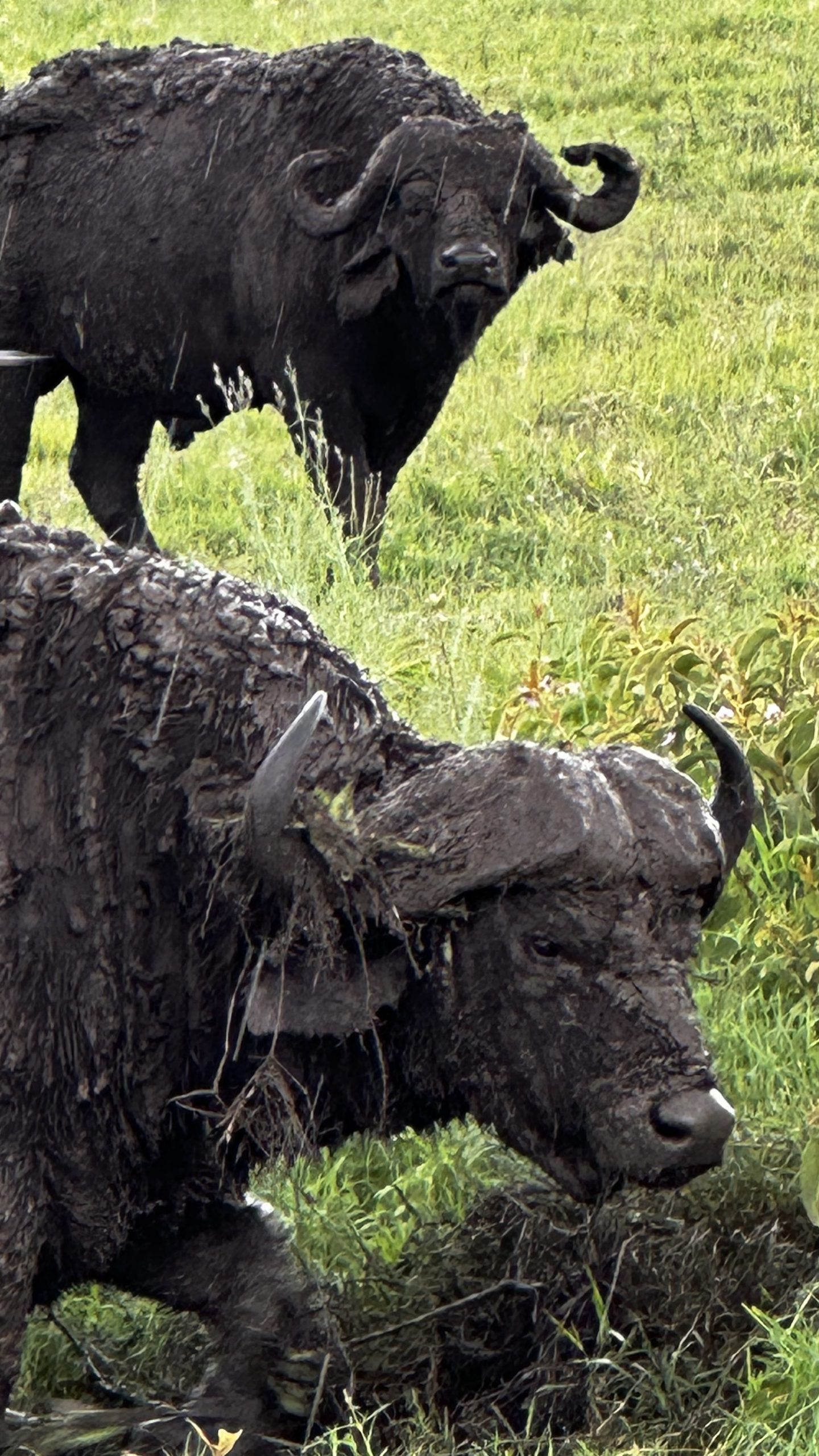
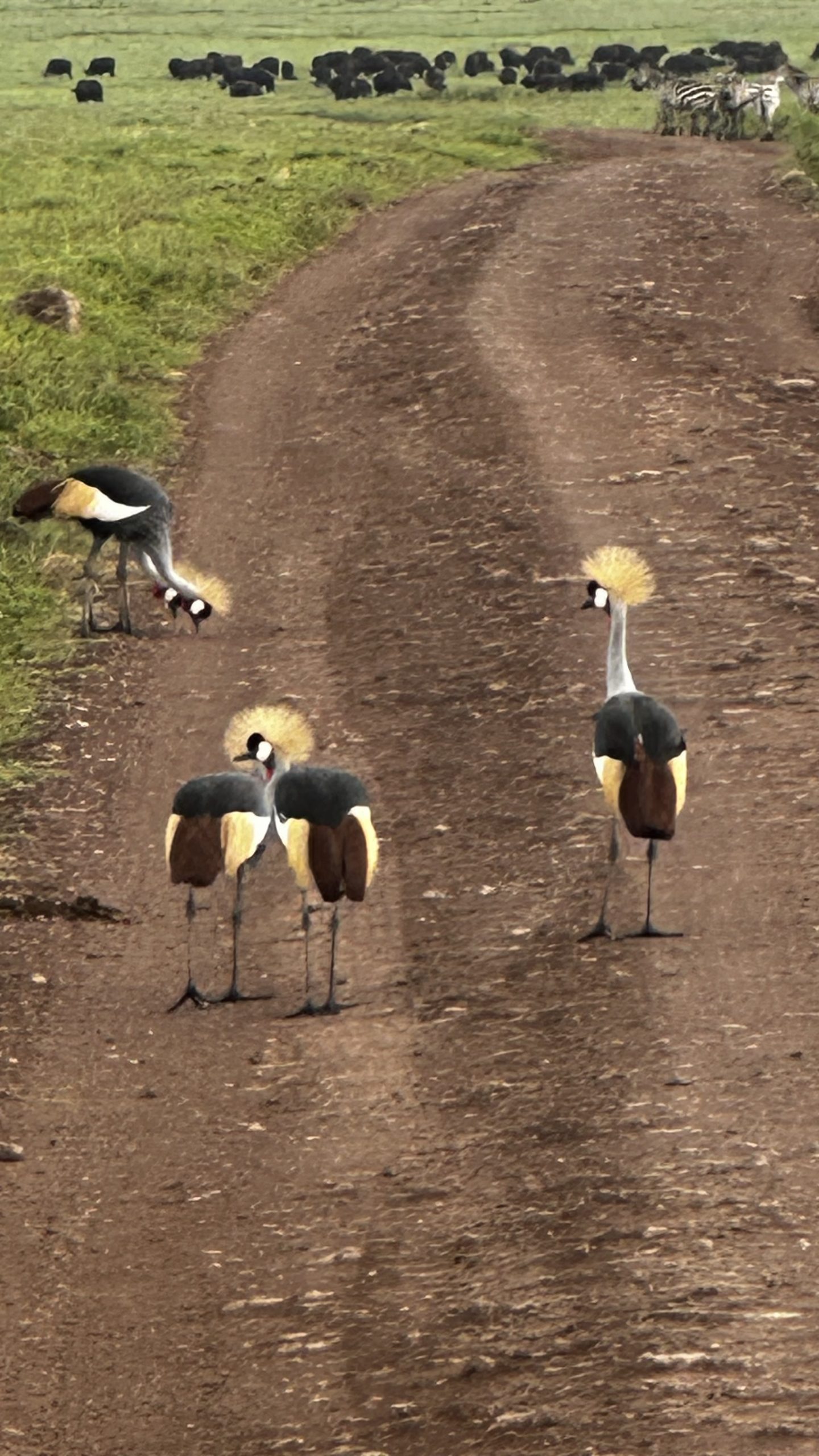
During our game drives, we saw four of the Big Five (buffalo, elephant, leopard, and lion) as well as the “Ugly Five” (marabou stork, vulture, hyena, warthog, and wildebeest). We spotted cheetahs, servals, countless zebras and gazelles — and even witnessed a pair of lions mating. Not to forget another amazing, if not unique, sight: a completely white albino wildebeest calf, maybe even the only one of 2.4 million wildebeest.
A pleasant surprise: hardly any mosquitoes, and only one brief encounter with annoying tse-tse flies.
Meeting the Maasai
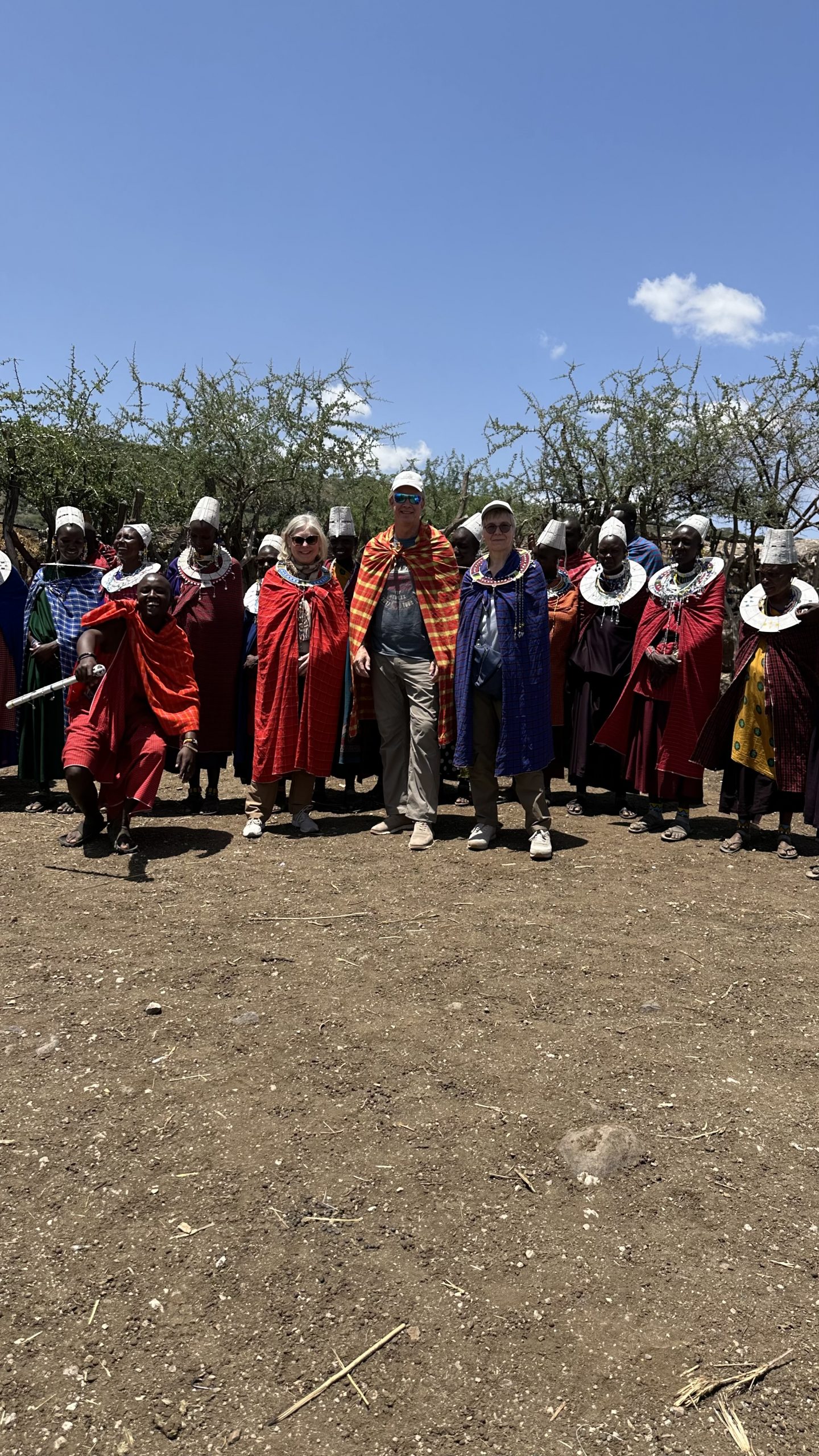
On the way to Ndutu, we visited a traditional Maasai village. We learned about their customs, cattle-centered lifestyle, and famous jumping competitions. Tina and I were invited to join in — let’s just say enthusiasm was higher than our jumping skills!
Fun Facts about the Maasai:
- Maasai warriors are known as “Moran” and traditionally protect their community and livestock.
- The color red in Maasai clothing symbolizes bravery and unity.
- Cattle are considered more valuable than money — wealth is measured in cows.
- The traditional jumping dance is called “Adumu.” The highest jumpers are considered the strongest warriors. It’s not only a display of strength but also a way to impress potential brides — the higher you jump, the cooler you are!
- The Maasai drink a traditional mix of milk and cow blood as a high-energy drink.
Serengeti National Park – The Heart of Safari
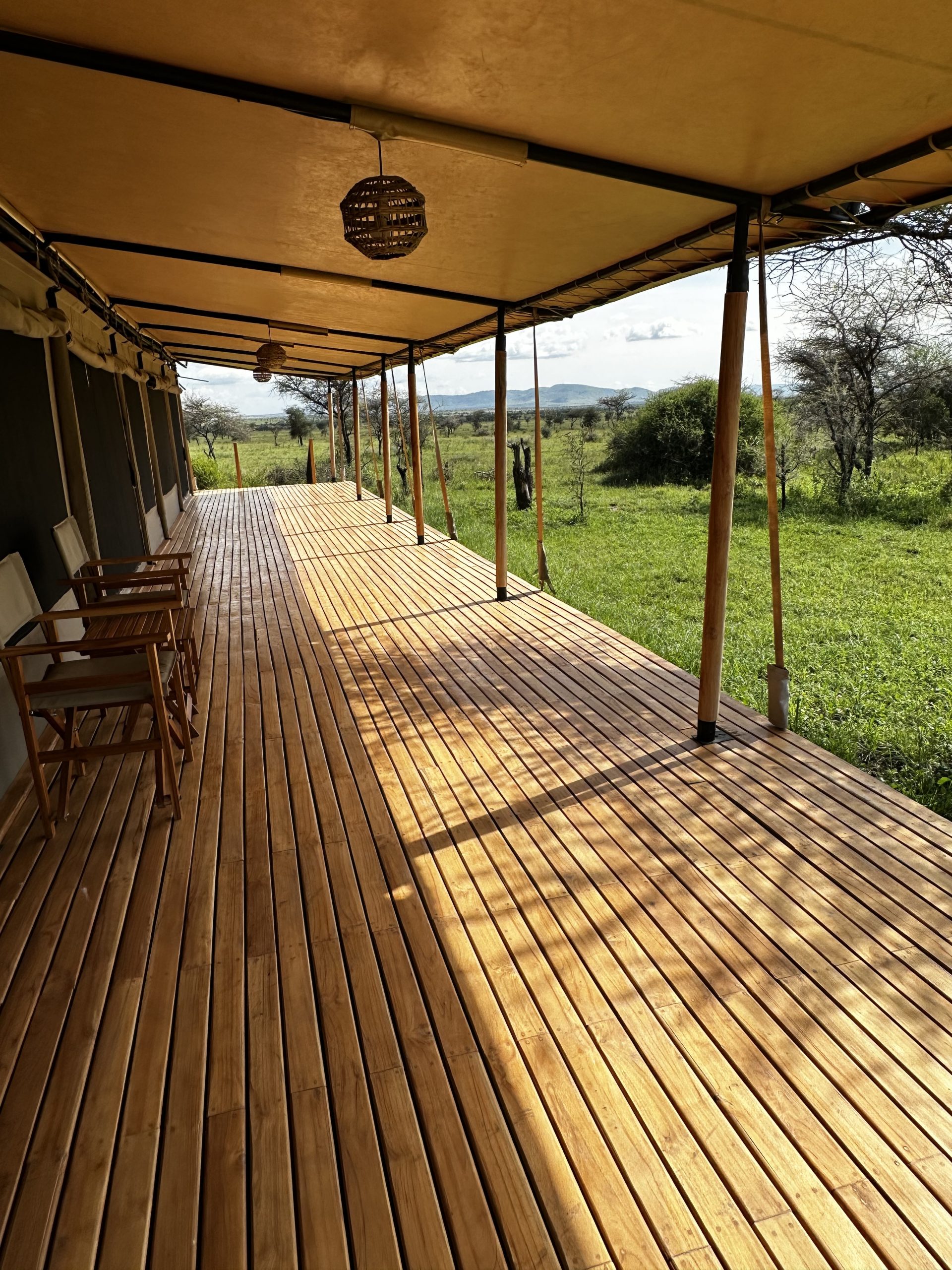
We spent two nights at Manya Luxury Camp, a beautiful permanent tented lodge with spacious rooms and wooden porches overlooking the wilderness. From our veranda we spotted dik-diks, buffalo, as well as ostriches. Only upon check-out did we learn that lions and cheetahs regularly roam the campsite at night — which explained why we were always escorted after dark when walking to and from the restaurant tent!
The Serengeti delivered unforgettable moments:
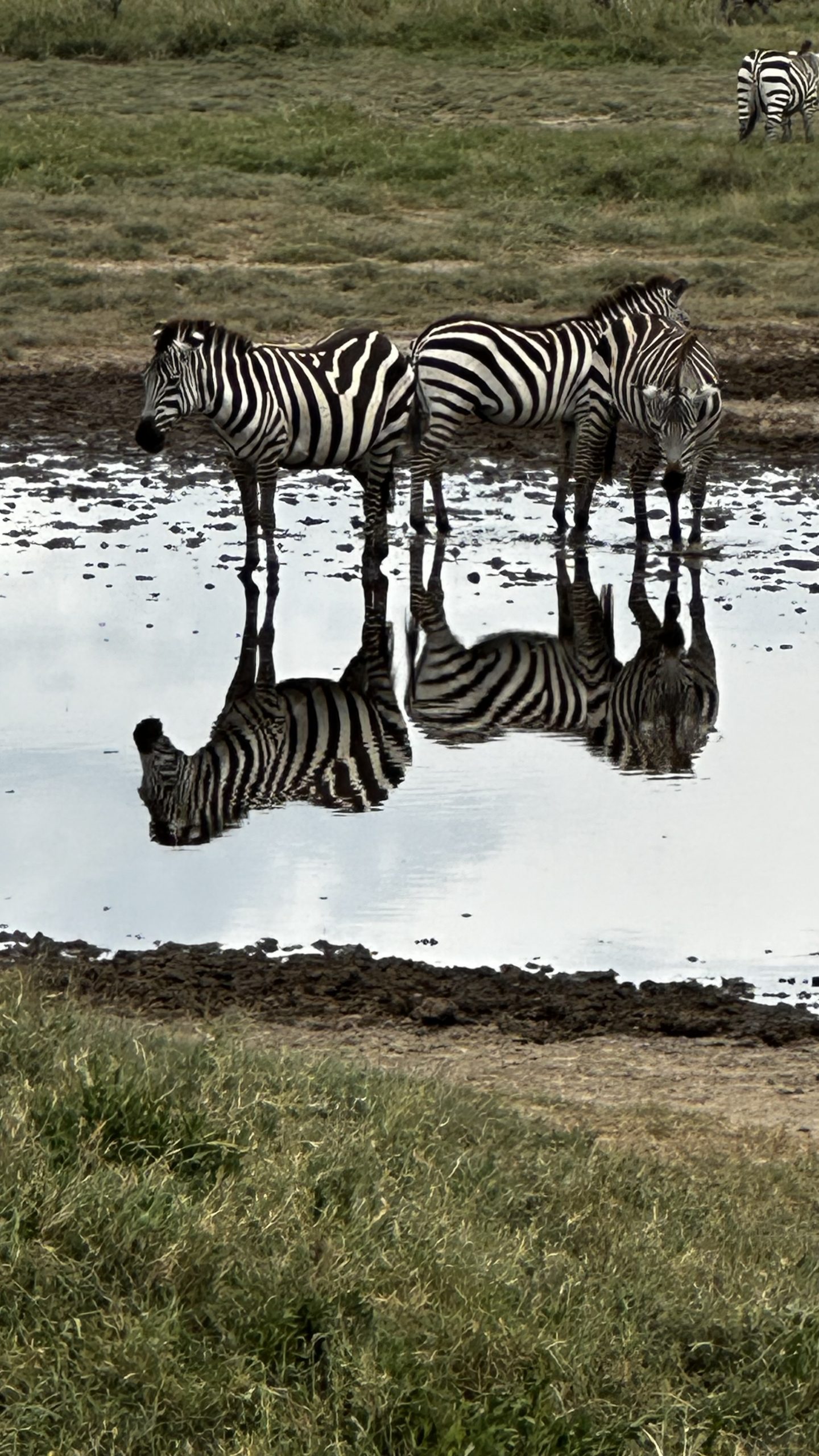
- Thousands of zebras moving like a black-and-white ocean
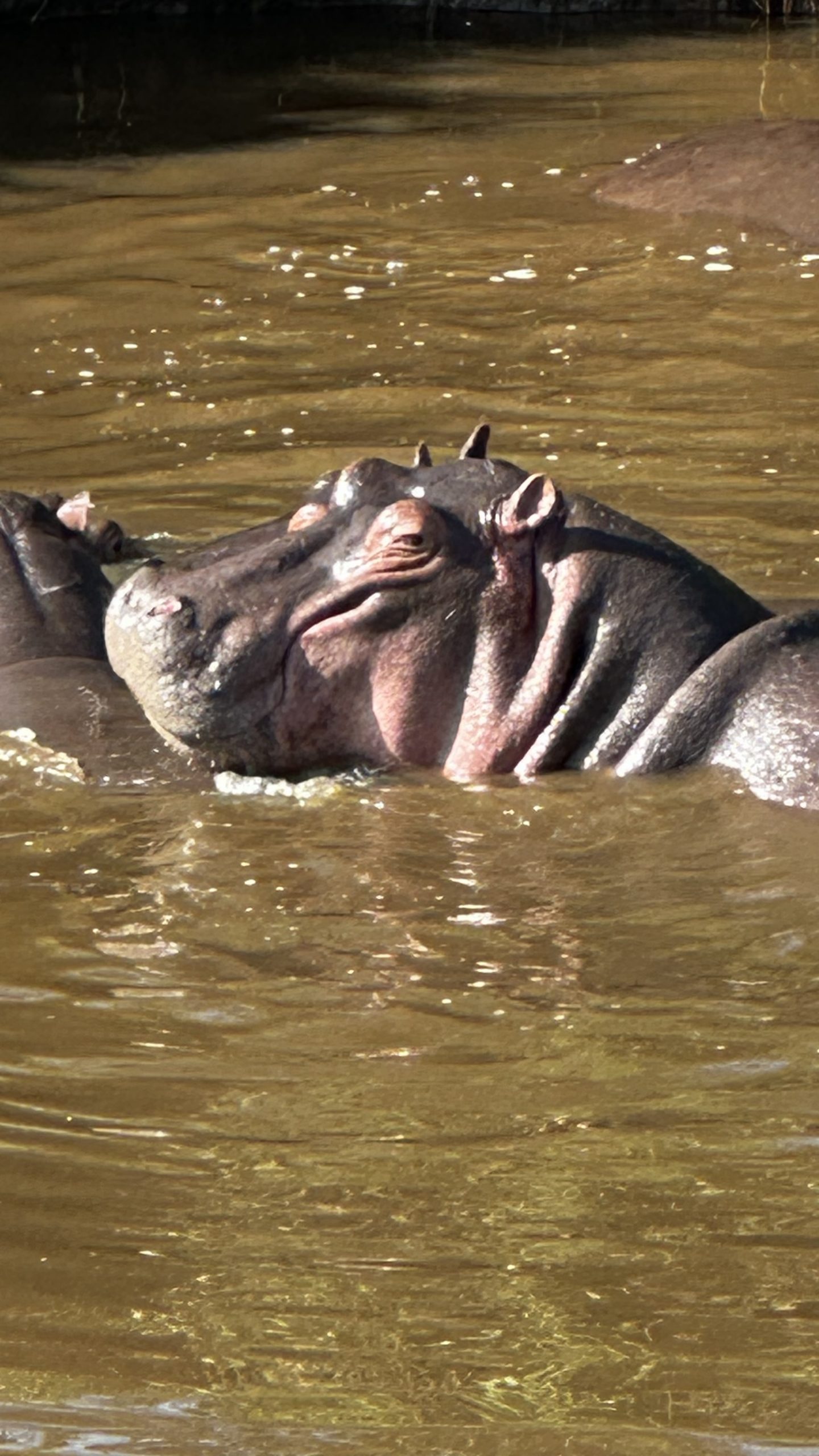
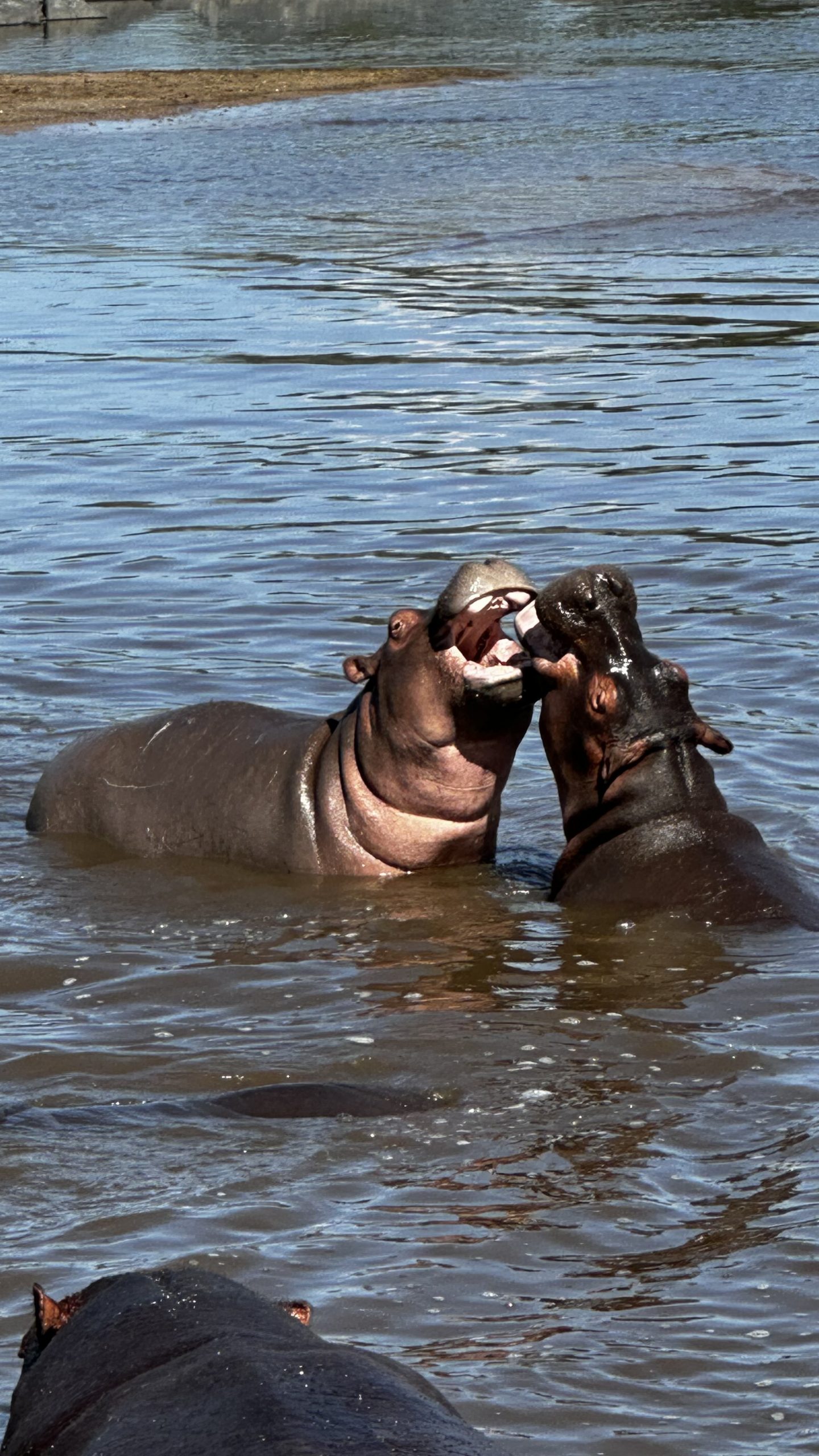
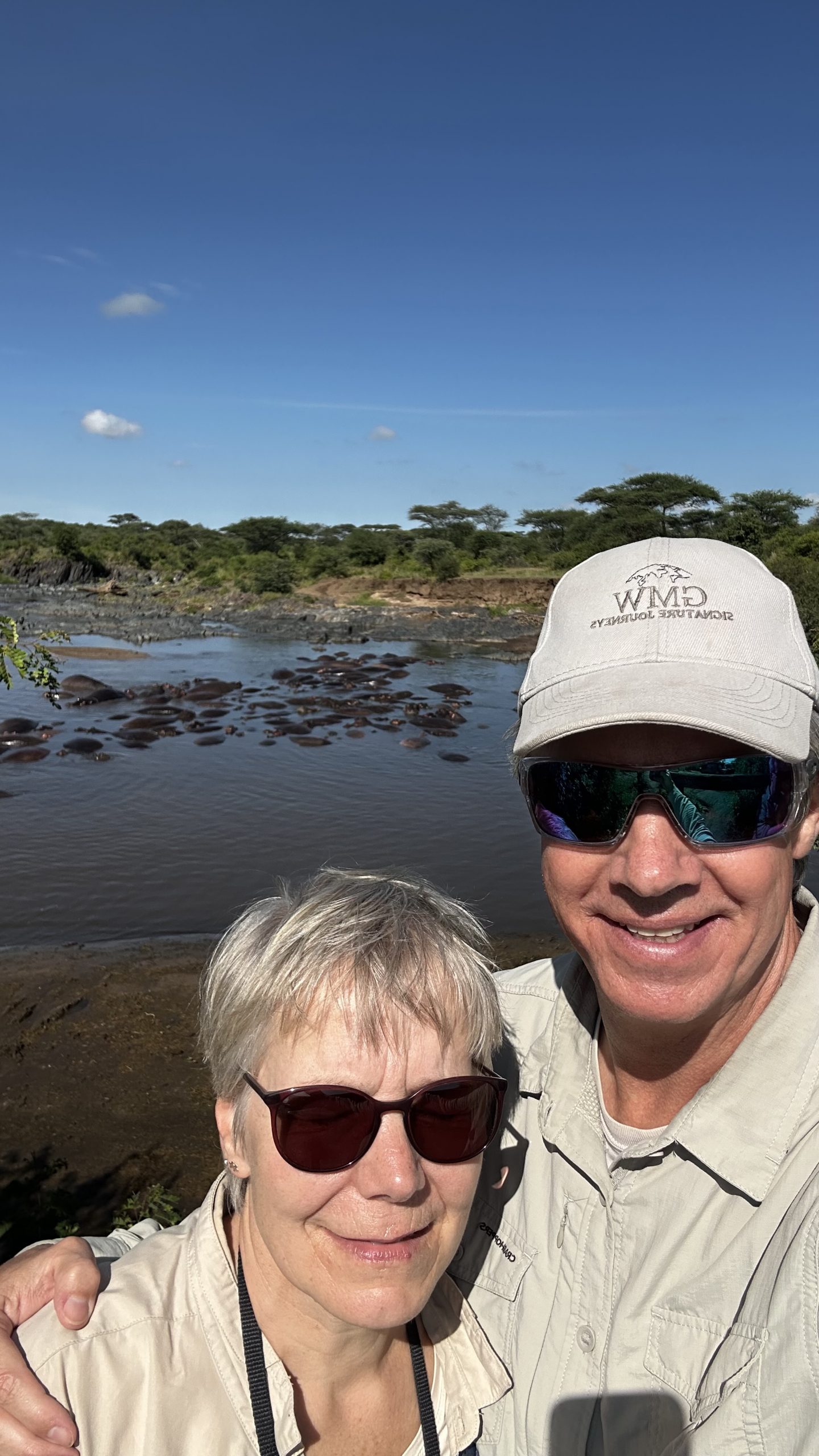
- Massive hippo pools
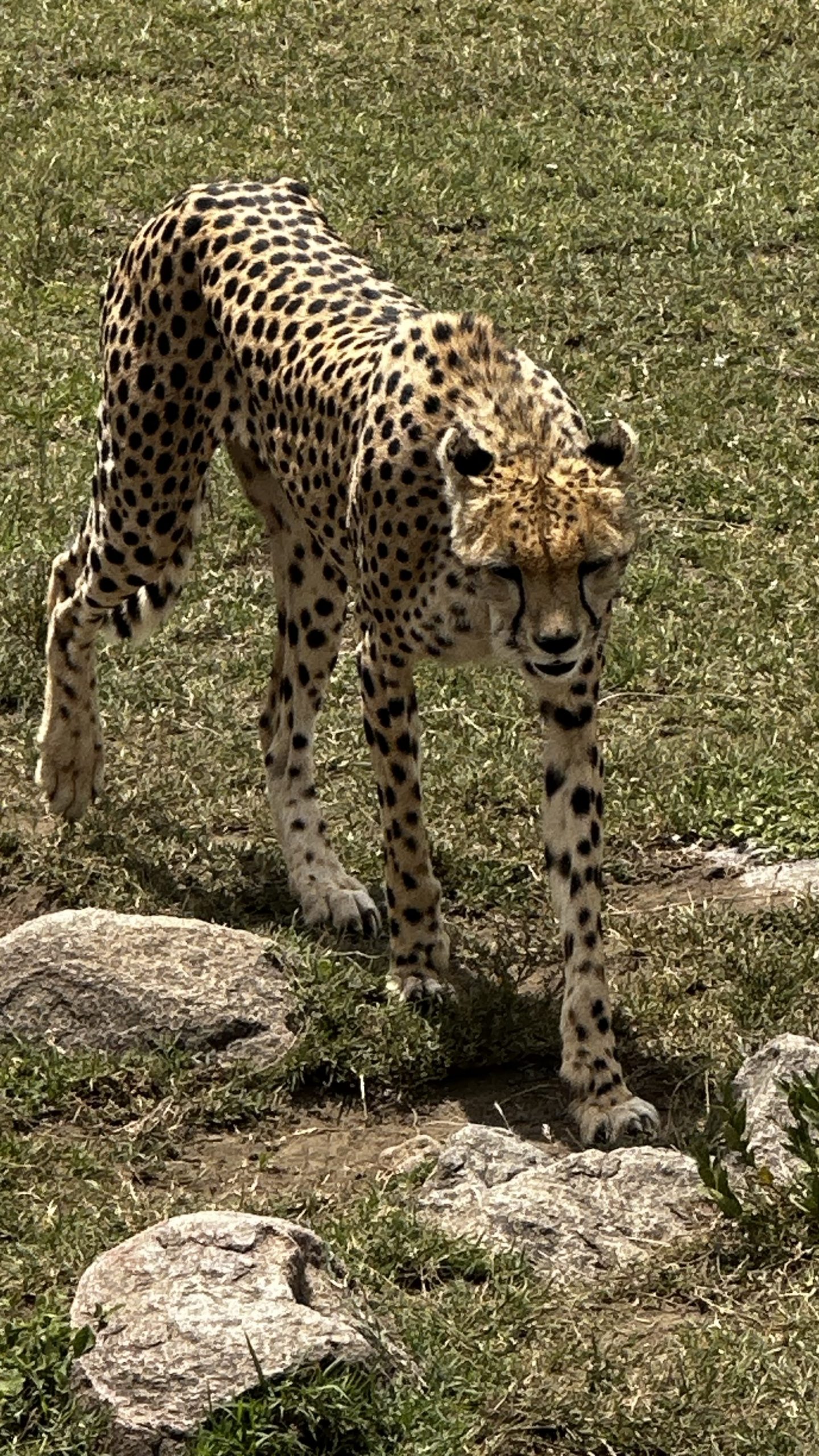
- A cheetah mother playing with her cubs
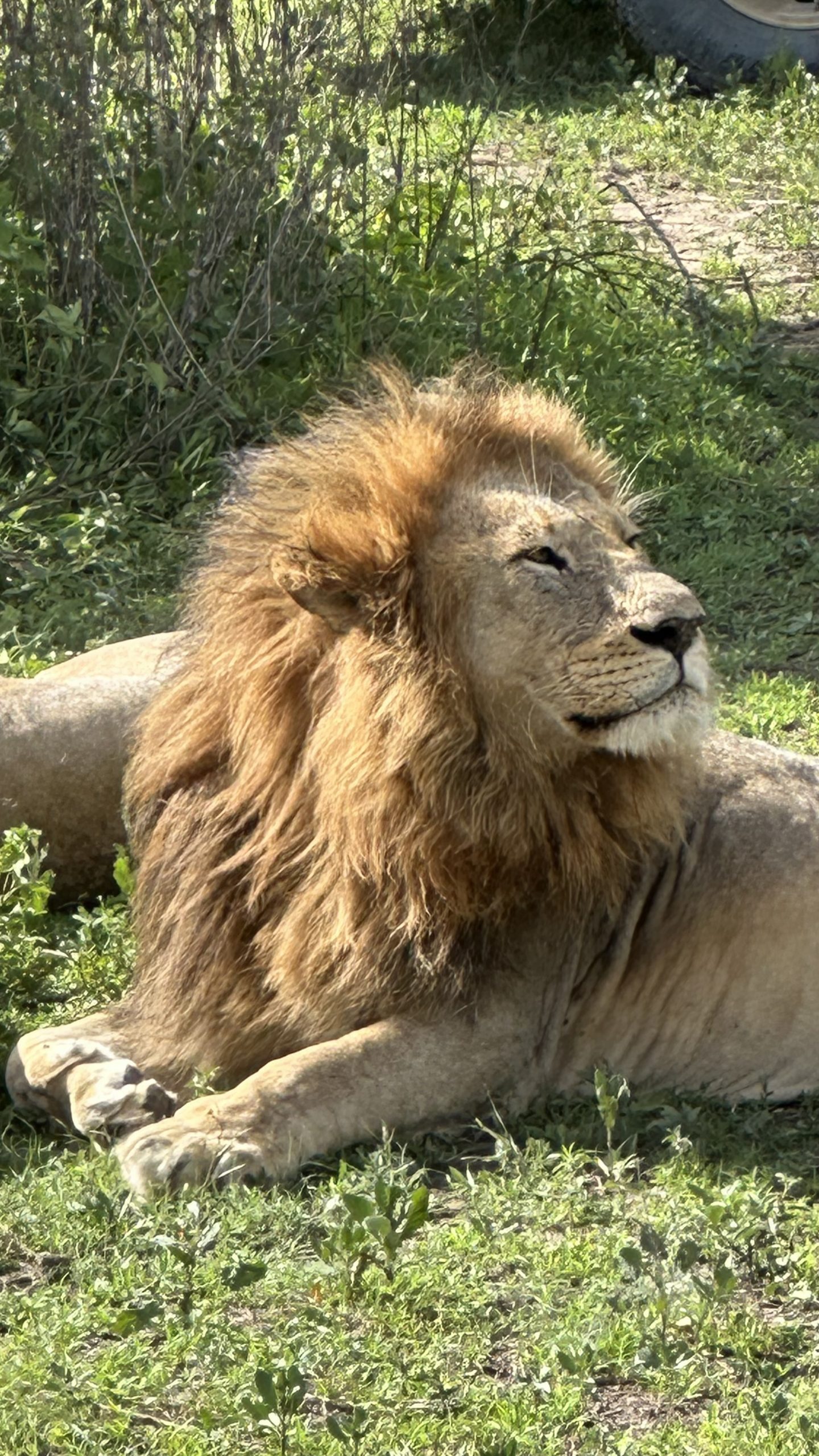
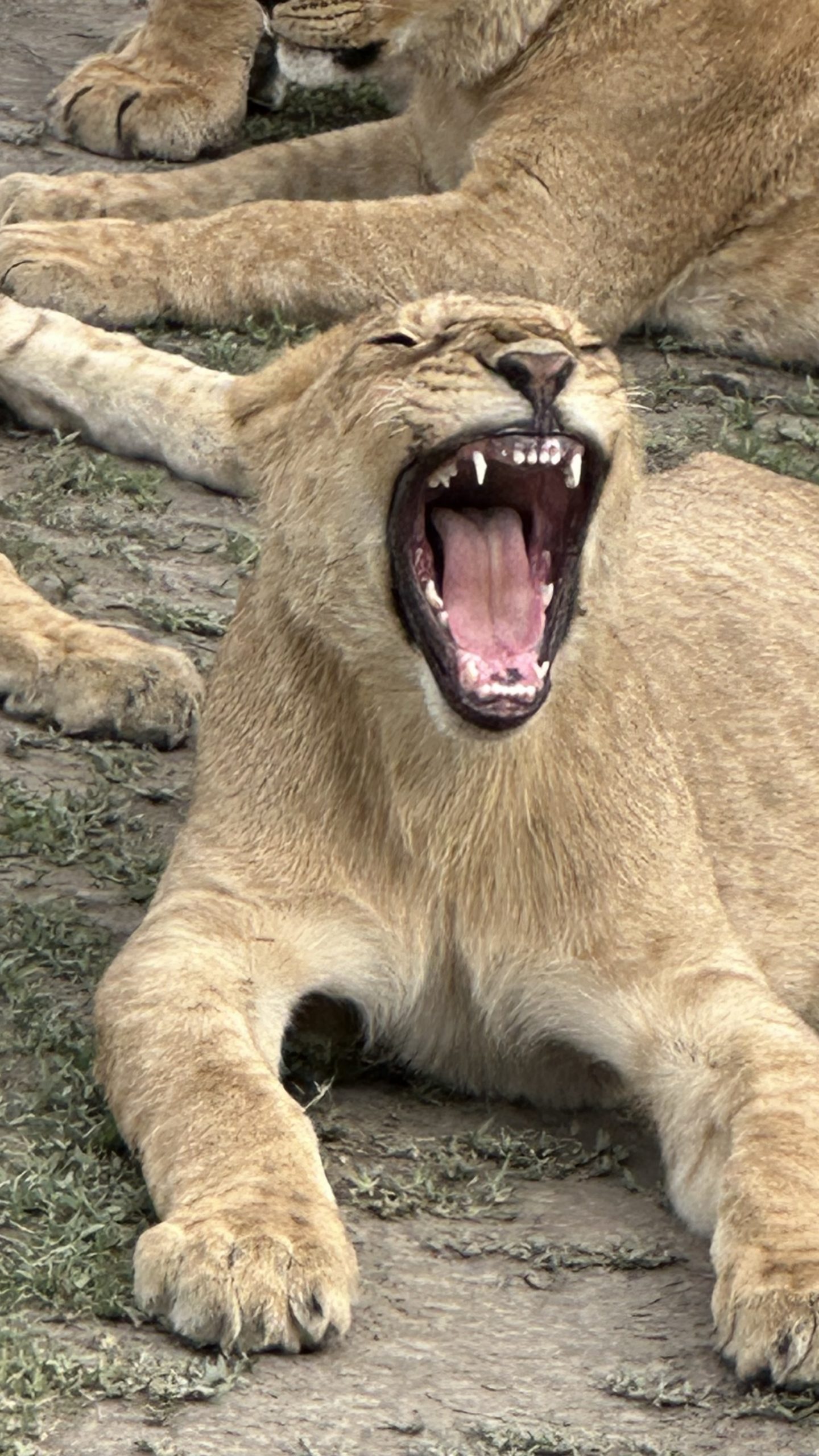
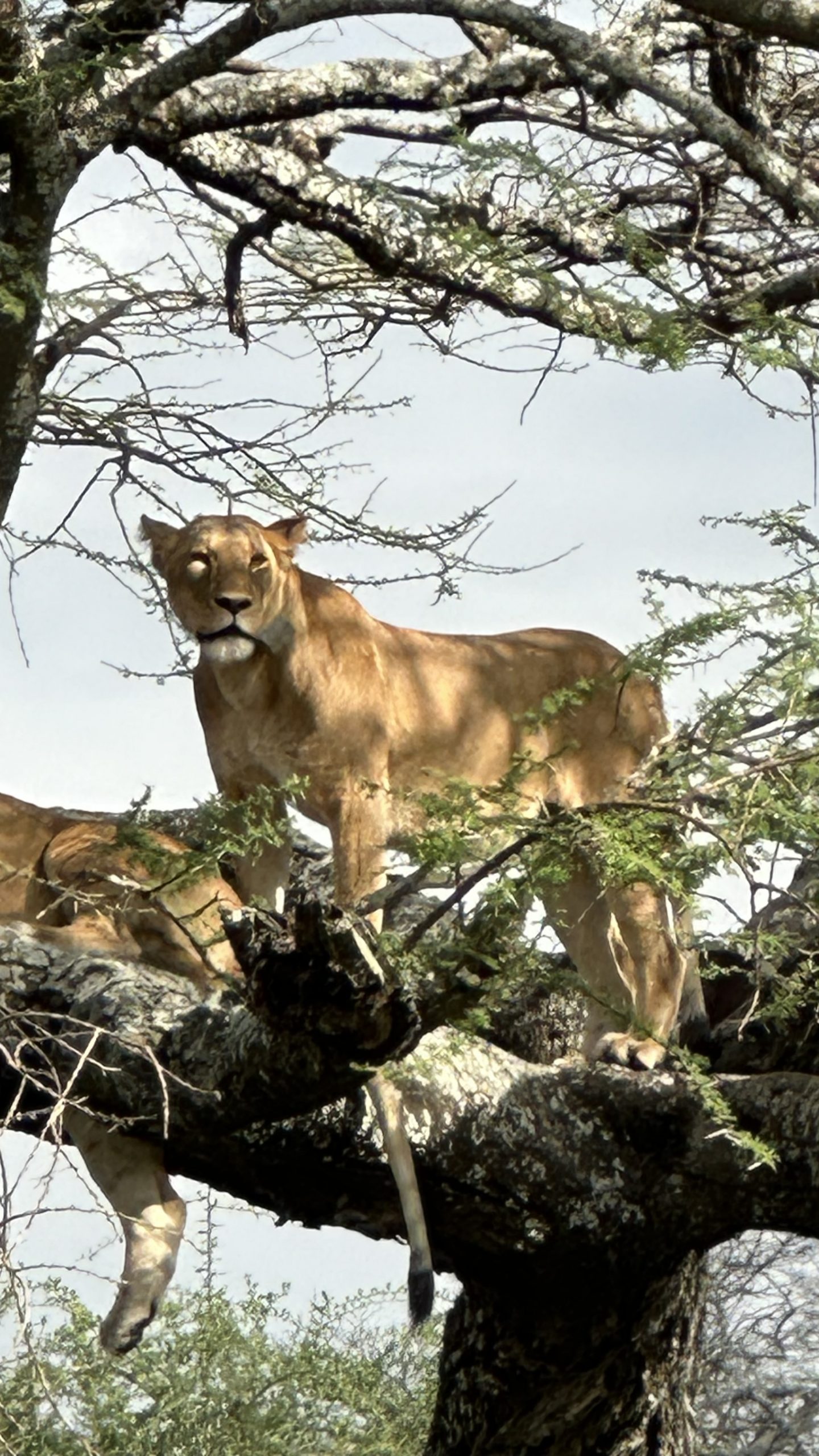
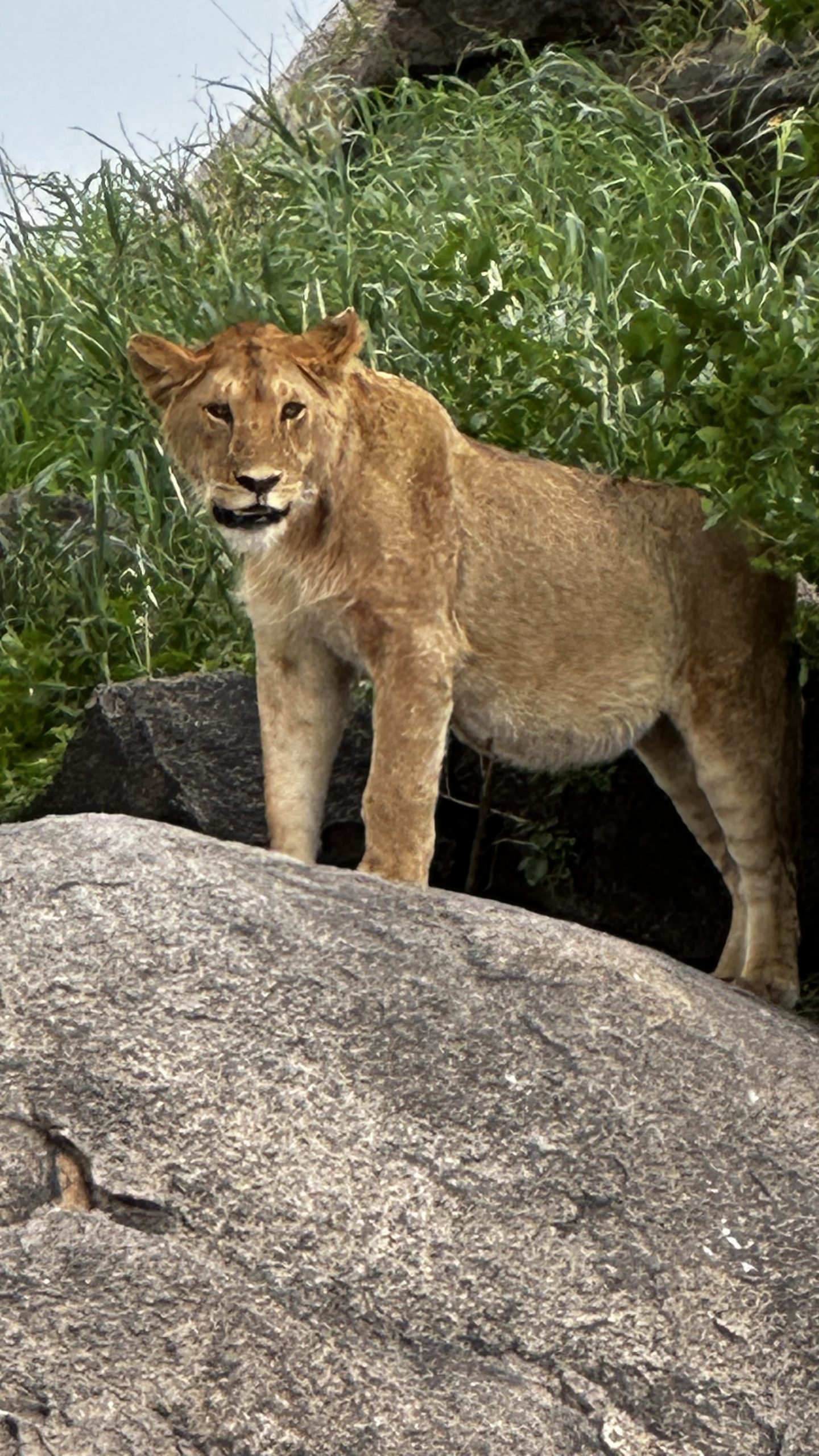
- Lions relaxing right next to our vehicle
One afternoon, a heavy rainstorm turned the roads into muddy rivers. We watched another safari car slide into a ditch (luckily without injuries) and one couple´s car got stuck in the mud for some 7 hours. Safari life is always full of surprises but we made it back to the campsite without any harm and only a slight delay. It pays off to pick a good driver!
Fun Facts about the Serengeti:
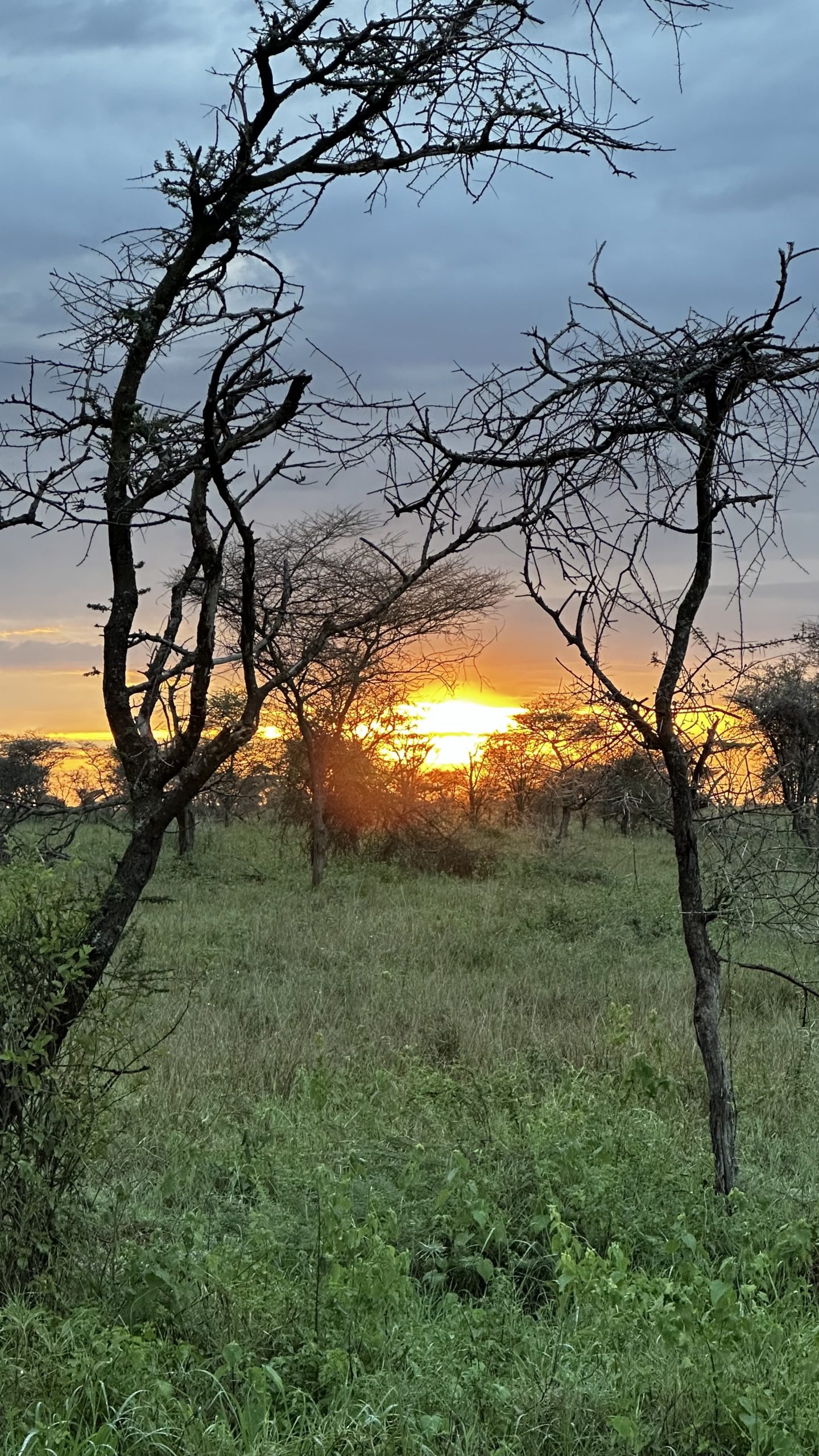
- The name “Serengeti” comes from the Maasai word Siringet, meaning “endless plains.”
- The Serengeti is home to the largest land animal migration on earth.
- A cheetah can accelerate faster than a Formula 1 car.
- Hippos are responsible for more human fatalities in Africa than lions.
Ngorongoro Crater – A World of Its Own
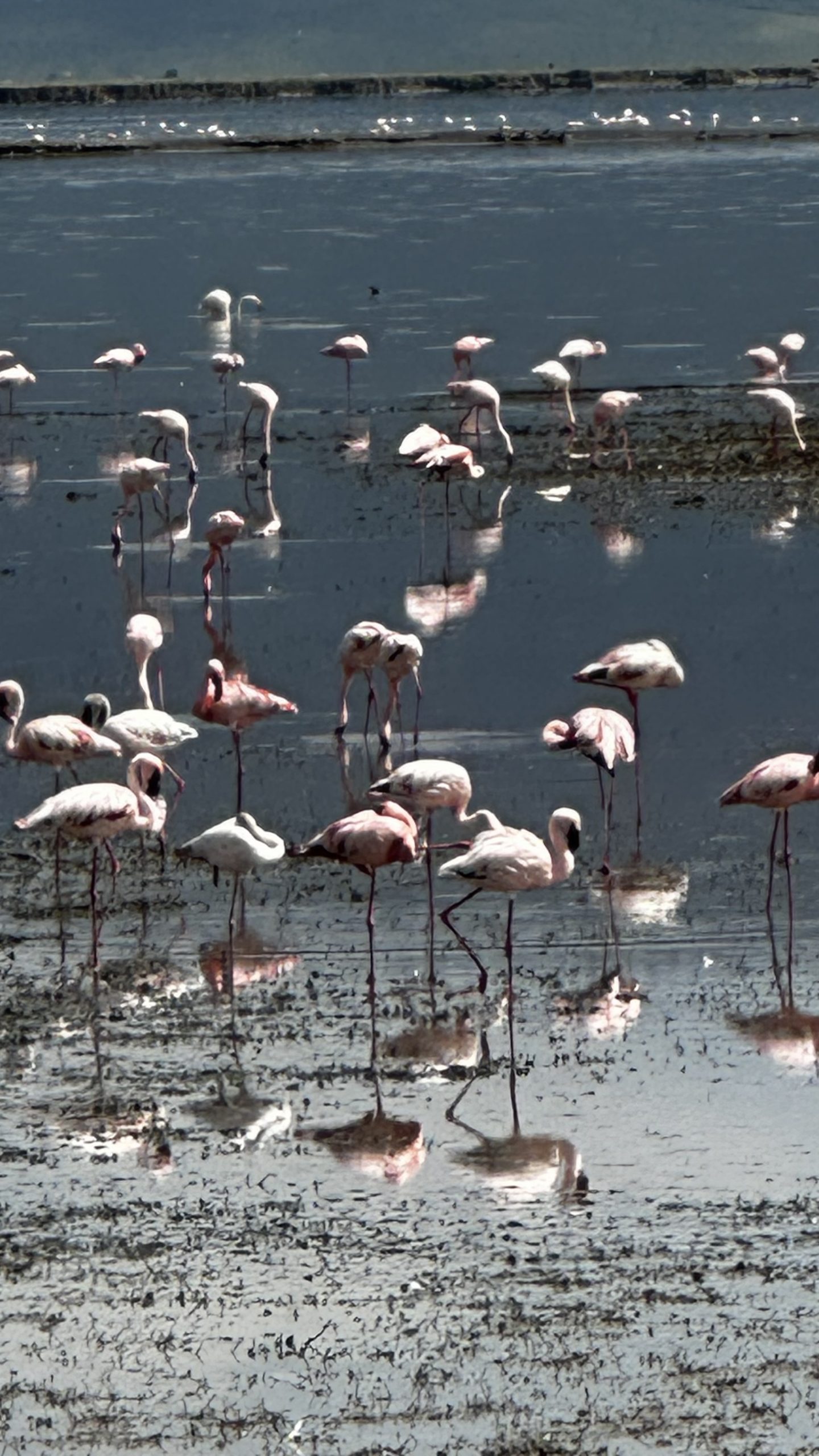
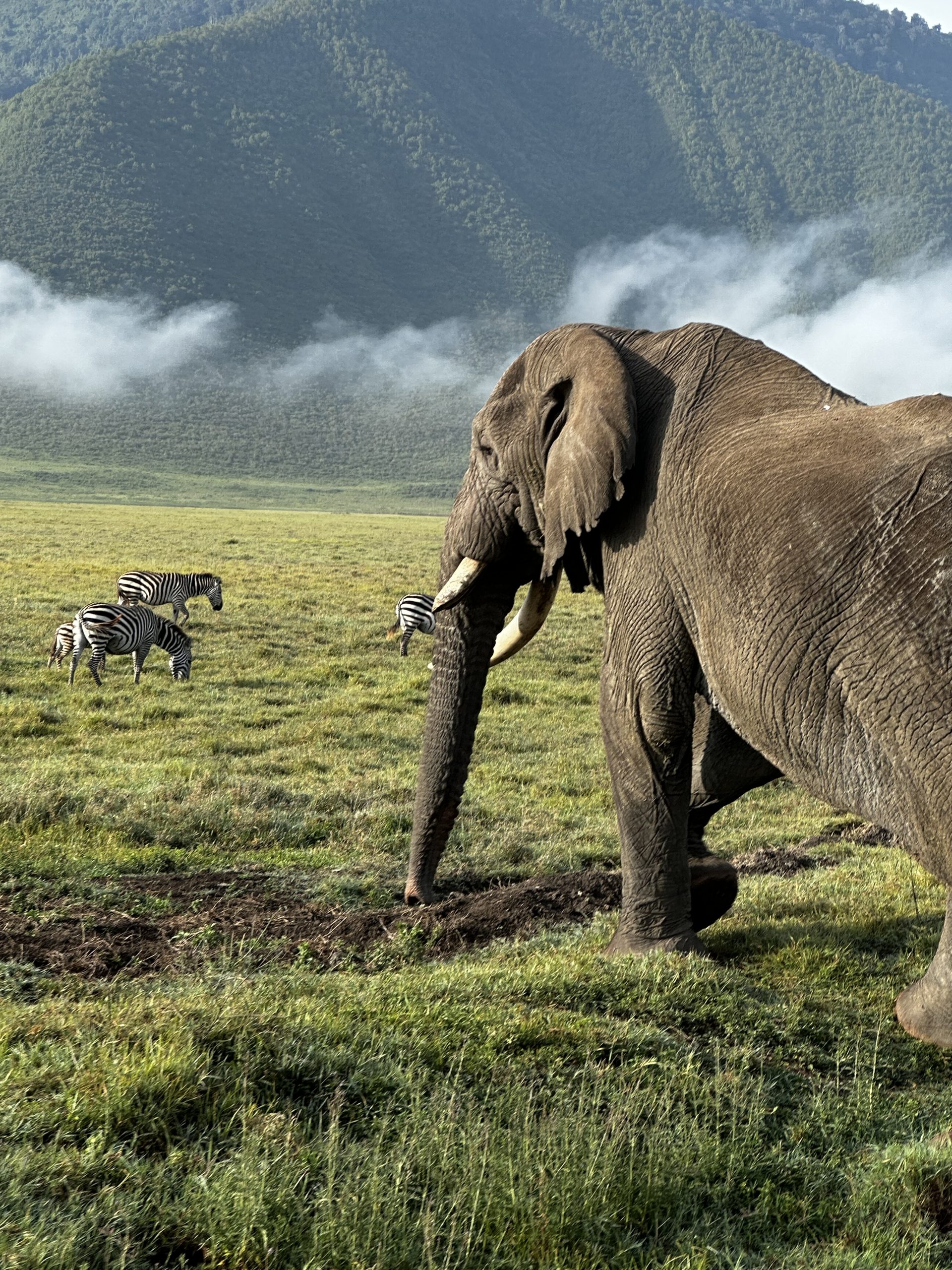
Descending into the 19-kilometer-wide caldera felt like entering a natural amphitheater filled with wildlife. Here we finally saw rhinos along with flamingos, buffalo, and countless other animals – all within a breathtaking 360° scenery.
But the most breathtaking aspect was the landscape itself: a complete ecosystem enclosed by towering crater walls. Few places on Earth offer such a concentrated and dramatic safari experience.
Fun Facts – Ngorongoro Crater
- The Ngorongoro Crater is the world’s largest intact and unfilled volcanic caldera.
- It was formed around 2–3 million years ago when a massive volcano collapsed.
- The crater floor covers about 260 square kilometers and is home to more than 25,000 large animals.
- It is one of the best places in Africa to spot the endangered black rhino.
- Because of its natural enclosure, wildlife stays inside the crater year-round, creating an exceptionally dense ecosystem.
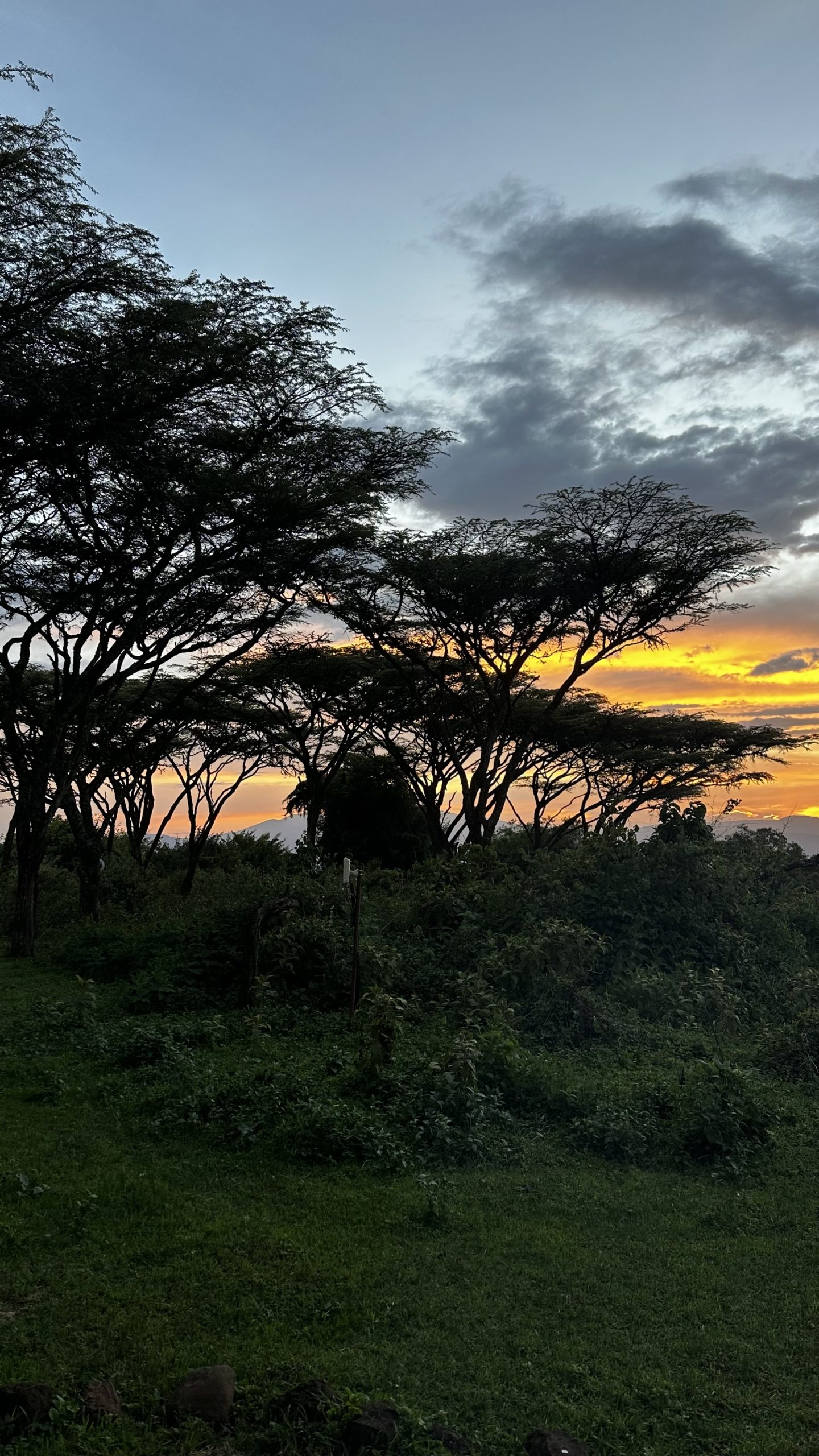
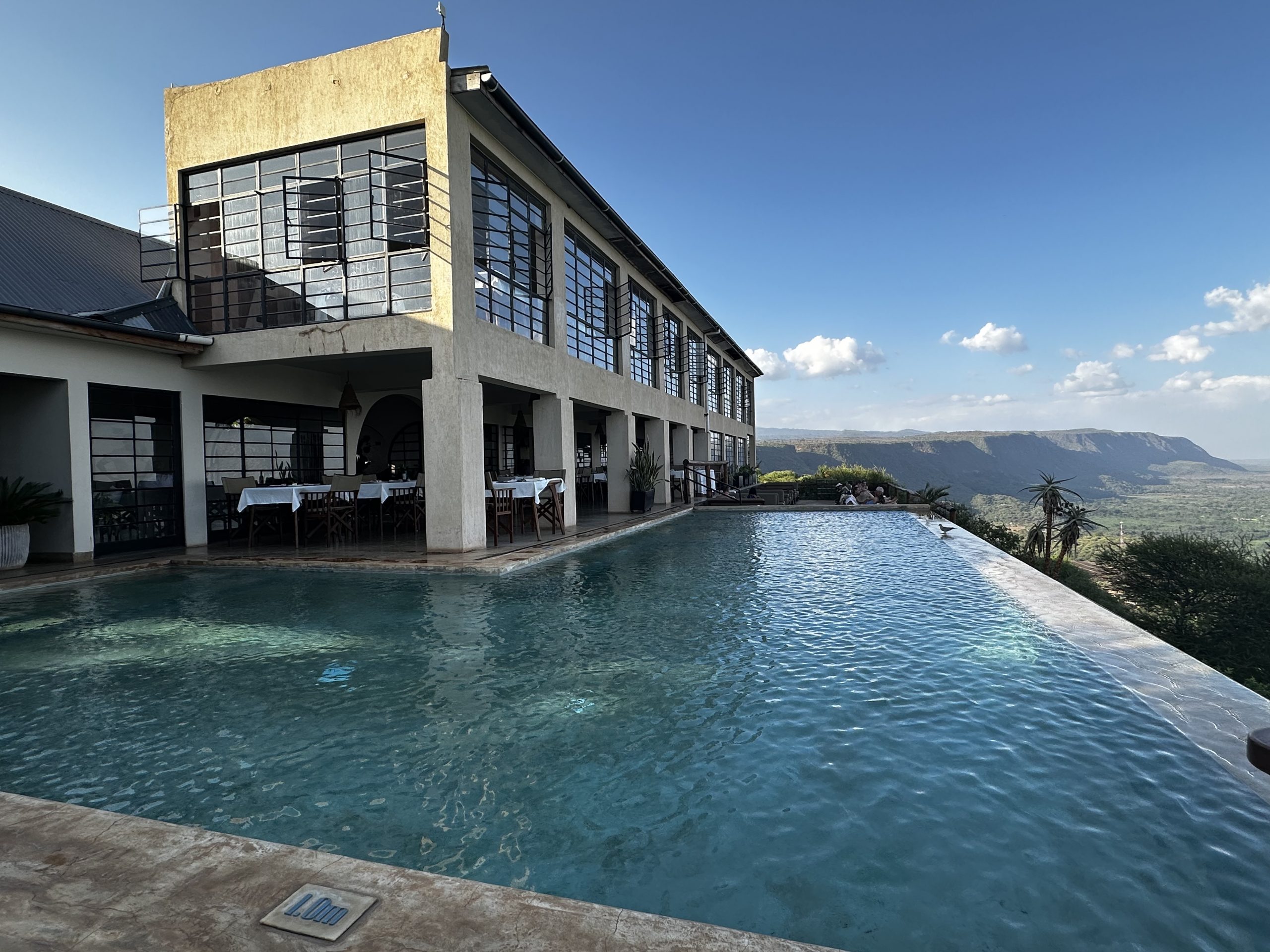
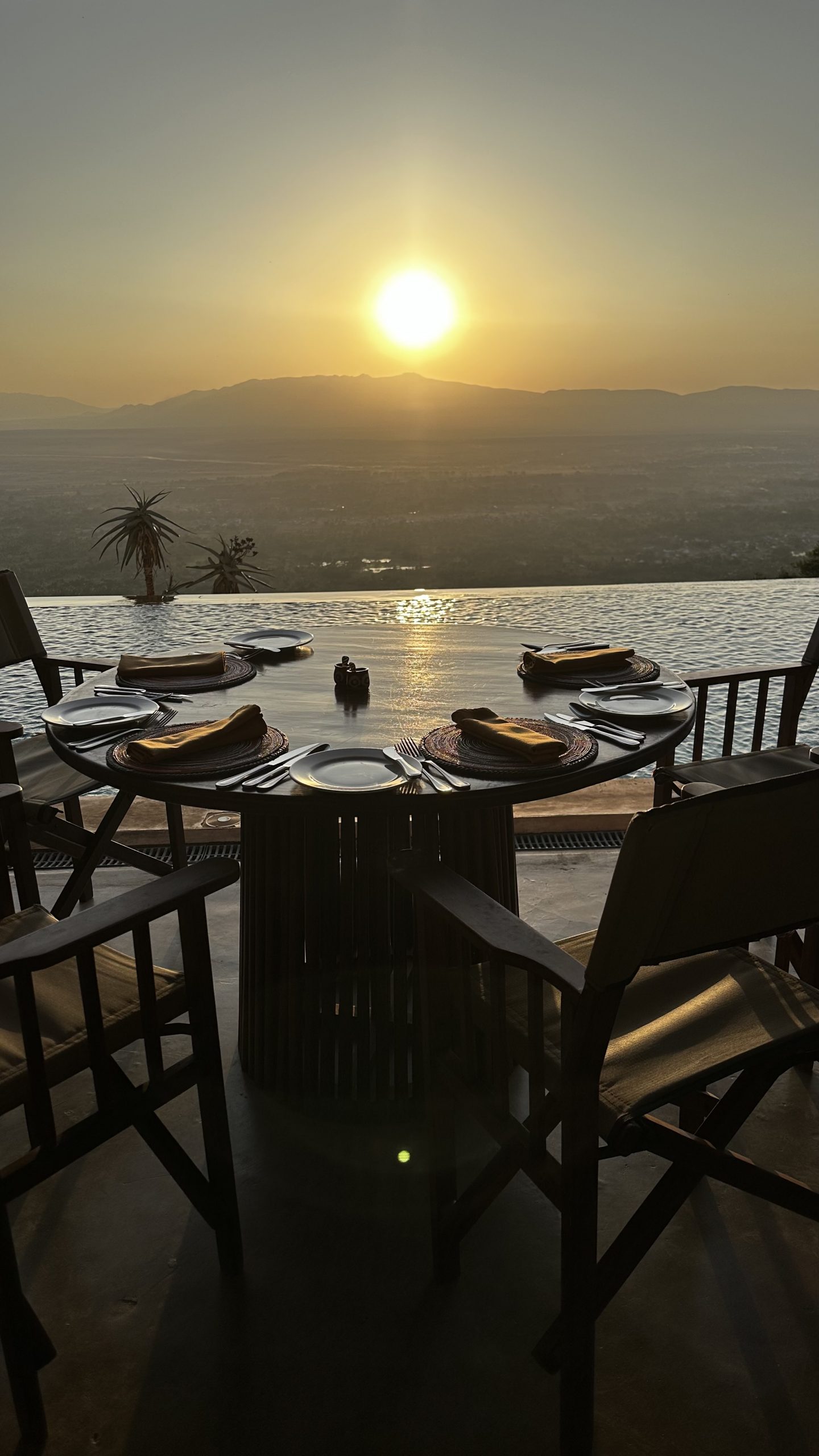
After nine unforgettable safari days, we returned to Arusha for one last night at Manyara Best View Lodge & Spa — the perfect place to relax, reflect, and prepare for the next chapter: Zanzibar. The view over Lake Manyara from the lodge and pools truly lives up to its name – a spectacular panorama especially at sunset.
Zanzibar – Island Time
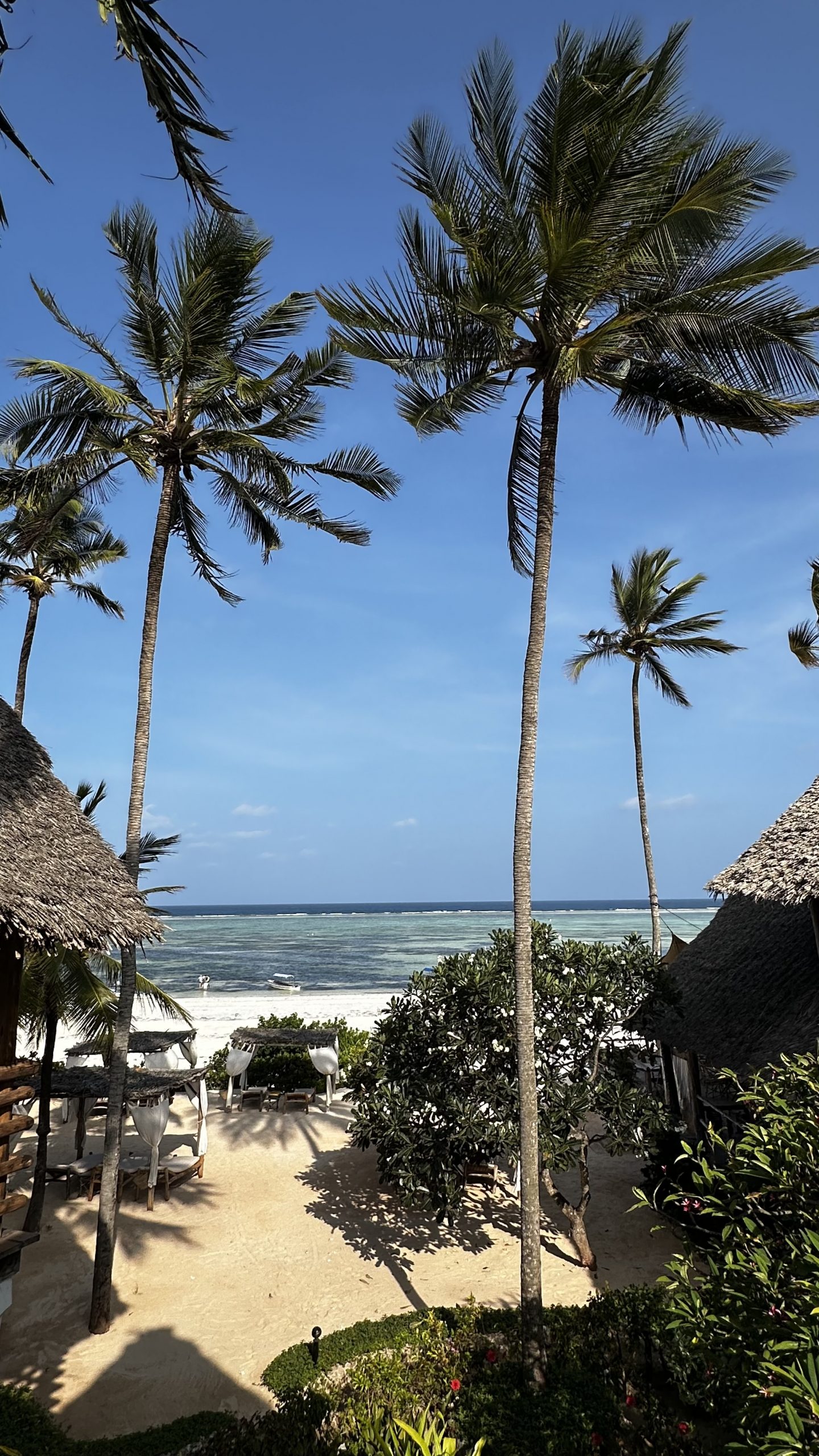
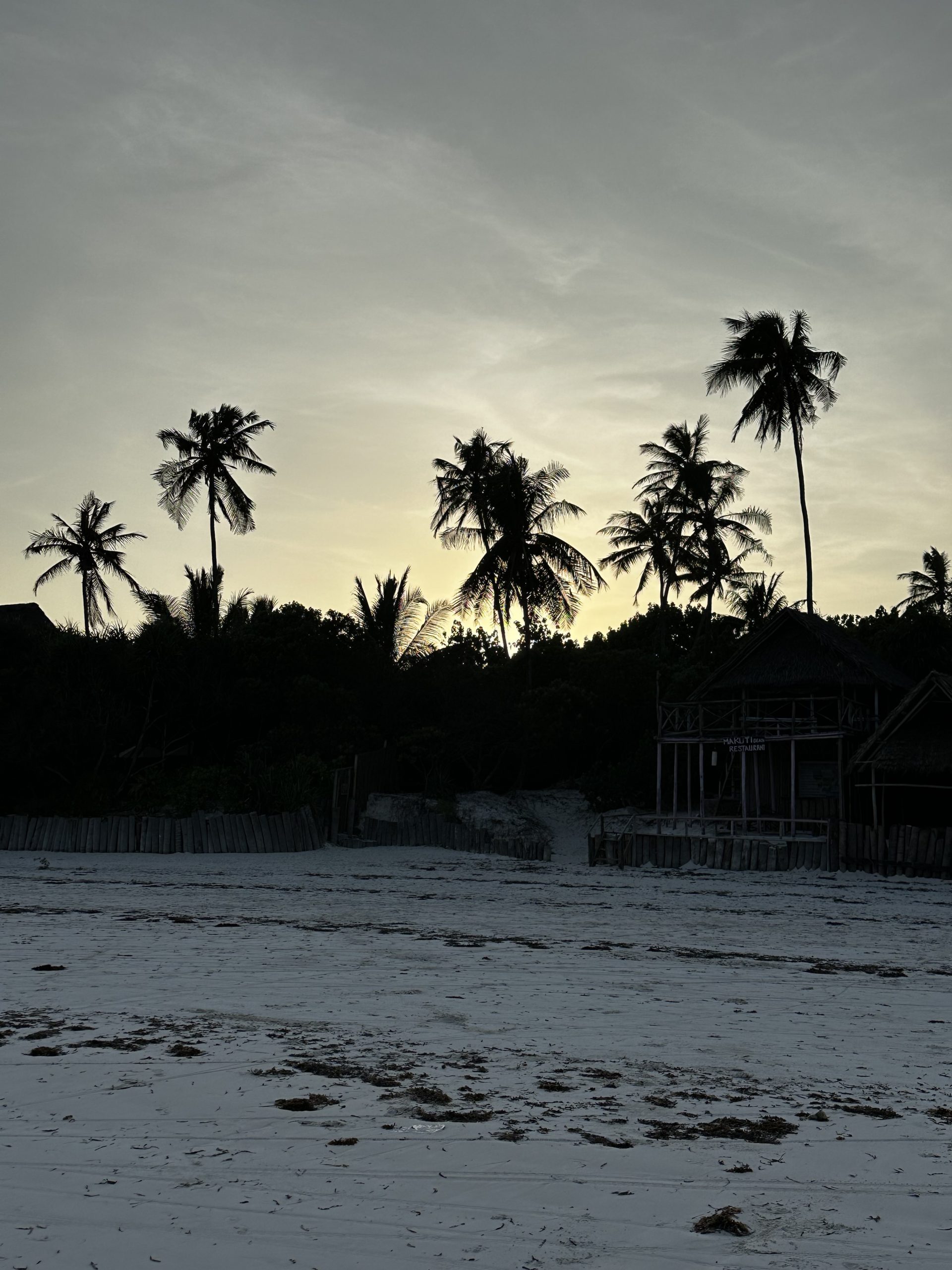
A short one-hour flight brought us from Arusha to Zanzibar, where we spent four blissful days at Villa Kiva on the northeast coast.
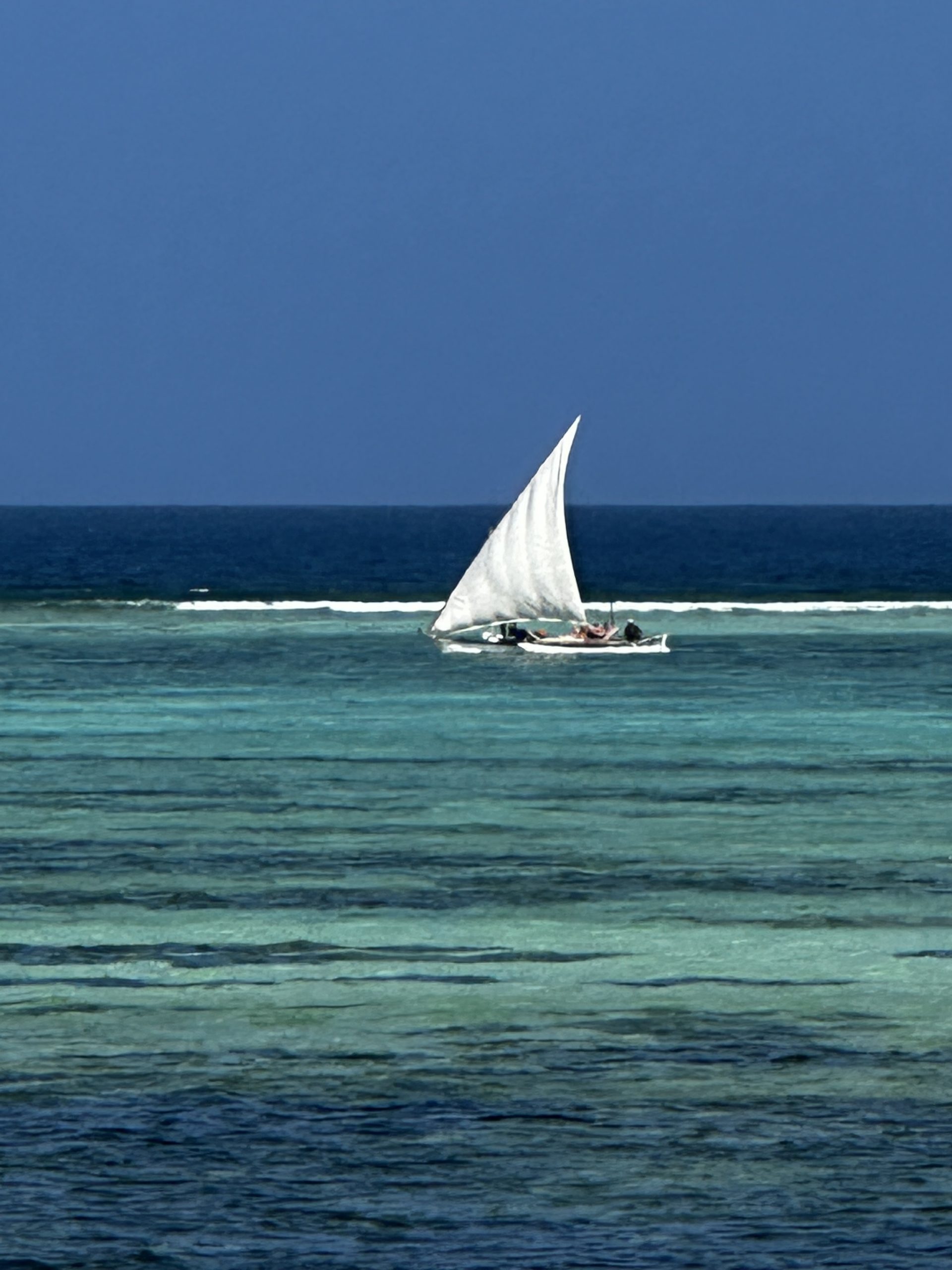
After the excitement of safari life, Zanzibar was all about slowing down: – relaxing by the pool, snorkeling in crystal-clear waters and even swimming with dolphins, and of course enjoying fresh seafood and ocean views
Exactly what we needed before heading home via Kilimanjaro and Istanbul.
Fun Facts about Zanzibar:
- Freddie Mercury, lead singer of Queen, was born in Stone Town.
- The turquoise waters around the island are part of one of the most biodiverse marine ecosystems in the Indian Ocean.
- Although Zanzibar belongs to Tanzania, it has a semi-autonomous status with its own president, parliament and flag.
- The island was once an important hub in the Indian Ocean trade network, connecting Africa, Arabia and India.
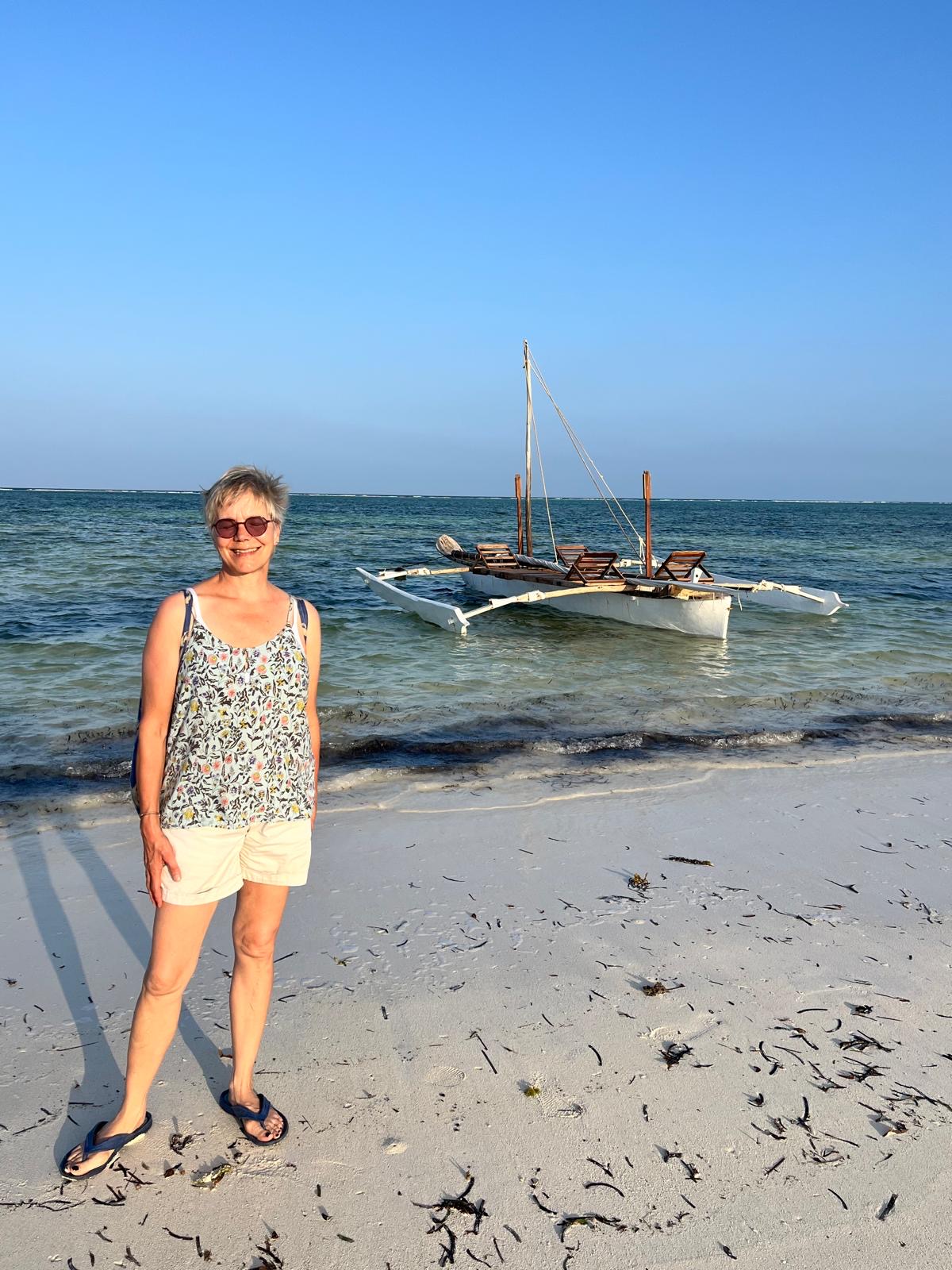
Tina admiring a luxury yacht in Zanzibar
Recap
Great wildlife, warm hospitality, comfortable lodges, and unforgettable landscapes made this journey one for the books.
From the first day on, everything felt easy and relaxed – like traveling with a good friend who just happens to know exactly how to organize the perfect trip. I could fully enjoy every moment without worrying about logistics, timing or details.”
– Tina
