
– Travel Stories –
Malta
Eight Days of Sea, History and Sunshine
Getting There and First Impressions
I had never been to Malta before, and all I really knew was that it was a small island in the Mediterranean. But could it offer enough variety and memorable experiences to become a GMW Signature Journey? There was only one way to find out.
So, in August, I travelled to Malta for eight days to explore the islands first-hand, assess the experiences, accommodation and activities on offer, and find out whether Malta was a destination I could confidently recommend to my clients. What I discovered was far more varied than I had expected.
Of course, there was the sea: boat trips through caves, swimming in impossibly clear water, jet skis, diving and plenty of beautiful bays.
But there was also history everywhere.
Fortifications, cathedrals, old cities, catacombs and watchtowers appeared almost as naturally as the limestone cliffs.
And then there was Gozo, Malta’s smaller and quieter sister island, which felt like a destination in its own right.
My base was Sliema, and it turned out to be a very good choice.
Arrival in Sliema
After arriving in the afternoon, I picked up a rental car and, after a short adjustment to driving on the left, made our way to my accommodation.
I stayed in an apartment around 20 minutes’ walk uphill from the harbour. Fortunately, I found a parking spot around 10 minutes from the apartment, so although the climb with suitcases still felt a little ambitious, it was definitely manageable.
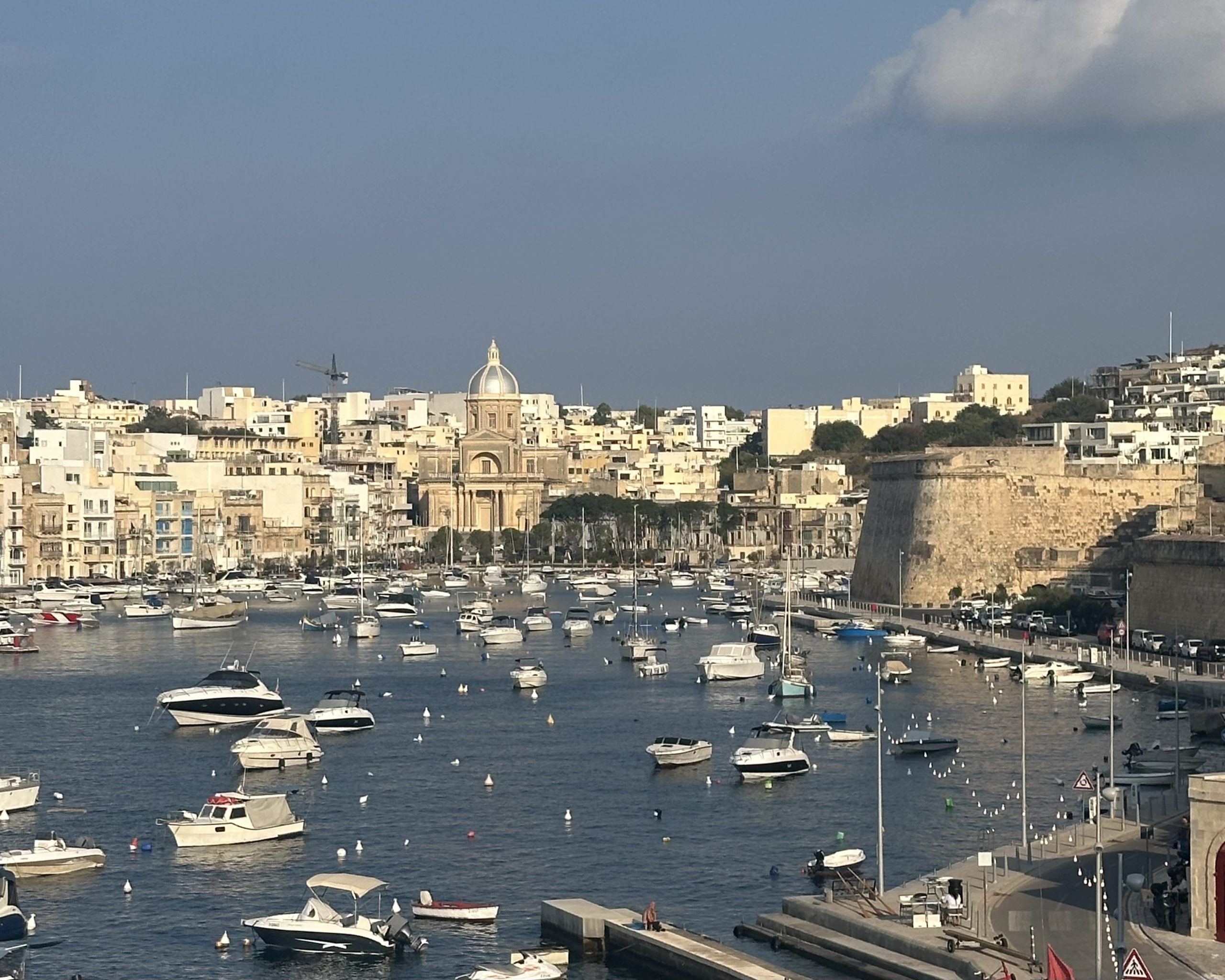
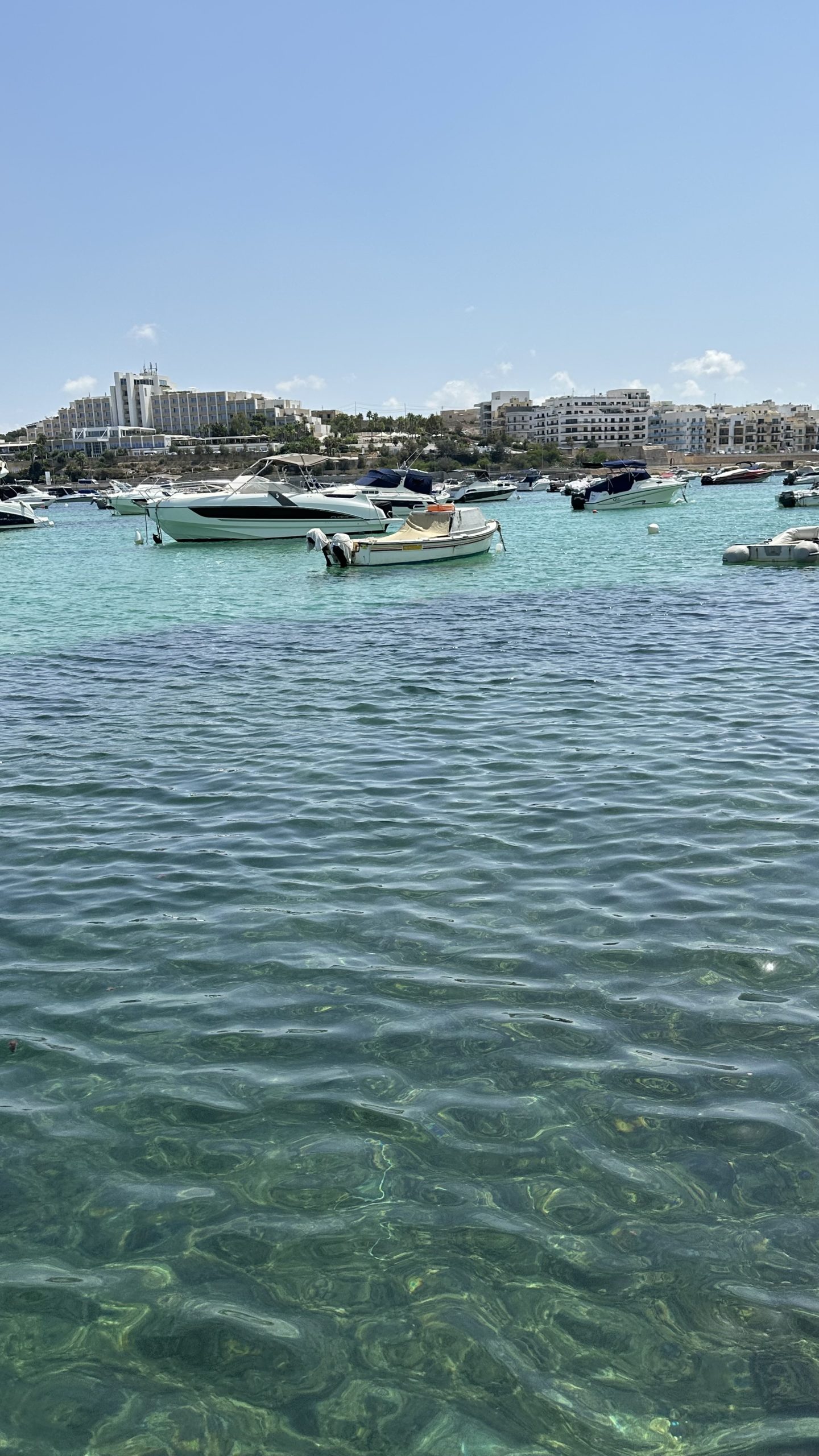
It was a beautiful area, and I could simply walk downhill towards the water. And so I did, and headed straight to Sliema Harbour.
It was warm, the weather was perfect, and the harbour was full of boats. I found a restaurant directly by the water, had dinner with a view across the harbour and then simply continued walking as the evening slowly turned into night.
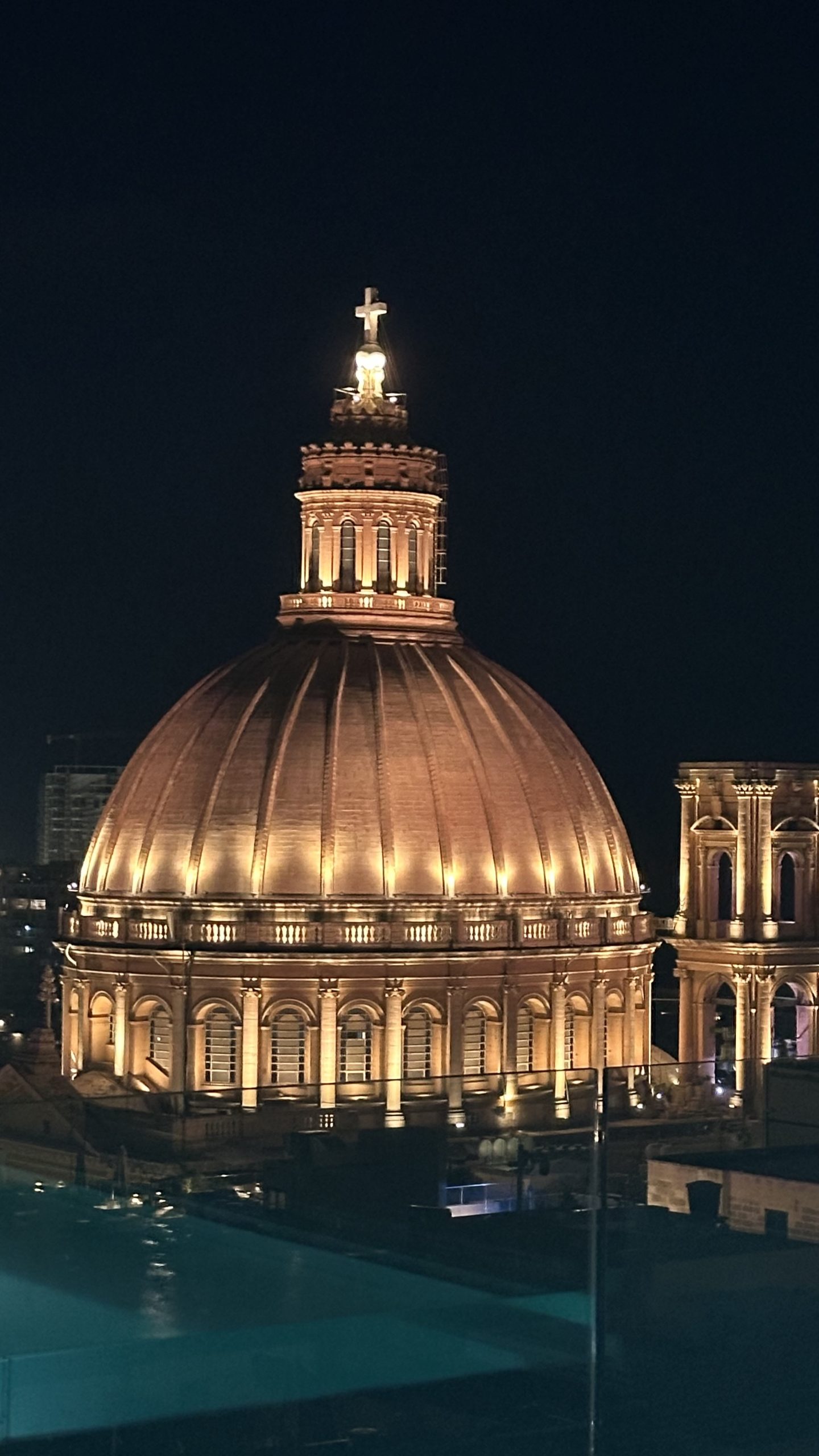
From Sliema, the view towards Valletta is spectacular. Across the water, the distinctive dome of the Basilica of Our Lady of Mount Carmel rises above the skyline – one of those views that immediatelymakes you feel as though you have arrived somewhere special.
Later that evening, I stopped at Gemma Joe, a small food truck run by two incredibly friendly brothers from Australia. They had travelled around with their food truck before eventually settling in Malta, and they clearly loved meeting people from all over the world.
Their waffles with toppings were delicious – especially if, like me, you have a serious sweet tooth – but the experience was about more than just the food. They made a little show out of preparing it, chatted with everyone and created such a fun and welcoming atmosphere.
Definitely worth a visit.
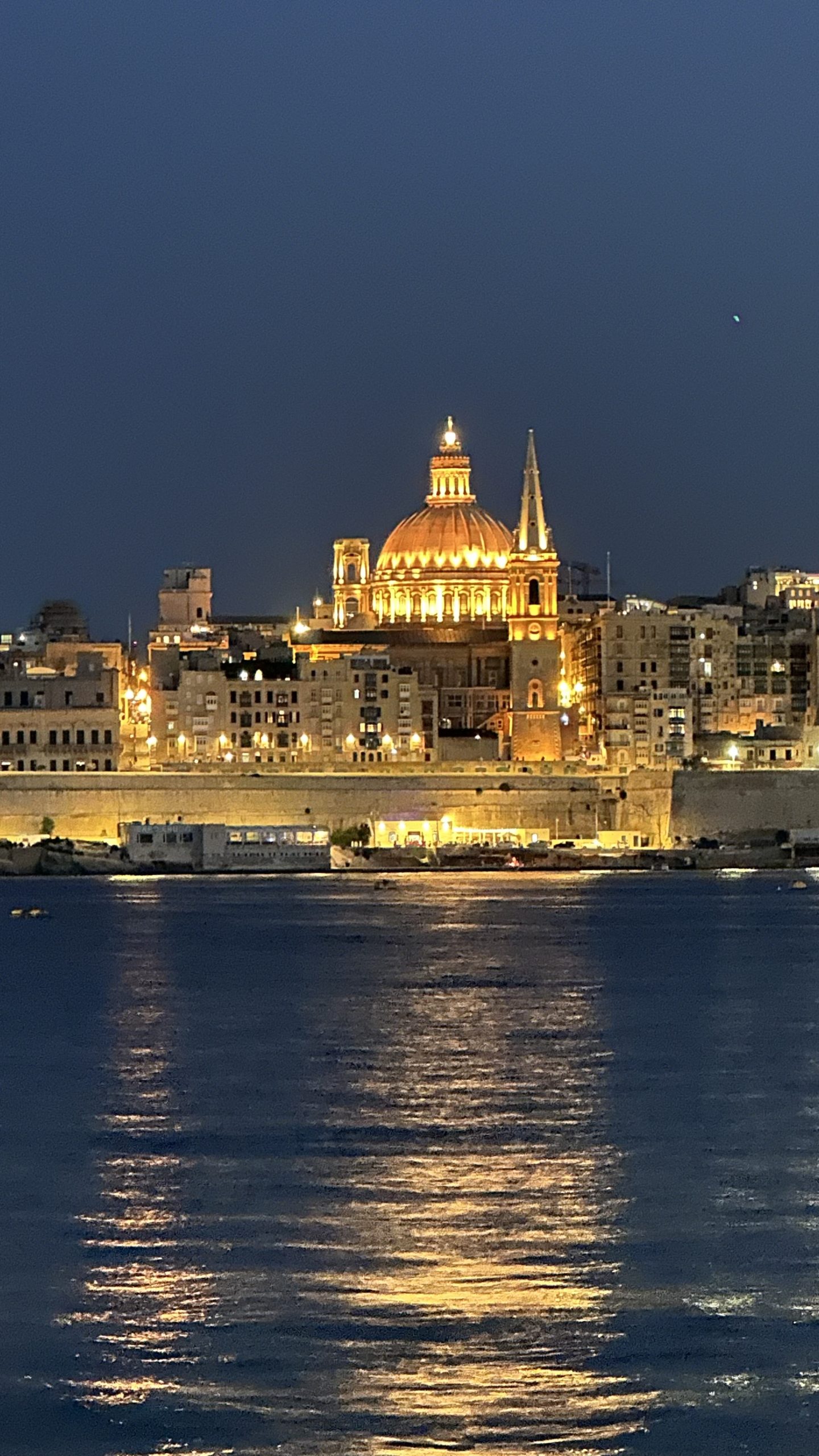
Basilica of Our Lady of Mount Carmel
Valletta: History, Views and Harbour Crossings
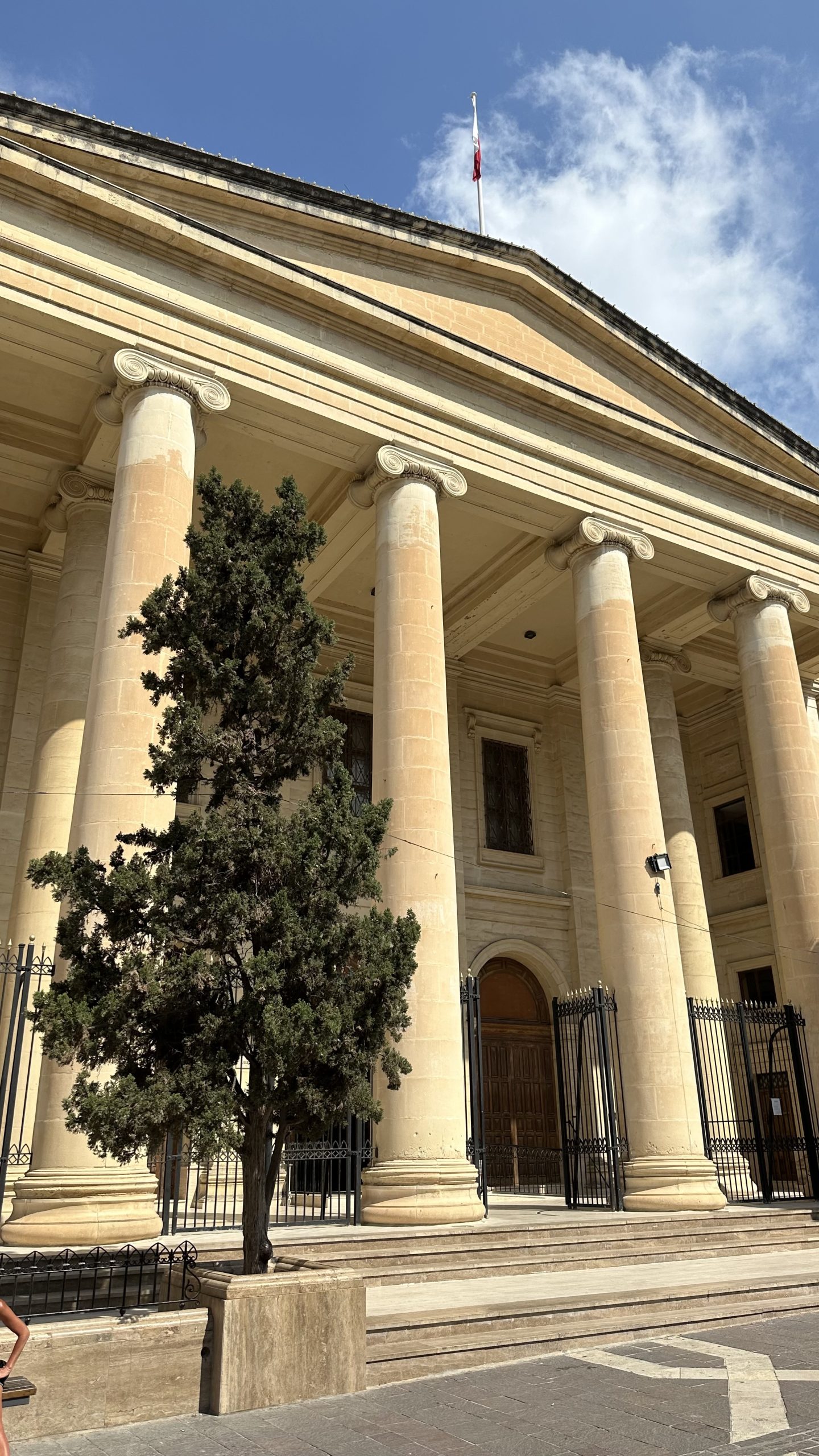
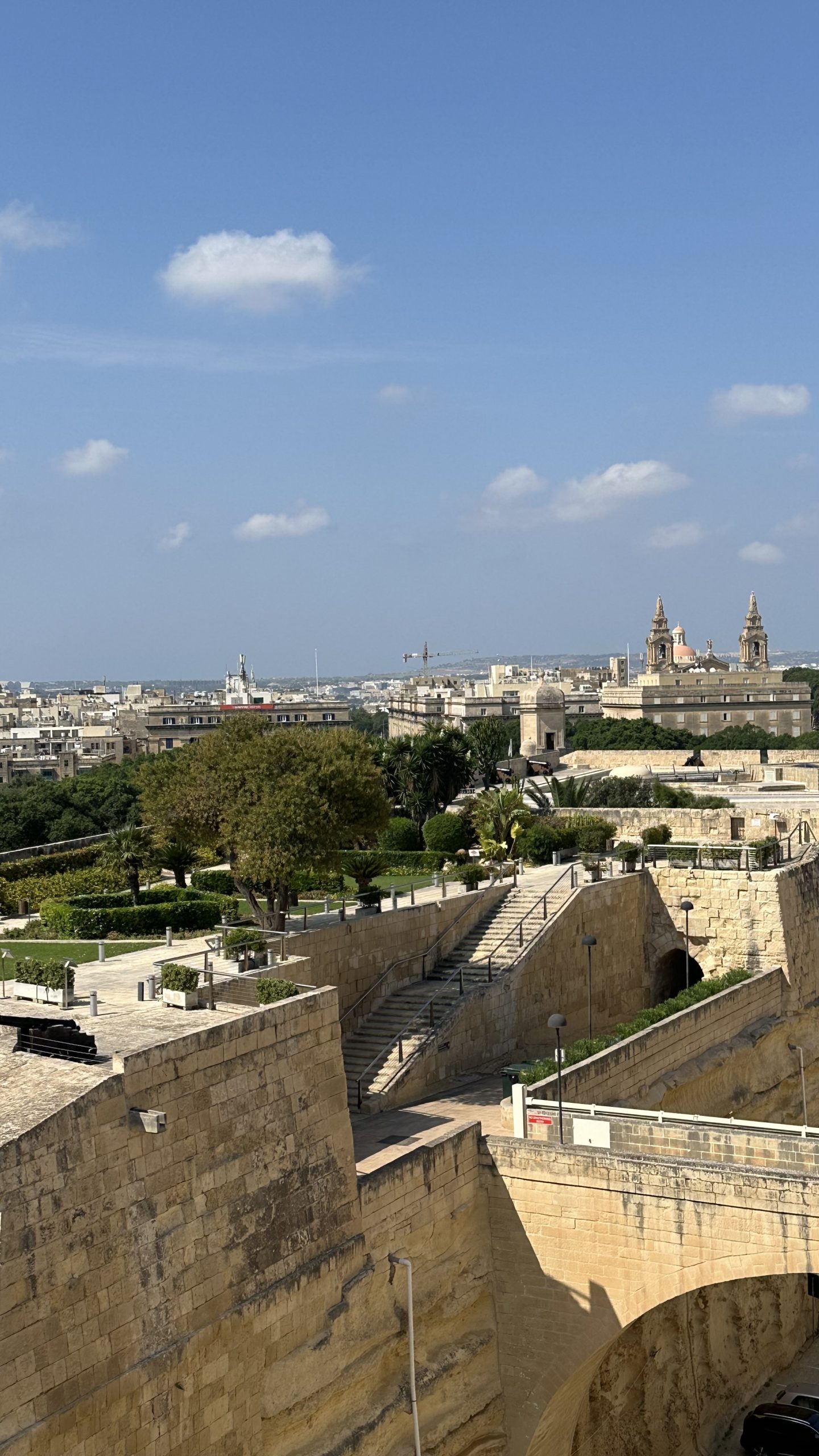
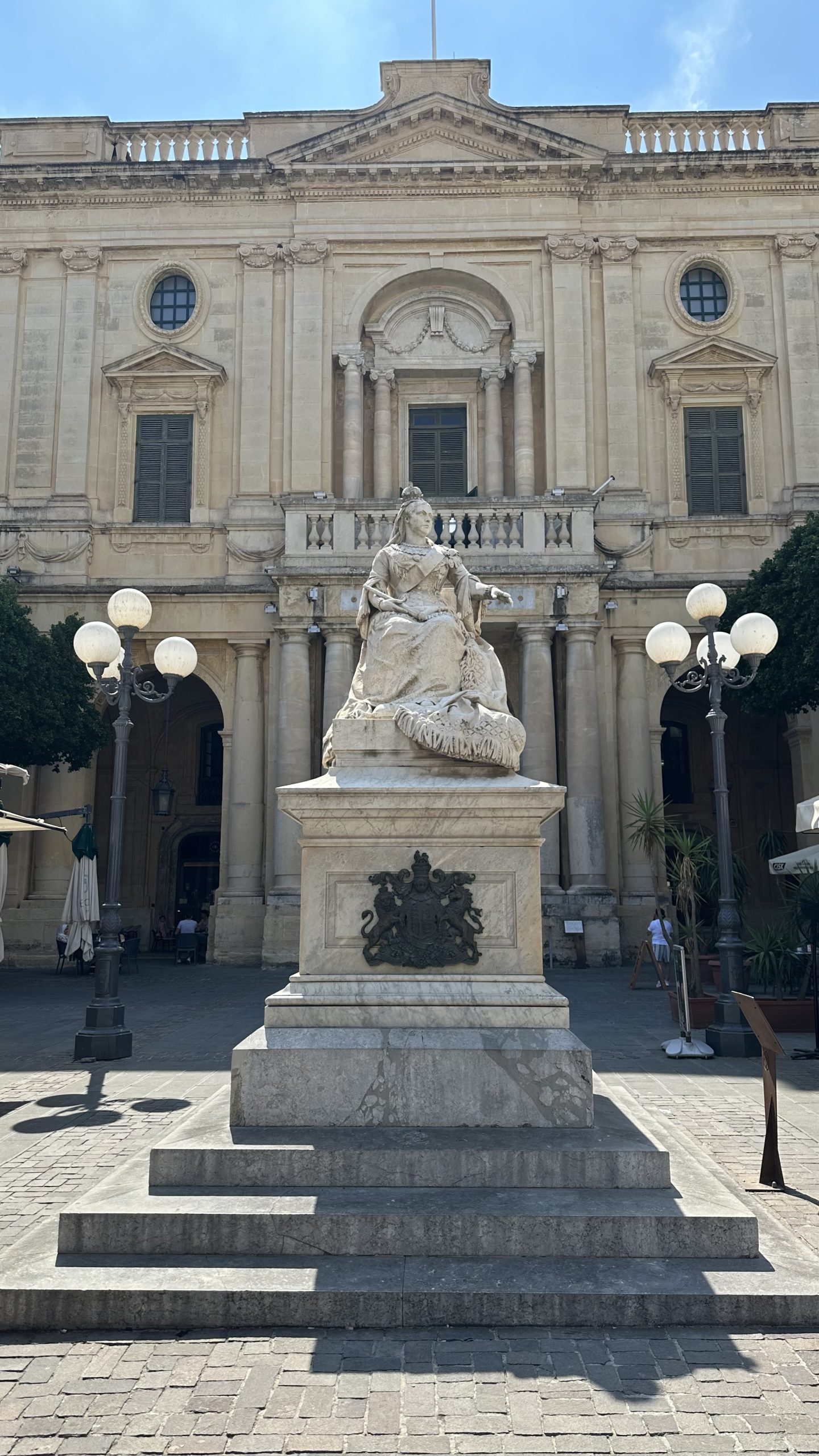
The following day was dedicated to Valletta.
My first stop was Fort St. Elmo and the National War Museum. Malta played a hugely important roleduring the Second World War, and the exhibition offers a fascinating insight into that period.
It was a deeply moving visit – one that makes you pause, reflect on the weight of Malta’s wartime history and appreciate how much the island endured.
Afterwards, I joined a small sightseeing ride through Valletta in what looked a little like an extended golf cart. It was a fun way to get an overview of the city before exploring more of it on foot.
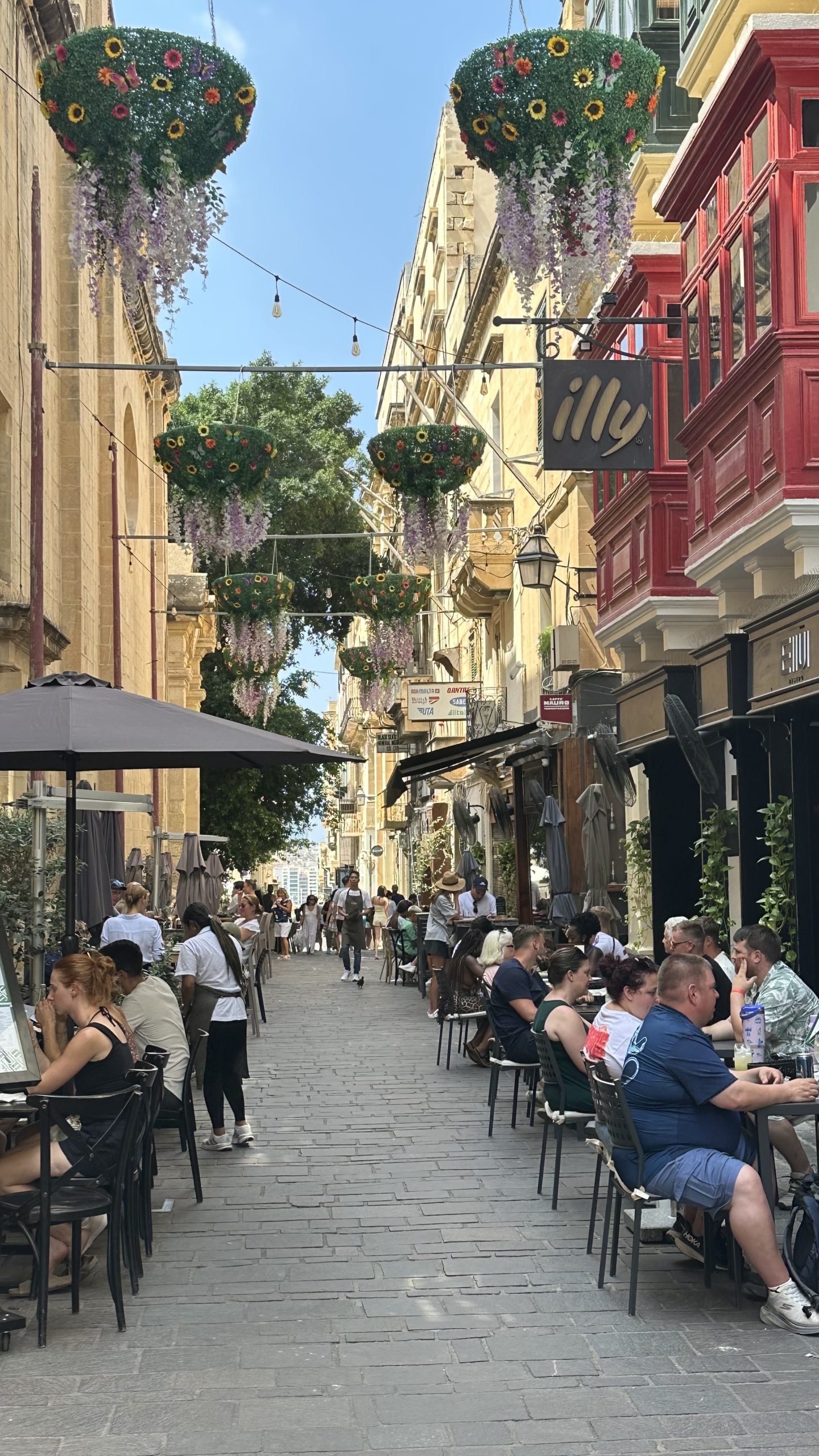
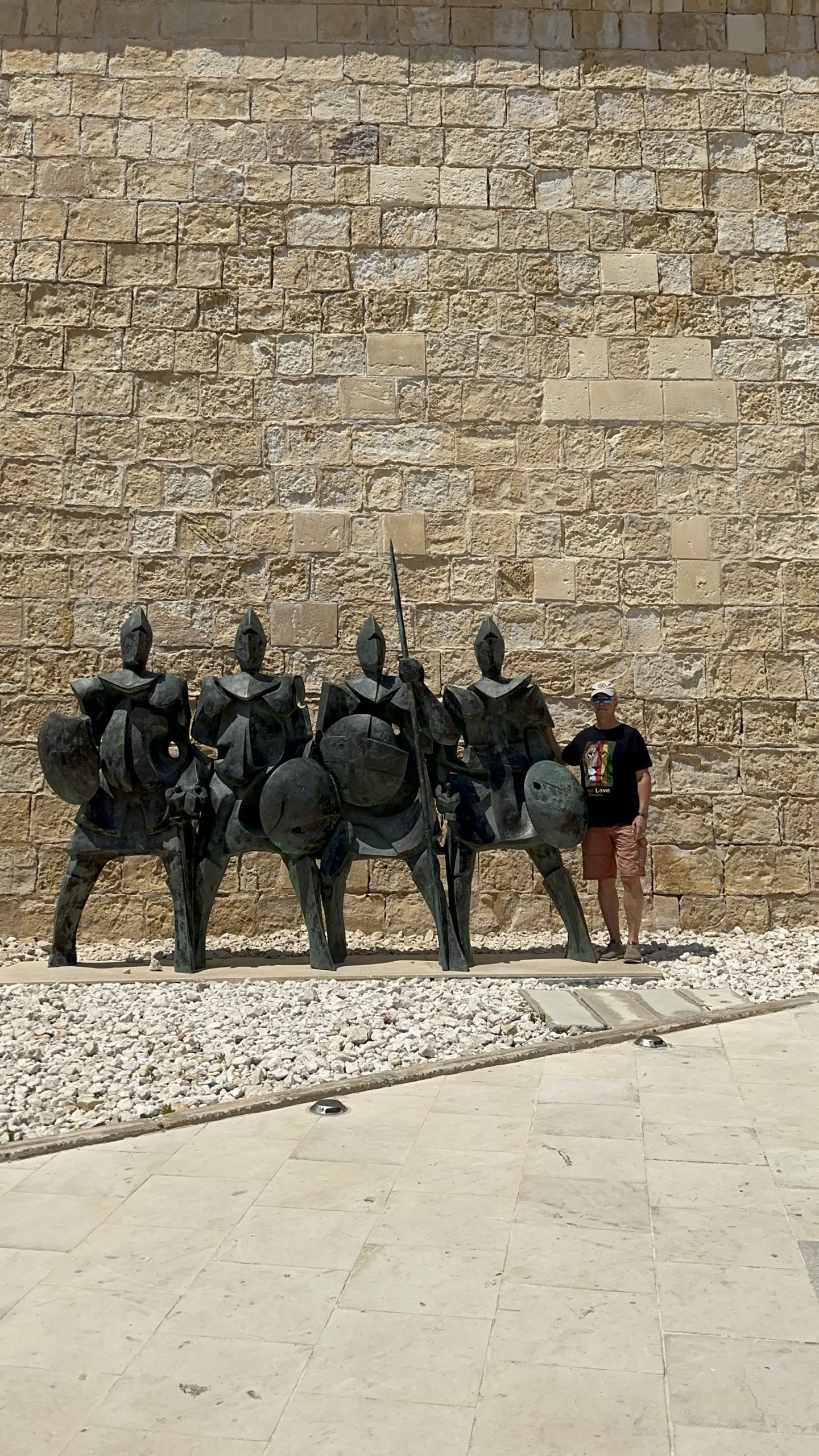
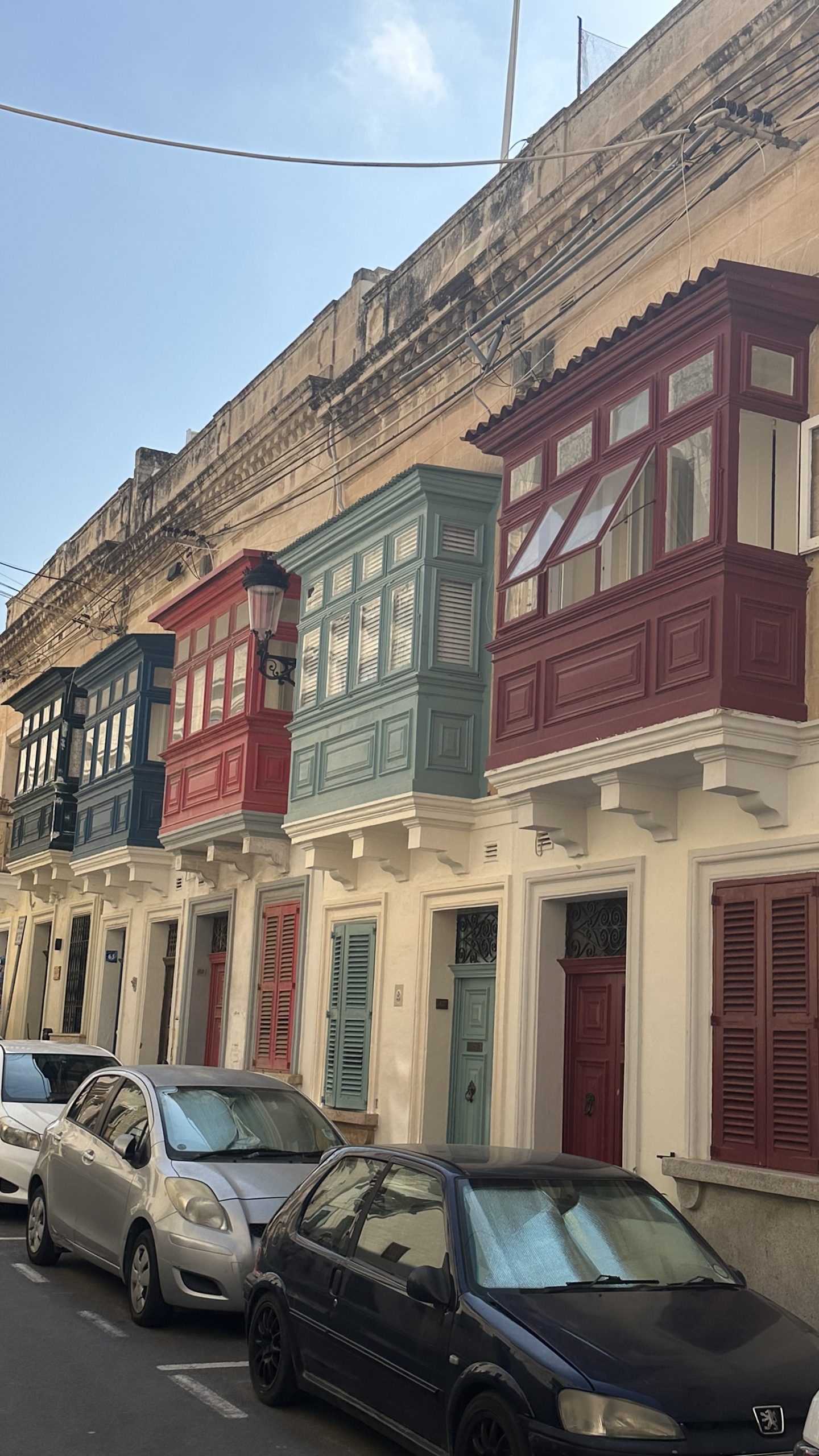
Valletta is very walkable, although the hills do make themselves known. The streets are full of sandstone buildings, colourful balconies, shops, cafés and hidden corners, so getting a little lost is very much part of the experience.
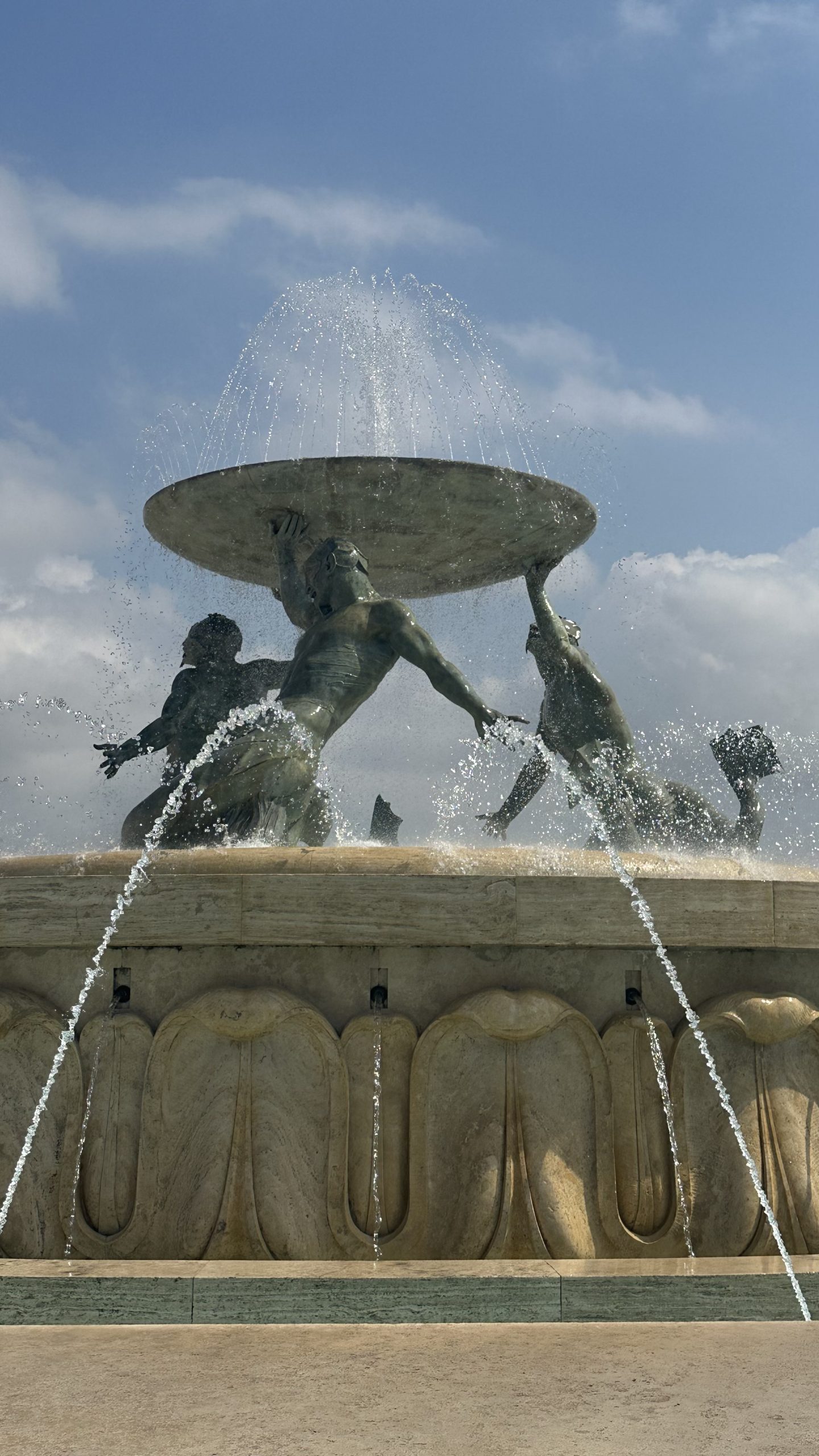
I did some shopping, stopped for food in a food hall and passed the beautiful Tritons’ Fountain outside Valletta’s city gate. With its three bronze figures holding up a large basin of bright blue water, it is one of those landmarks that is much more striking in real life than expected.
Later, I suddenly heard a loud bang and saw people gathering nearby.
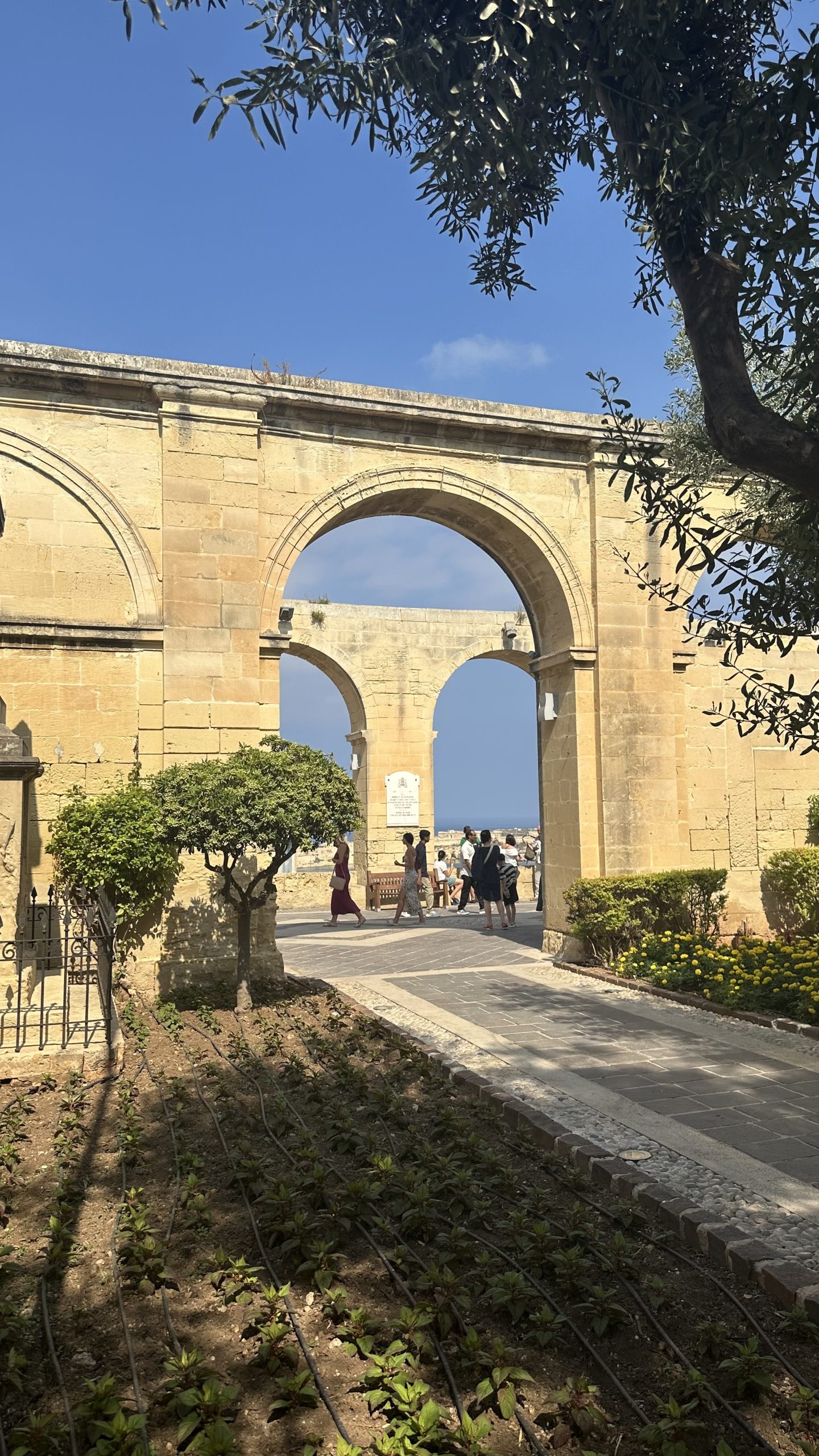
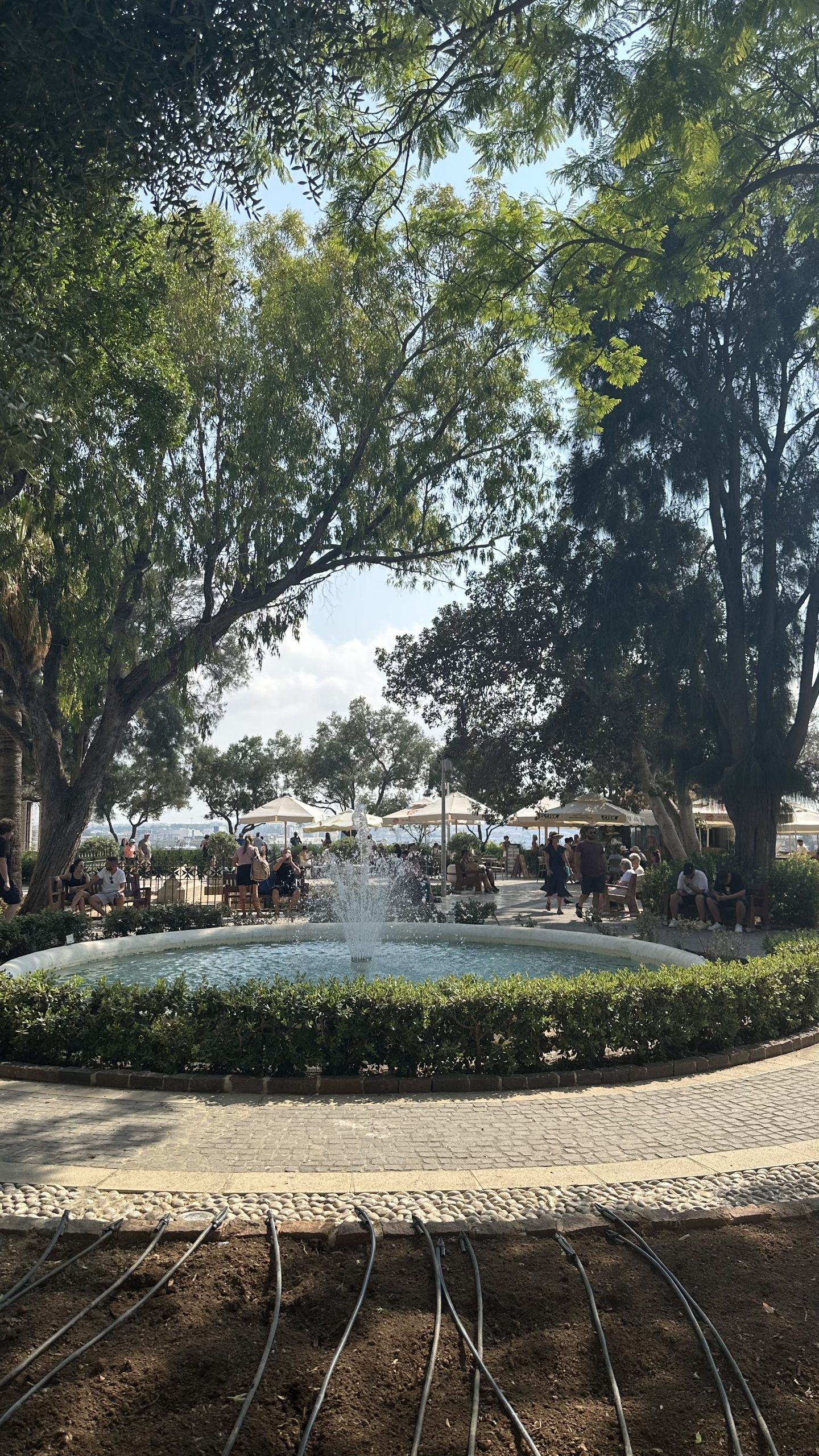
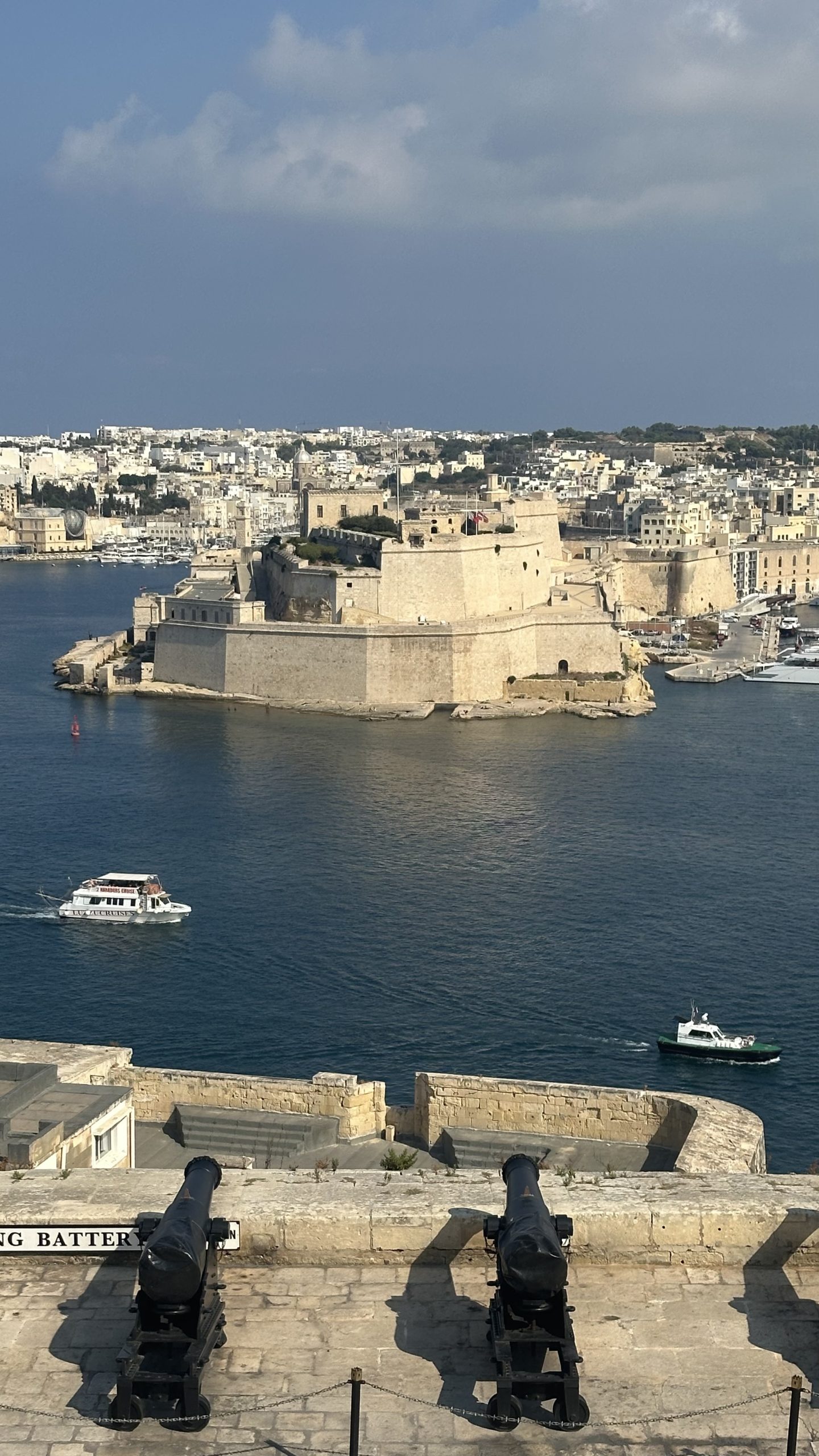
It turned out to be the daily cannon firing at the Saluting Battery below the Upper Barrakka Gardens. Watching the ceremony, and hearing the sound echo across the harbour, was a very memorable Valletta moment.
One of the nicest surprises of the day came courtesy of a large glass lift overlooking the harbour. It felt almost like an attraction in itself: a long descent with wonderful views across the water.
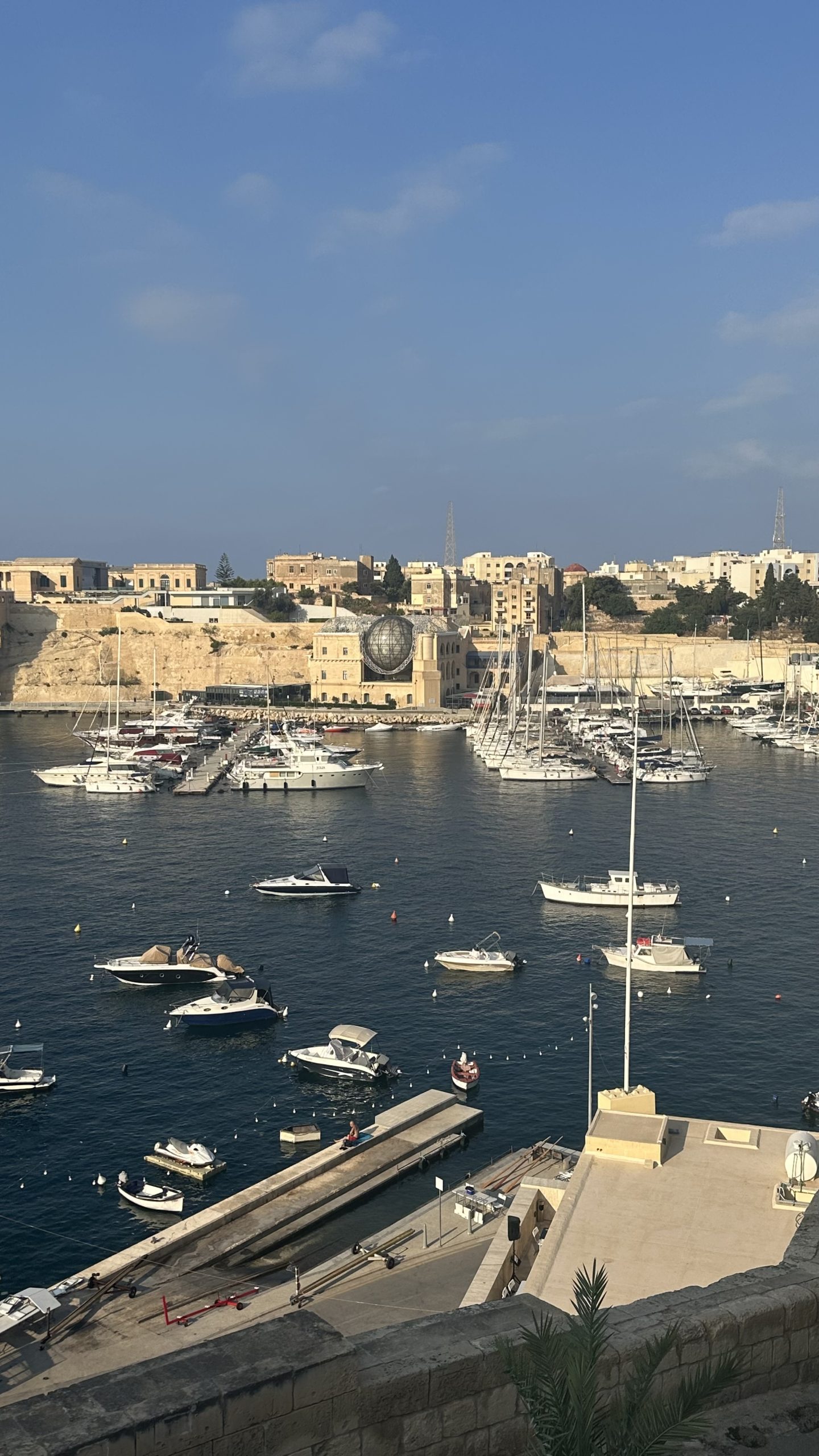
At the bottom, I boarded the ferry to Cospicua, one of the Three Cities on the other side of the Grand Harbour. The crossing is short, but it offers a completely different perspective of Valletta’s fortifications and harbour.
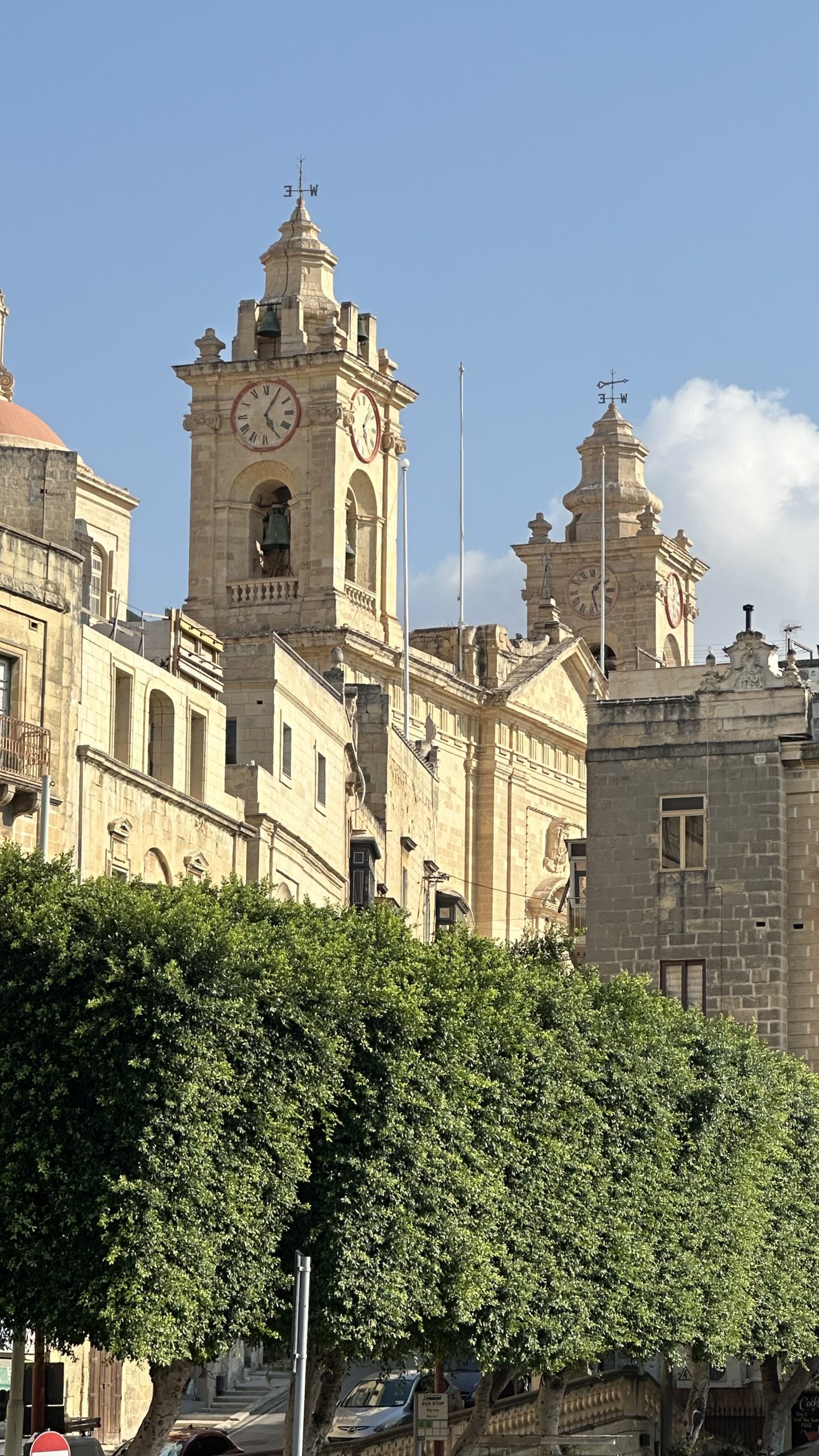
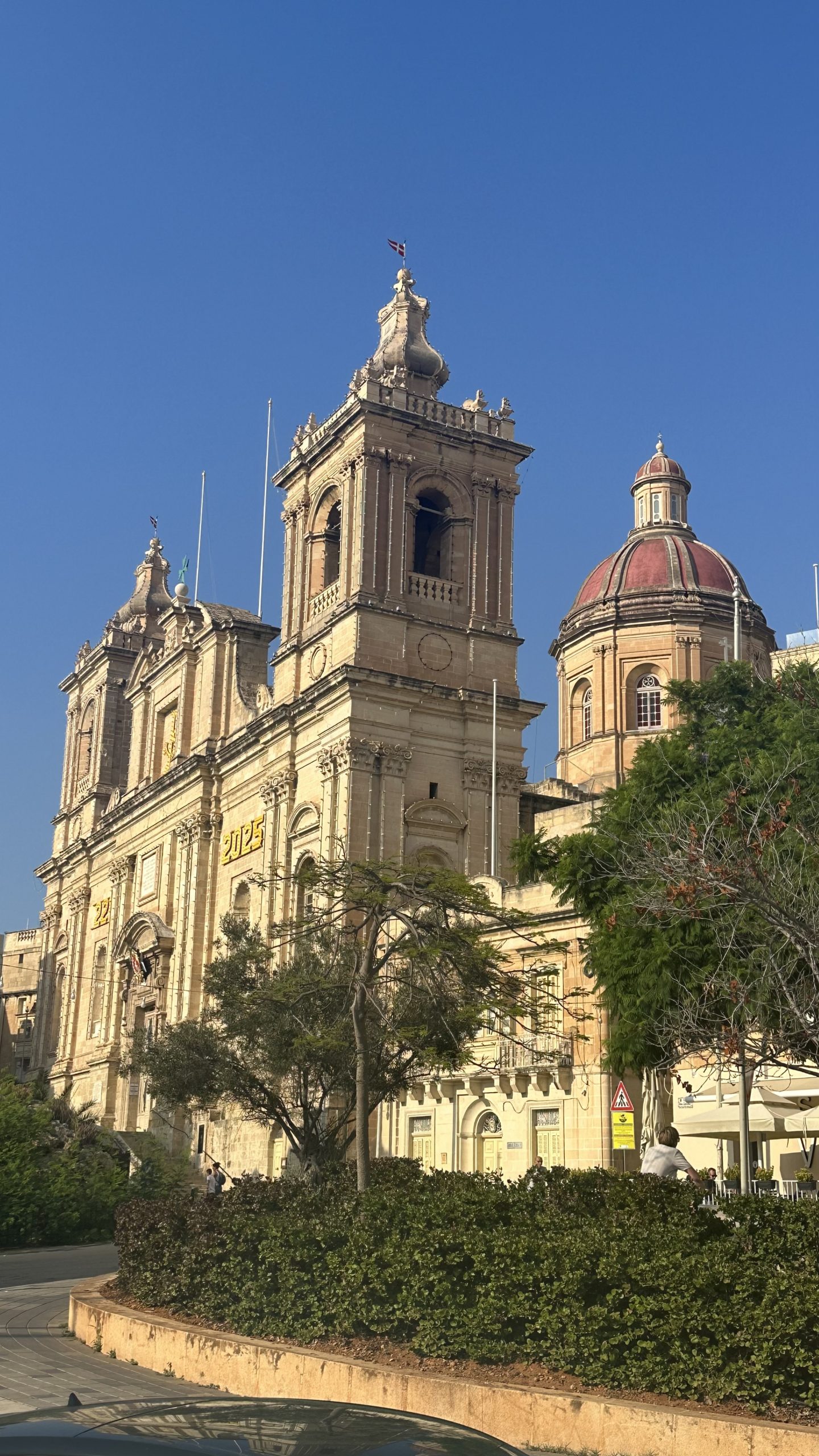
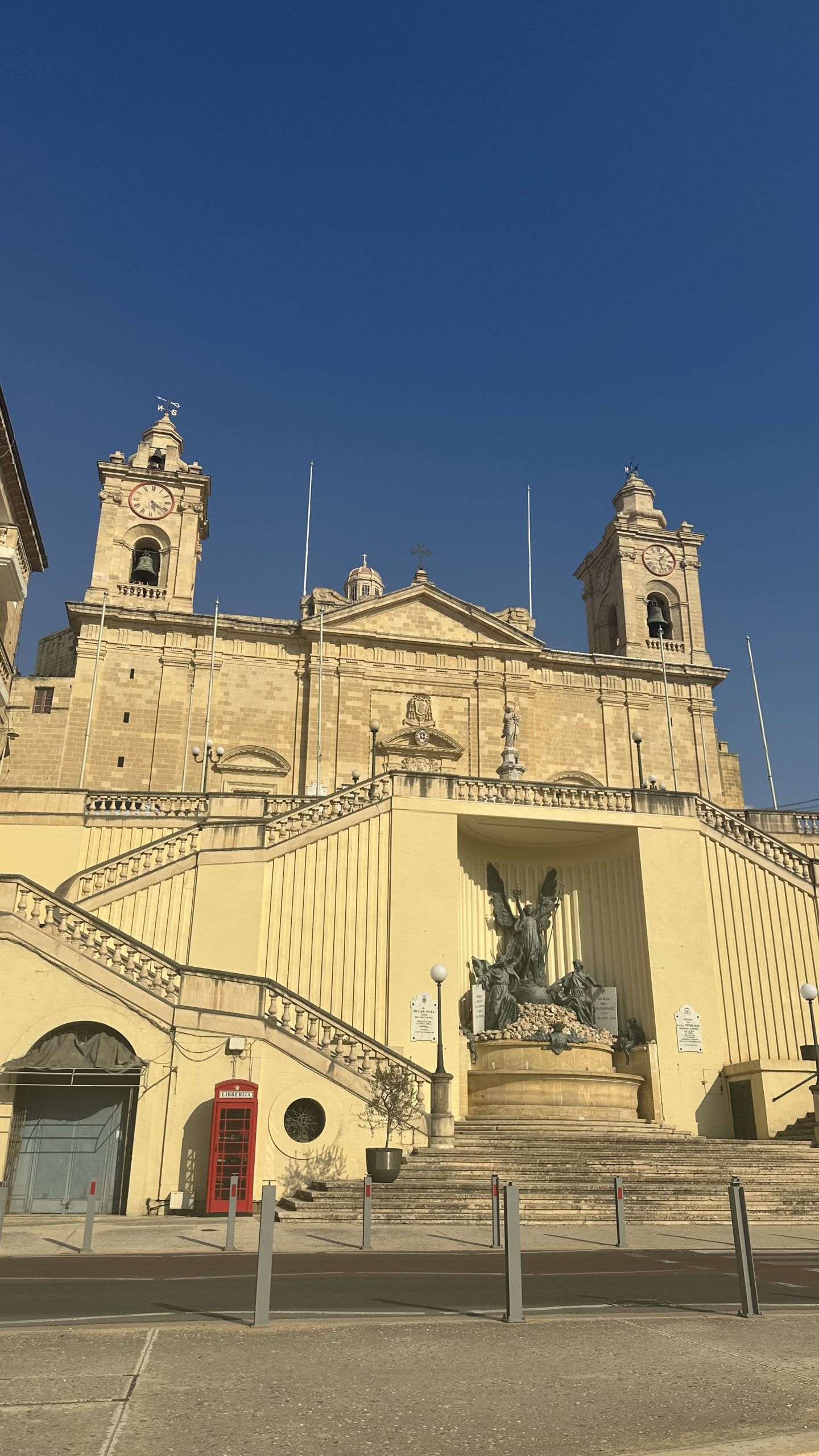
In Cospicua, I walked around a little and visited the Collegiate Church of the Immaculate Conception before taking the ferry back. The whole excursion was easy, scenic and well worth including in a Valletta day.
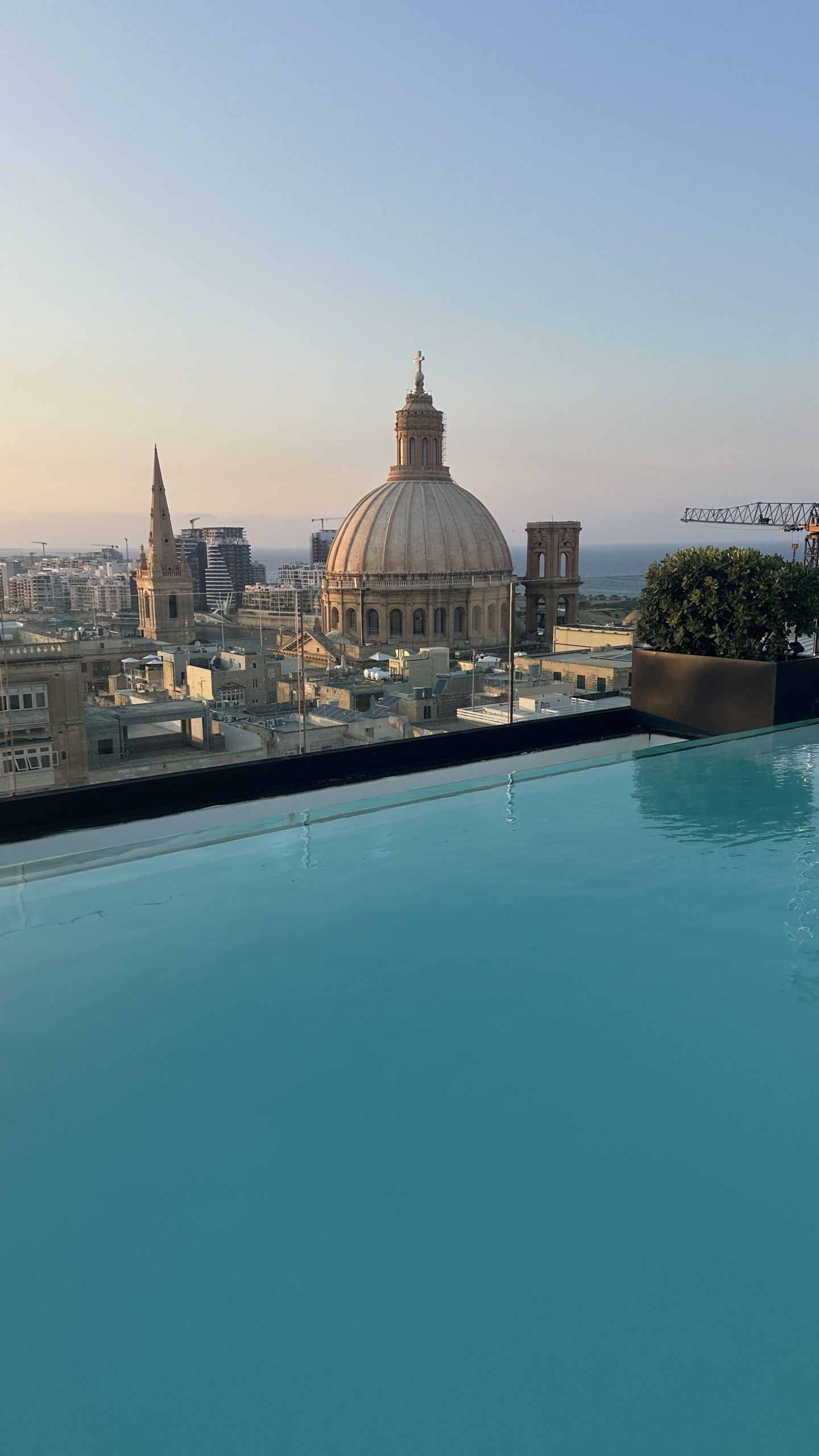
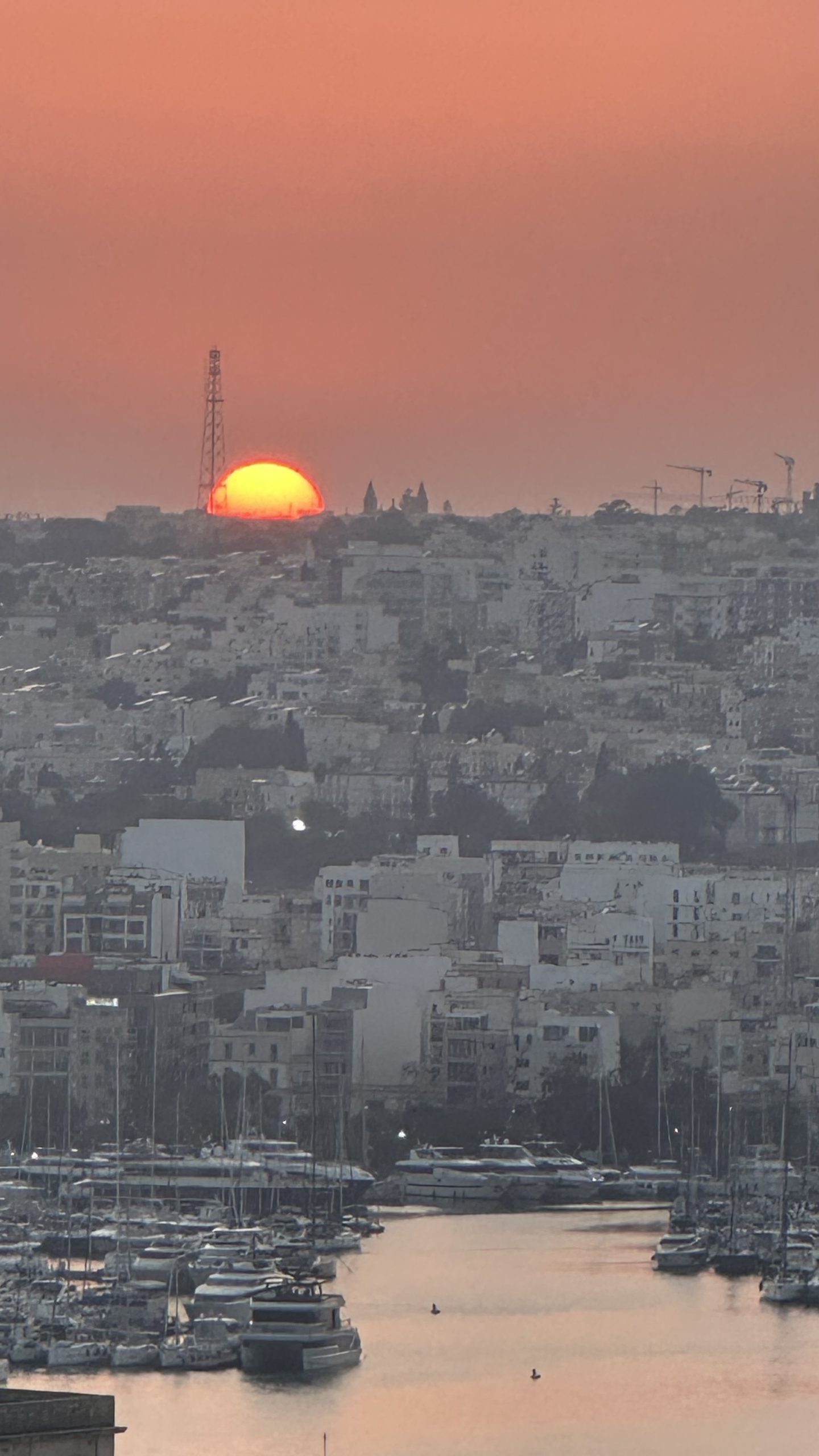
That evening, I found a rooftop bar back in Valletta and had dinner as the sun went down.
Looking across the city towards the Basilica of Our Lady of Mount Carmel, with the harbour below us, was simply magical.
Jet Skis, Għajn Tuffieħa and Popeye Village
The next morning, it was time for something a little faster.
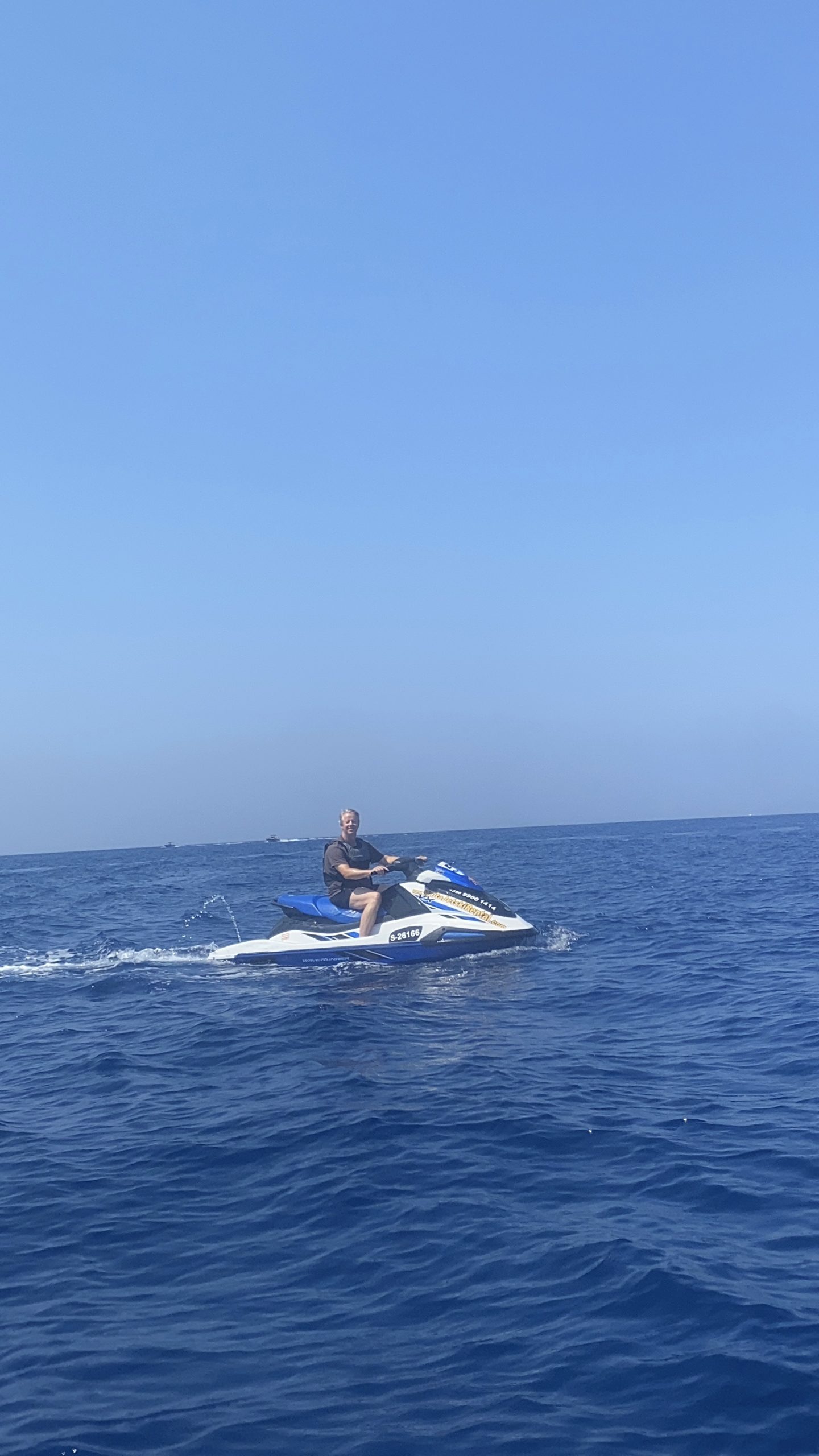
I drove north towards Marfa, near the South Comino Channel, where ferries leave for Gozo and Comino. Here, I rented a jet ski for around half an hour.
It was exciting, fast and such a fun change of pace.
For anyone looking to add a little adventure to a Malta itinerary, I can definitely recommend it.
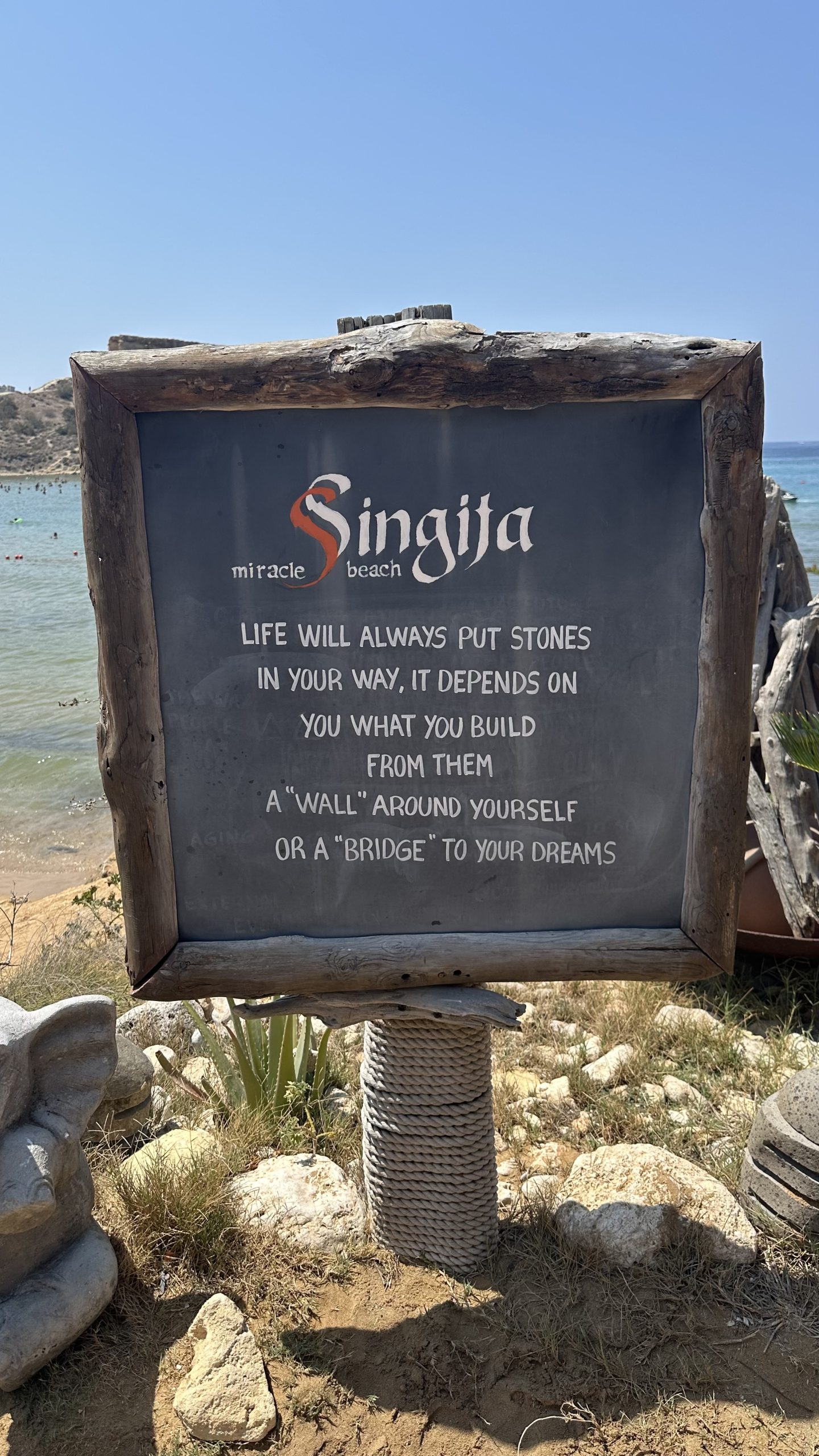
Afterwards, I headed to Singita Miracle Beach near Mġarr for lunch.
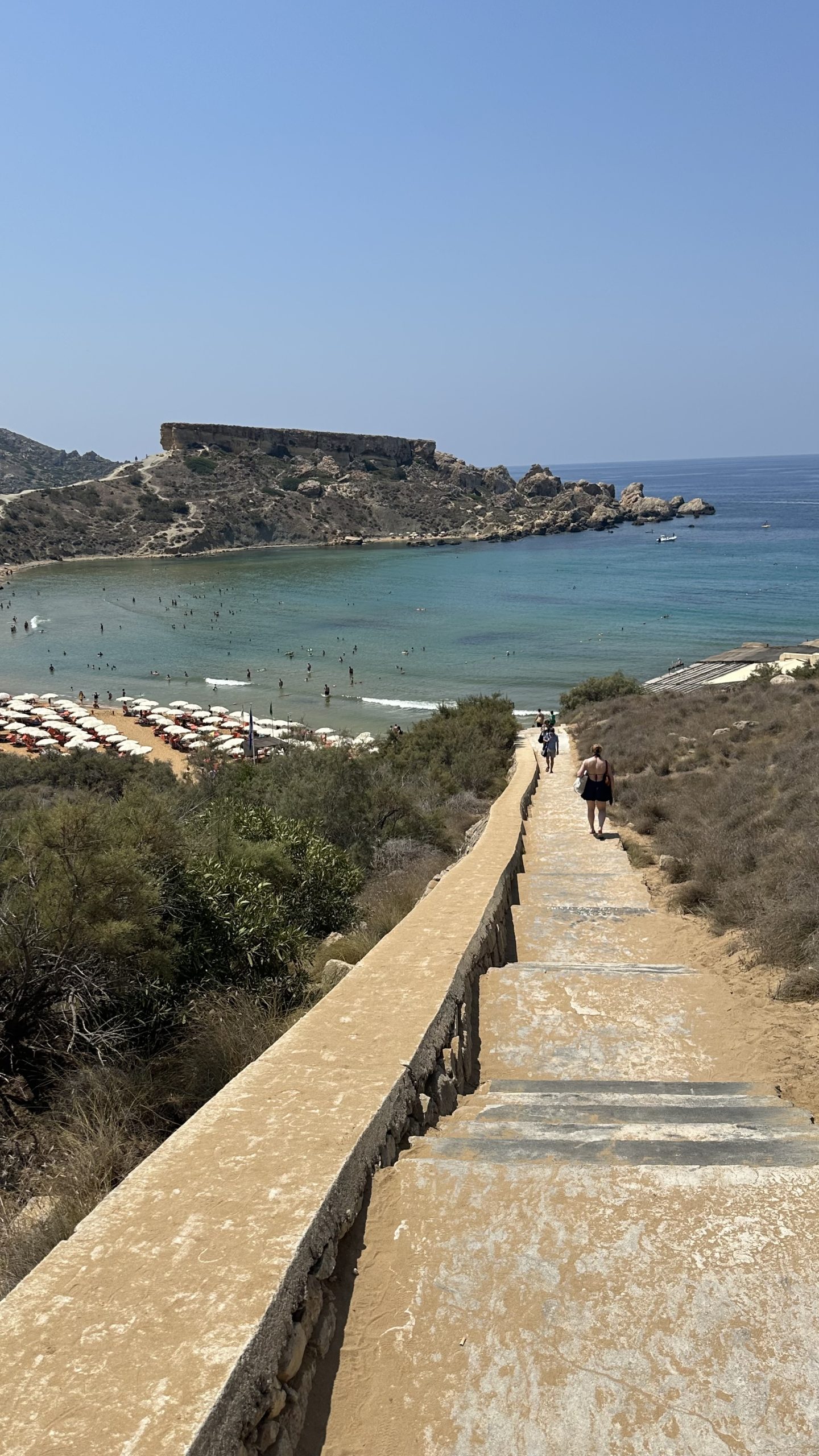
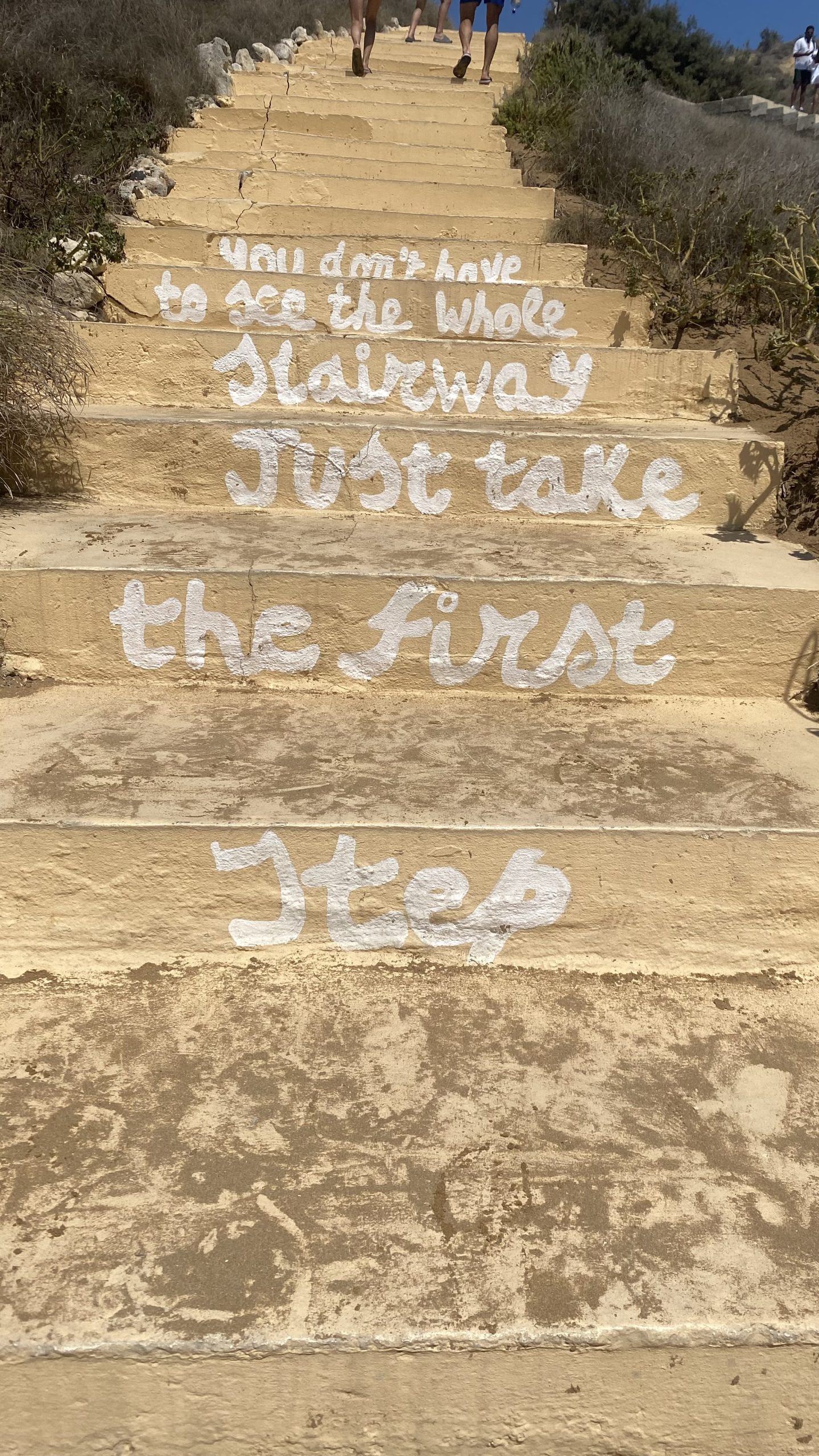
Getting there is part of the experience: around 160 steps lead down through Mediterranean vegetation towards the bay. It sounds like a lot, and it is, but the view and atmosphere at the bottom make it worthwhile.
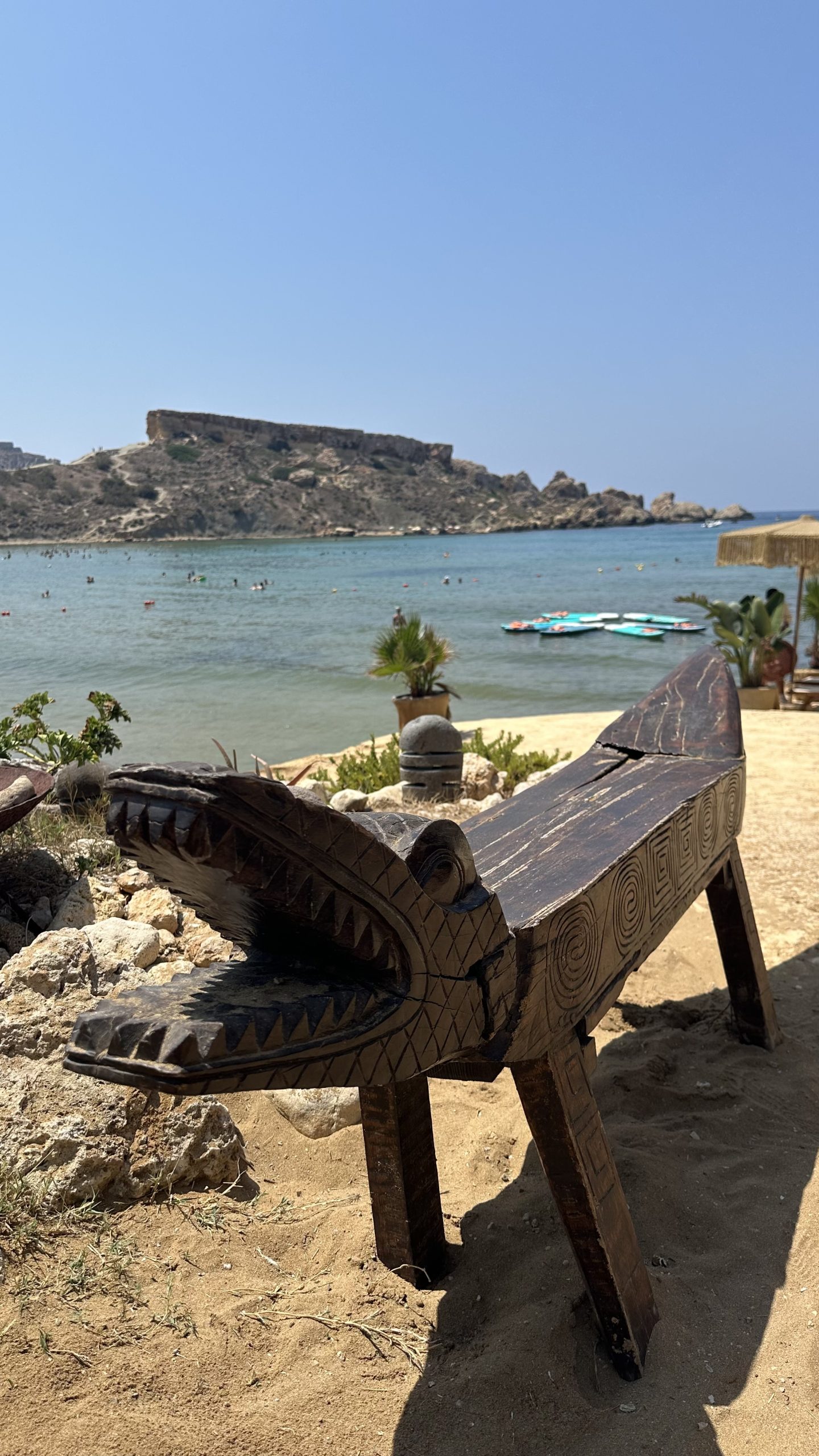
Singita sits beside the beautiful Għajn Tuffieħa Bay and feels a little like a hidden spot, even though it is clearly popular. I arrived in the afternoon, had a lovely lunch and watched a surf school out on the water.
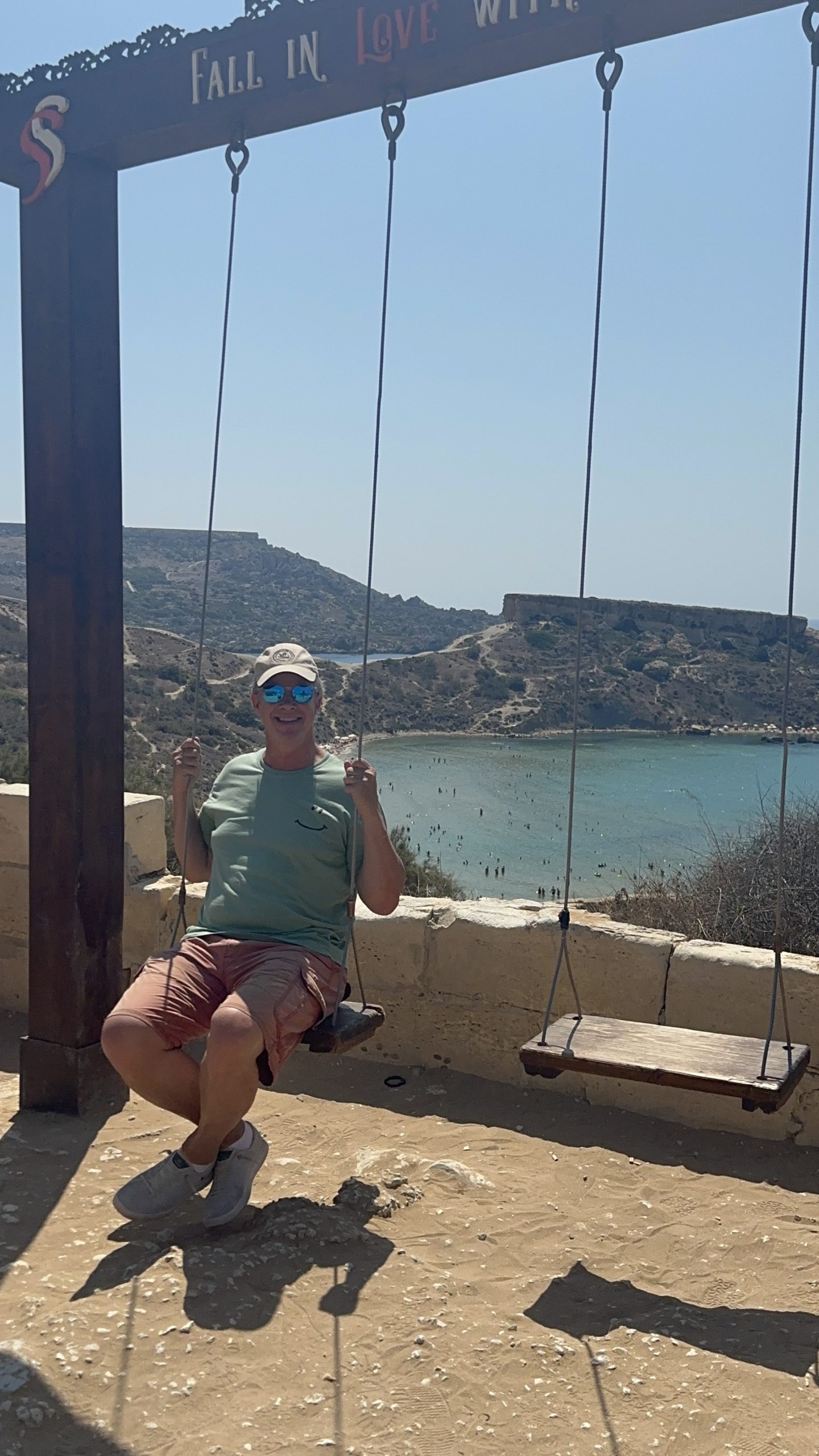
On the way back up, there is even a swing with a beautiful view, ideal for a quick photo stop to capture the experience after tackling the steps back up again.
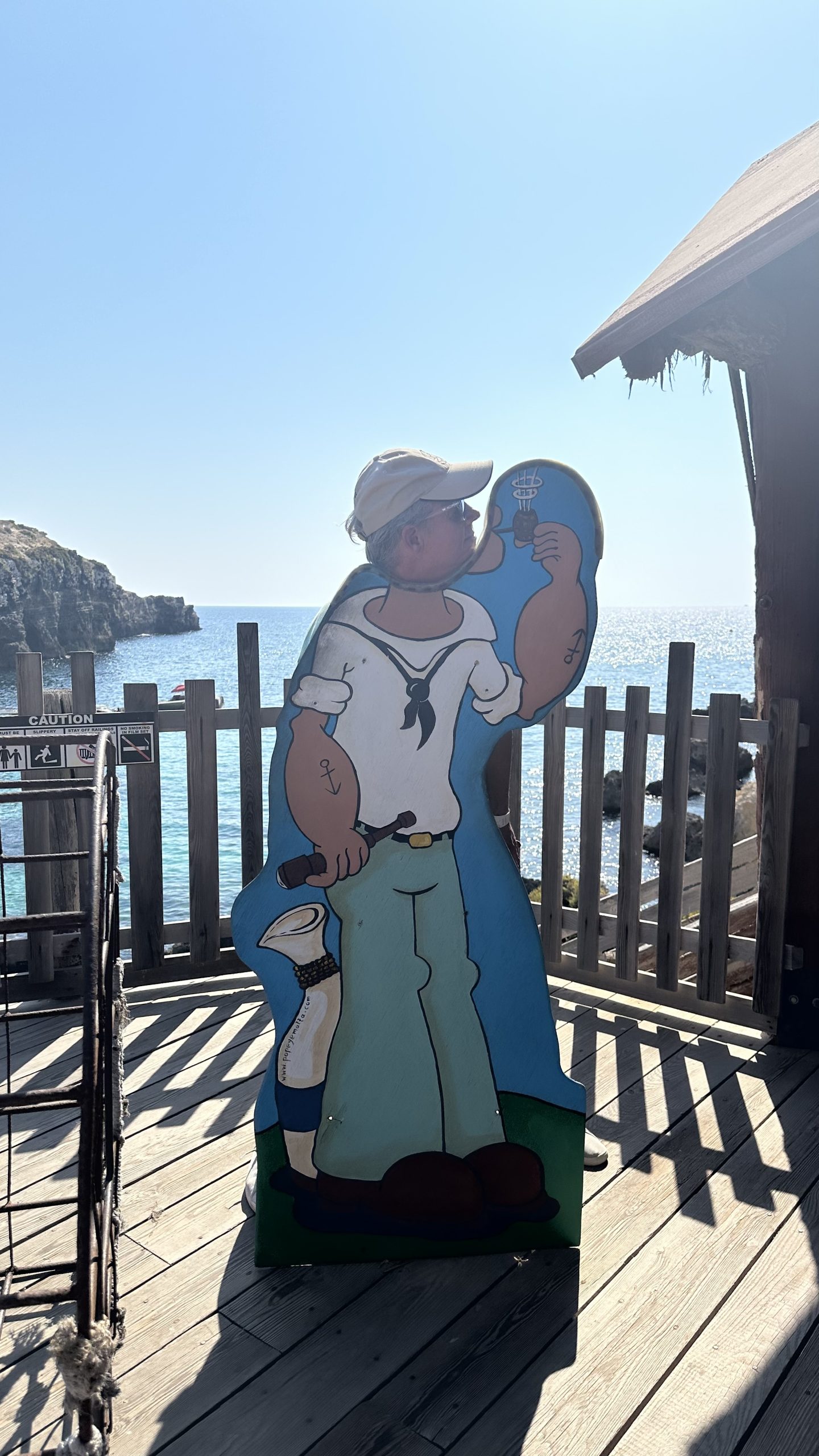
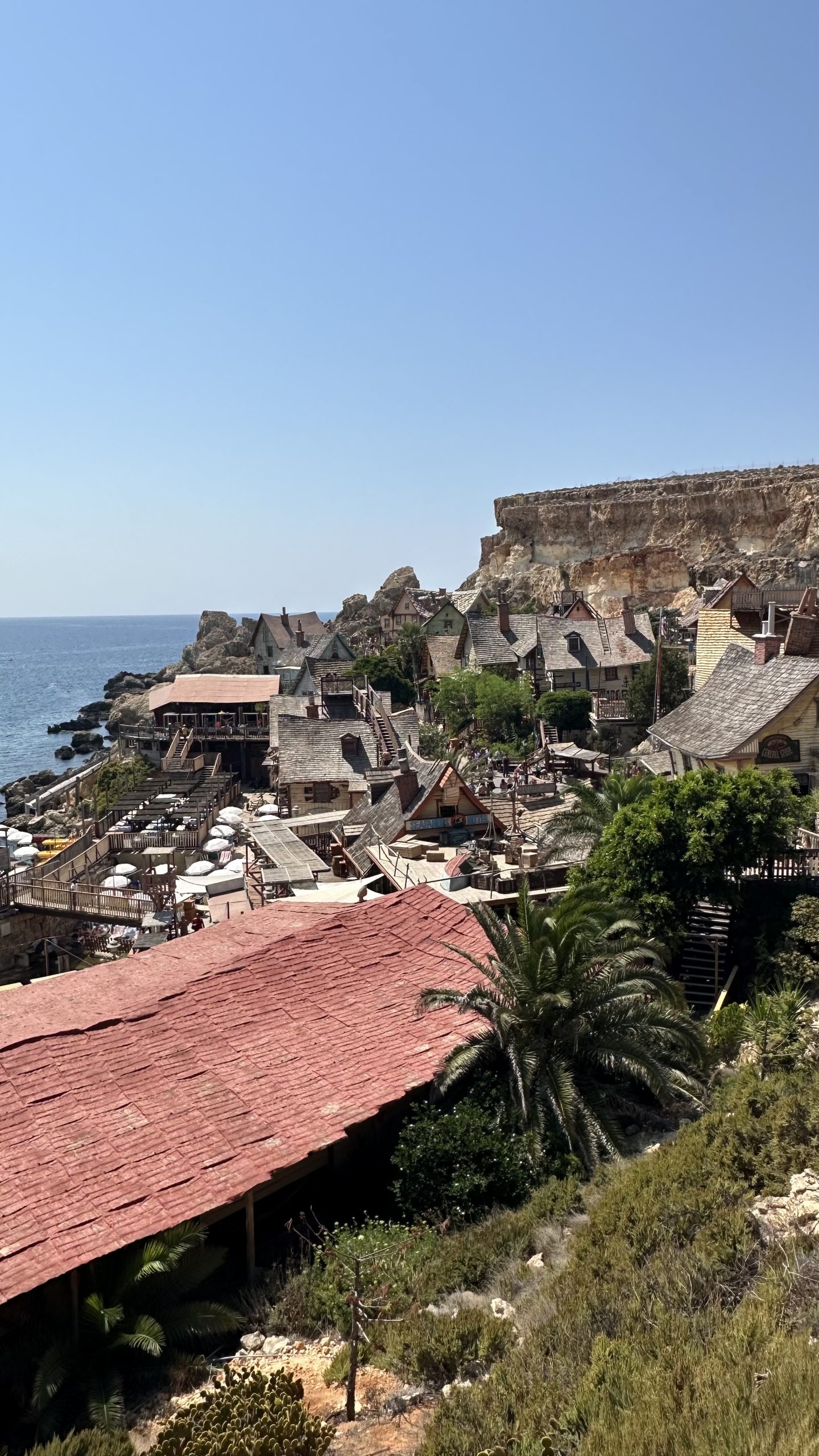
My final stop that day was Popeye Village in Mellieħa.
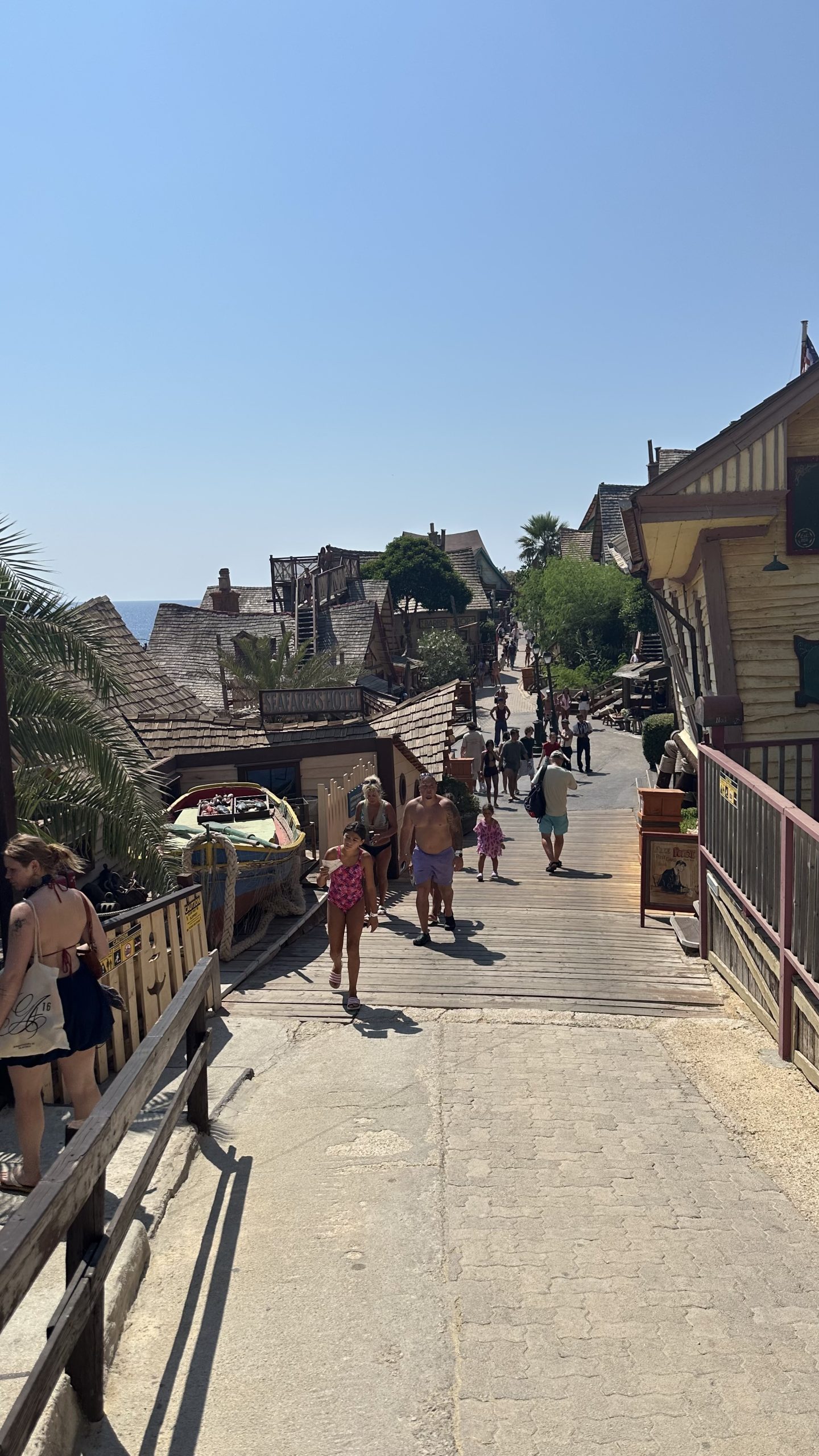
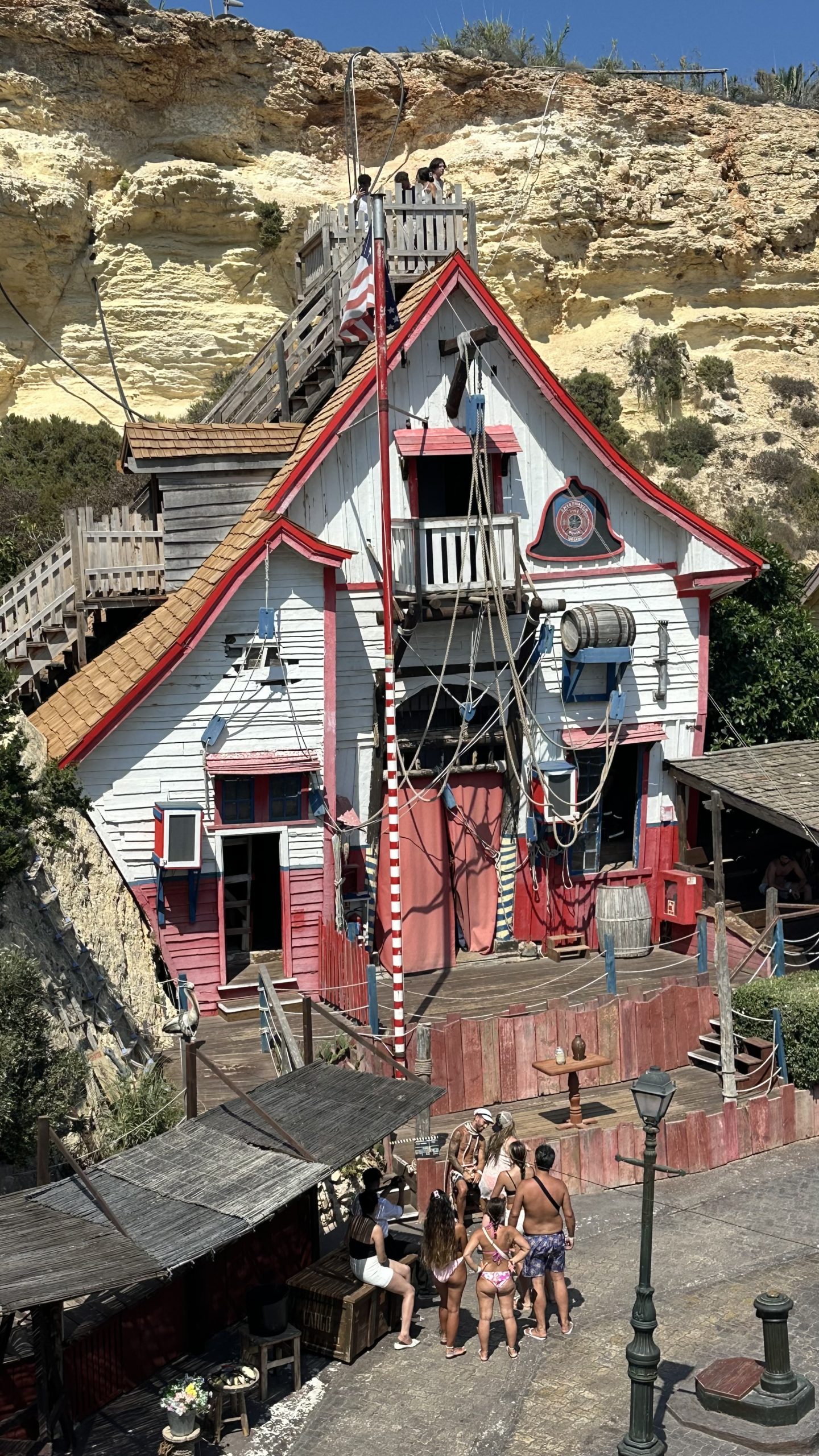
And yes, it really is the original film set from the 1980 Popeye movie with Robin Williams.
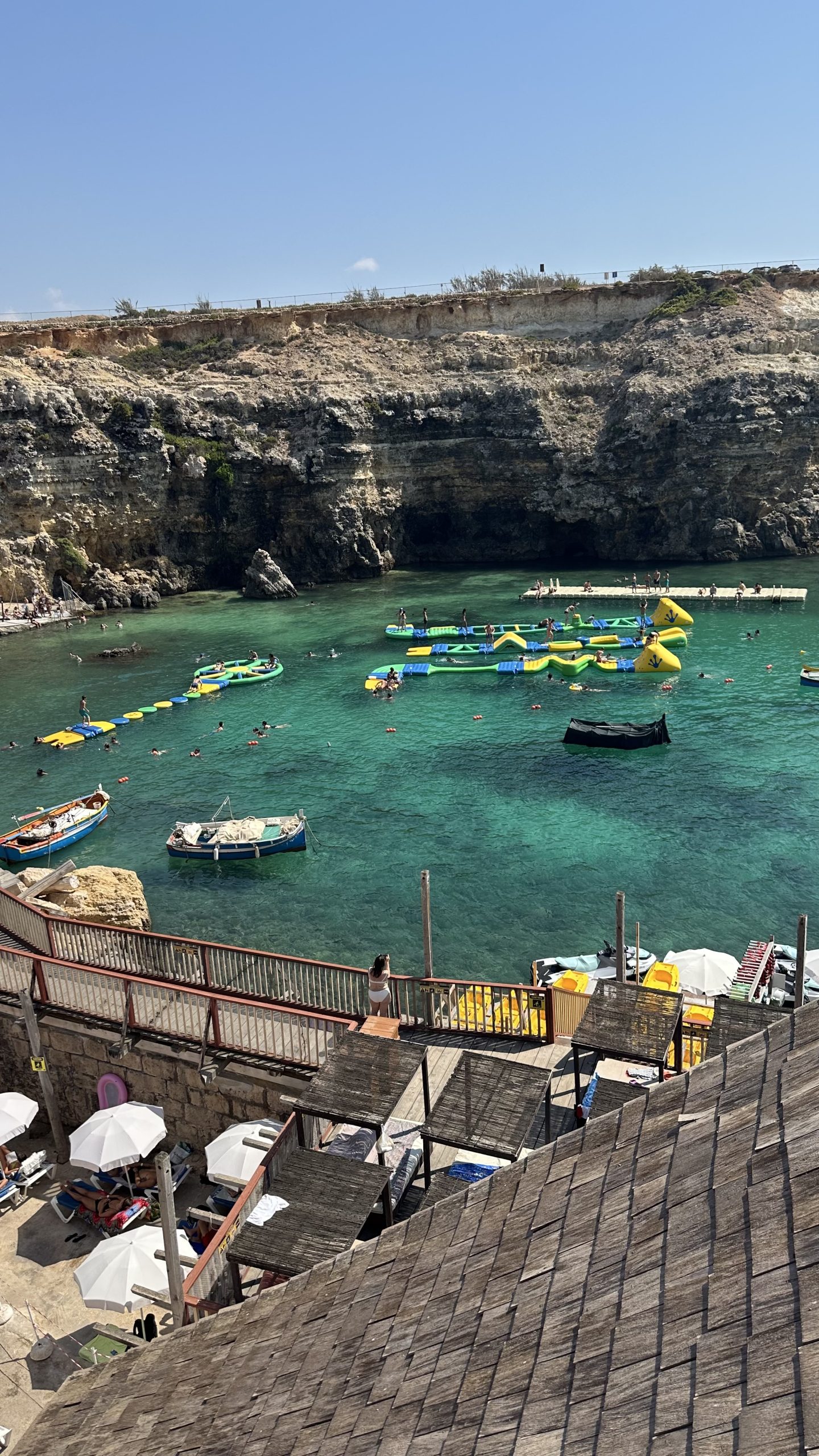
The colourful wooden village was built for the film and has since been turned into a playful, interactive attraction. I could walk into the different buildings – including a dentist’s office, library and little homes – while actors dressed as Popeye characters wandered around, joked with visitors and made the whole place feel a little like a charming, slightly quirky version of Disneyland.
There are also games, swimming opportunities and a floating water park in summer. I did not try the water activities myself, but they looked like great fun.
Comino, the Blue Lagoon and Malta’s Silent City
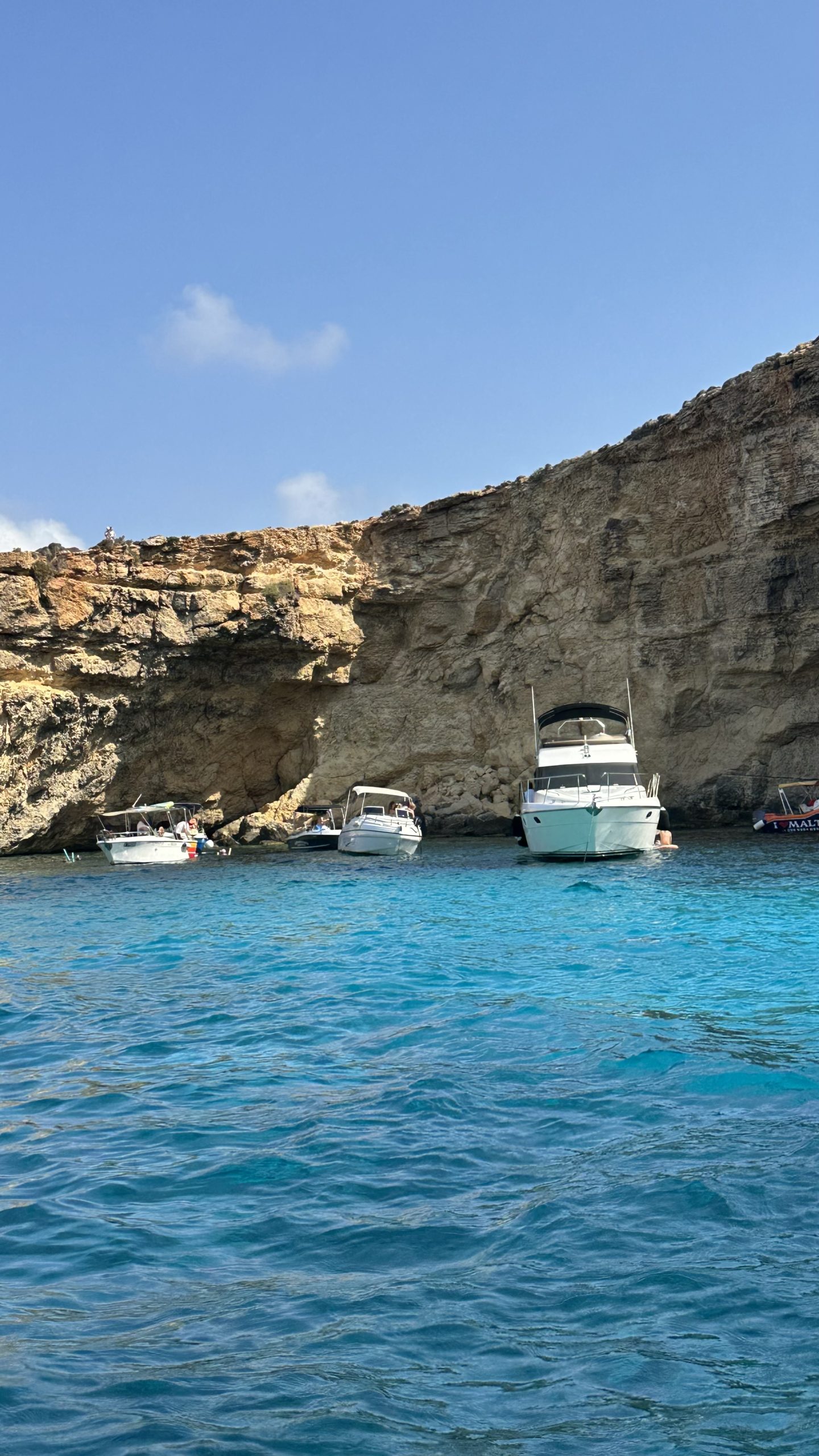
On my fourth day, I took a small-group boat tour from St Paul’s Bay.
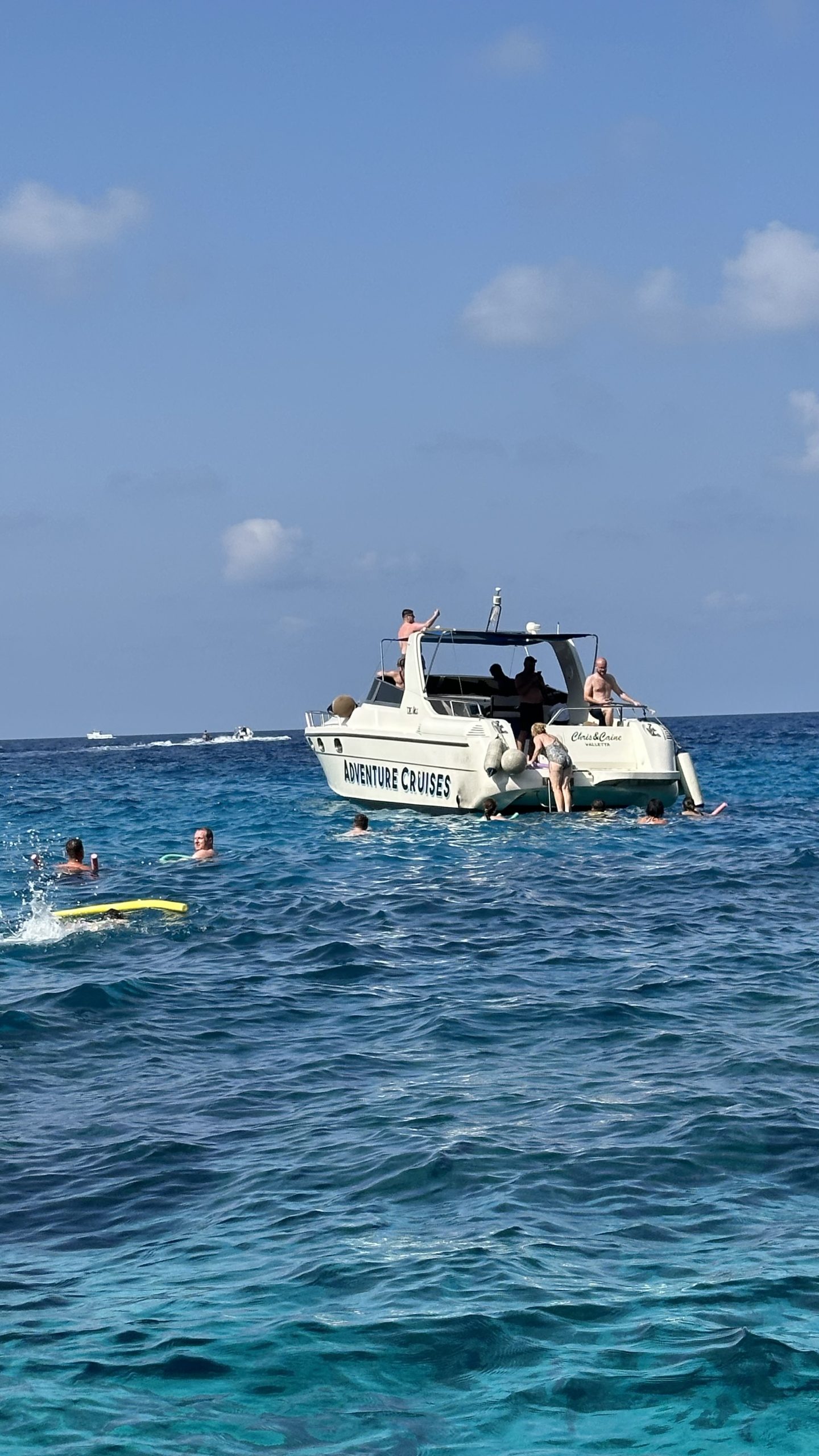
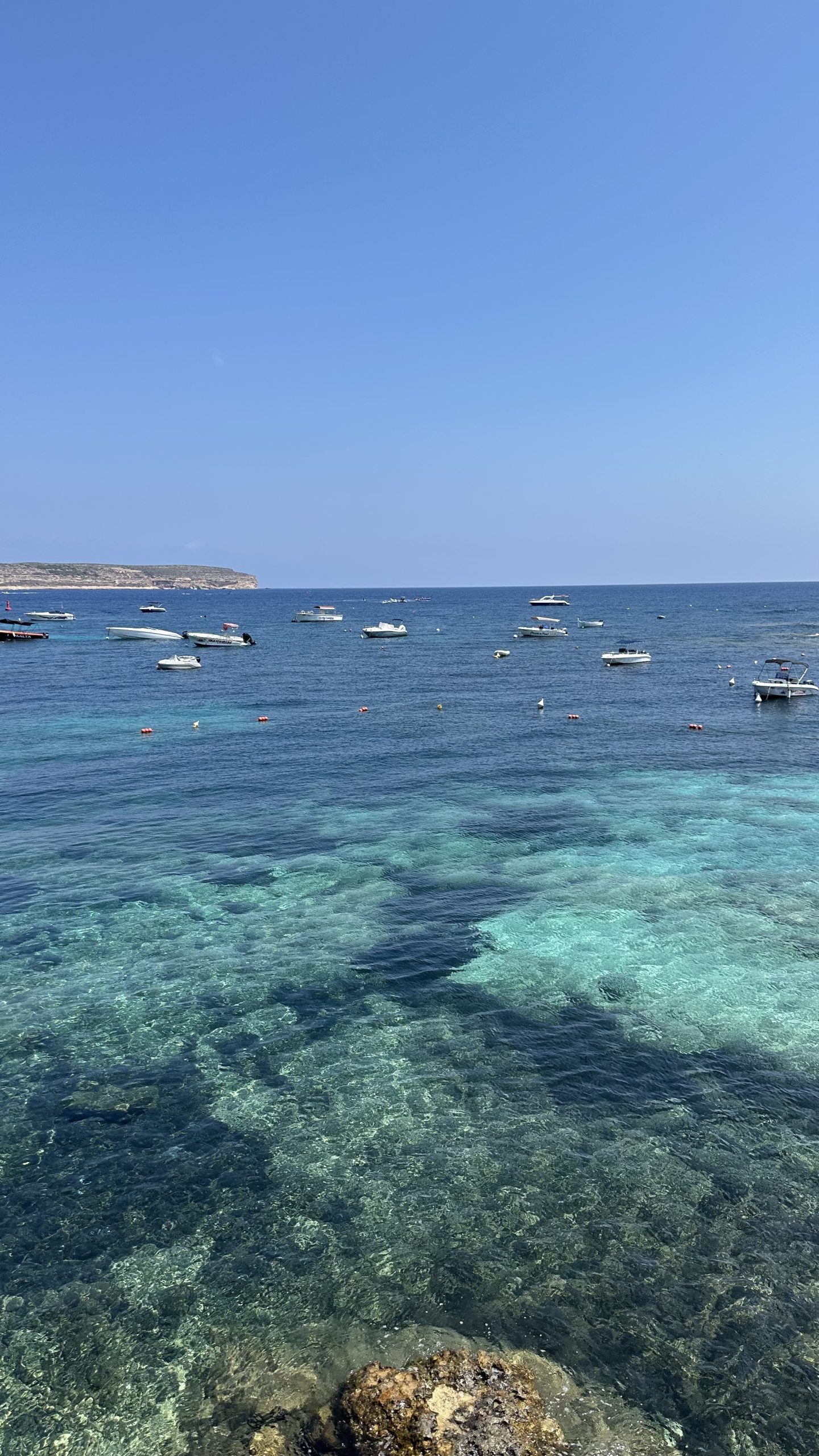
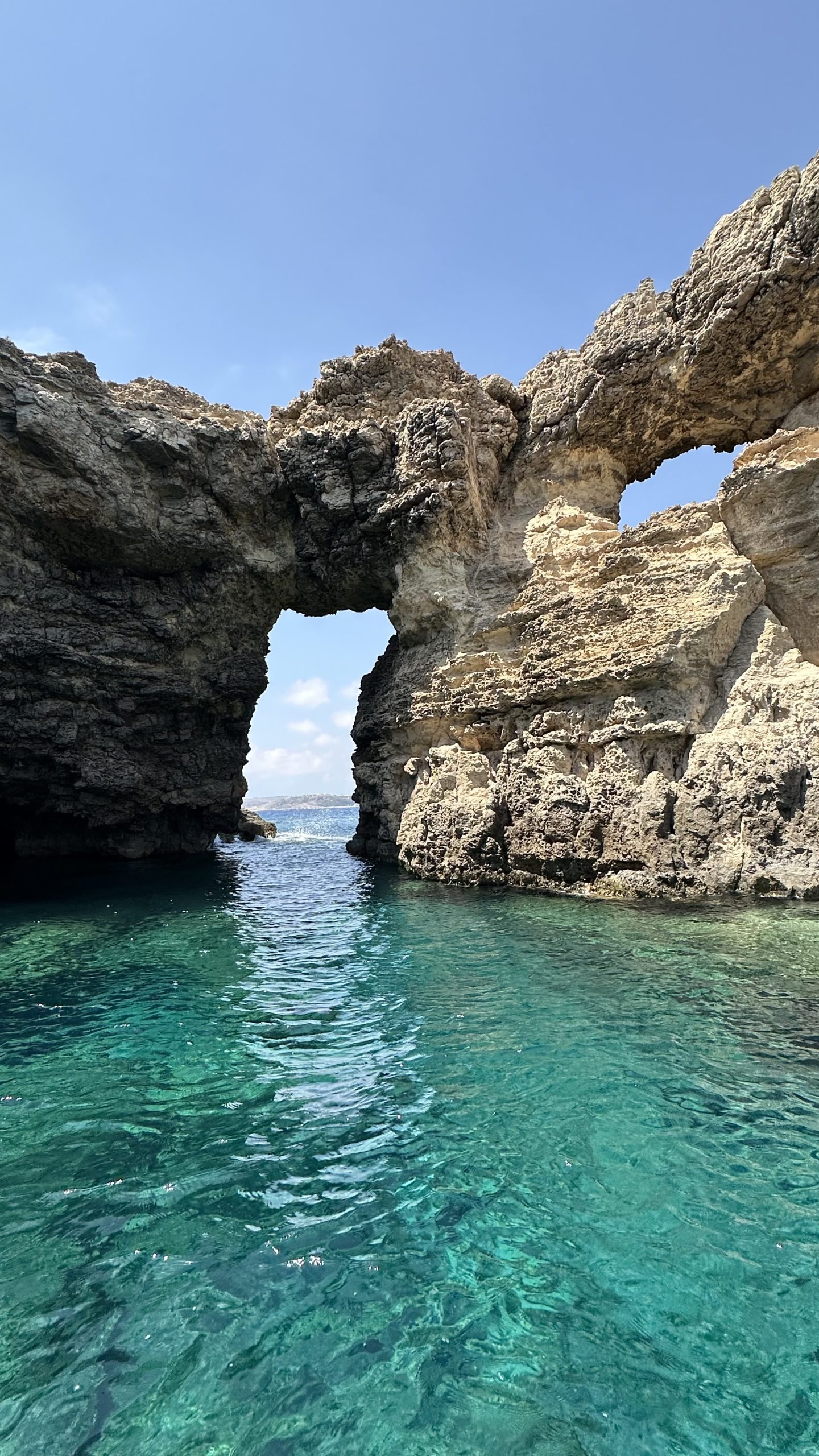
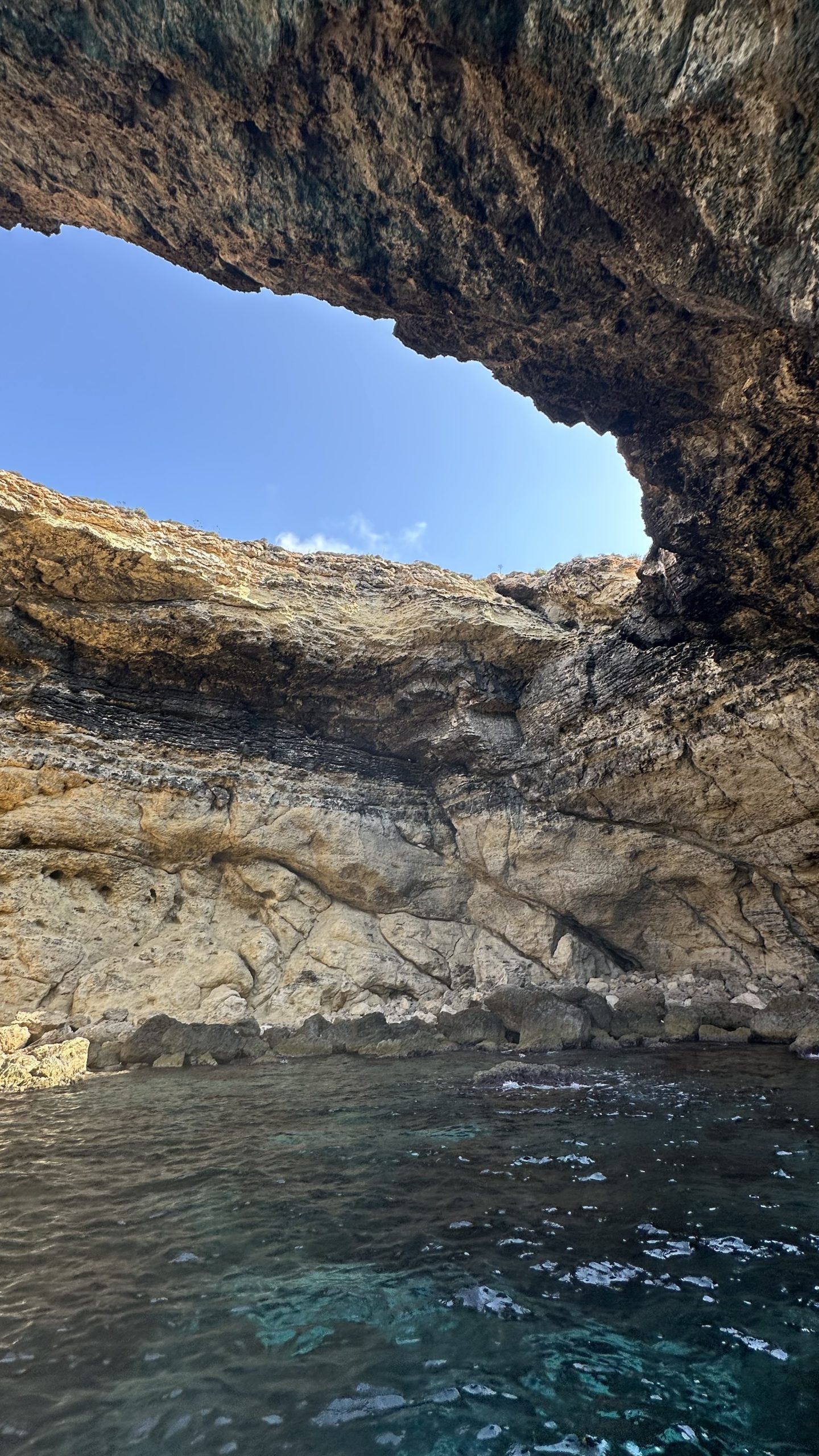
There were only a few other people on board, which made it feel much more personal than some of the larger boats we saw later. We cruised past Mellieħa and Comino, explored several caves and stopped for a swim in the clearest, bluest water imaginable.
Some of the larger boats nearby were full-on party boats, with many people and music, while mine was much calmer, which suited me perfectly.
We also reached the Blue Lagoon at Comino.
The water was spectacular, but the shore itself was extremely crowded, with lots of stalls and people arriving from bigger boats. Instead of joining the crowds, I simply enjoyed the view and the water from our boat.
Our guide even called over someone selling snacks and drinks from a jet ski, so I could enjoy a cold ice cream while swimming in the crystal-clear water.
Not a bad way to experience the Blue Lagoon.
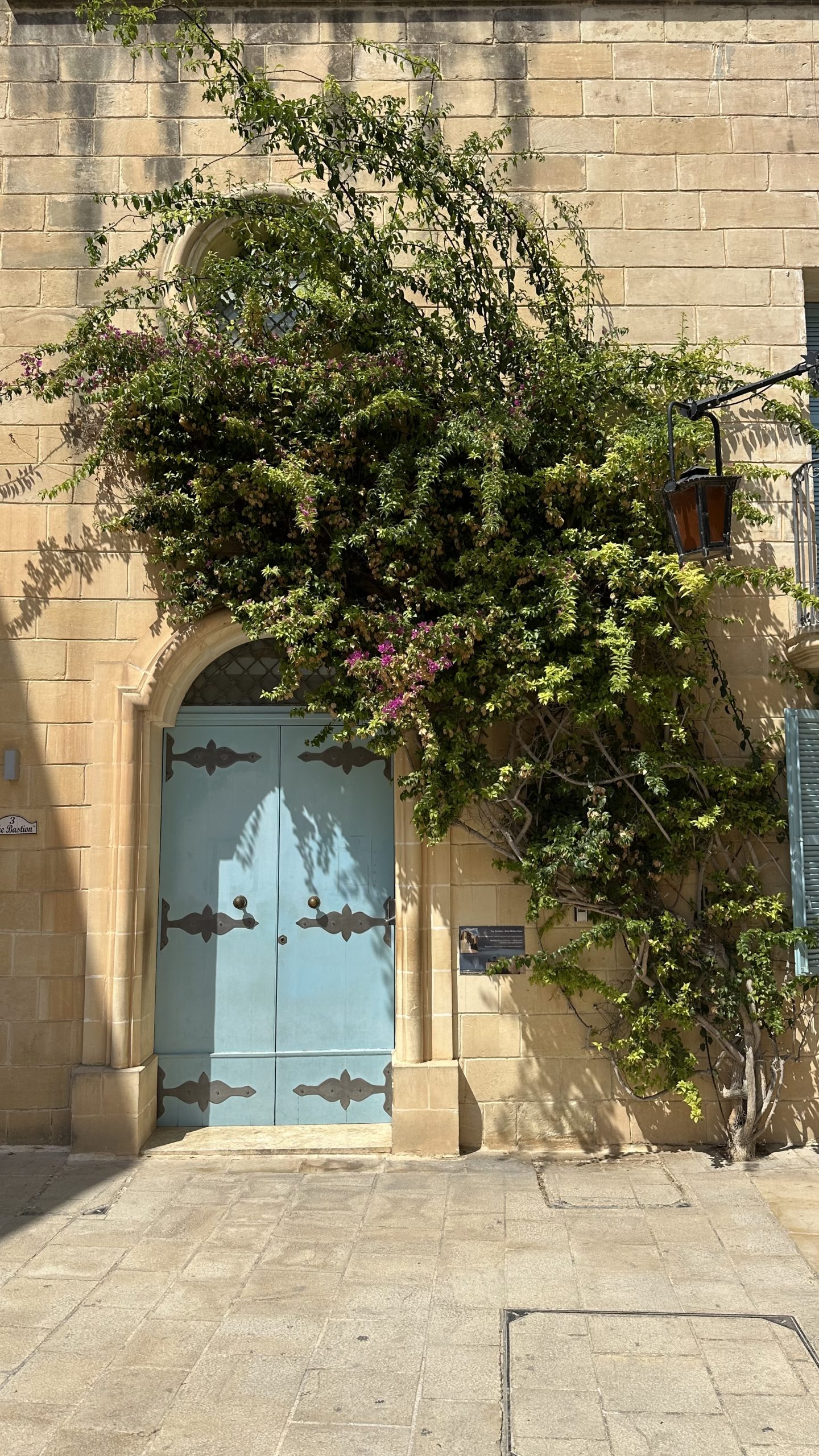
After returning to land, I drove inland to Mdina.
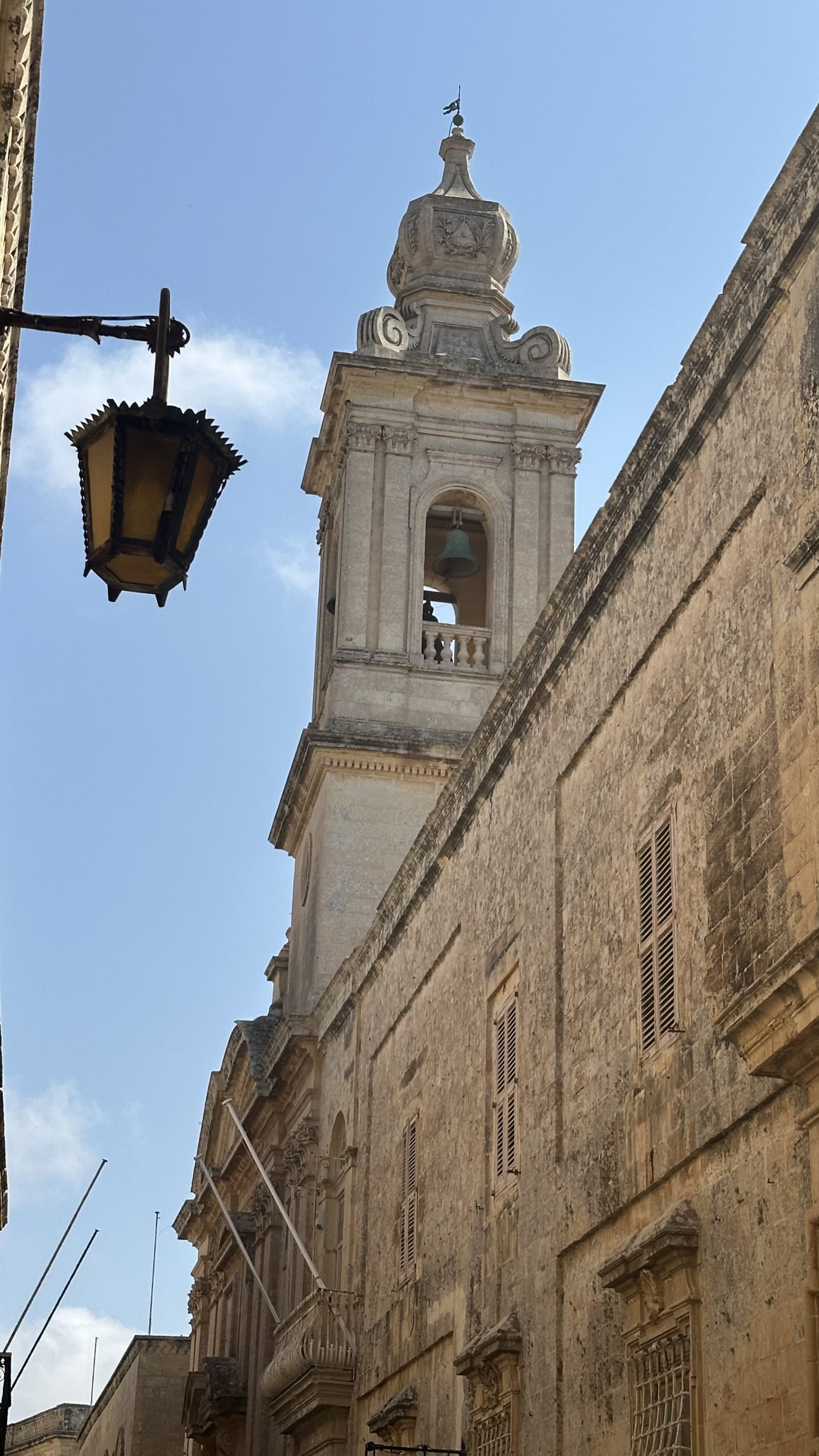
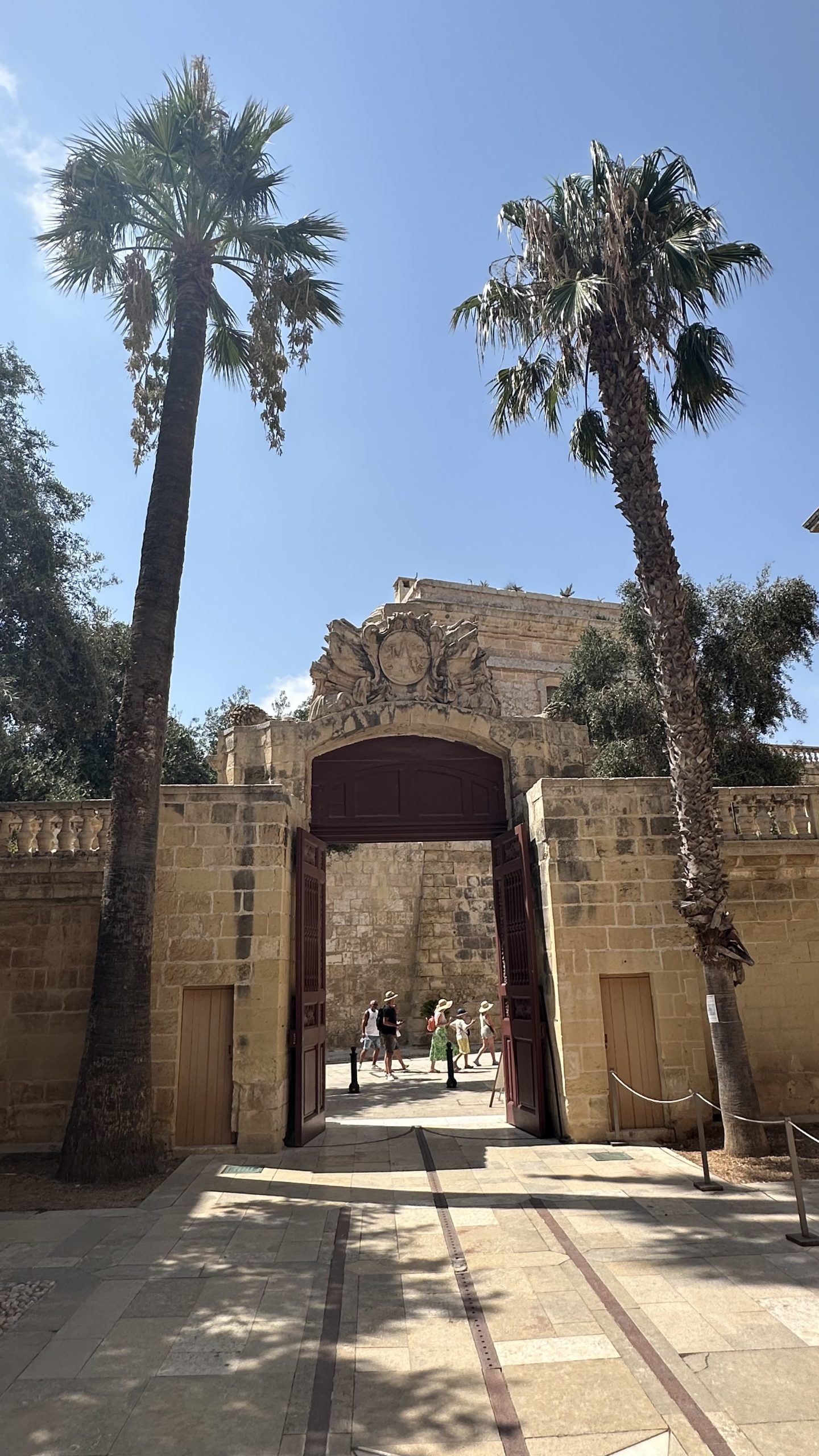
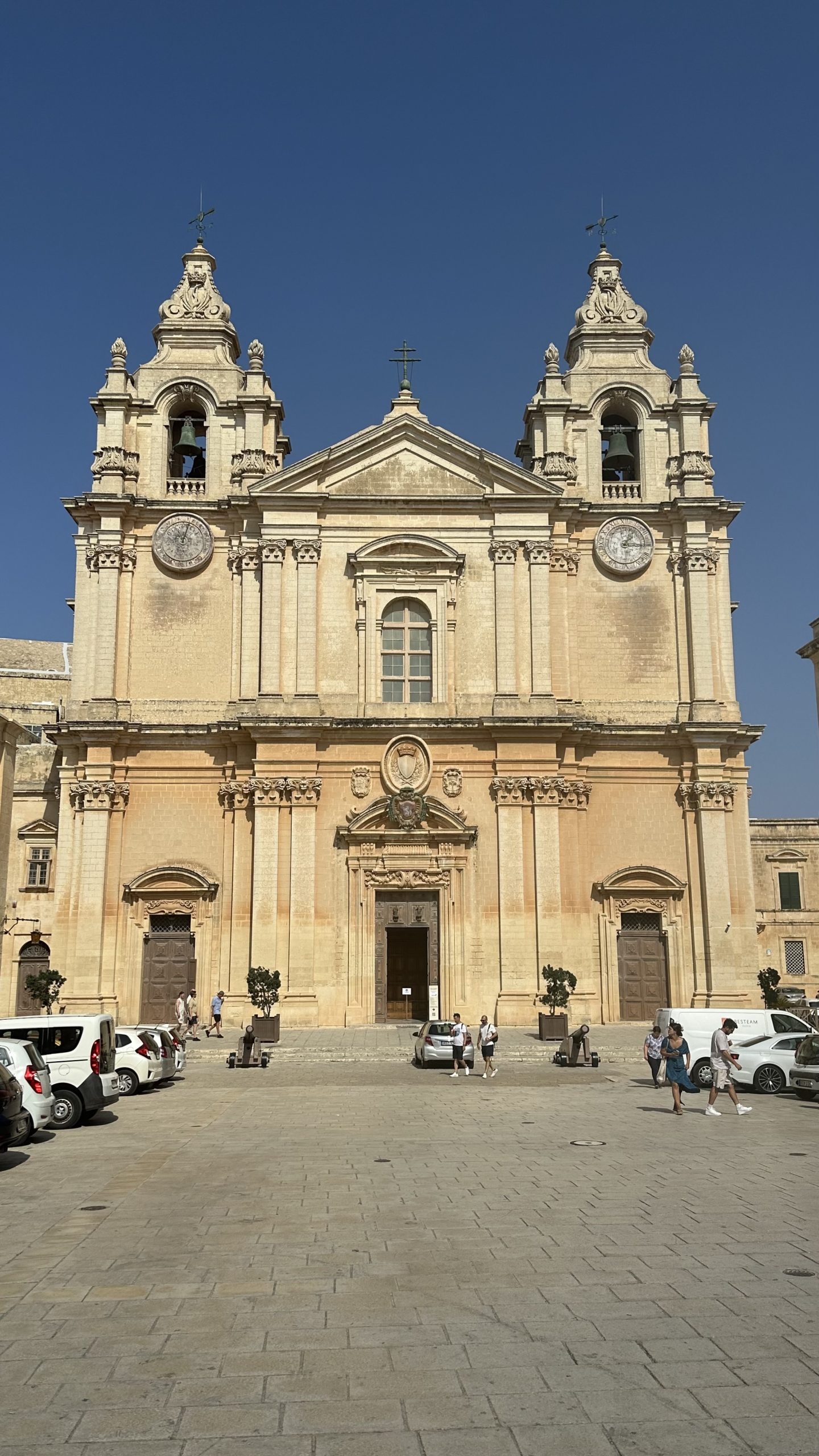
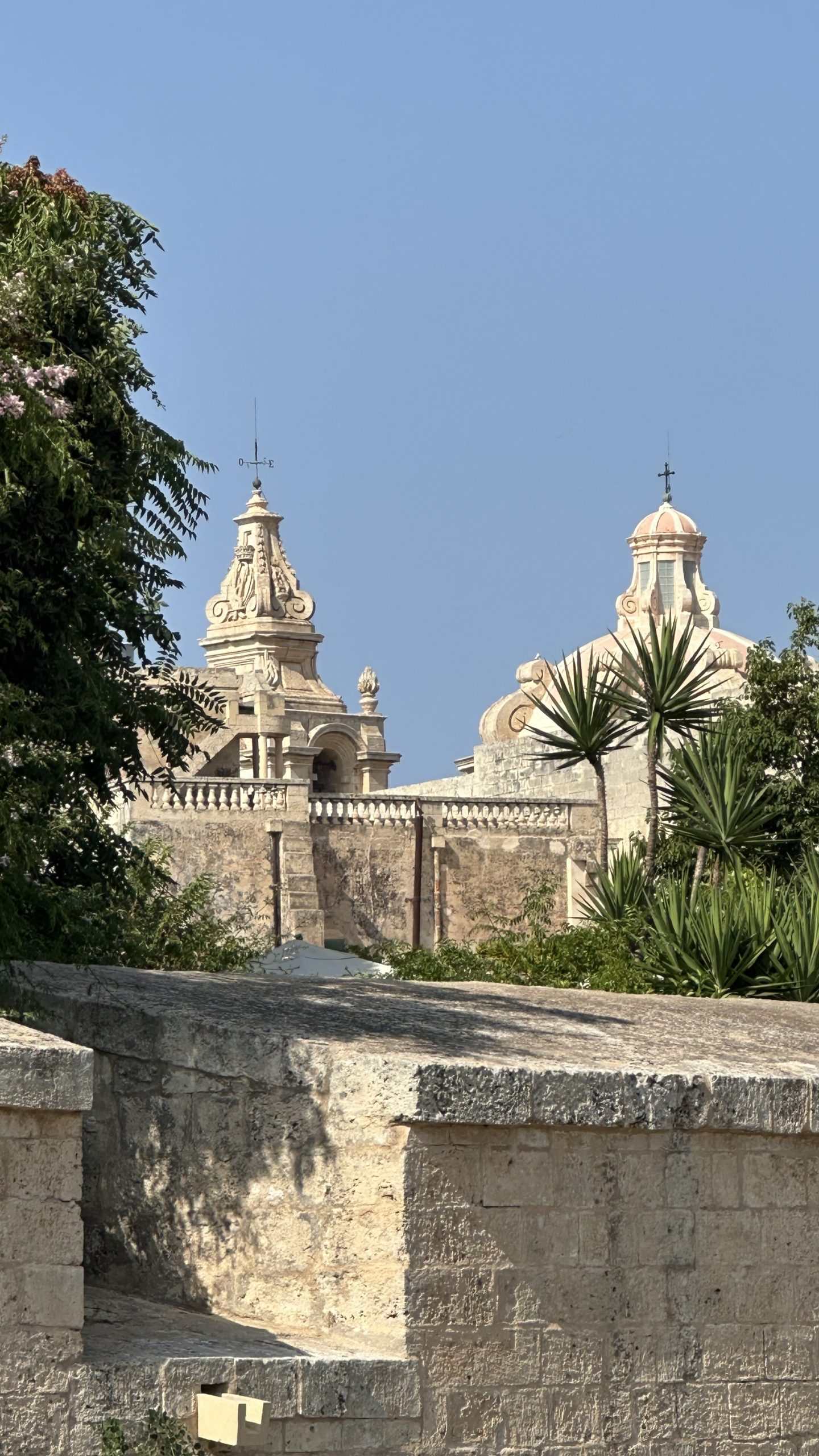
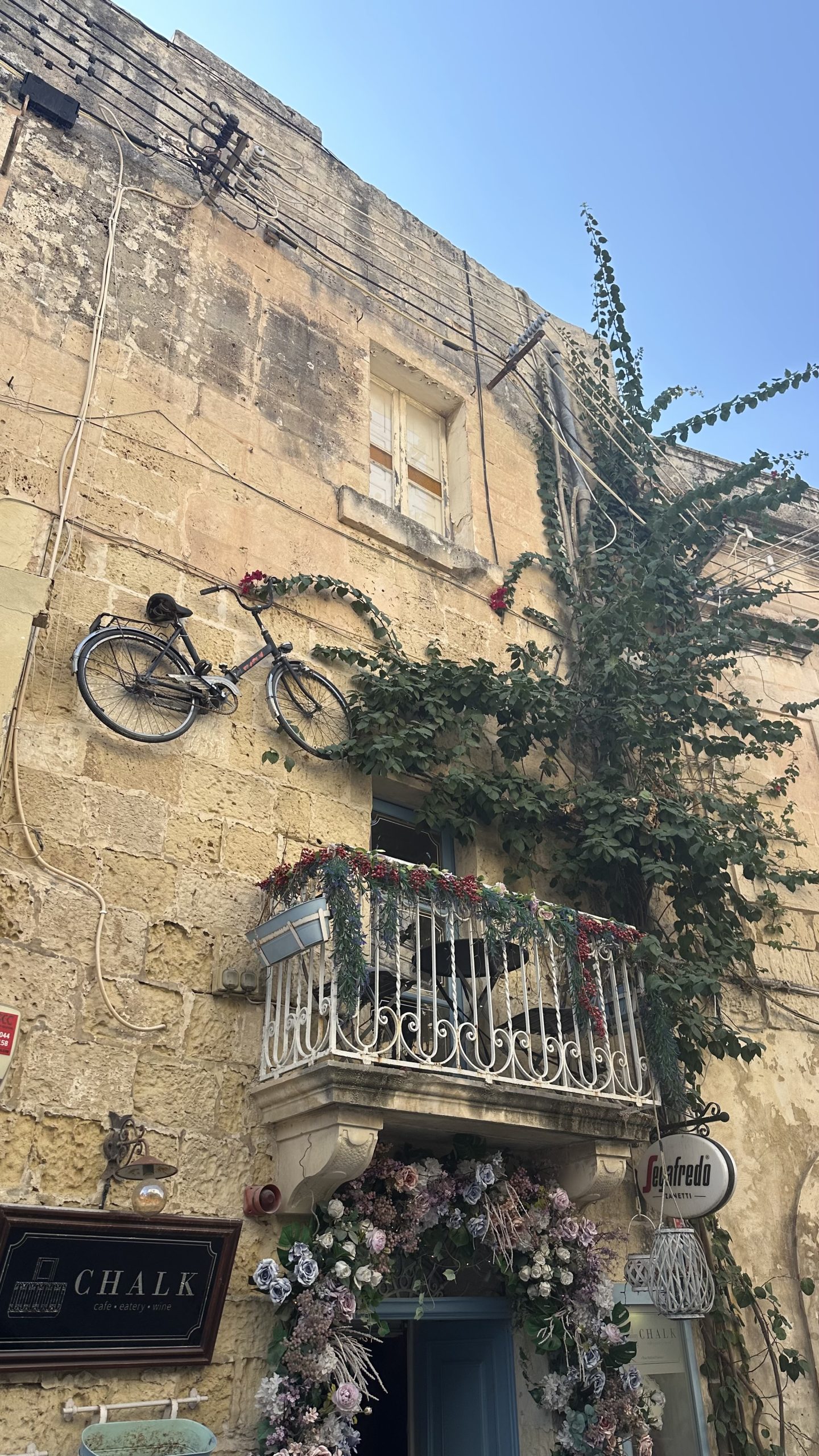
Often called Malta’s Silent City, Mdina is a beautiful old walled city built in warm, honey-colouredstone. It is perfect for wandering: quiet lanes, colourful windows and so many little details everywhere you look.
It is one of those places where there is no need for a strict sightseeing plan.
Just walk, look around and enjoy the atmosphere.
From Mdina, I continued to nearby Rabat and visited St Paul’s Catacombs.
The underground burial chambers are fascinating, atmospheric and, admittedly, a little scary. I had to crouch a lot, but that was worth it. Walking through the passages and seeing this hidden part of Malta’s history was a completely different experience from the sunny coast and lively harbour towns.
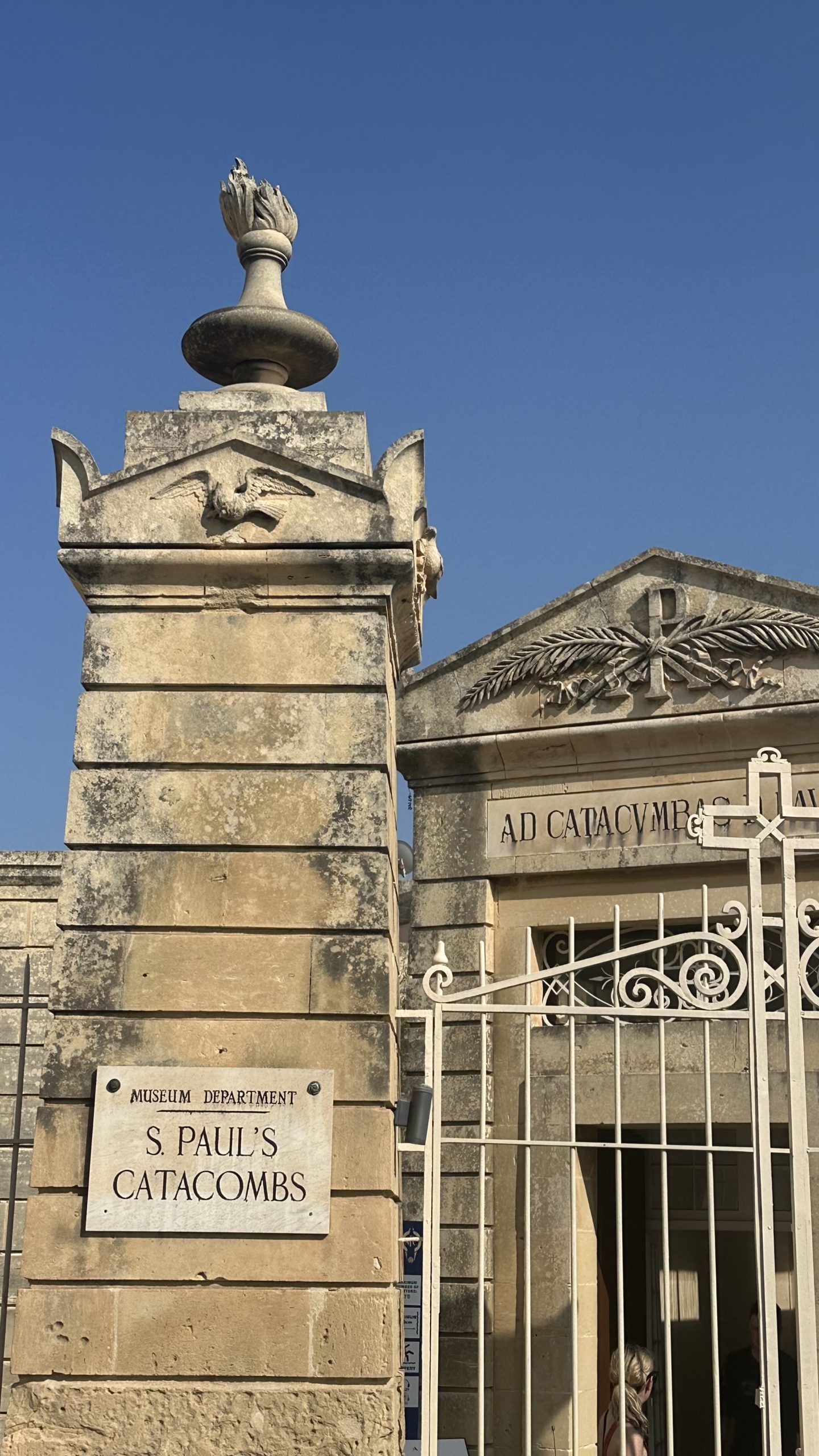
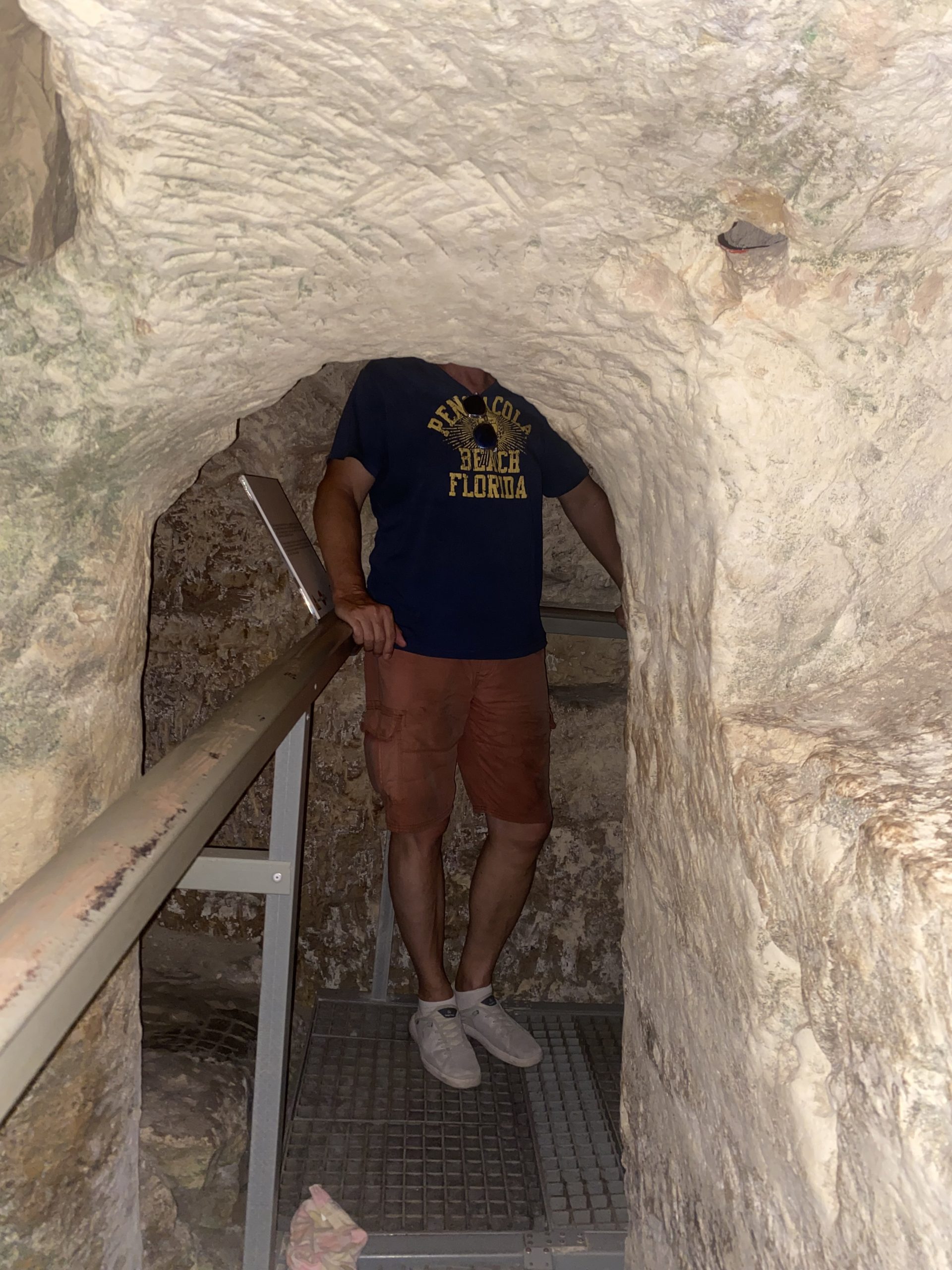
inside St Paul’s Catacombs
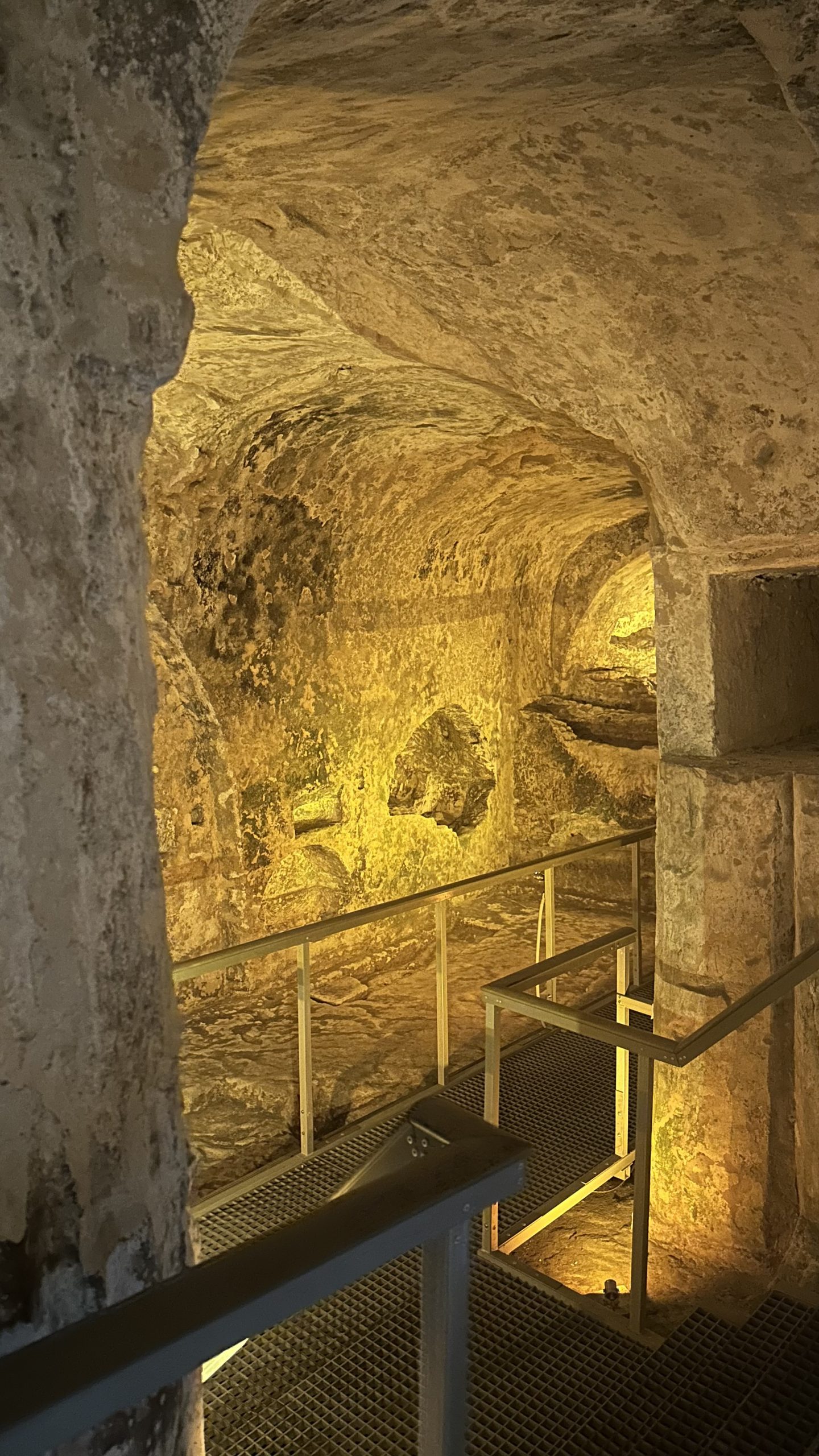
Gozo by Quad Bike
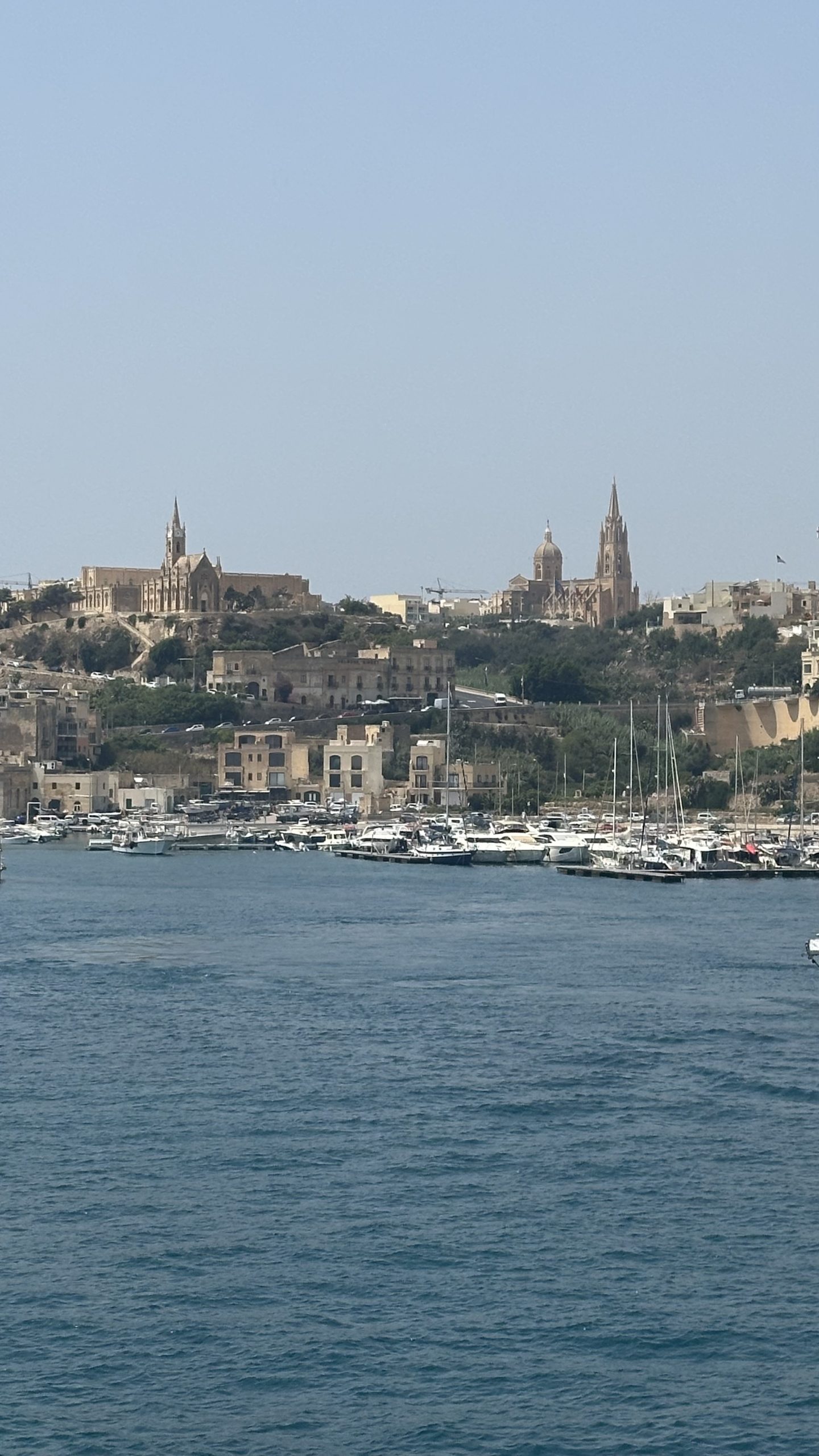
The following day, I took the ferry from Ċirkewwa in northern Malta to Mġarr Harbour on Gozo.
Gozo is Malta’s smaller neighbouring island, but it has a completely different feel: quieter, more ruraland wonderfully easy to explore.
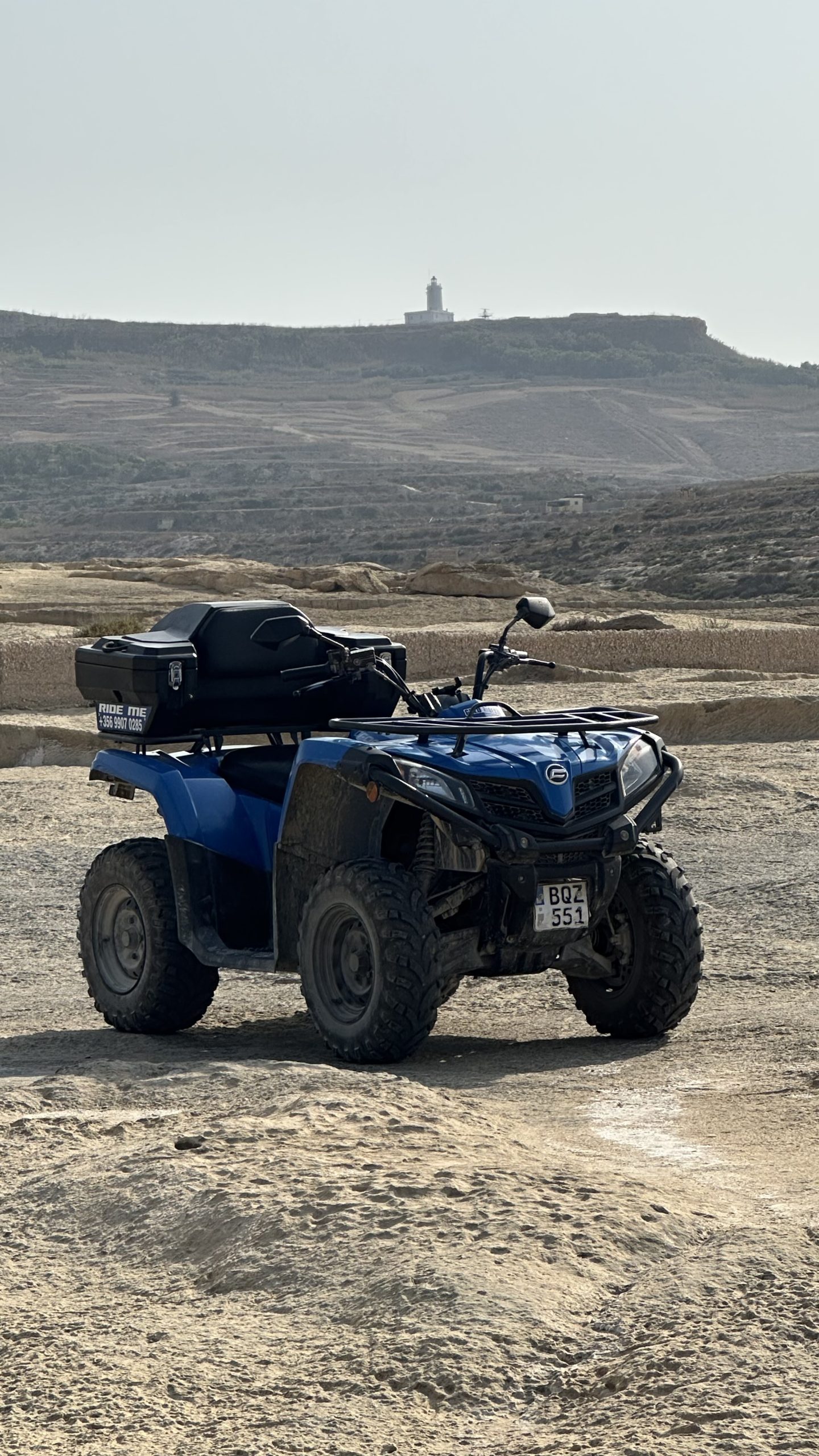
I rented a quad bike and spent the day driving across the island. Much of the route followed regular roads, but there were also rougher trails and plenty of scenic stops along the way.
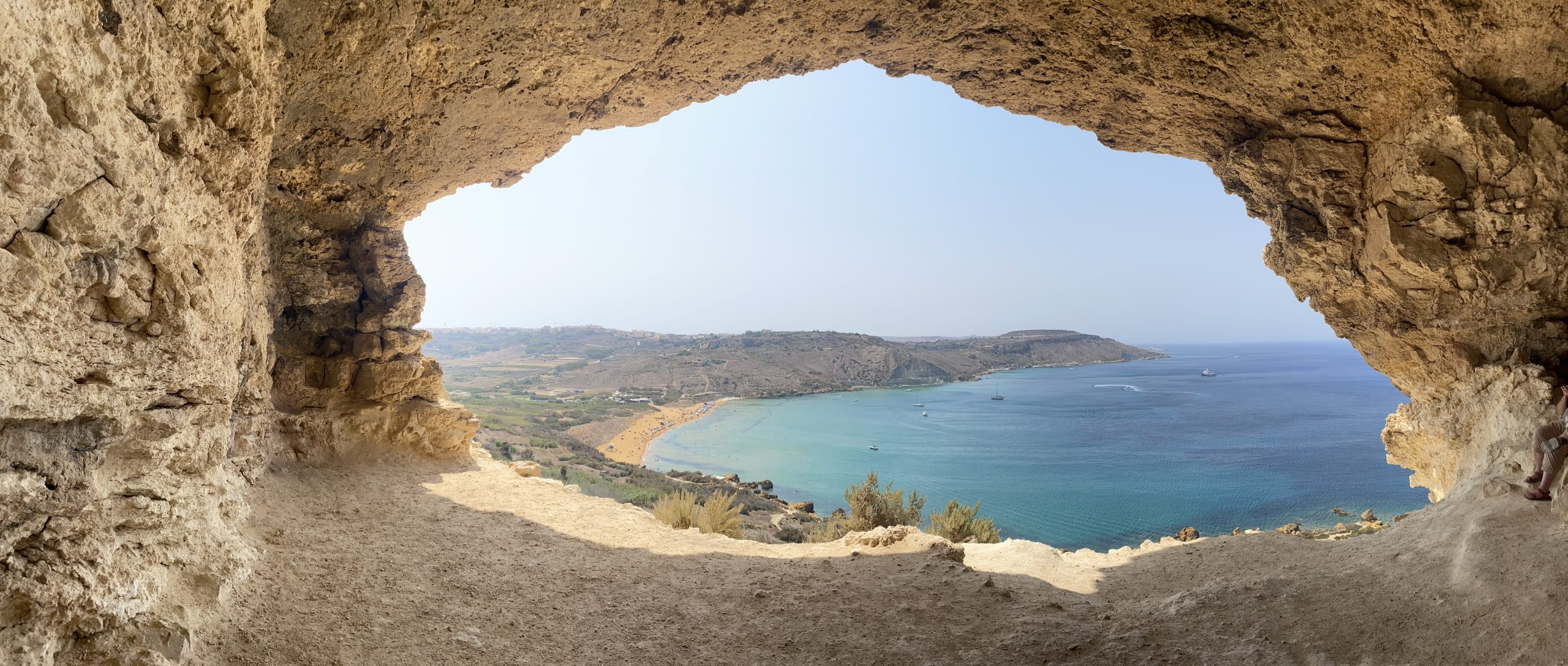
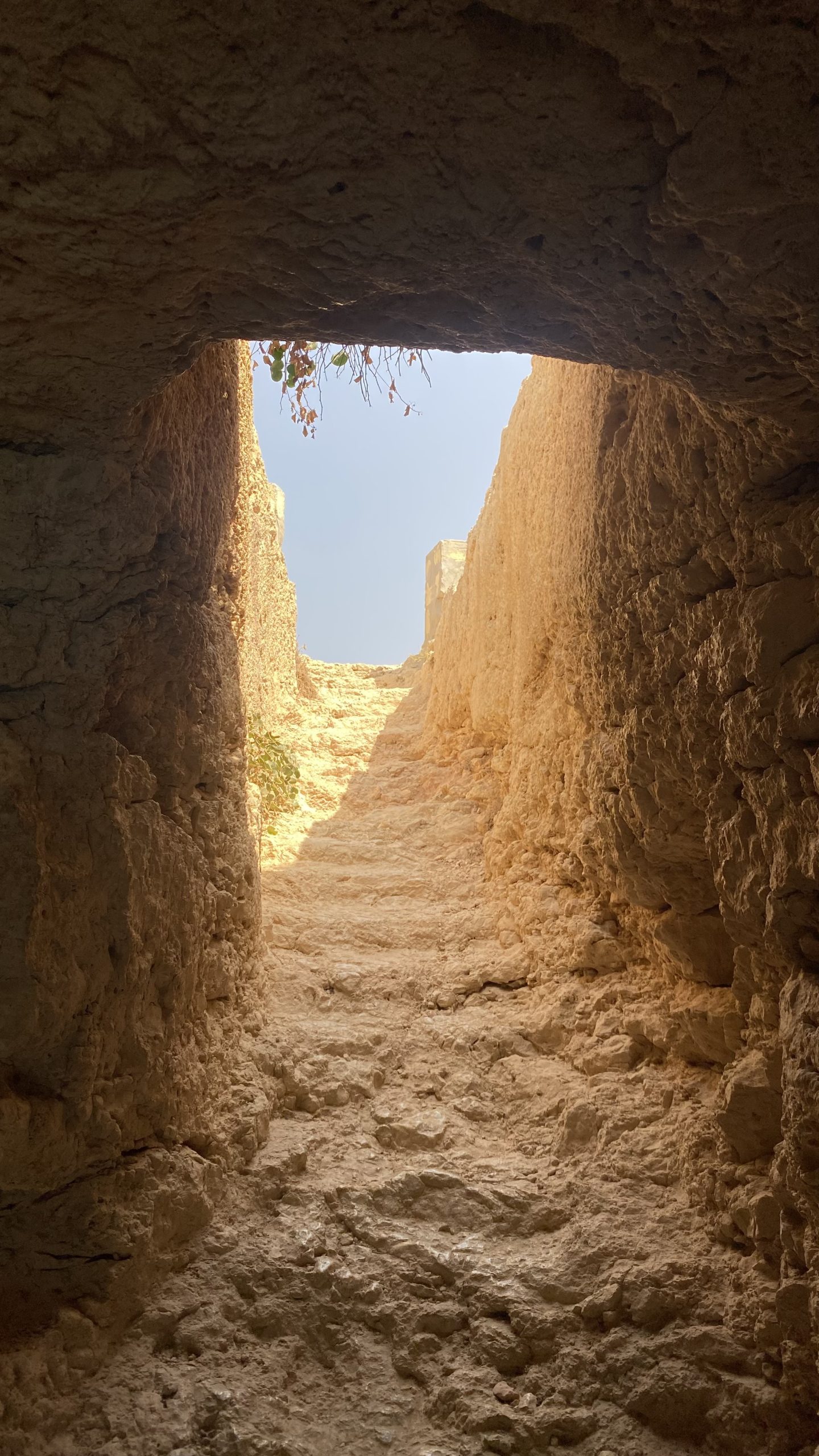
I visited Tal-Mixta Cave, reached by descending a steep flight of stairs into what initially feels like an ordinary opening in the rocky landscape.
As you make your way down into the cave, you would never expect to find such breathtaking scenery waiting below. The dark, rugged interior opens onto a spectacular view of Ramla Bay, with its golden beach, clear blue water and dramatic surrounding cliffs.
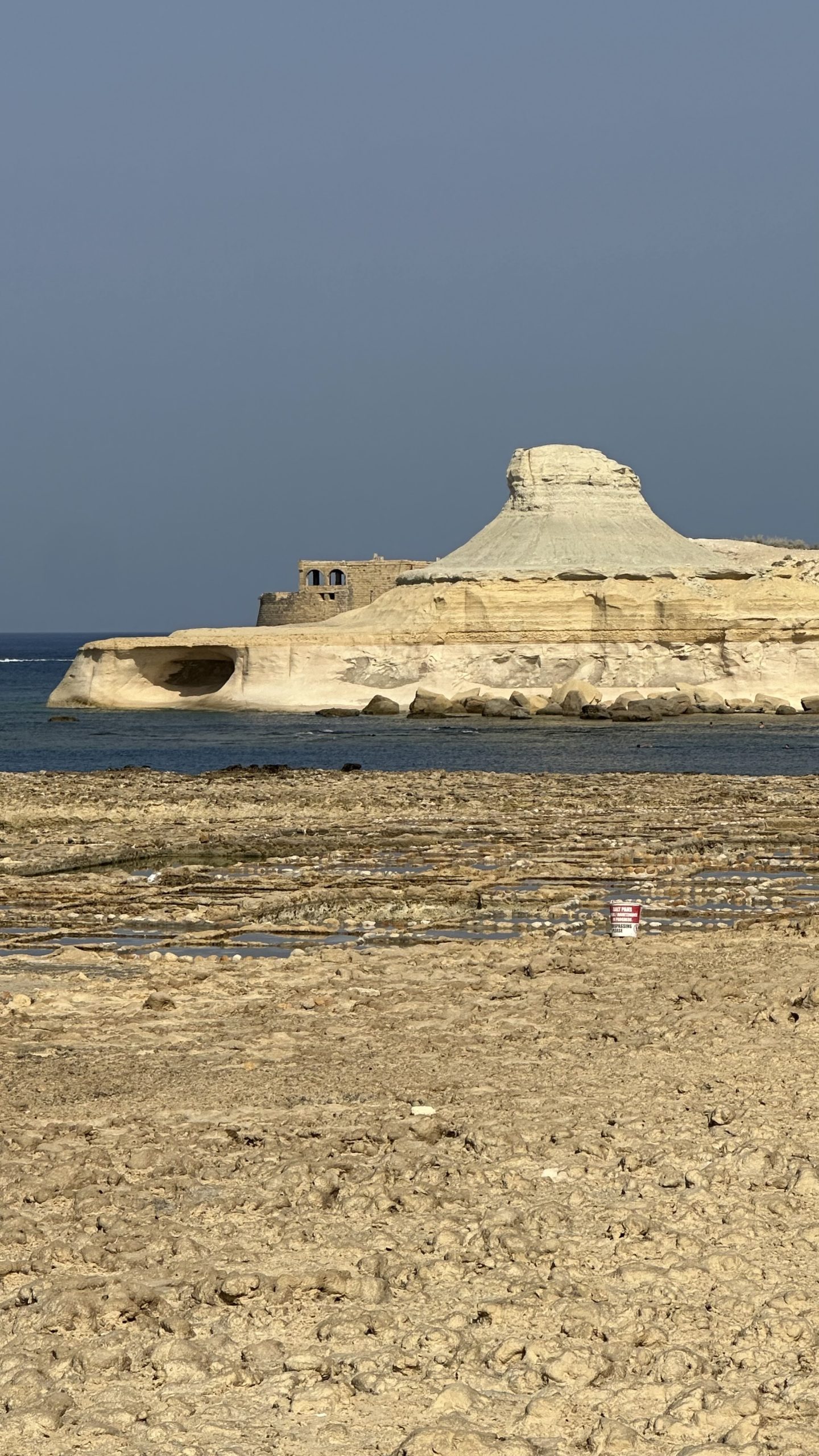
I also stopped at the Xwejni Salt Pans and watched the geometric patterns of the old salt fields stretching along the shoreline.
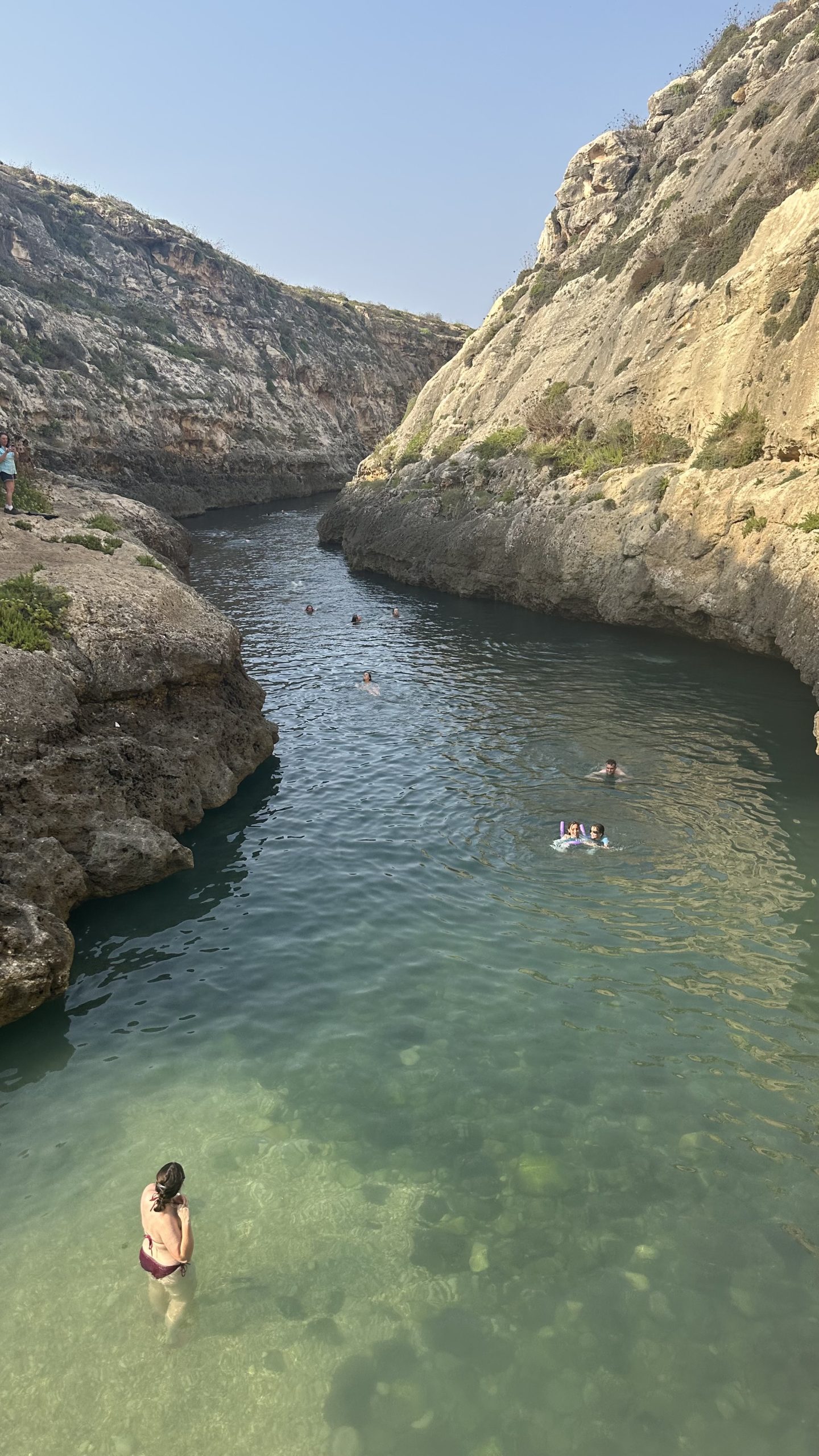
Then came one of my favourite Gozo discoveries: Wied il-Għasri.
A long staircase leads down into a narrow rocky inlet that feels almost isolated from the rest of the world. The water winds between high cliffs, creating something between a tiny fjord and a canyon.
The atmosphere was calm, the people seemed quieter, and it truly felt like a place to switch off, enjoy the moment and appreciate the wonders of nature.
Beautiful, peaceful and ideal for a swim – I barely wanted to leave.
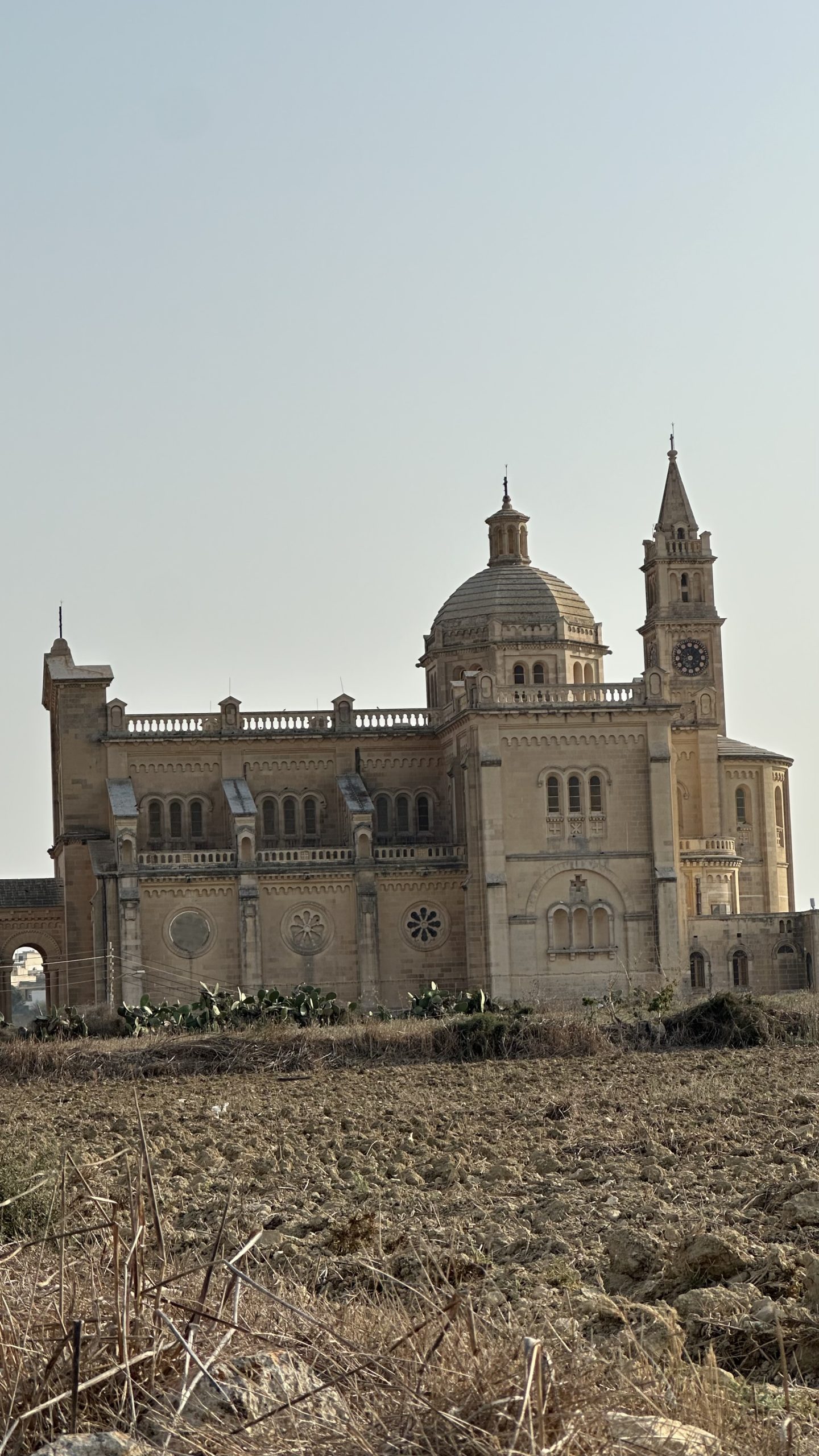
I also stopped at the Ta’ Pinu Basilica, a striking church standing almost alone in the open countryside, before continuing towards the west coast near San Lawrenz and Dwejra.
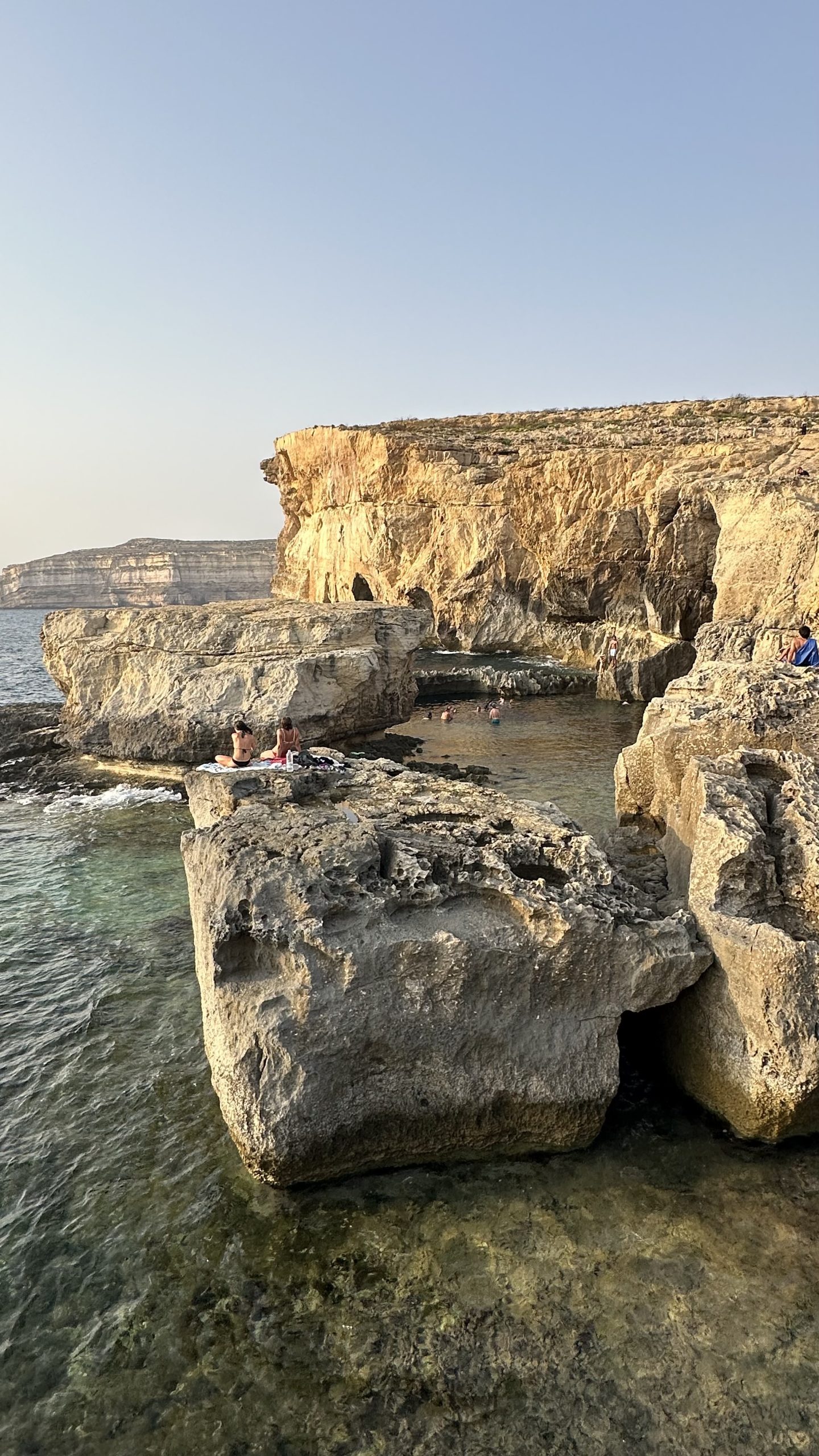
Here, the landscape becomes dramatic. I climbed and balanced across rocky ground, looked down from the high edges of the coast and quietly took in the scenery while listening to the waves crash against the rocks below.
Gozo is ideal for this kind of day: no need to rush, just drive, stop whenever something catches your eye and enjoy the changing scenery.
Diving and Sunset at Dingli Cliffs
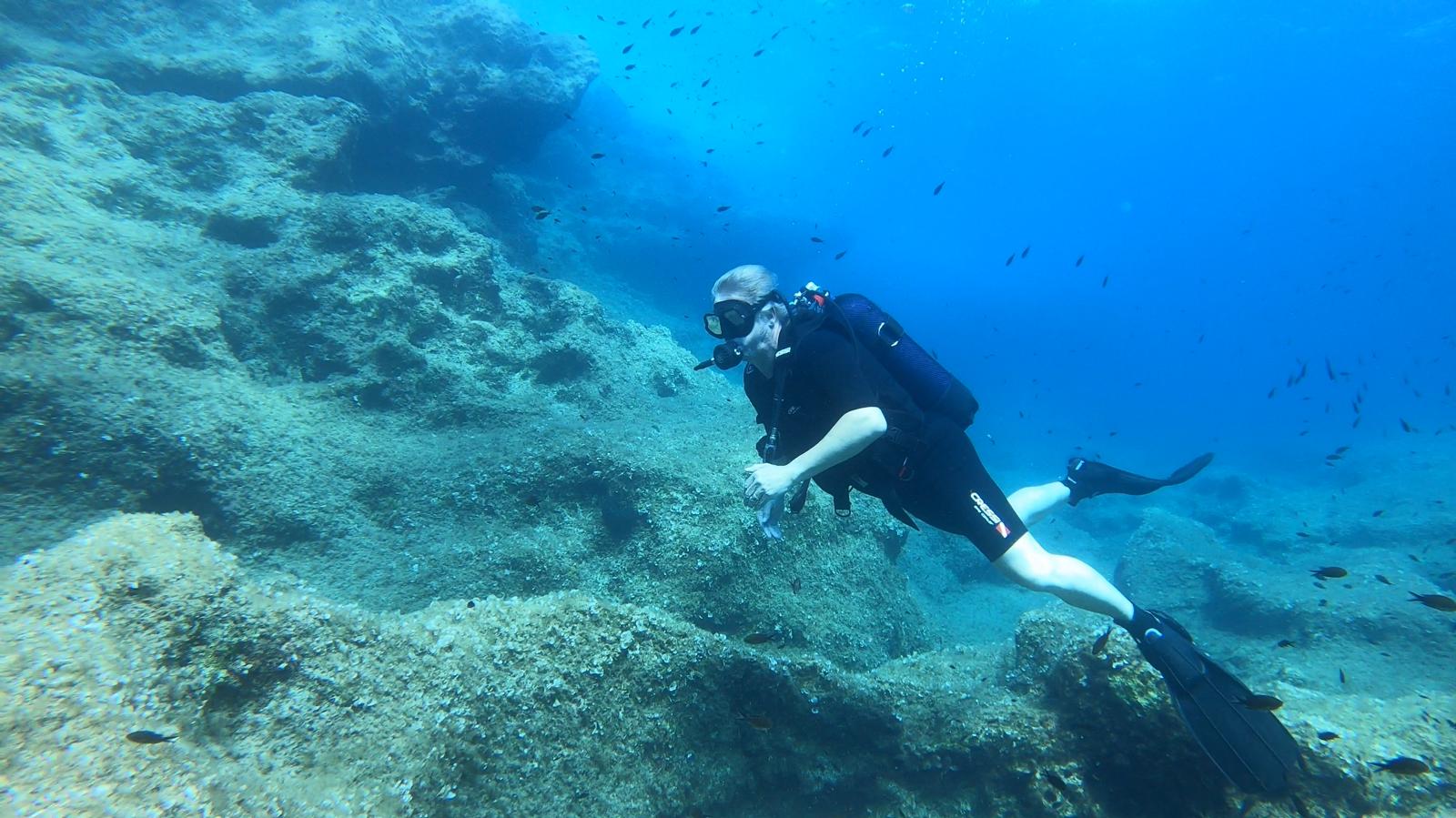
The next day brought a different kind of adventure: scuba diving.
It may look slow and peaceful from above the surface, and at times it feels wonderfully calm underwater – but it is also incredibly adventurous, exciting and full of new impressions.
I went diving with a local dive school, and the team was incredibly kind, patient and reassuring throughout.
I already have my diving licence, so it was especially fun to get back in the water. What I love about diving is that no matter where you go, every dive offers a completely new experience.
There were small fish everywhere, rocky underwater landscapes and changing depths that made the experience exciting without ever feeling overwhelming.
Afterwards, I was a little exhausted in the best possible way, so I returned to Singita Miracle Beach for another relaxed lunch.
Sometimes, when a place is that good, one visit simply is not enough.
In the evening, I drove to Dingli on Malta’s south-west coast for sunset.
The Dingli Cliffs are dramatic, open and peaceful. There were other people there, but it did not feel overcrowded. Watching the sun go down over the sea was the perfect slow ending to an otherwise active day.
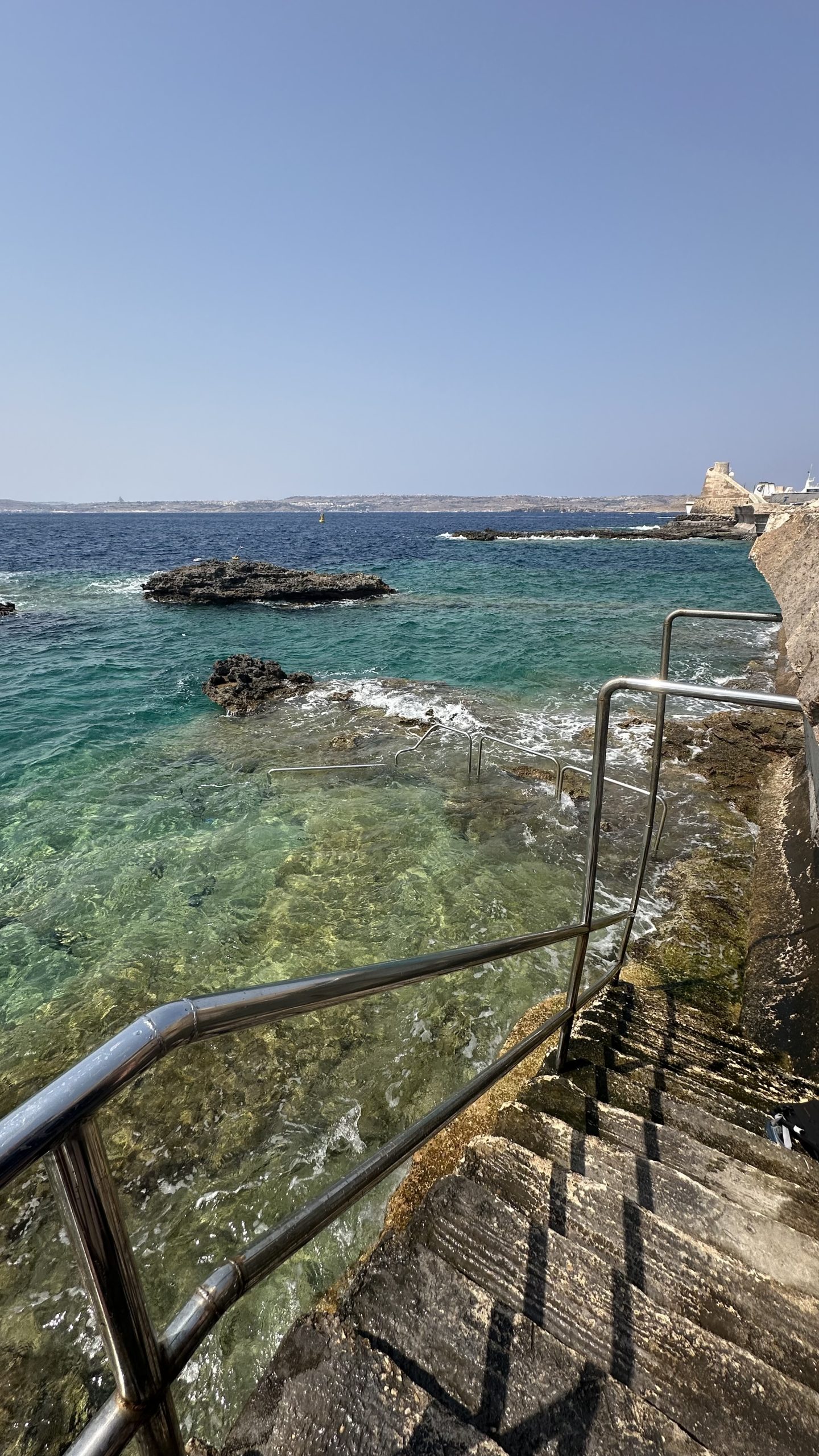
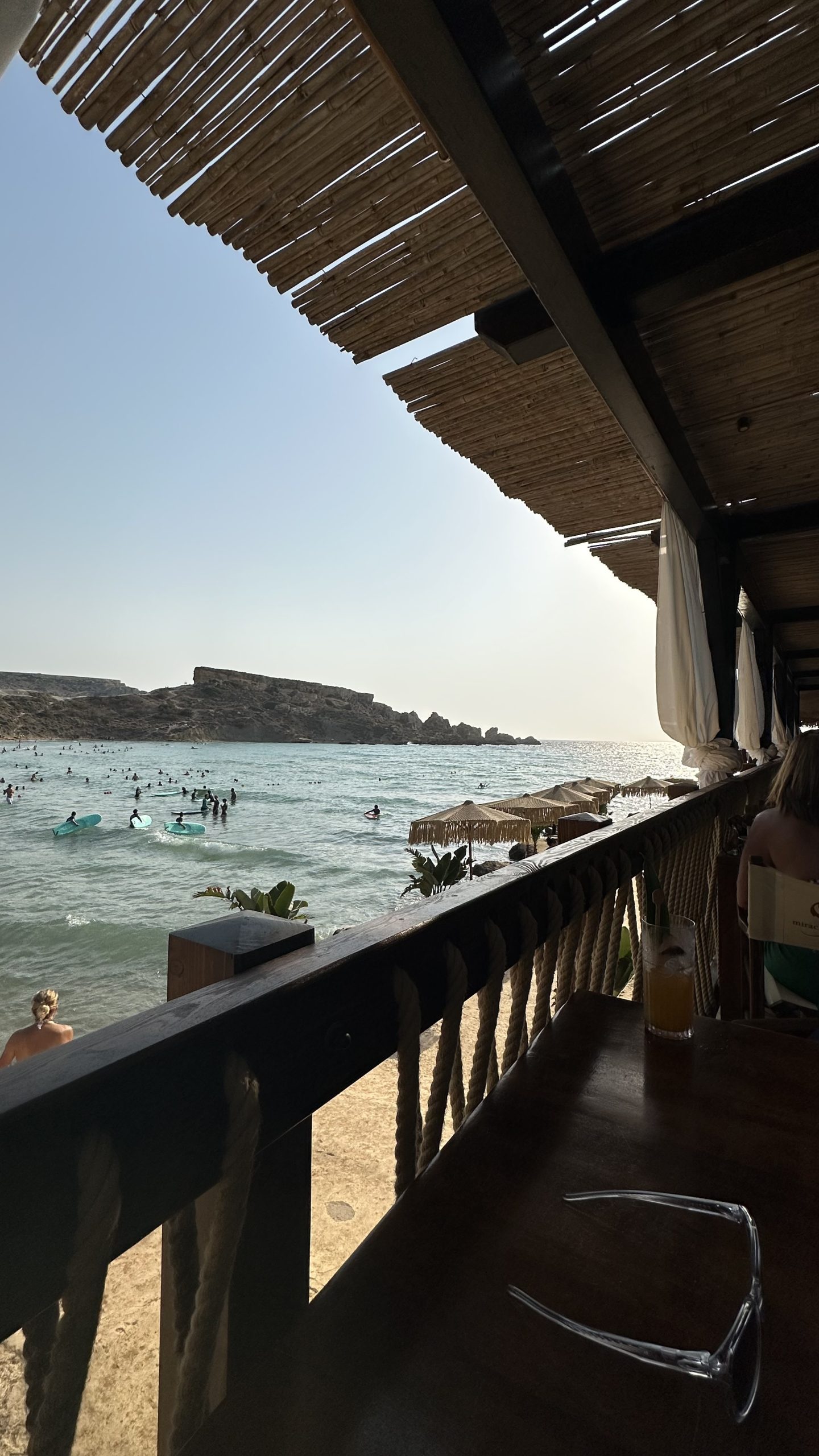
view from Singita Miracle Beach
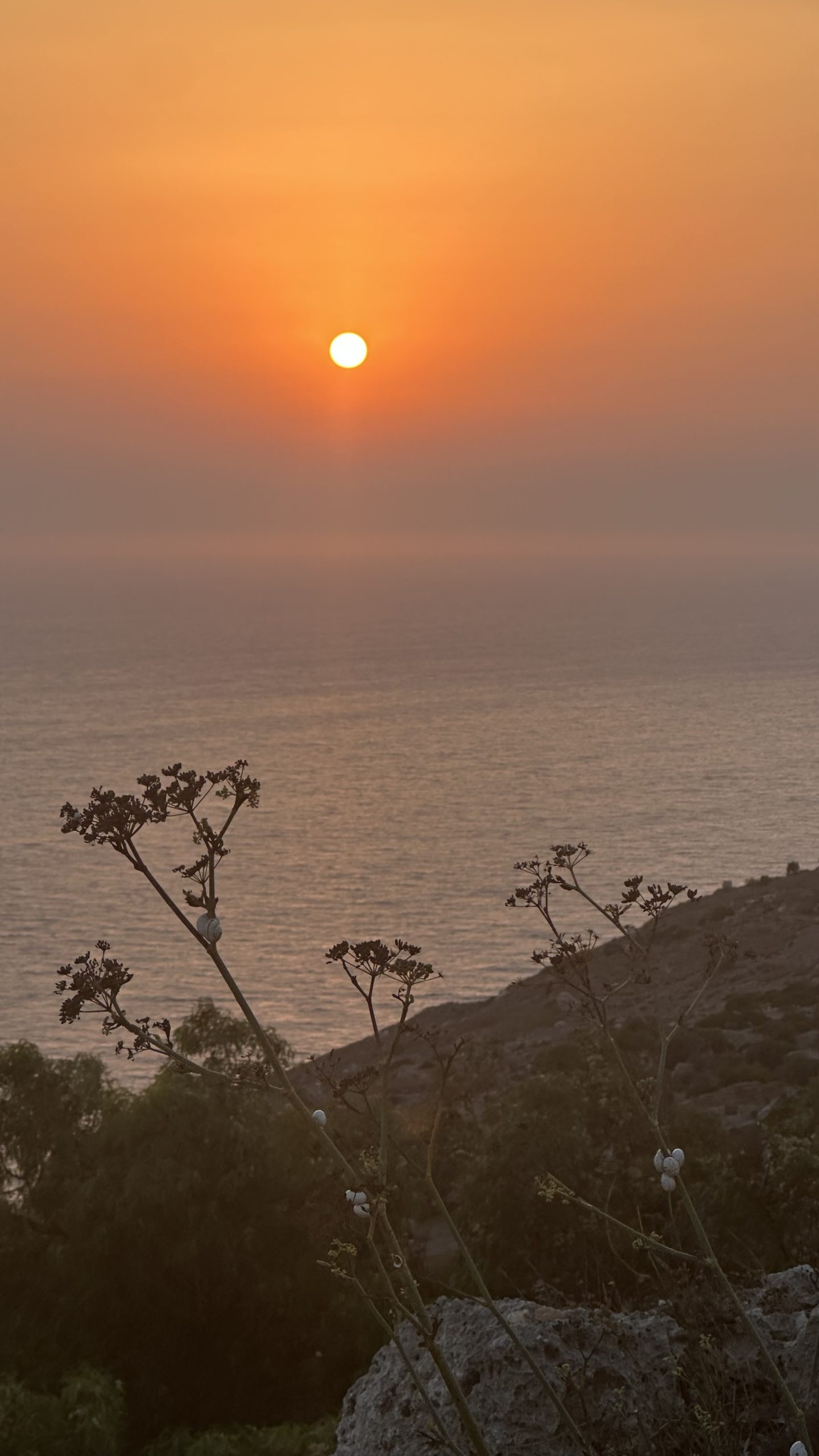
watching the sunset from the Dingli Cliffs
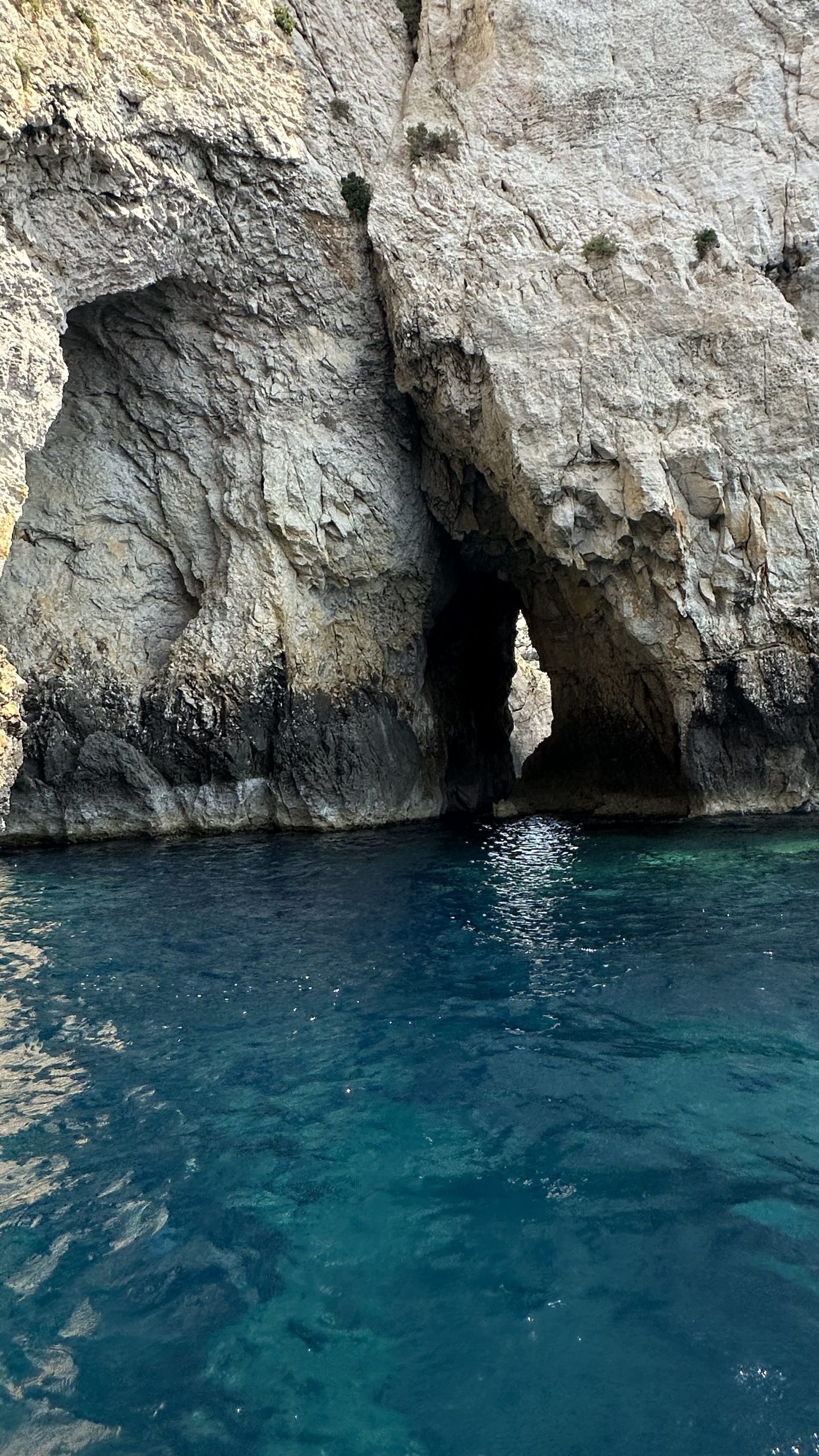
The Blue Grotto
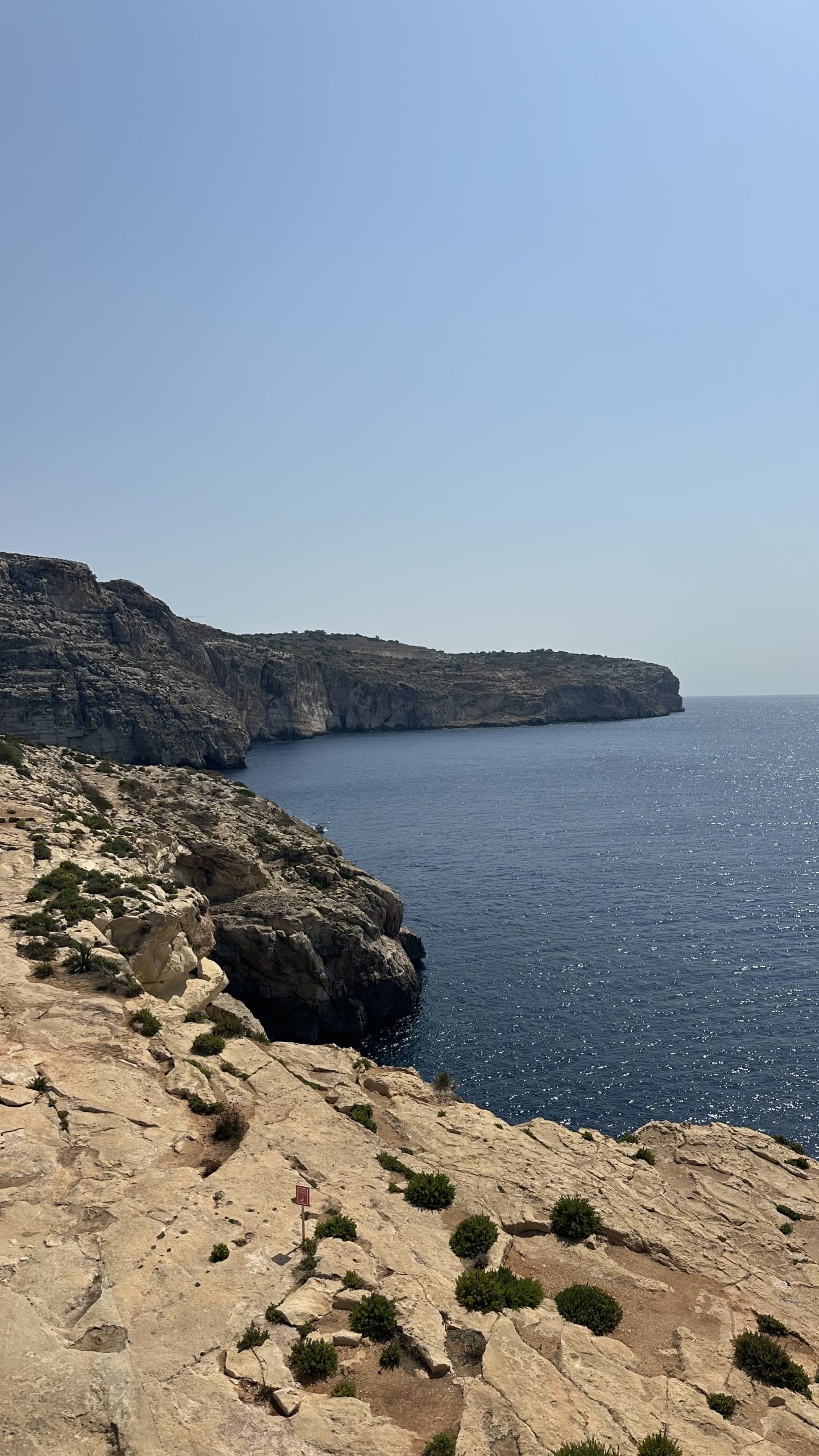
On my second-to-last day, I joined a bus tour south towards Qrendi and Wied iż-Żurrieq.
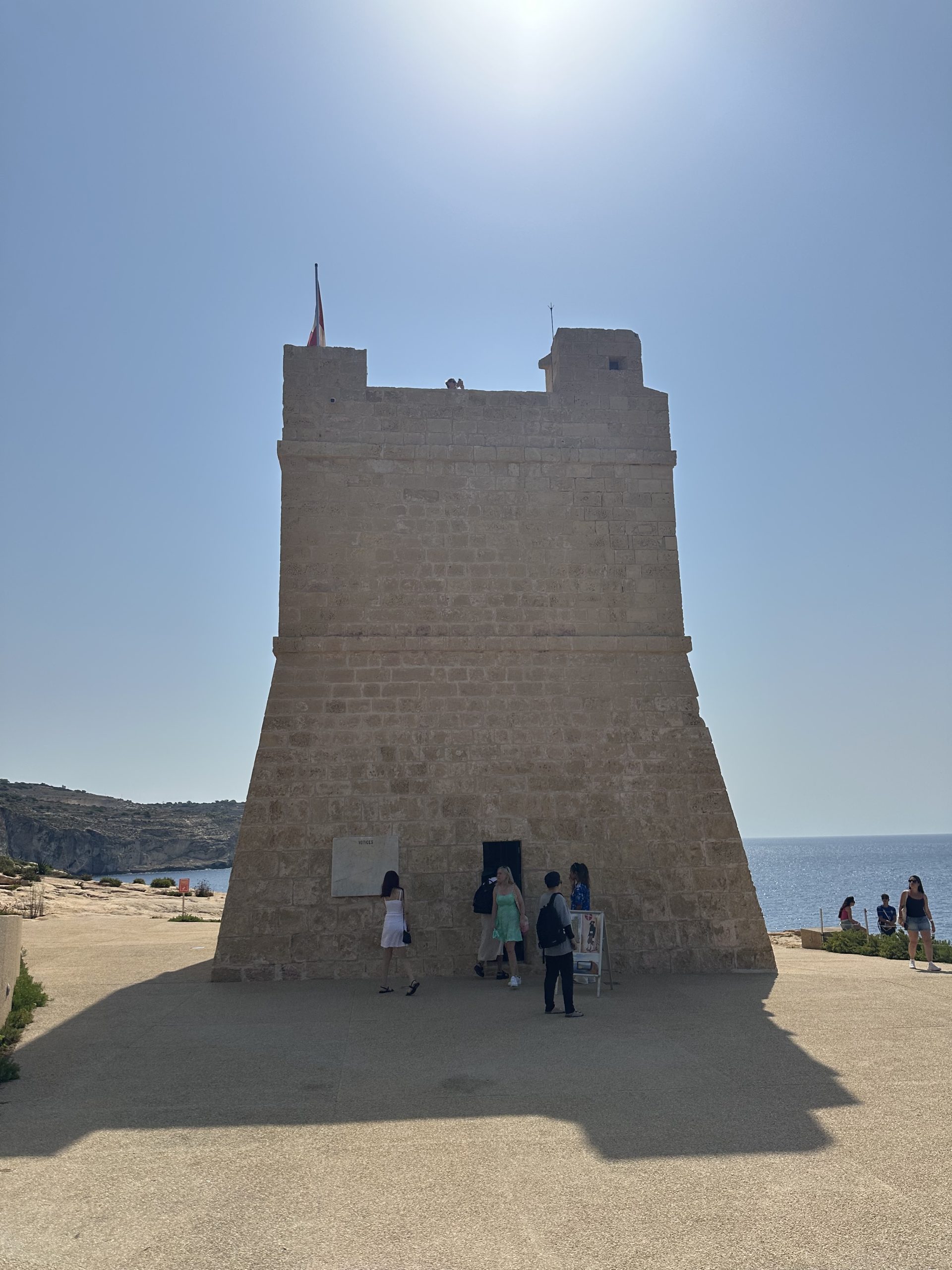
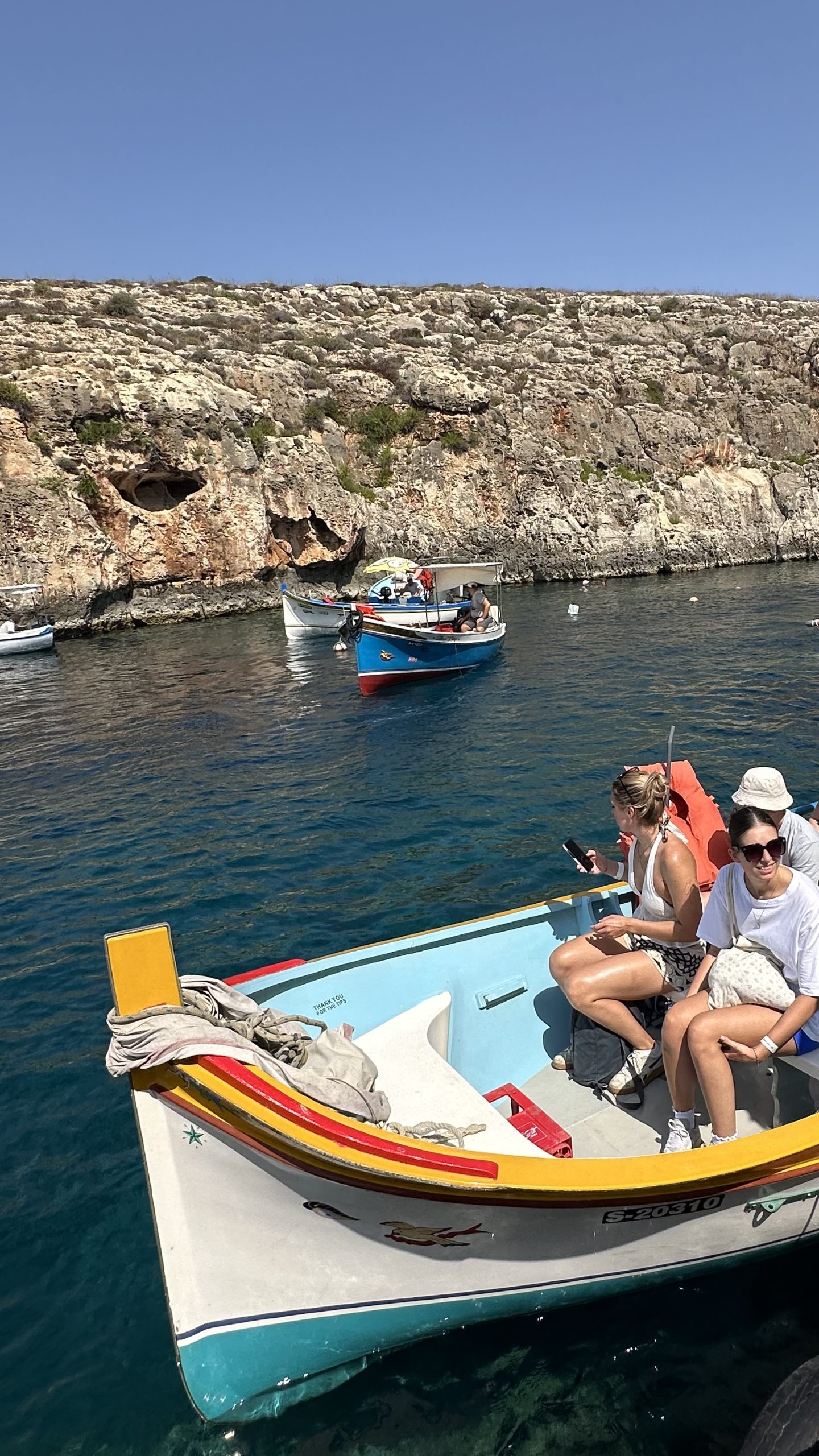
I stopped at Ta’ Sciutu Tower, a historic watchtower overlooking the coast, before taking a small boat into the Blue Grotto and surrounding sea caves.
The boat trip was short, but beautiful. The water inside the caves glowed in shades of blue, turquoiseand green, and the limestone formations were impressive from every angle.
Afterwards, I had some free time to walk around, find lunch and enjoy the harbour area before heading back to Sliema in the afternoon.
Marsaxlokk and St Peter’s Pool
My final full day took me to Marsaxlokk.
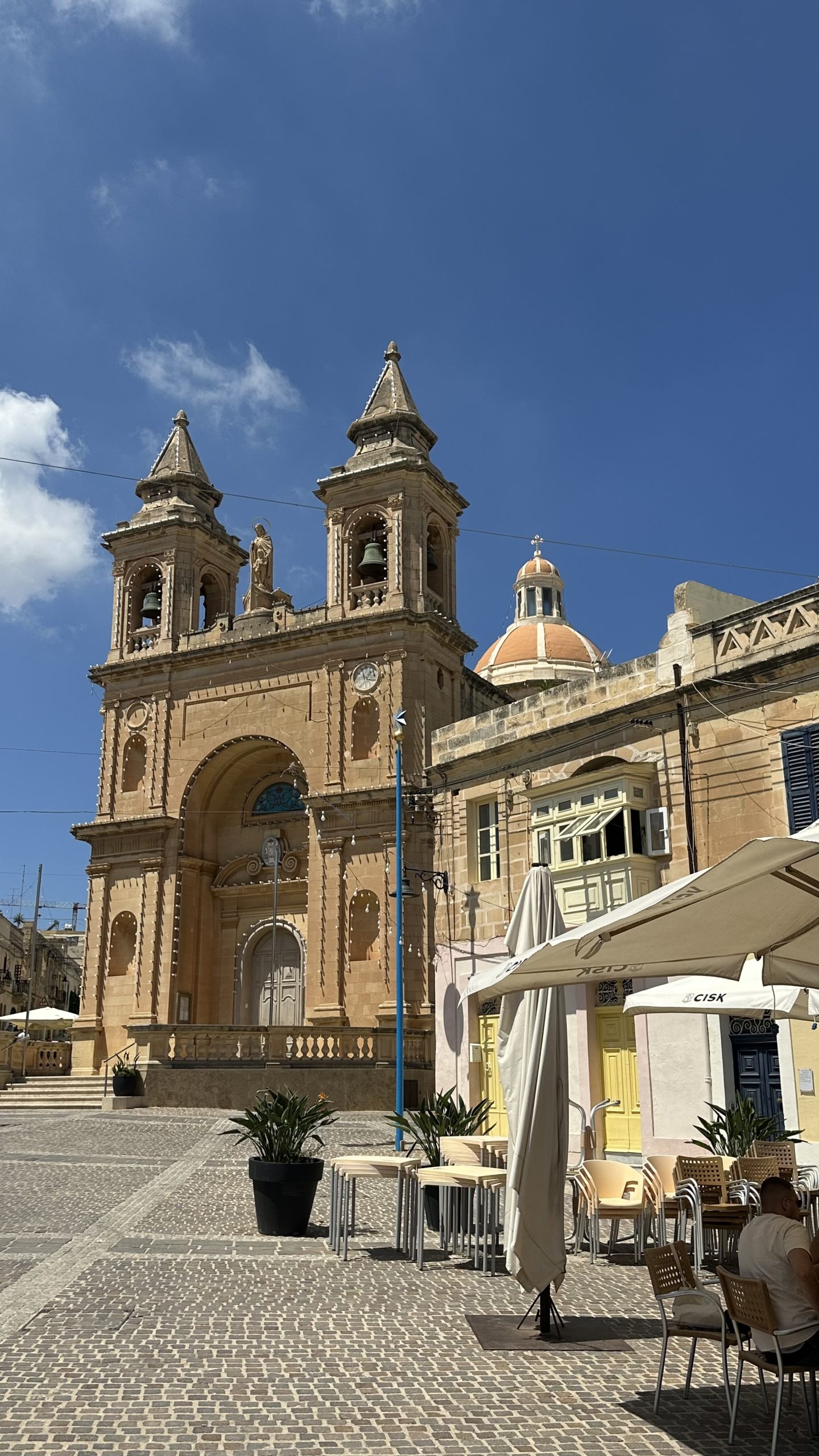
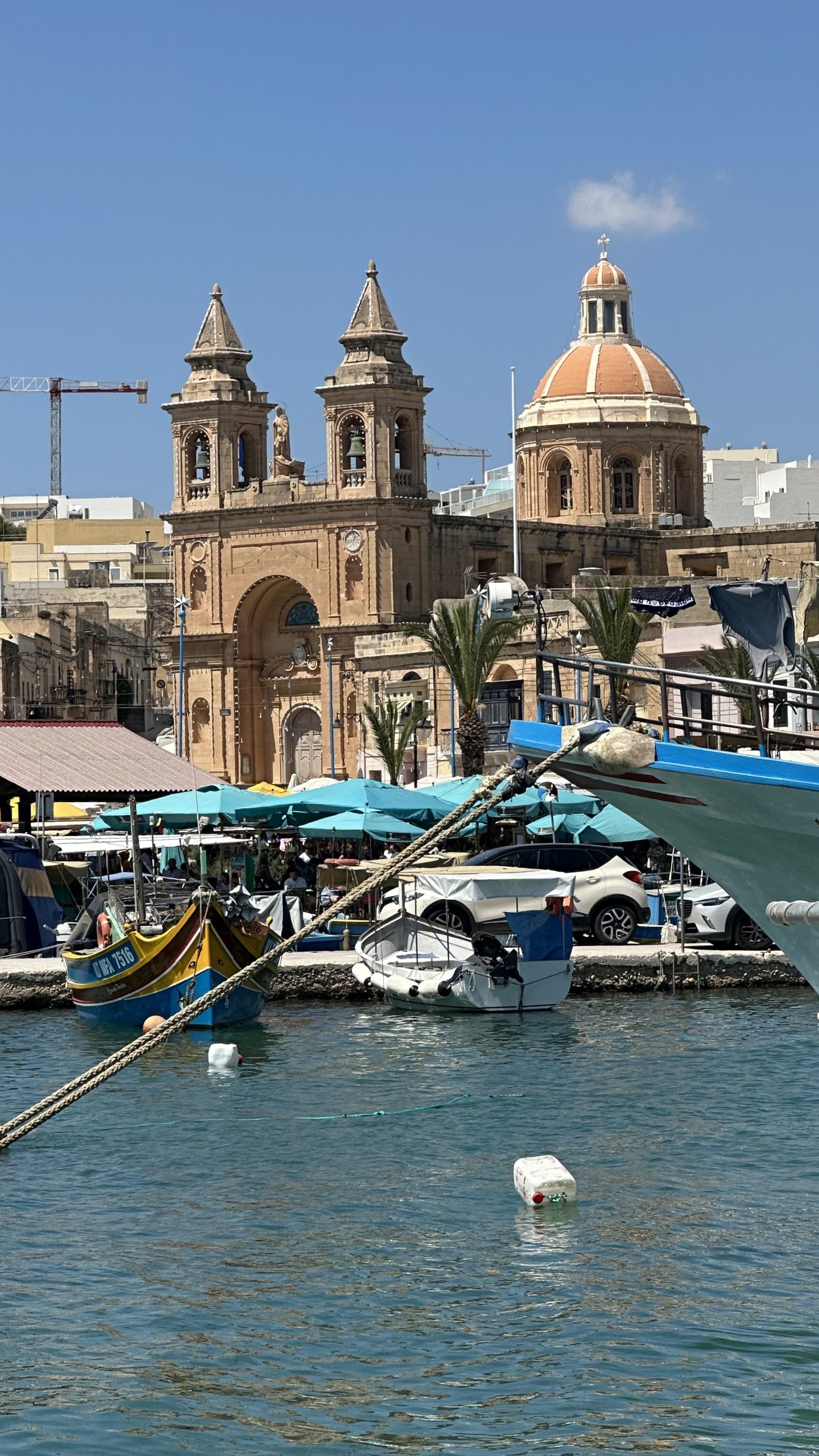
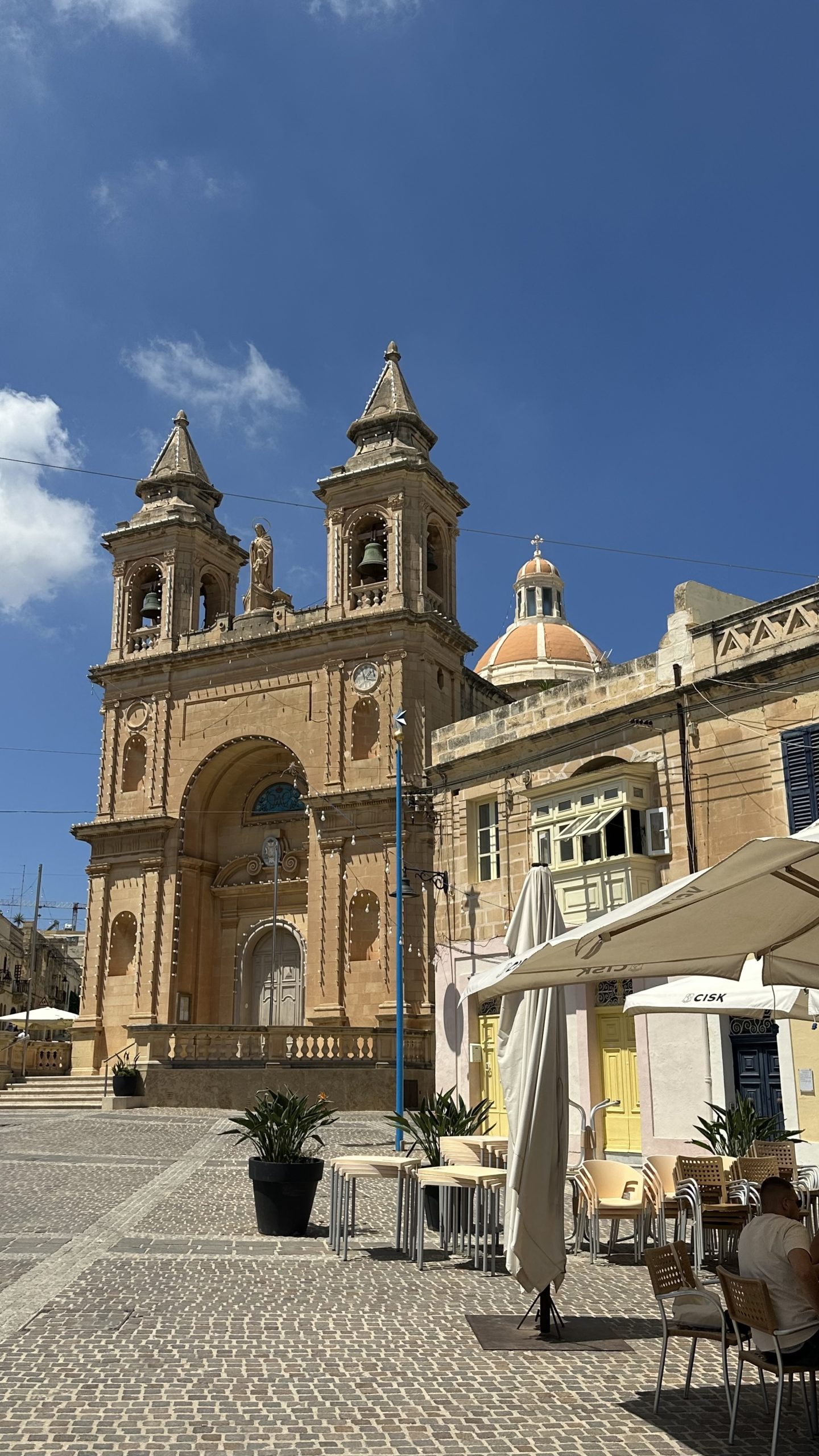
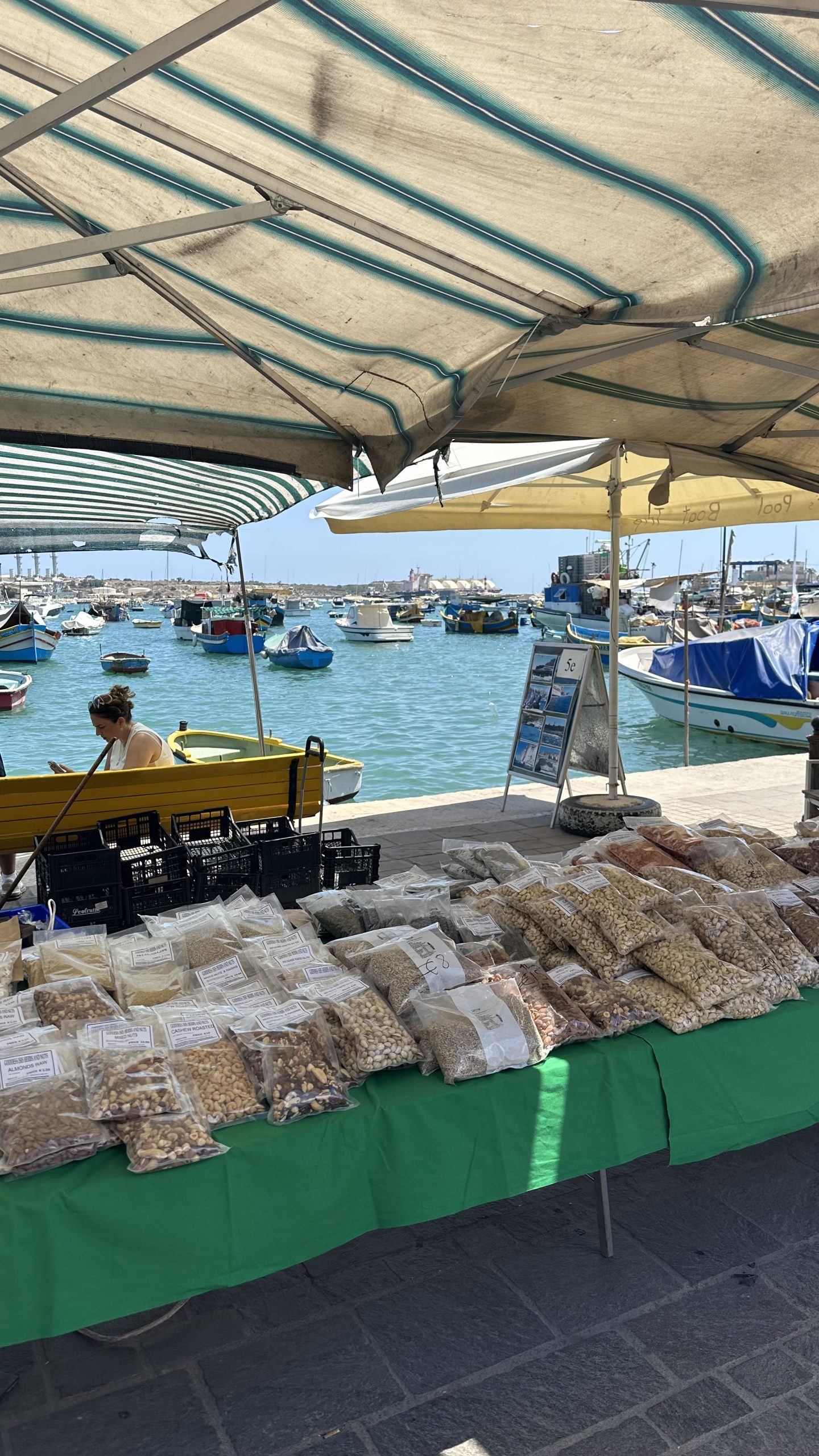
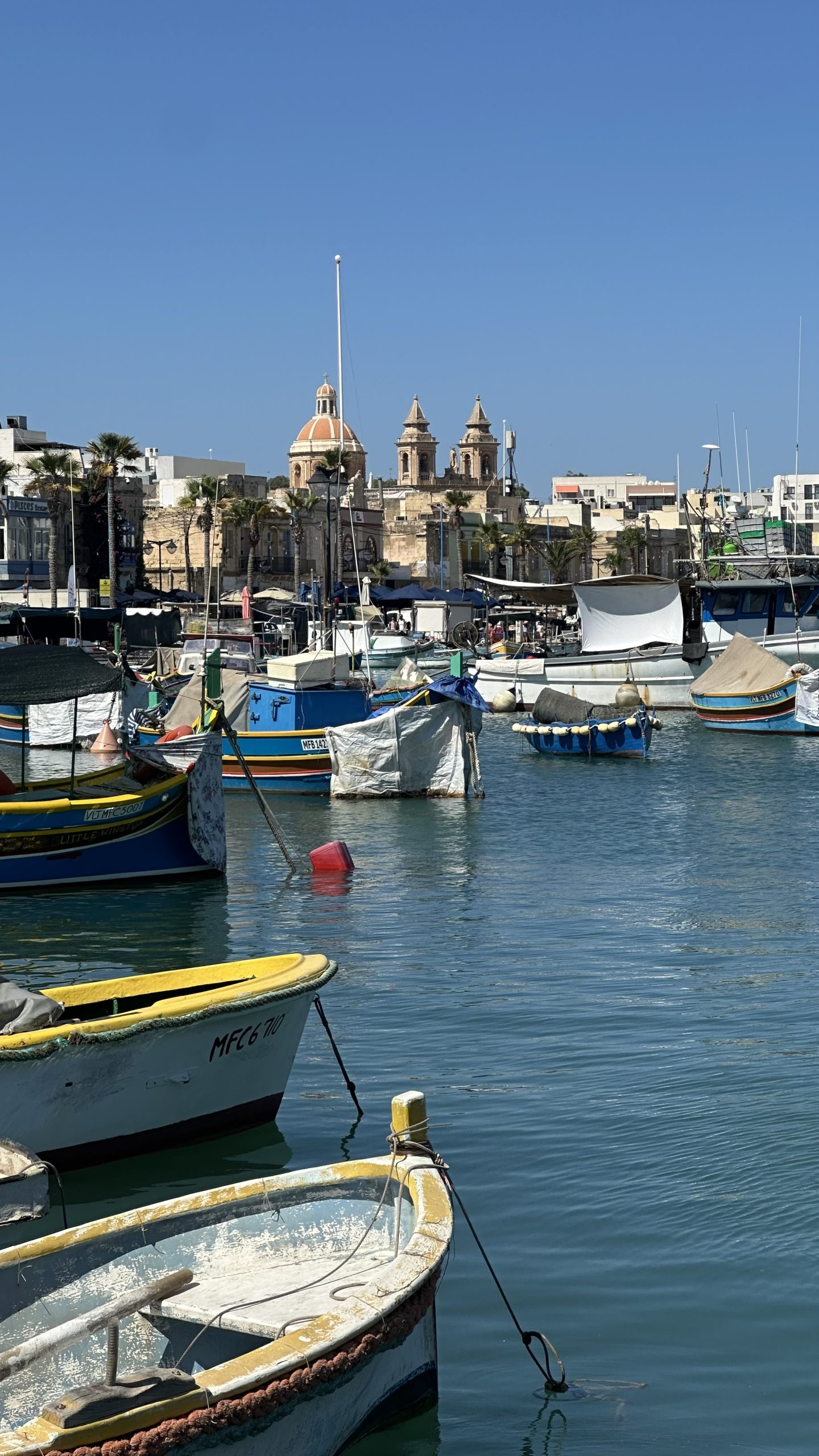
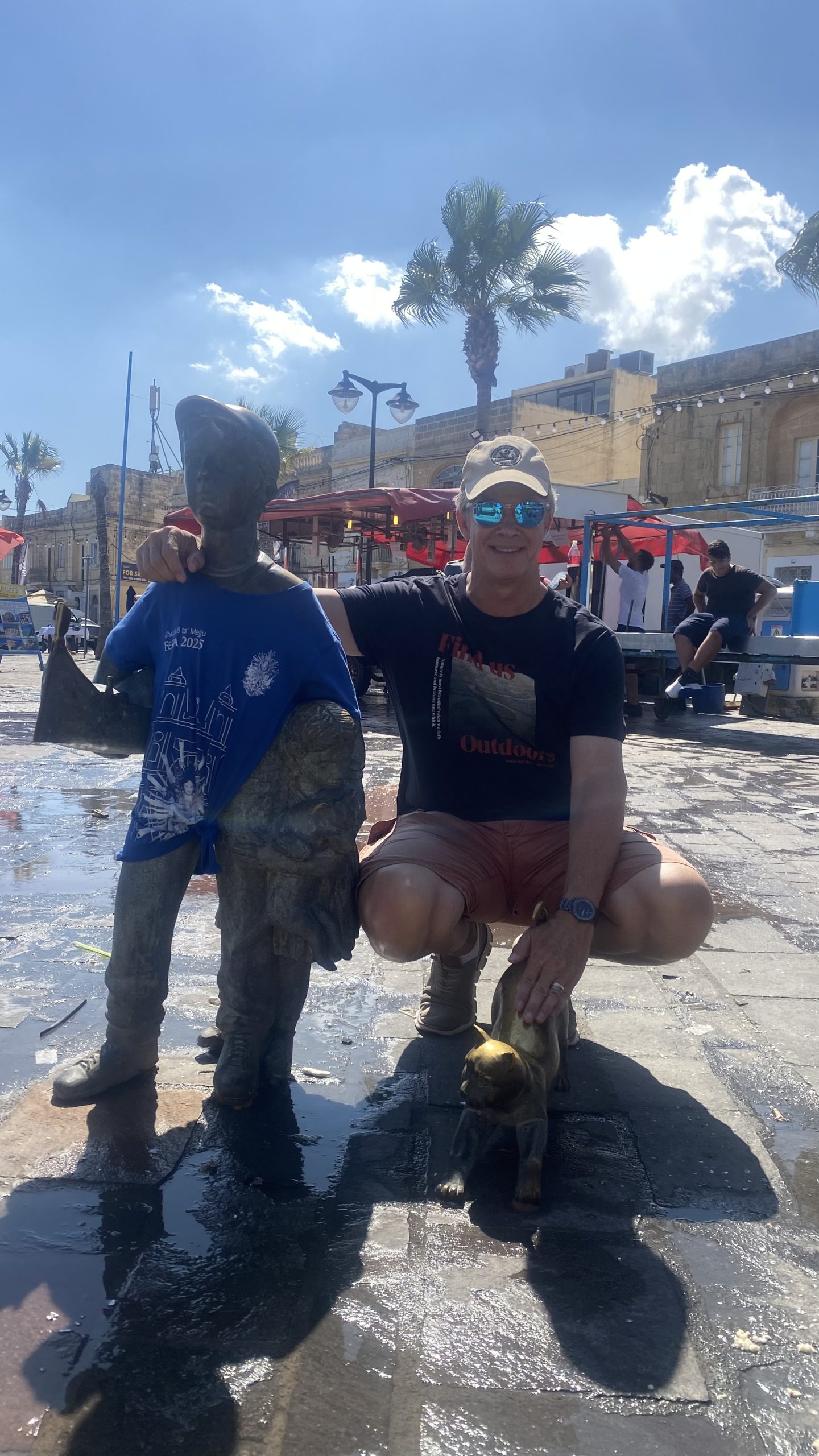
Marsaxlokk is known for its colourful fishing boats, and the harbour is full of them. On Sundays, the waterfront market combines a traditional fish market with a general market, so I found everything from spices and sunglasses to fresh fish and small souvenirs.
It was colourful, lively and very easy to spend time simply strolling from stall to stall. I had lunch by the harbour before driving on to St Peter’s Pool.
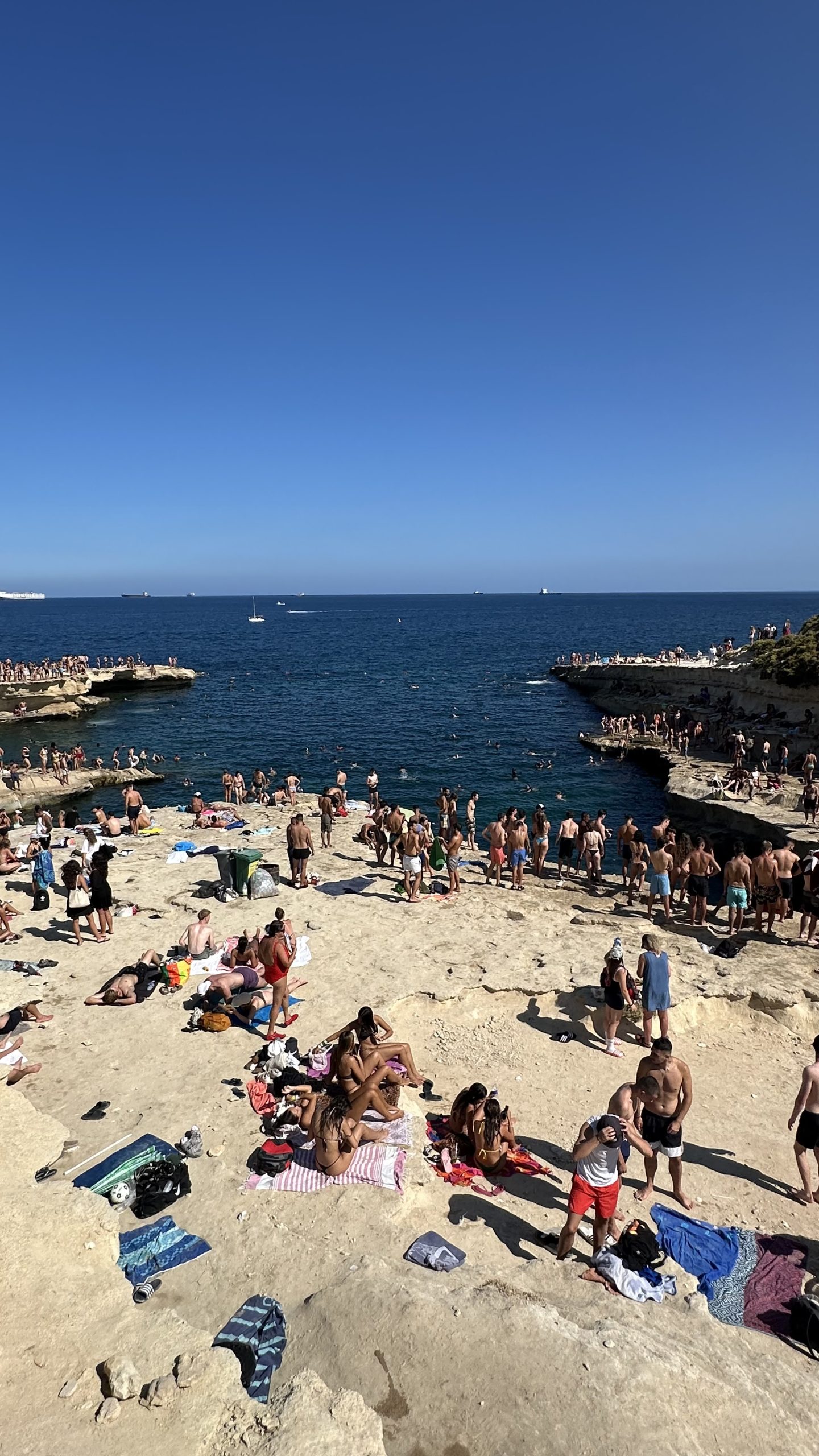
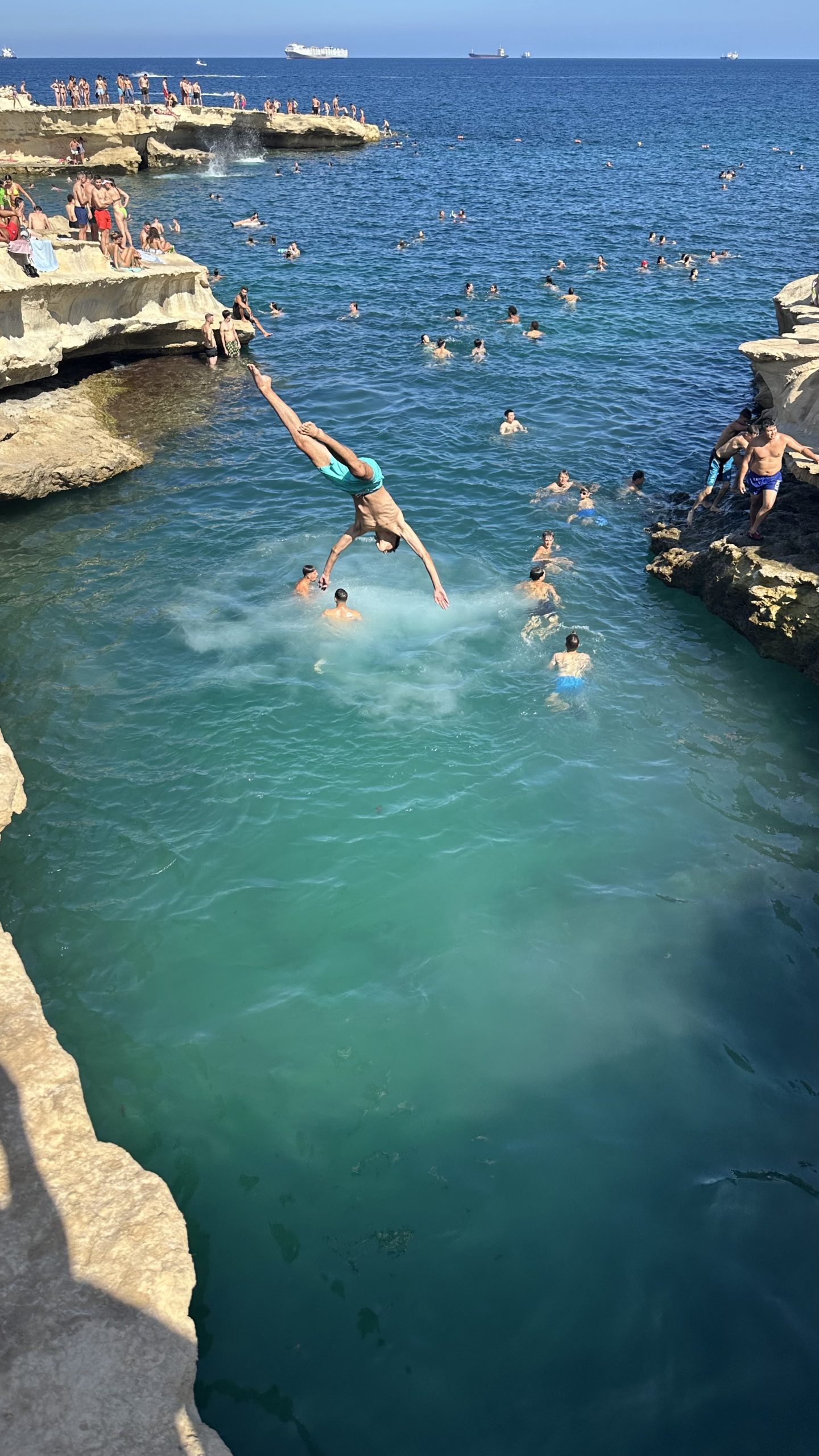
St Peter’s Pool is a natural swimming spot on the Delimara Peninsula, surrounded by pale limestone cliffs and clear, deep water. It was busy and had a young, social, slightly party-like atmosphere. People were swimming, sunbathing and jumping into the water from the lower rock ledges.
Some even did tricks such as backflips, which was great fun to watch.
It is a good place for groups looking for a lively afternoon by the sea, although I did not stay too long.
I finished the day with an Aperol at St Thomas Bay before heading back to Sliema to pack.
Final Thoughts: Why Malta Surprised Me
Looking back, what surprised me most about Malta was just how much can fit into one relatively small island.
There were historic cities, colourful harbours, dramatic cliffs, quiet countryside, caves, catacombs, beaches, boat trips, diving, jet skiing and an entire film set from the 1980s.
Valletta was elegant, historical and full of life. Sliema gave me beautiful evenings by the water and an easy base for exploring. Gozo offered a slower, wilder side of the Maltese islands, while Comino and the Blue Lagoon delivered some of the clearest water I have ever seen.
There were big highlights – diving, racing across the sea on a jet ski, watching the sunset at Dingli Cliffs and exploring Gozo by quad.
But I also loved the quieter moments: waffles at Gemma Joe, walking around Mdina, lunch at Singita, ferry rides across the harbour and watching the boats in Marsaxlokk.
Malta is small enough to explore easily, yet varied enough to never feel repetitive.
For anyone who loves warm weather, clear water, history, food and a mixture of relaxation and adventure, it has an enormous amount to offer.
And after eight days of boats, caves, sunsets, churches, steep stairs, sweet waffles and just a little bit of left-side driving …
I would very definitely go back.
Wied iż-Żurrieq