– Travel Stories –
The Lesser-Known Emirates
Sometimes you simply have to take advantage of an opportunity.
I had to travel to Oman for a minerals consulting project in October, so rather than flying straight home, I decided to make a small detour through the United Arab Emirates and combine my return journey with some research for GMW Signature Journeys.
Dubai is only about an hour’s flight from Muscat with flydubai. But having visited Dubai before, I wanted to discover a different side of the UAE this time. After all, the country consists of seven emirates, and there is considerably more to it than Dubai’s skyscrapers and shopping malls.
So, during the next three and a half days, I embarked on a rather ambitious self-driving expedition through Sharjah, Ajman, Umm Al Quwain, Ras Al Khaimah, Fujairah and Abu Dhabi — six emirates in three and a half days.
Relaxing? Not exactly. Interesting? Absolutely.
Sharjah – culture instead of superlatives
Driving in the UAE can be an experience in itself, particularly around Dubai and Abu Dhabi.Motorways sometimes expand to an impressive eight lanes in each direction, while some local drivers appear to regard the speed limit as more of a philosophical suggestion than an actual restriction.
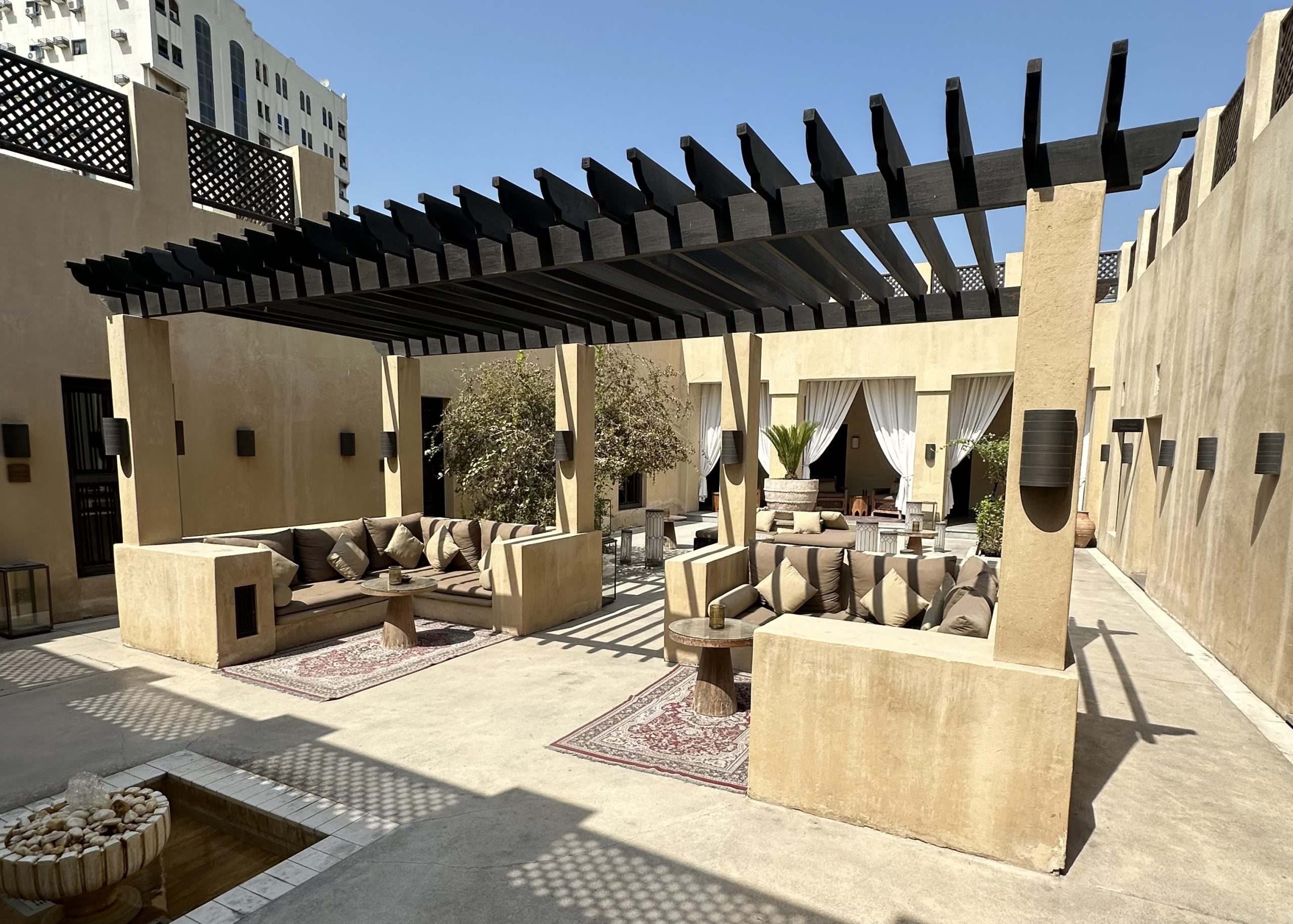
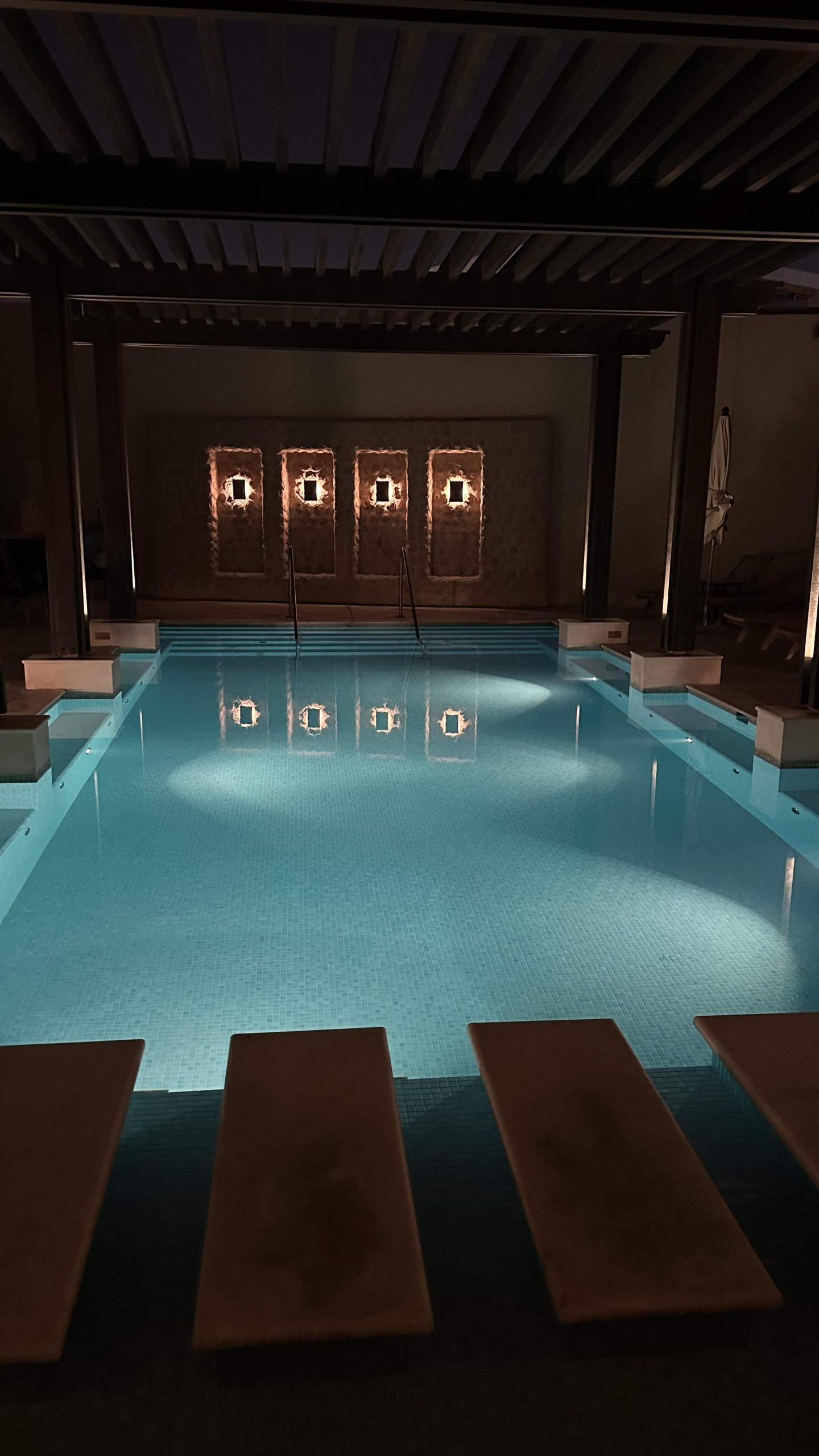
My base for the first two nights was The Chedi Al Bait in Sharjah, an absolute gem. Set within beautifully restored traditional buildings, it feels almost like a small historical village hidden among the modern city surrounding it.
Sharjah is noticeably different from neighbouring Dubai. It has deliberately positioned itself as the cultural heart of the UAE and was named UNESCO World Book Capital in 2019. It had already been designated Cultural Capital of the Arab World in 1998. The emphasis on museums, heritage and literature gives the city a surprisingly different atmosphere from its much more famous neighbour.
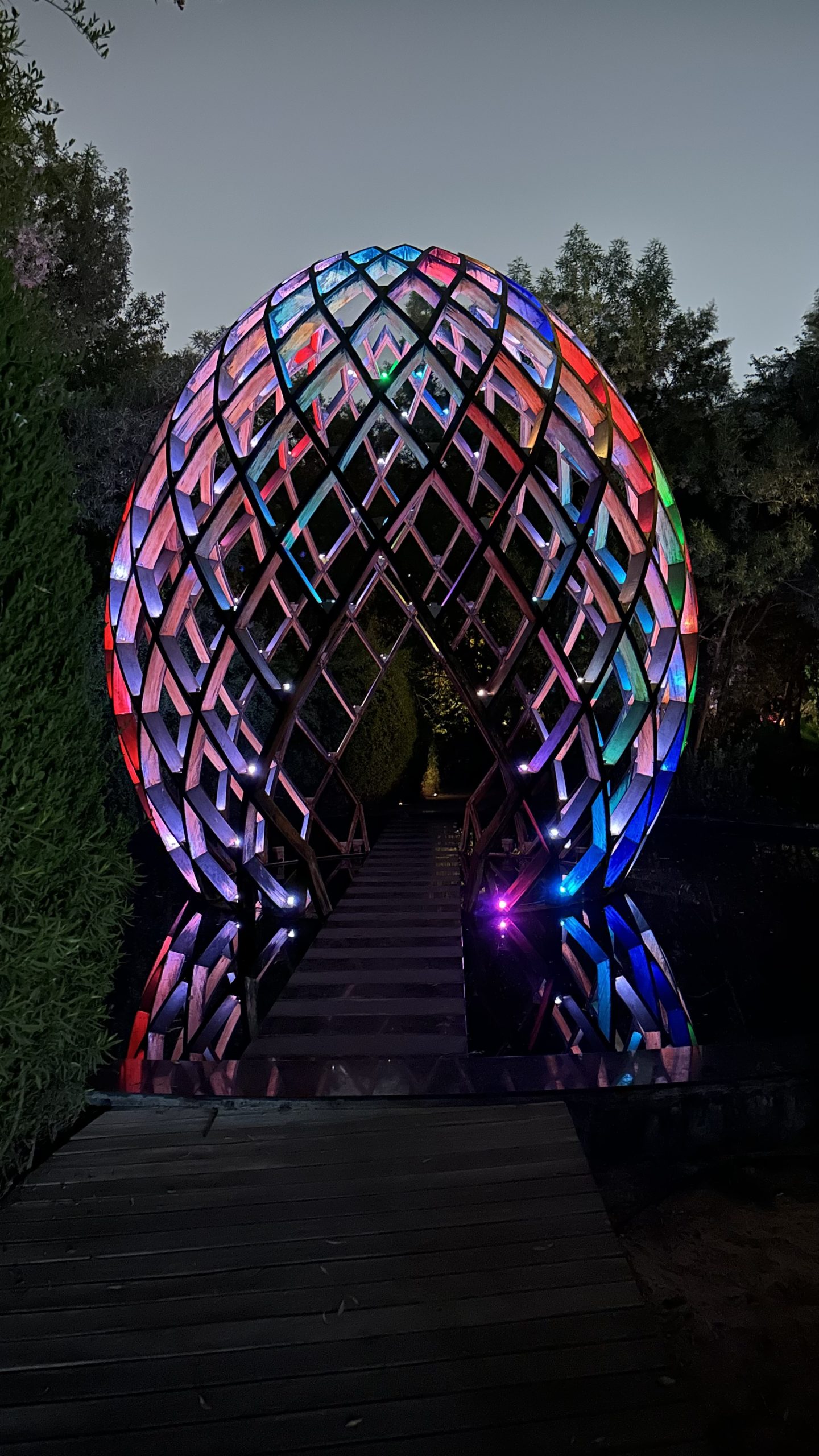
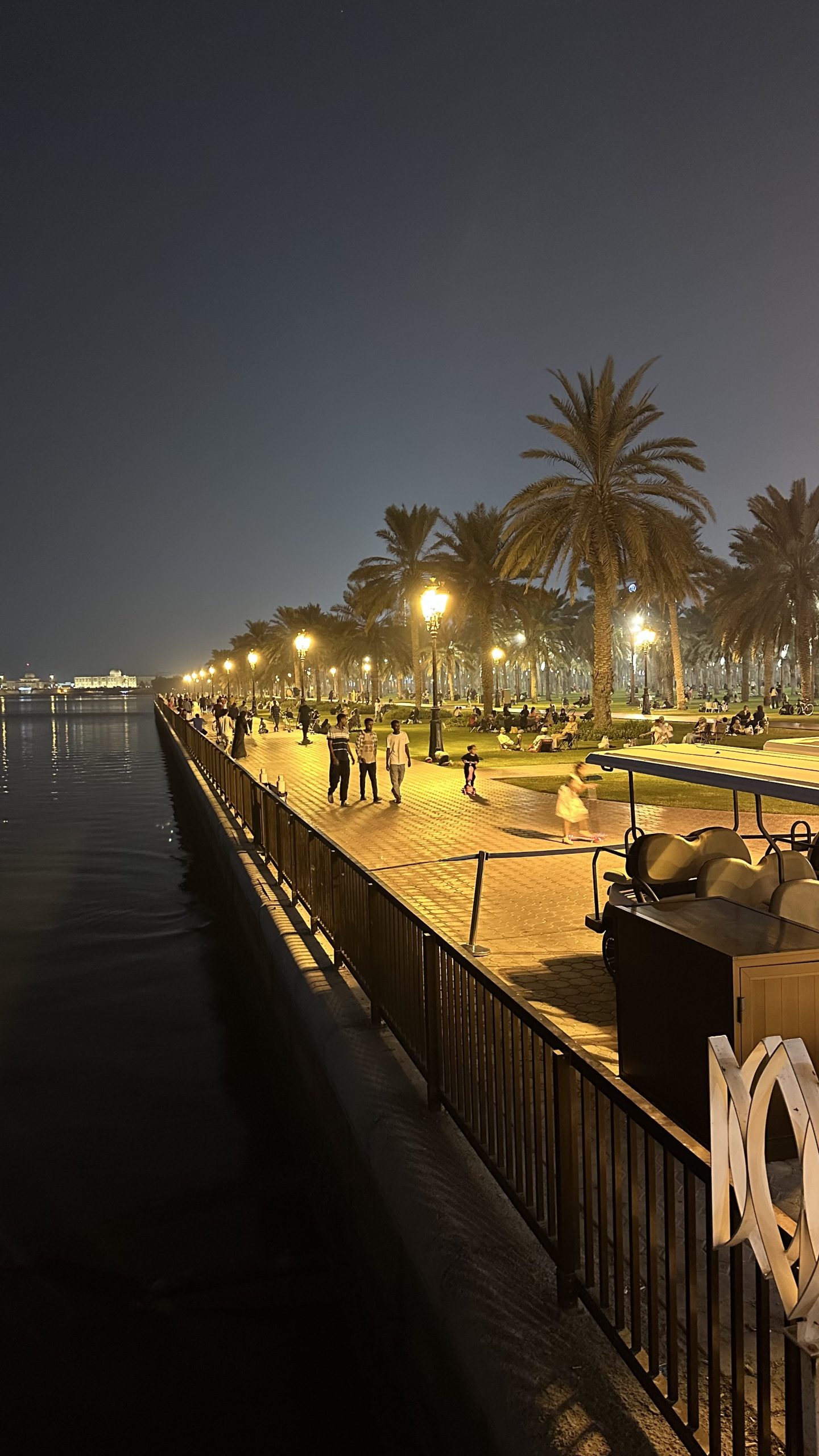
Among my favourite stops were Al Noor Island, including its beautiful Butterfly House, Al Noor Mosque and the Al Majaz Waterfront.
The contrast is what makes Sharjah interesting: mosques, traditional architecture and cultural institutions sit alongside a thoroughly modern Gulf metropolis.
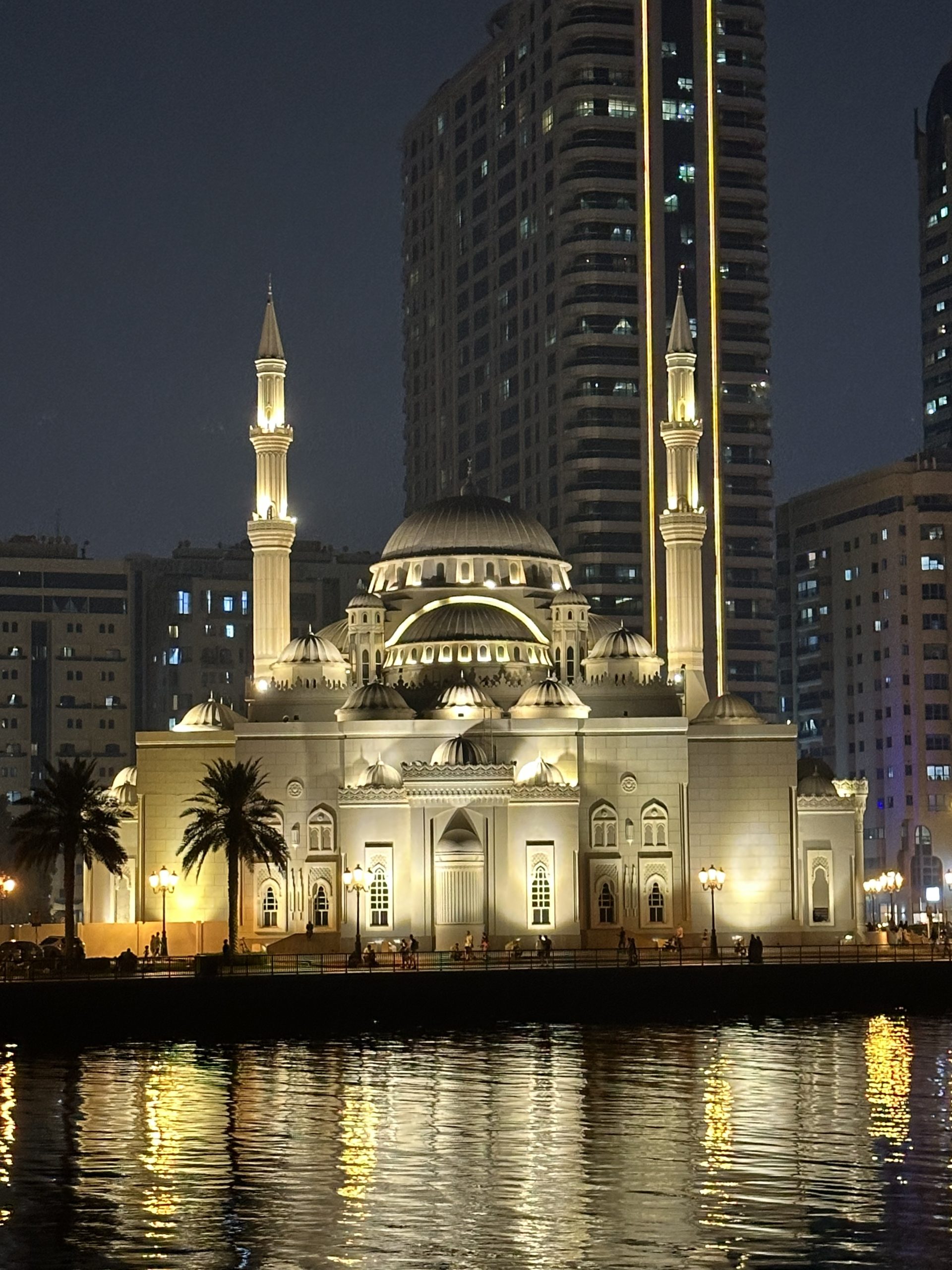
Al Noor Mosque
Ajman and Umm Al Quwain – slowing things down
Being short on time, I couldn’t spend nearly as long as I would have liked in Ajman and Umm Al Quwain.
Ajman is the smallest of the seven emirates, but driving through its city centre and along the beaches was nevertheless worth the detour. I also passed the impressive Sheikh Zayed Mosque before continuing north.
Then came Umm Al Quwain — and suddenly the UAE felt very different.
I stopped at Al Ali Fort, home to the Umm Al Quwain National Museum, but what I particularly enjoyed was simply the change of scenery. Unlike Dubai and Abu Dhabi, Umm Al Quwain hasn’tgone all-in on gigantic construction projects.
Large stretches of coastline, mangroves and natural habitats remain comparatively undeveloped. After the glass towers and multi-lane highways further south, the emirate almost feels as though someone has turned down the volume.
And that, perhaps, is precisely its charm.
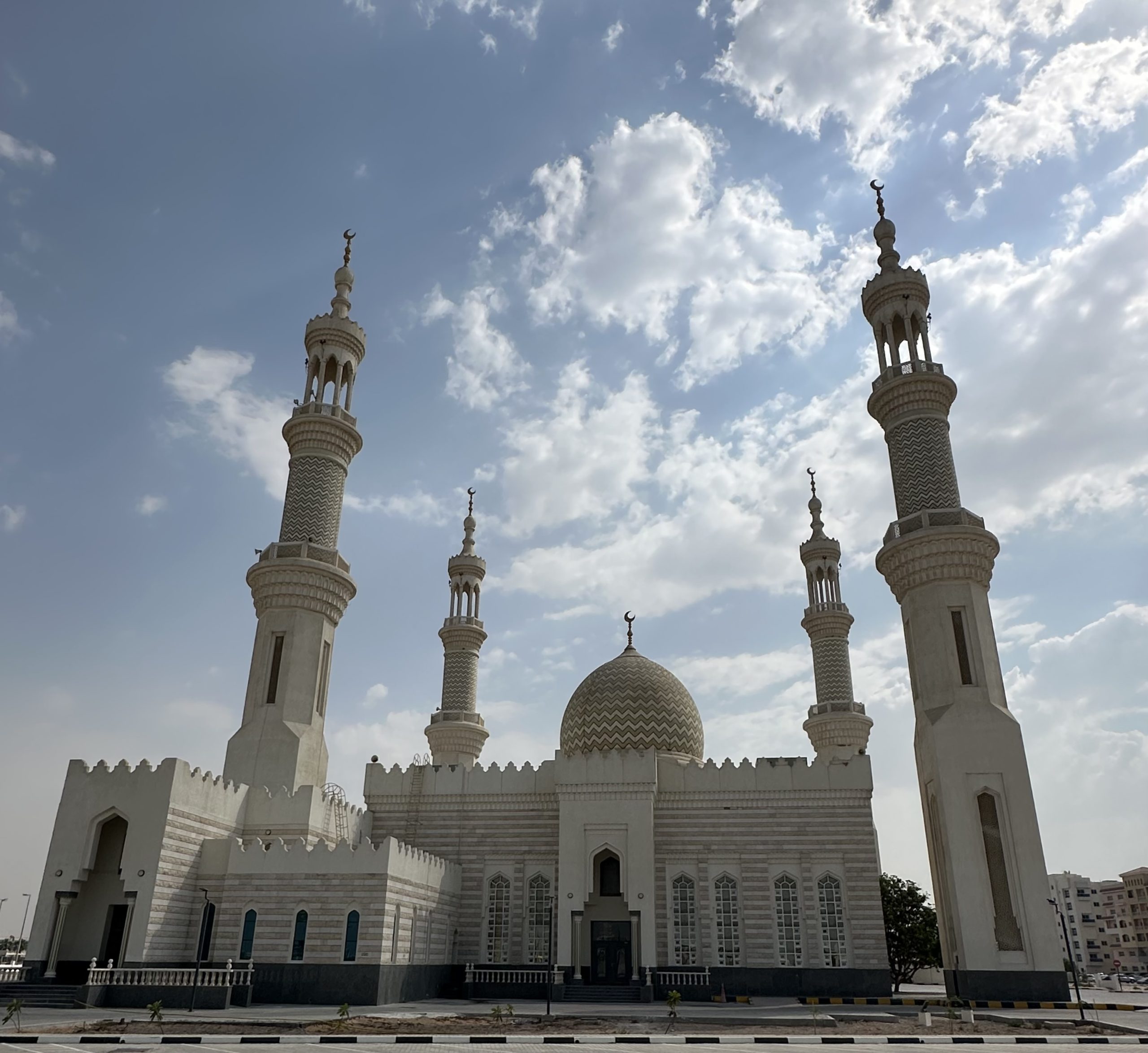
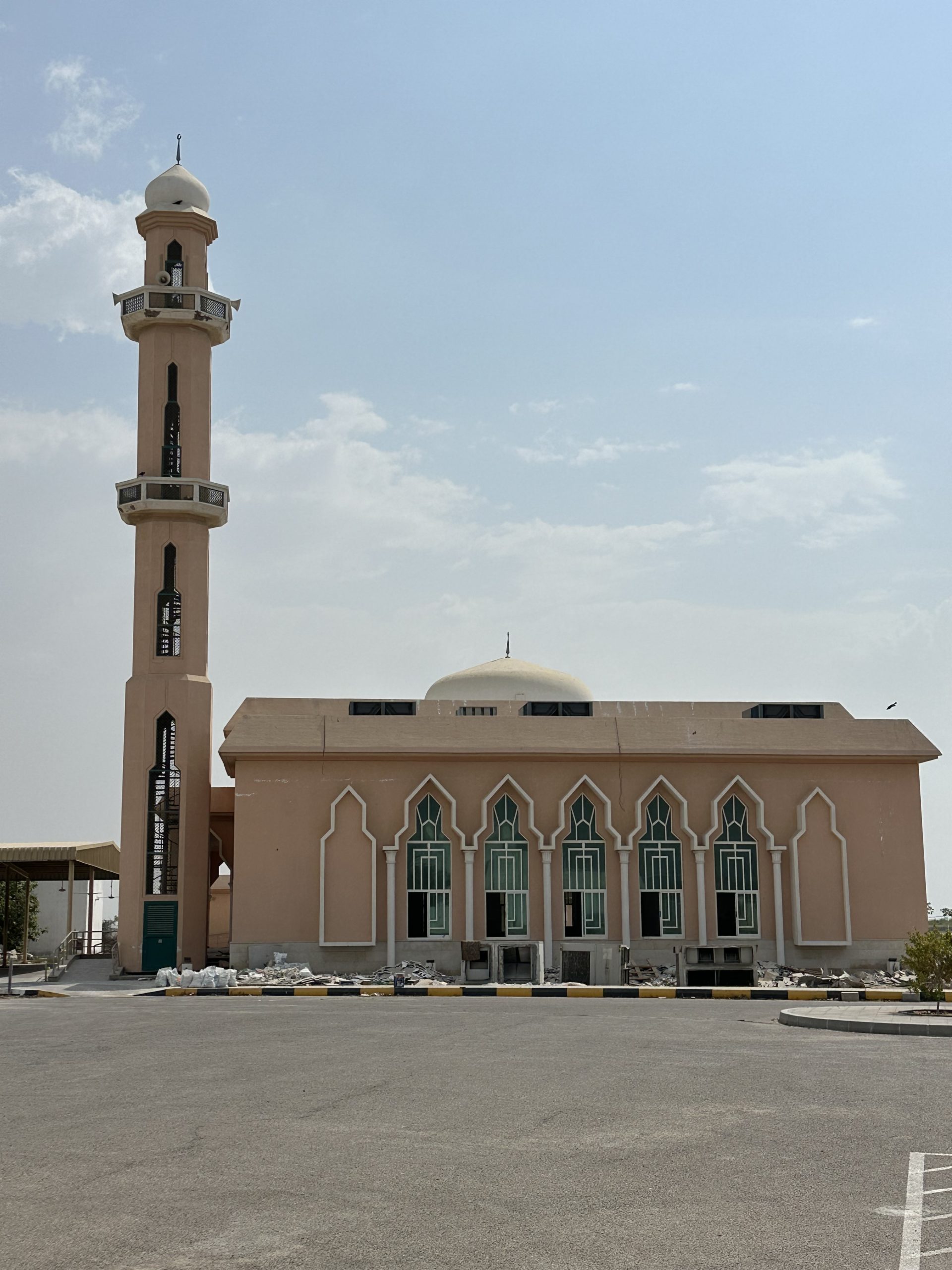
Umm Al Quain Mosque
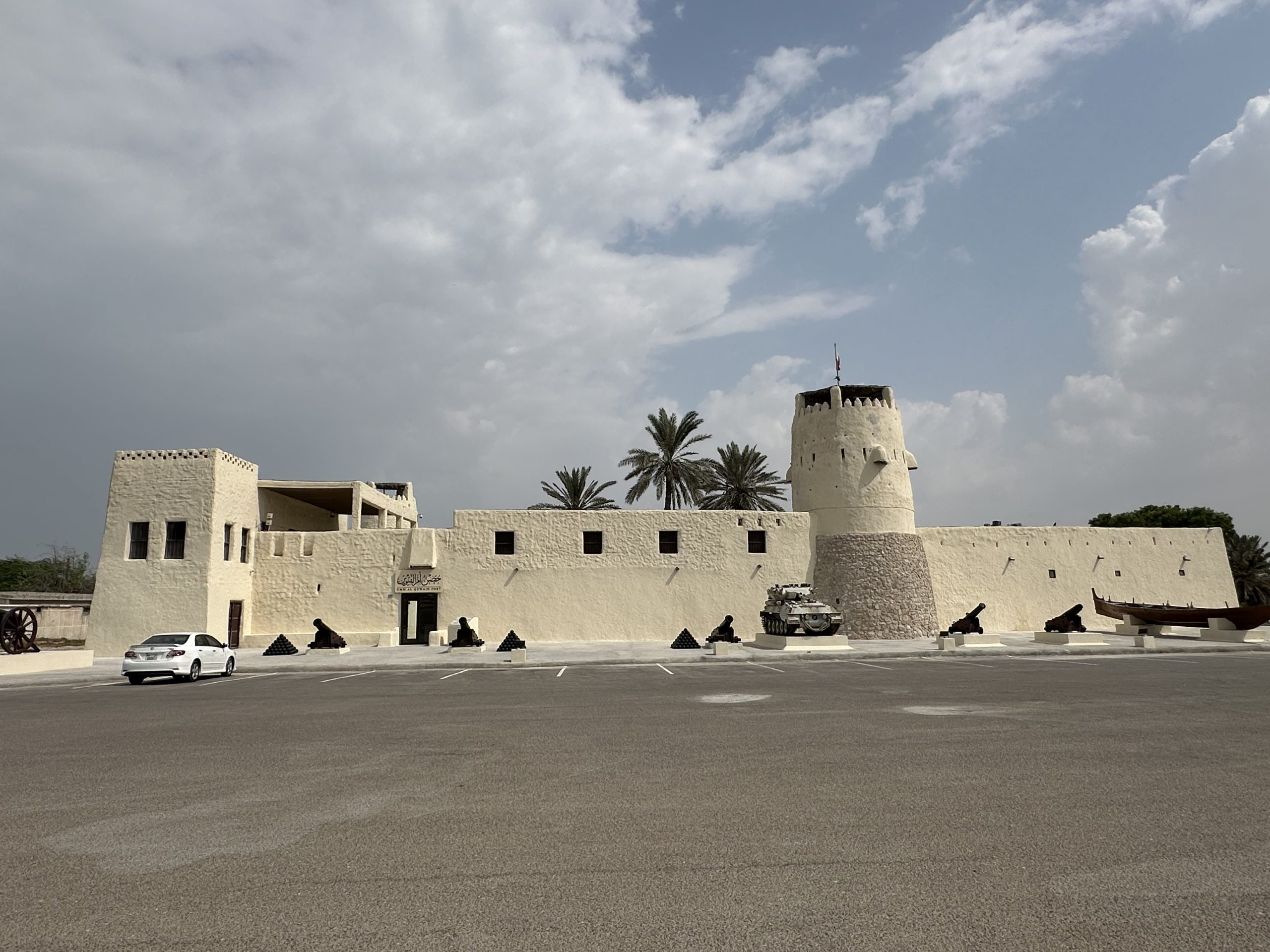
Al Ali Fort
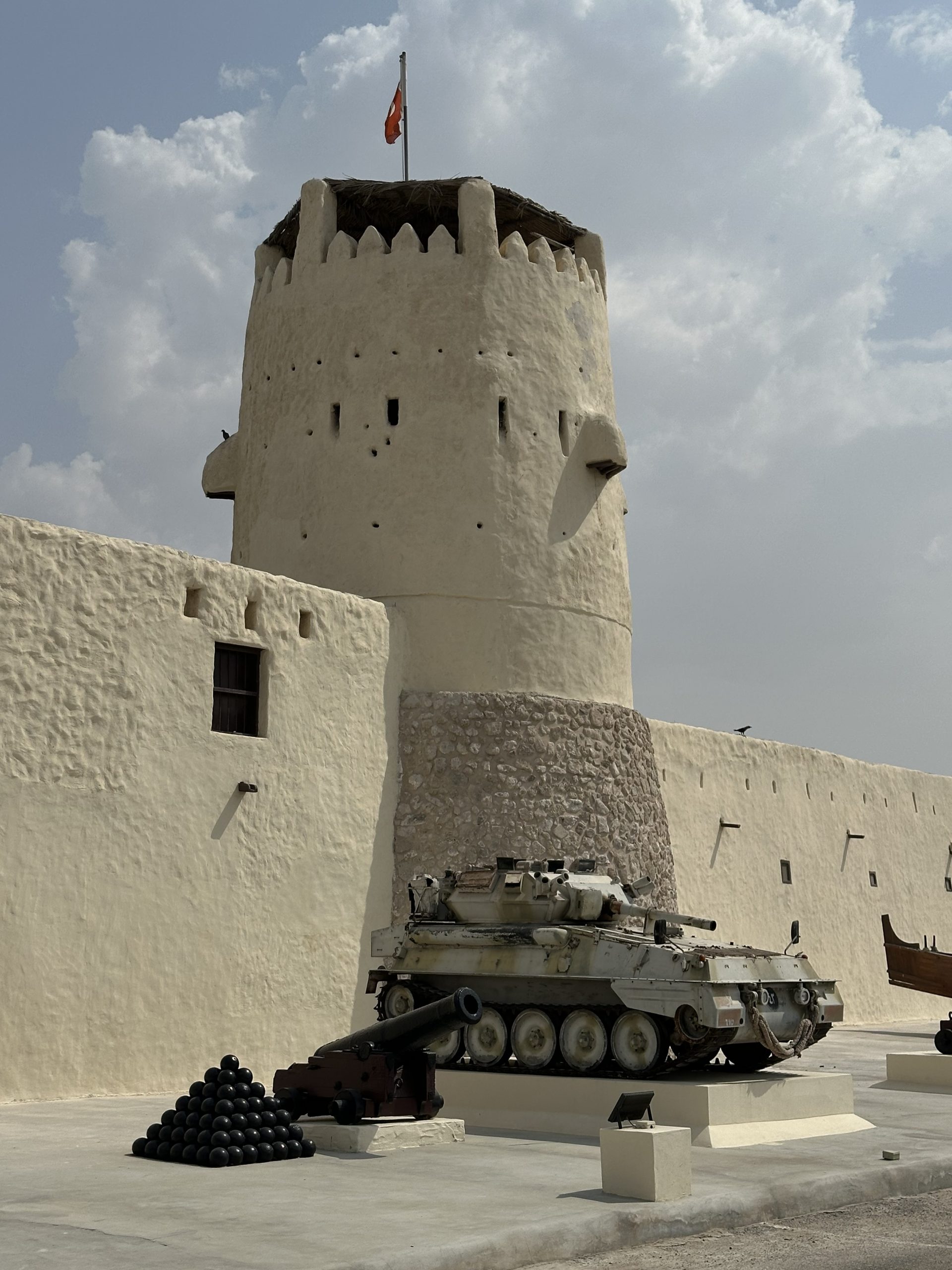
Ras Al Khaimah – time to fly
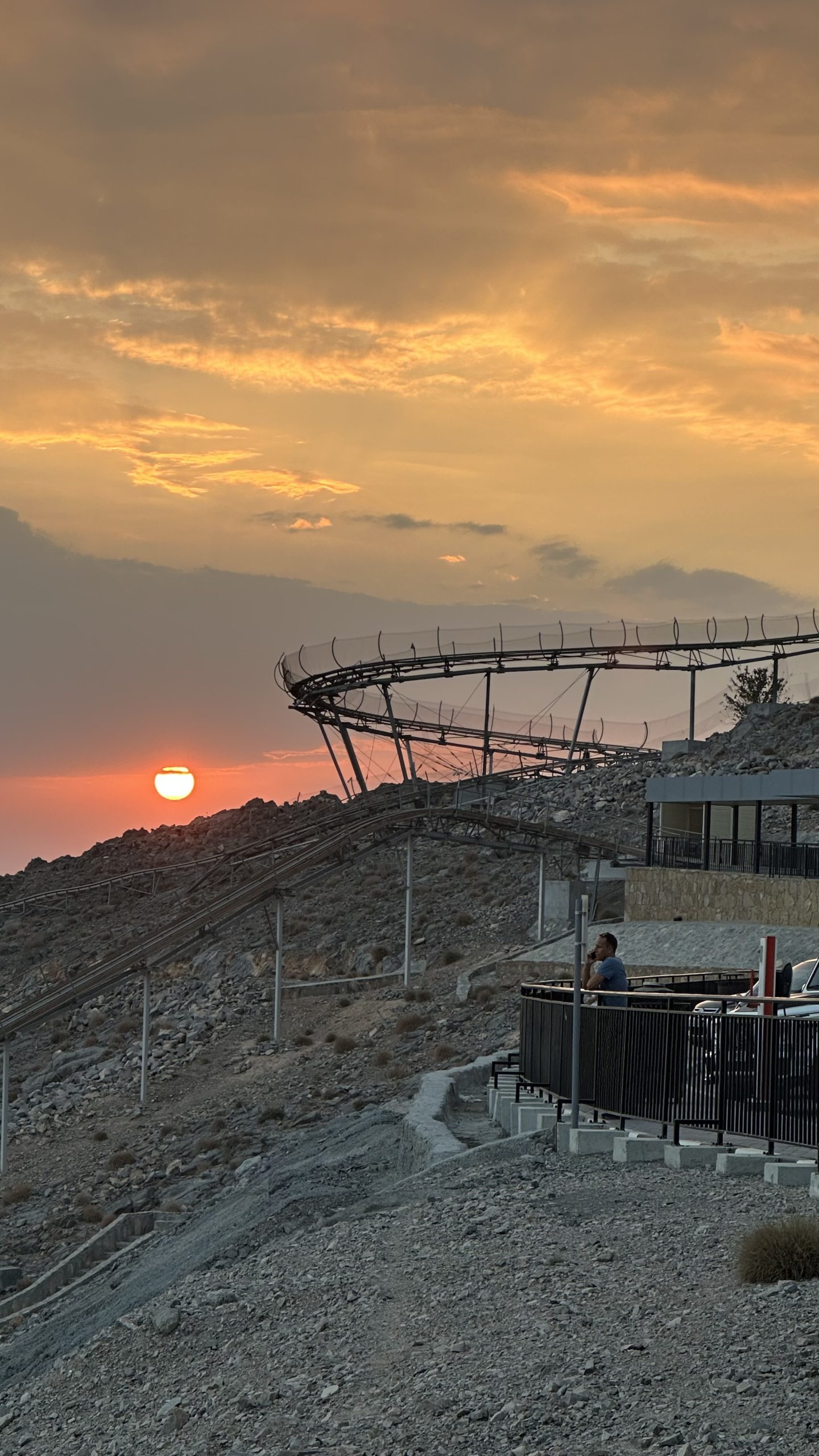
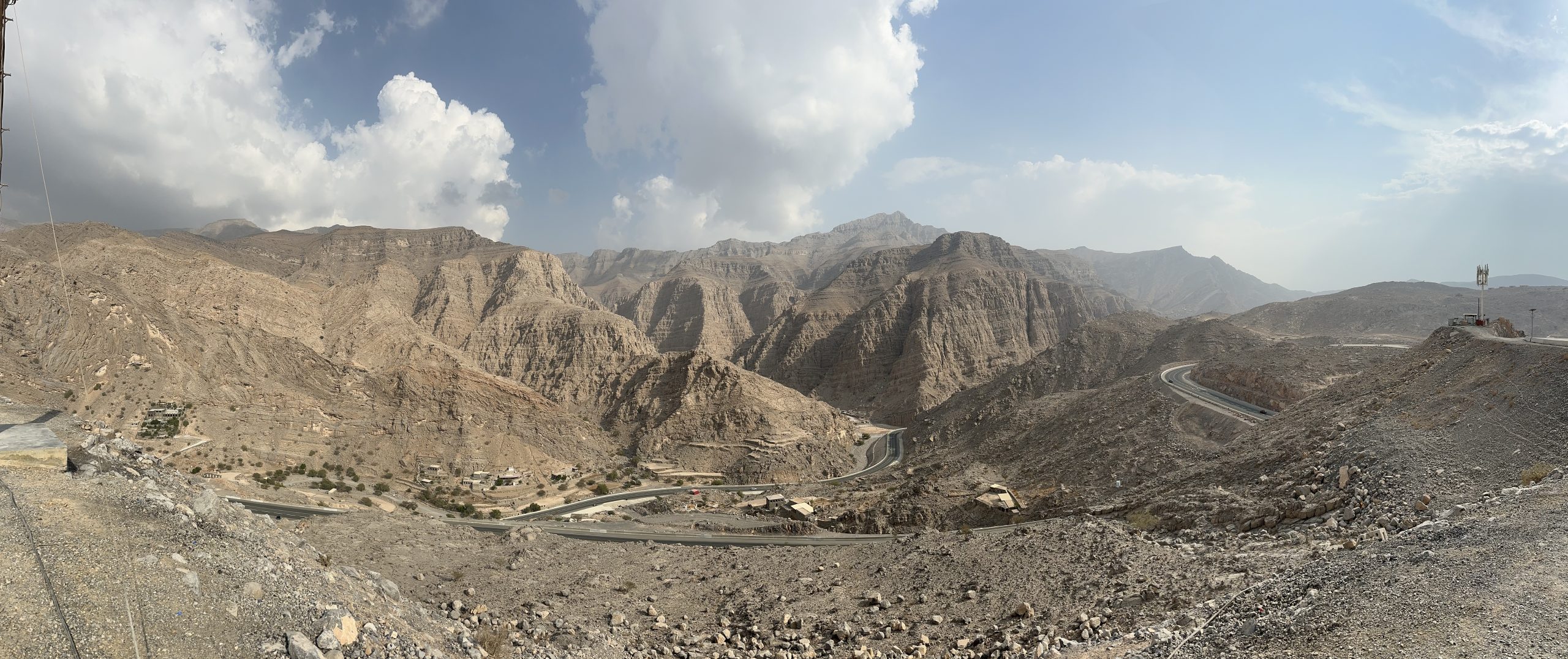
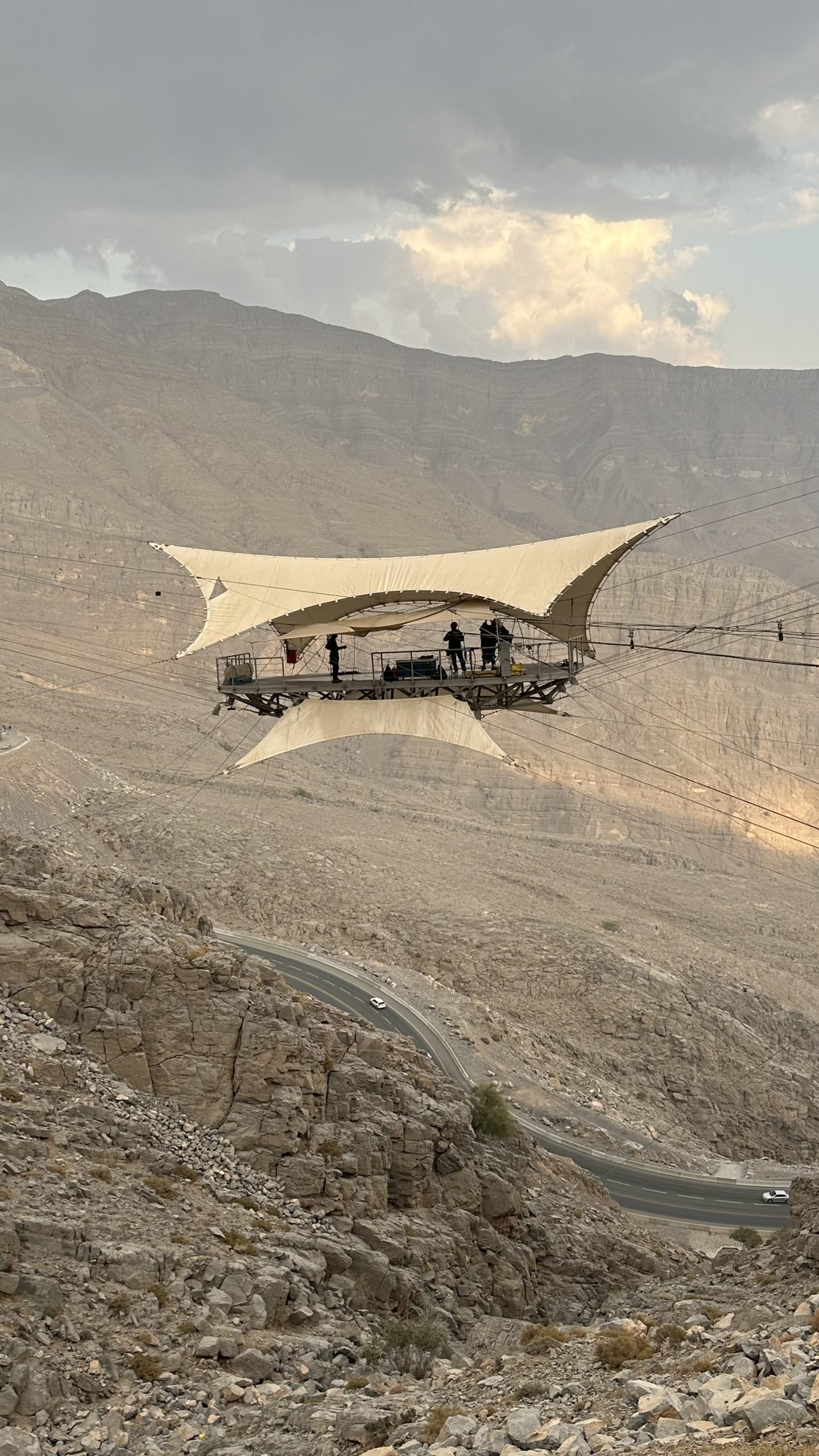
The highlight of my trip came in Ras Al Khaimah, where I drove into the spectacular Jebel Jais mountains.
The landscape changes dramatically as you climb higher. Barren mountains, rocky wadis and almost lunar-looking scenery make parts of the drive feel as though you’ve accidentally left the UAE — and possibly planet Earth.
My destination was Jais Flight.
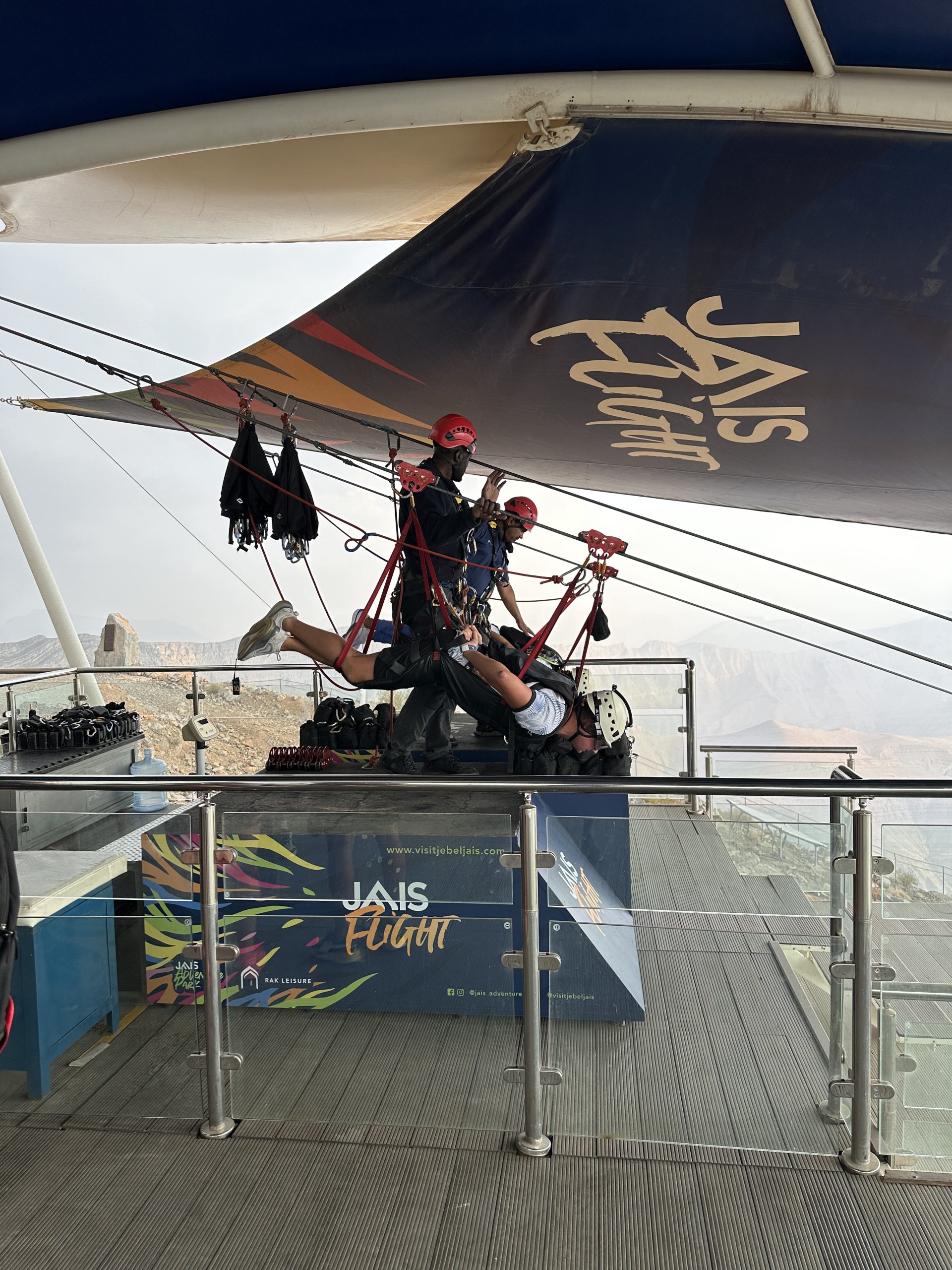
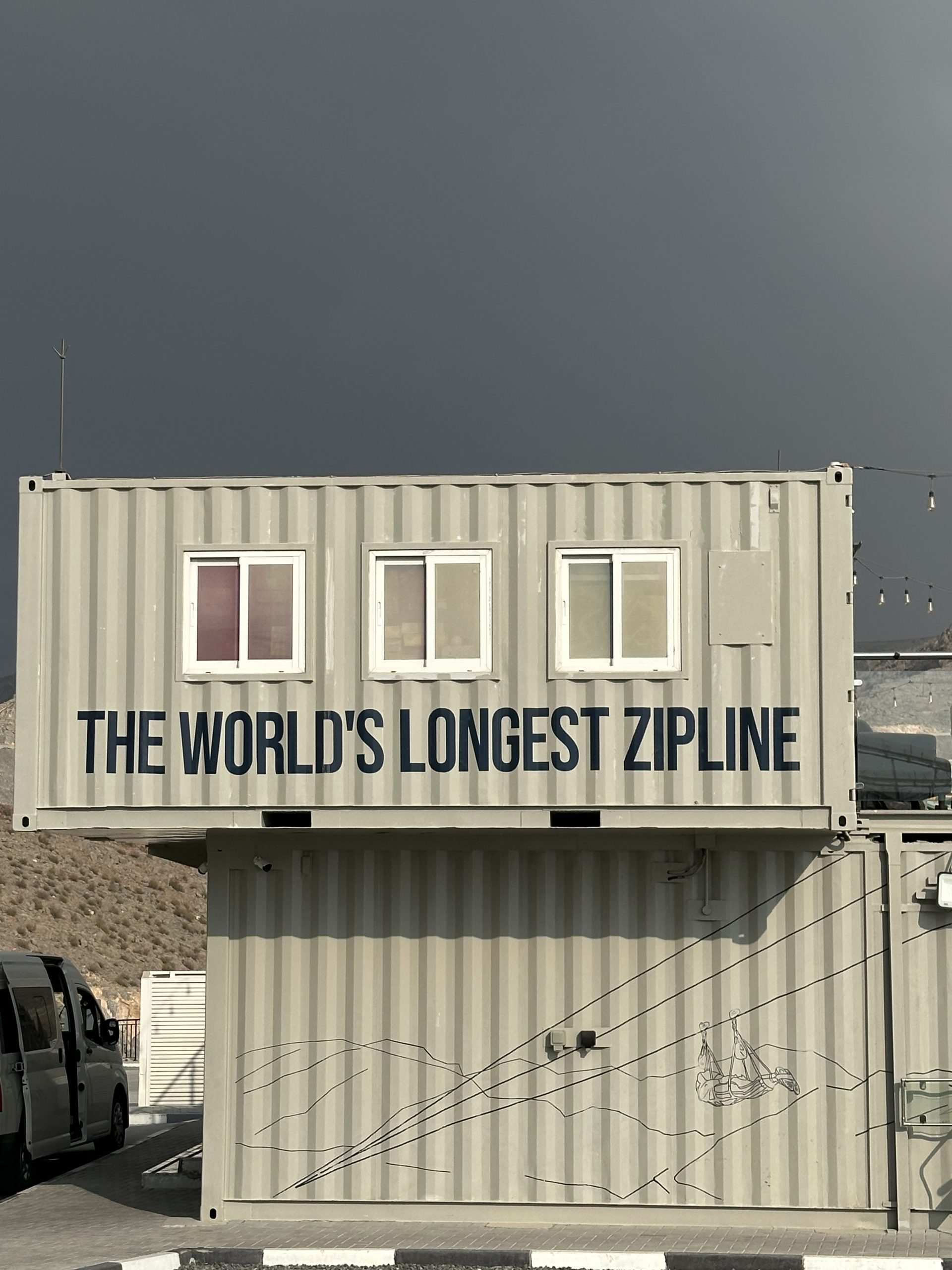
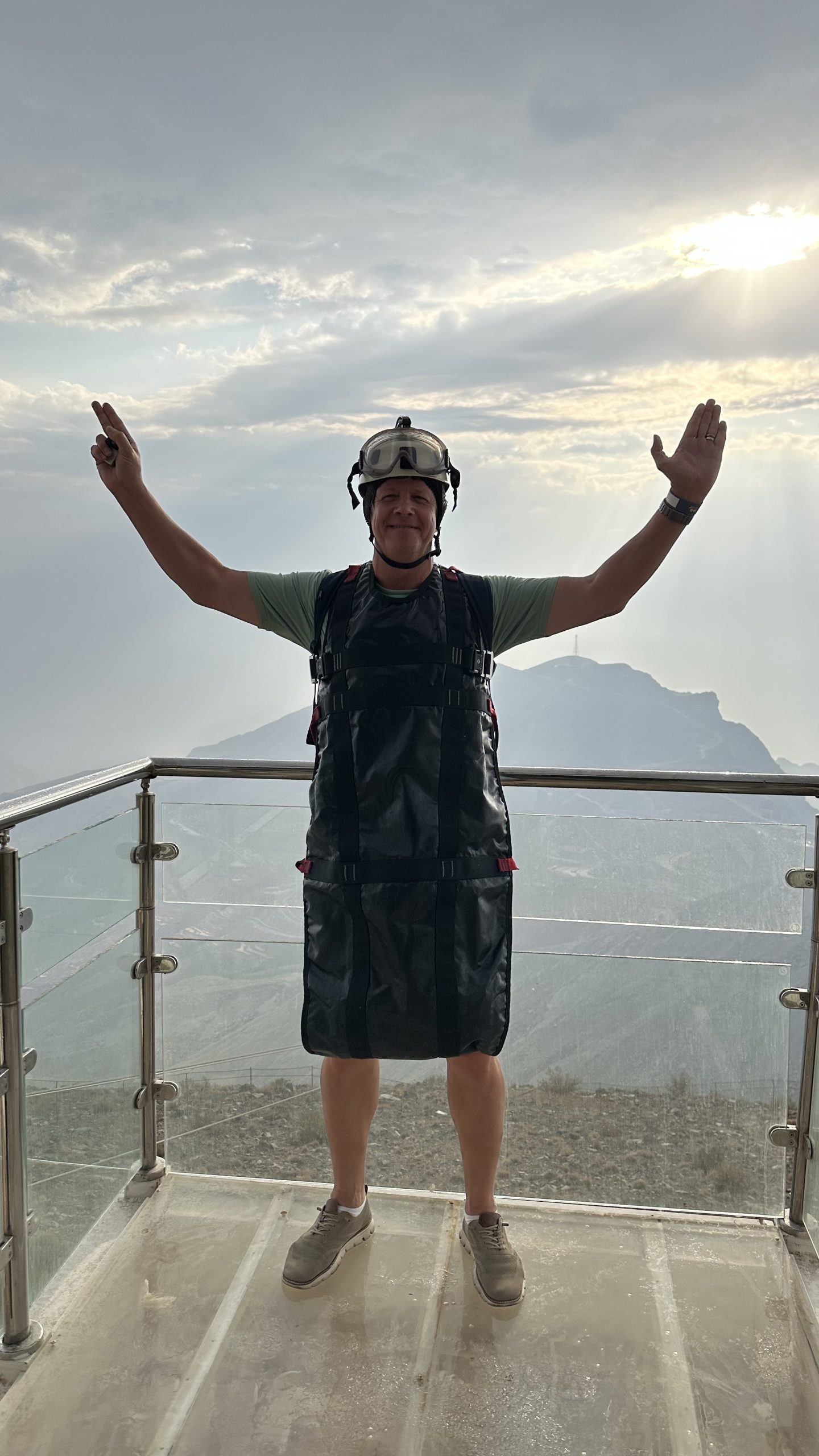
At 2.83 kilometres, it holds the record as the world’s longest zipline. The launch platform sits approximately 1,680 metres above sea level, and riders can reach speeds of up to 160 km/hwhile flying headfirst across the dramatic mountain canyons.
For perspective, 2.83 kilometres is roughly the length of 28 football pitches laid end to end.
Normally, I’m not particularly scared of heights.
Apparently, there are exceptions.
Standing on a mountain with somebody attaching you to a cable and preparing to send you headfirst across a canyon turns out to be one of them.
The experience was genuinely terrifying — but in an oddly satisfying way. Once you’ve survived the initial moment of wondering why on earth you thought this was a good idea, it becomes an extraordinary experience.
For adrenaline junkies, this is an absolute must.
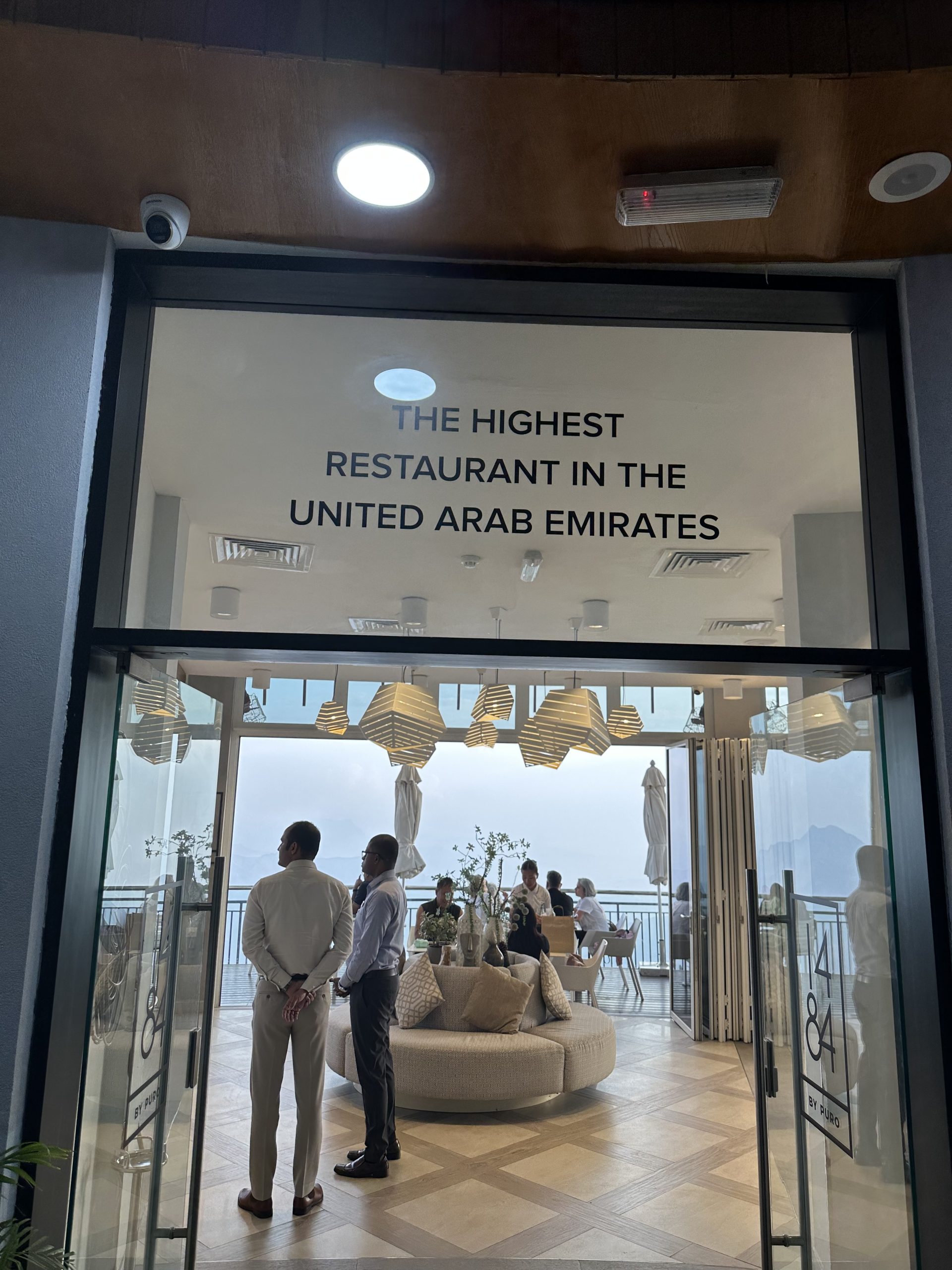
And afterwards, reward yourself with dinner on the mountain. Sitting comfortably with a meal while watching other people being launched across a canyon at ridiculous speeds is considerably more relaxing.
Fujairah – swapping mountains for the sea
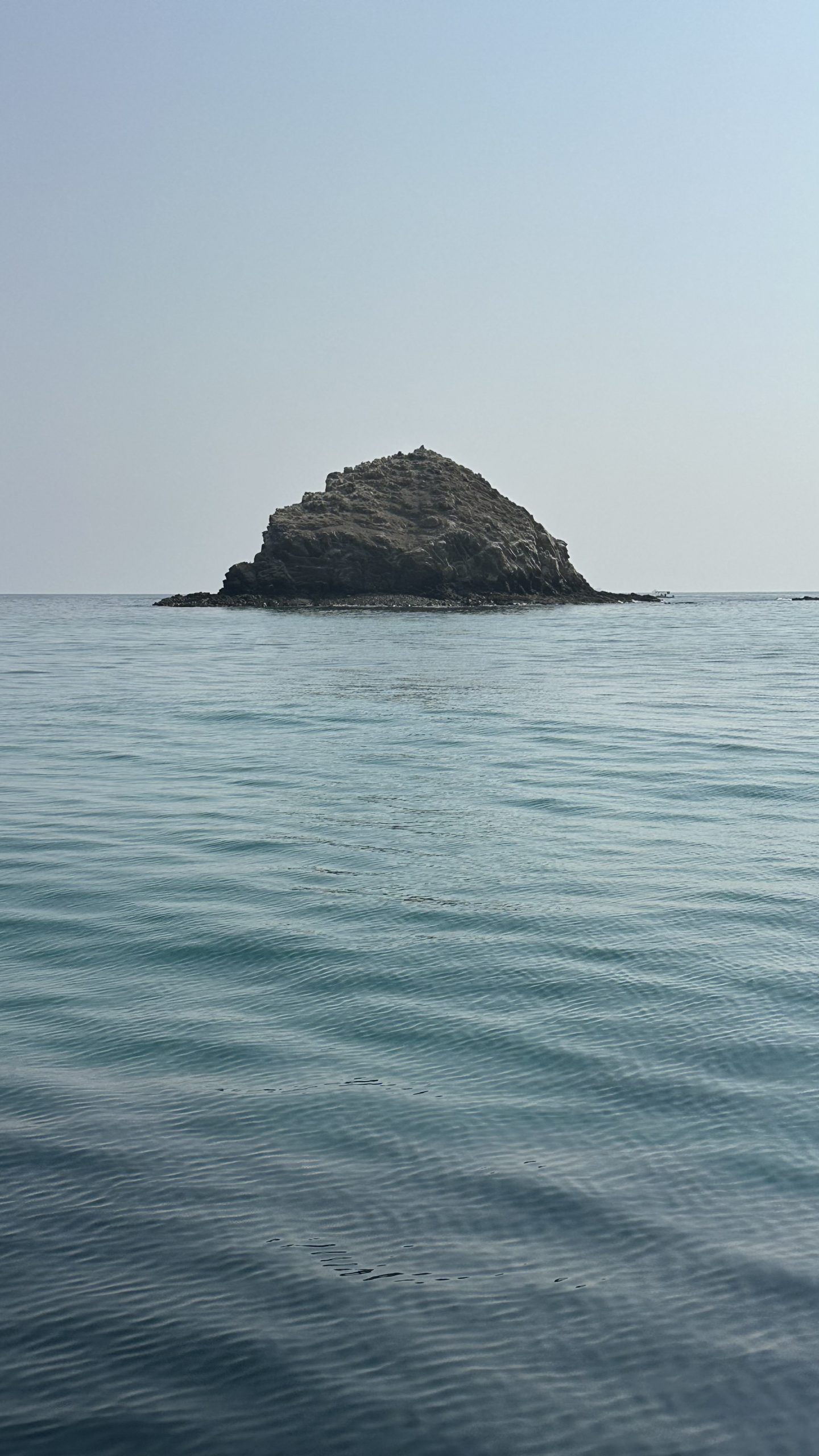
The next morning I drove across to Fujairah, the only one of the seven emirates located entirely on the UAE’s eastern side, facing the Gulf of Oman rather than the Arabian Gulf.
That also makes it one of the UAE’s main destinations for scuba diving.
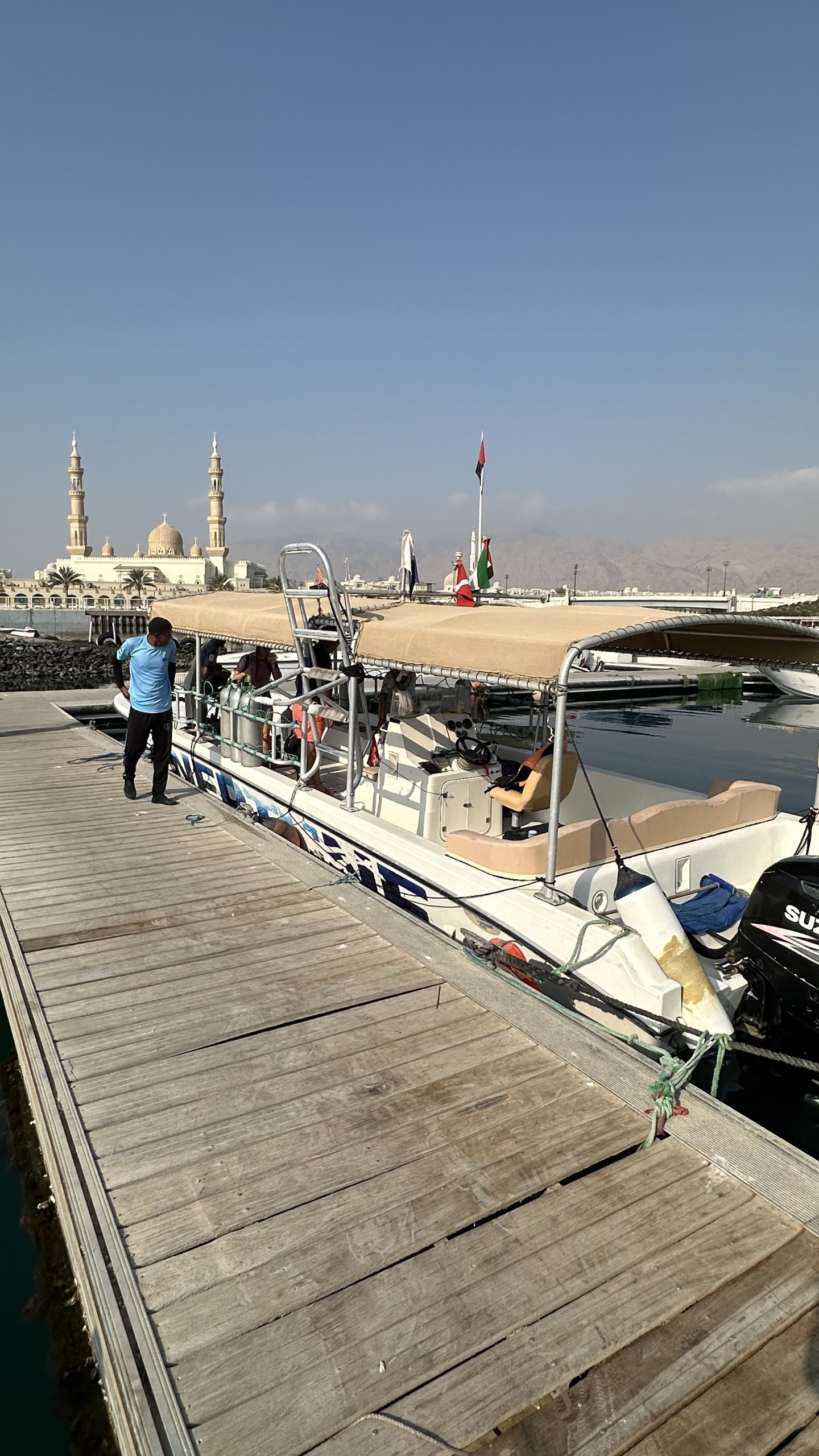
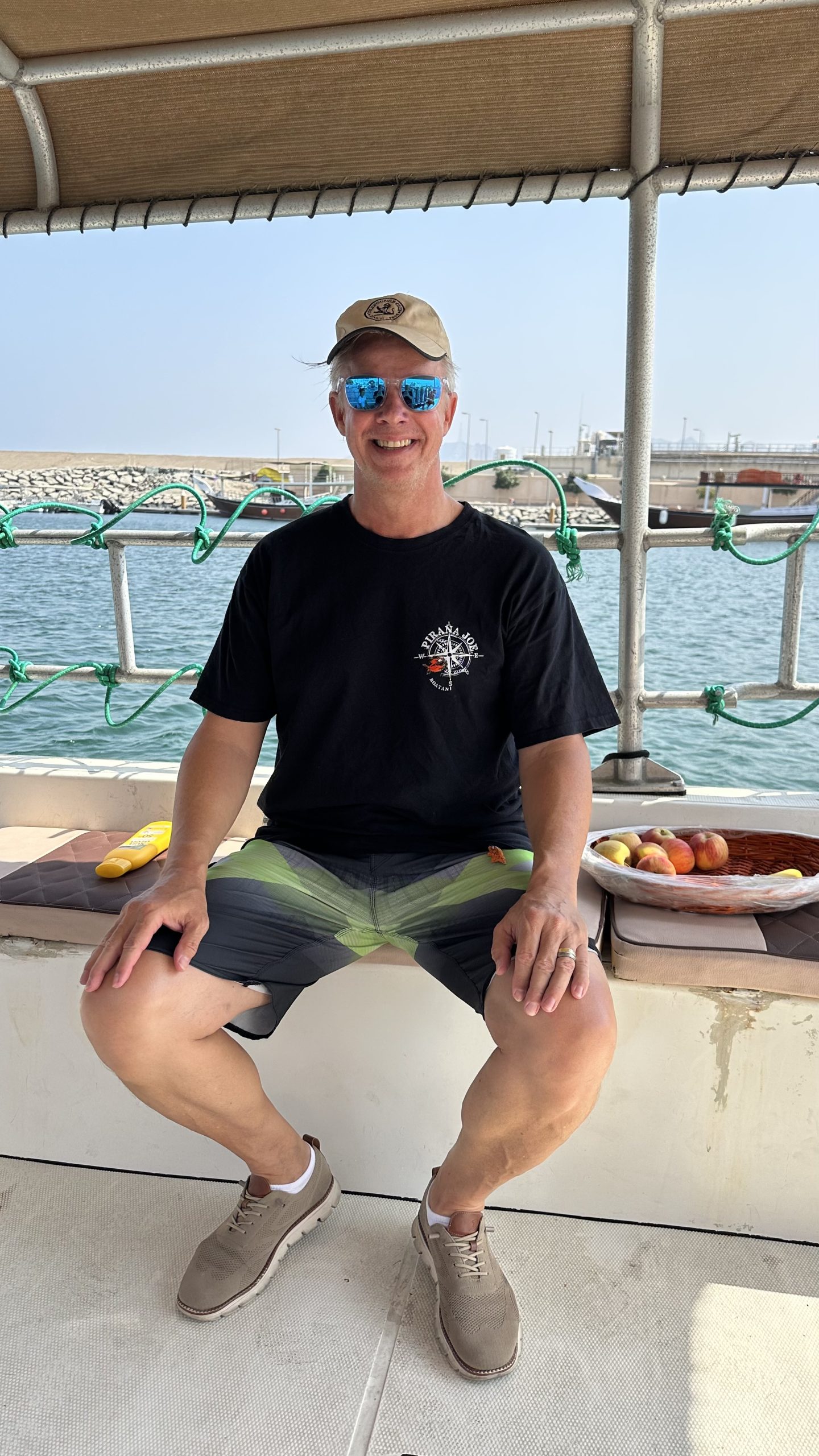
I went out for two dives organised through Neptune Diving Center. I felt very well looked after, the water was wonderfully warm and both dives were enjoyable.
Would I fly halfway around the world purely to dive in Fujairah? Probably not.
But as part of a wider UAE journey, spending half a day underwater provided a very enjoyable change from deserts, mountains and highways.
And that is one of the things that surprised me most about this short trip: within a relatively smallcountry, you can go from skyscrapers to mountains, from desert landscapes to coral reefs, all within a few hours.
Al Ain – an oasis in the desert
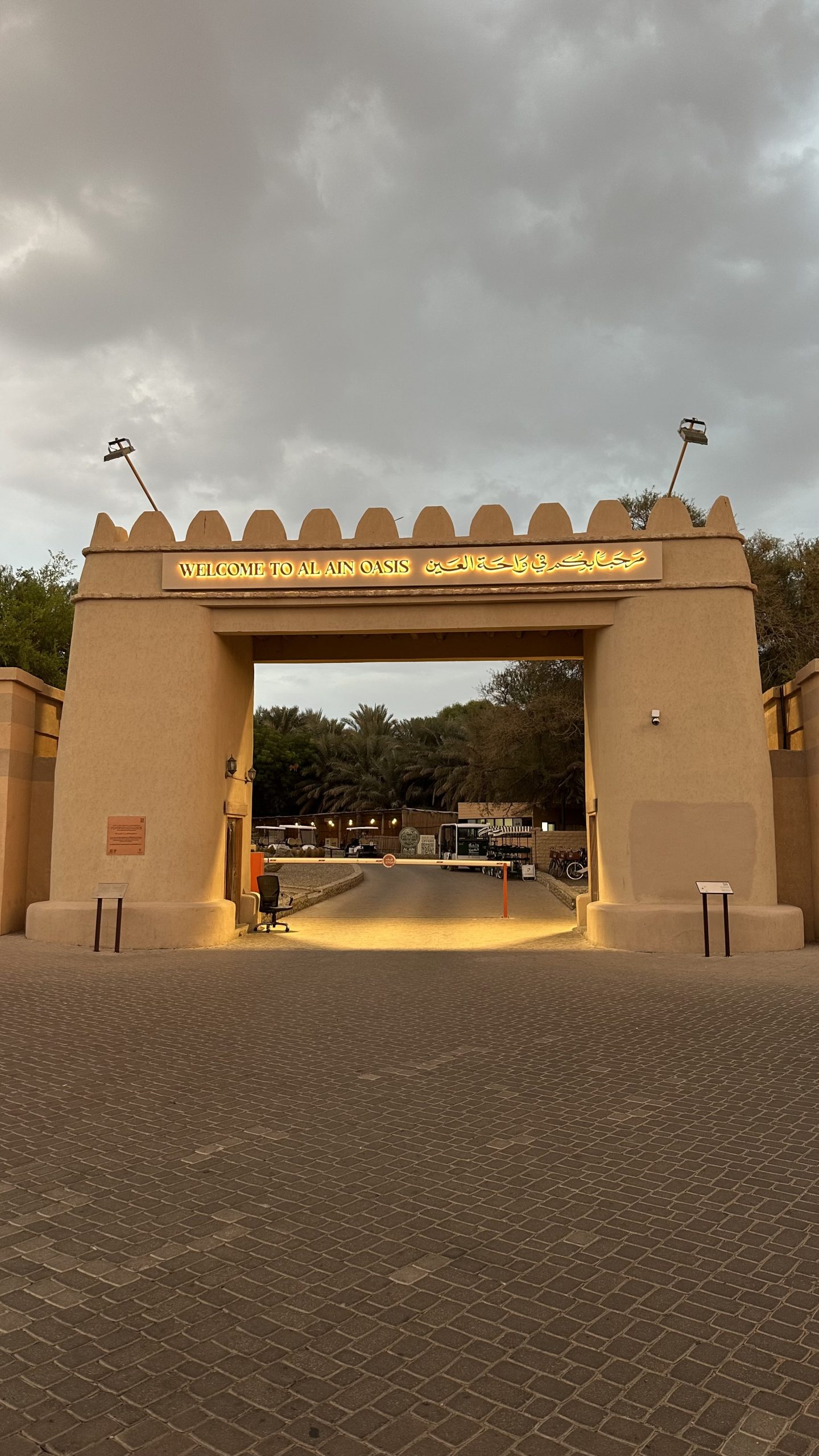
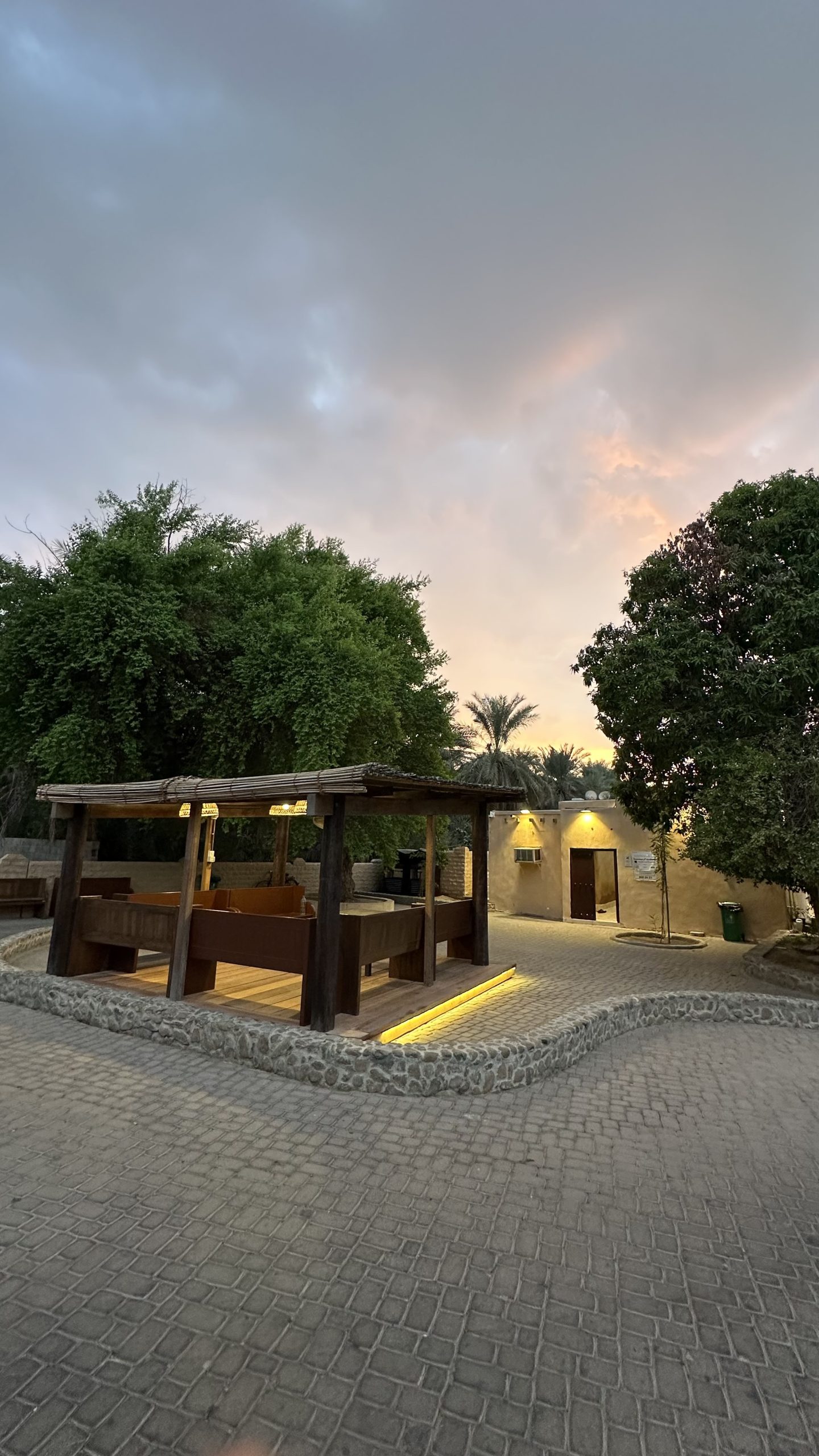
After diving, I headed towards Abu Dhabi, with a brief stop at Al Ain Oasis.
After days of rock, sand and modern cities, walking beneath thousands of date palms feels wonderfully peaceful.
The oasis is part of the UNESCO-listed Cultural Sites of Al Ain and preserves the traditional falaj irrigation system, in which water is channelled through a network of waterways to irrigate the palm plantations.
It is a fascinating reminder that people were successfully farming this extremely dry landscape long before air conditioning, desalination plants and eight-lane motorways arrived.
Abu Dhabi – finishing in style
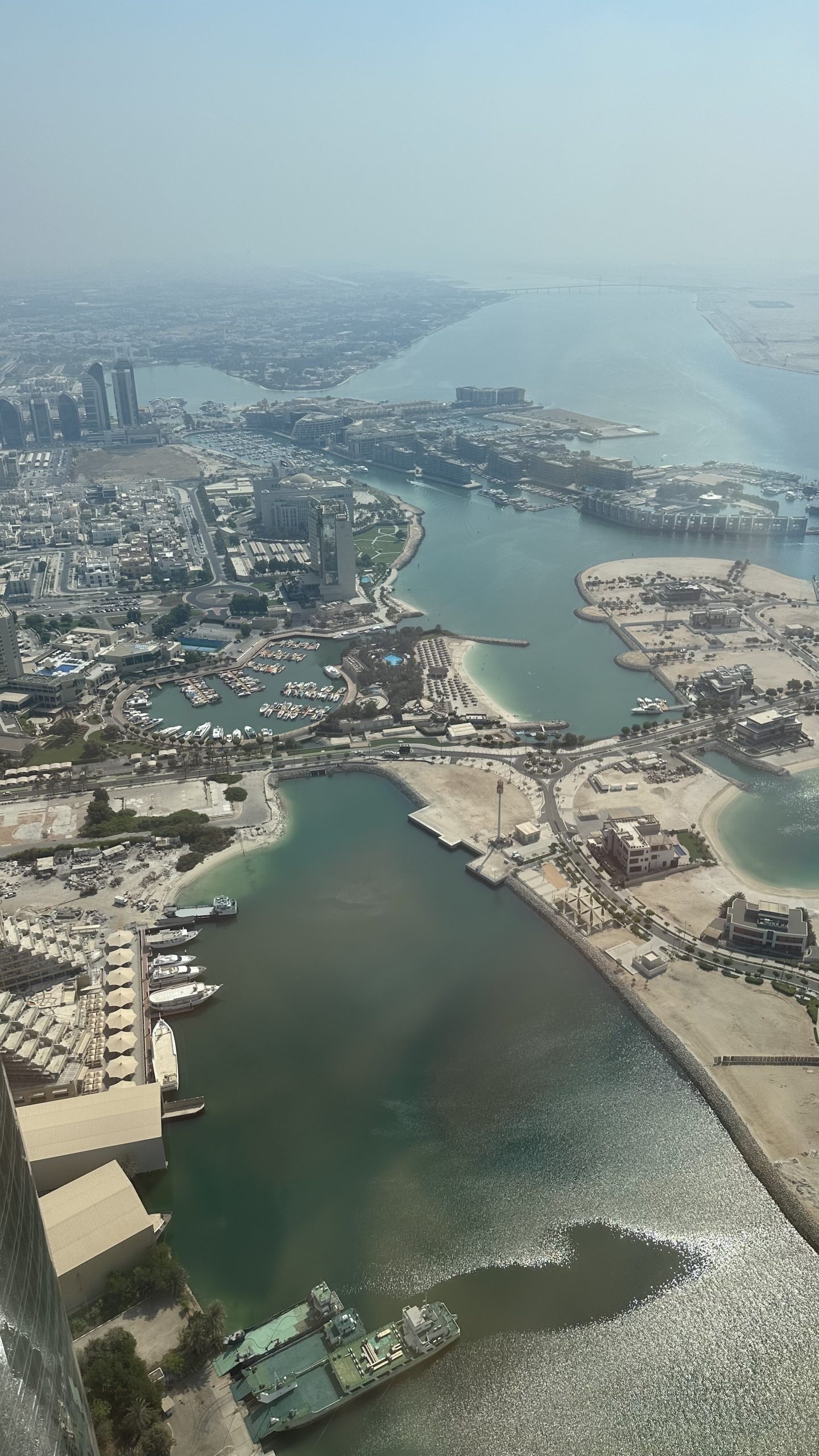
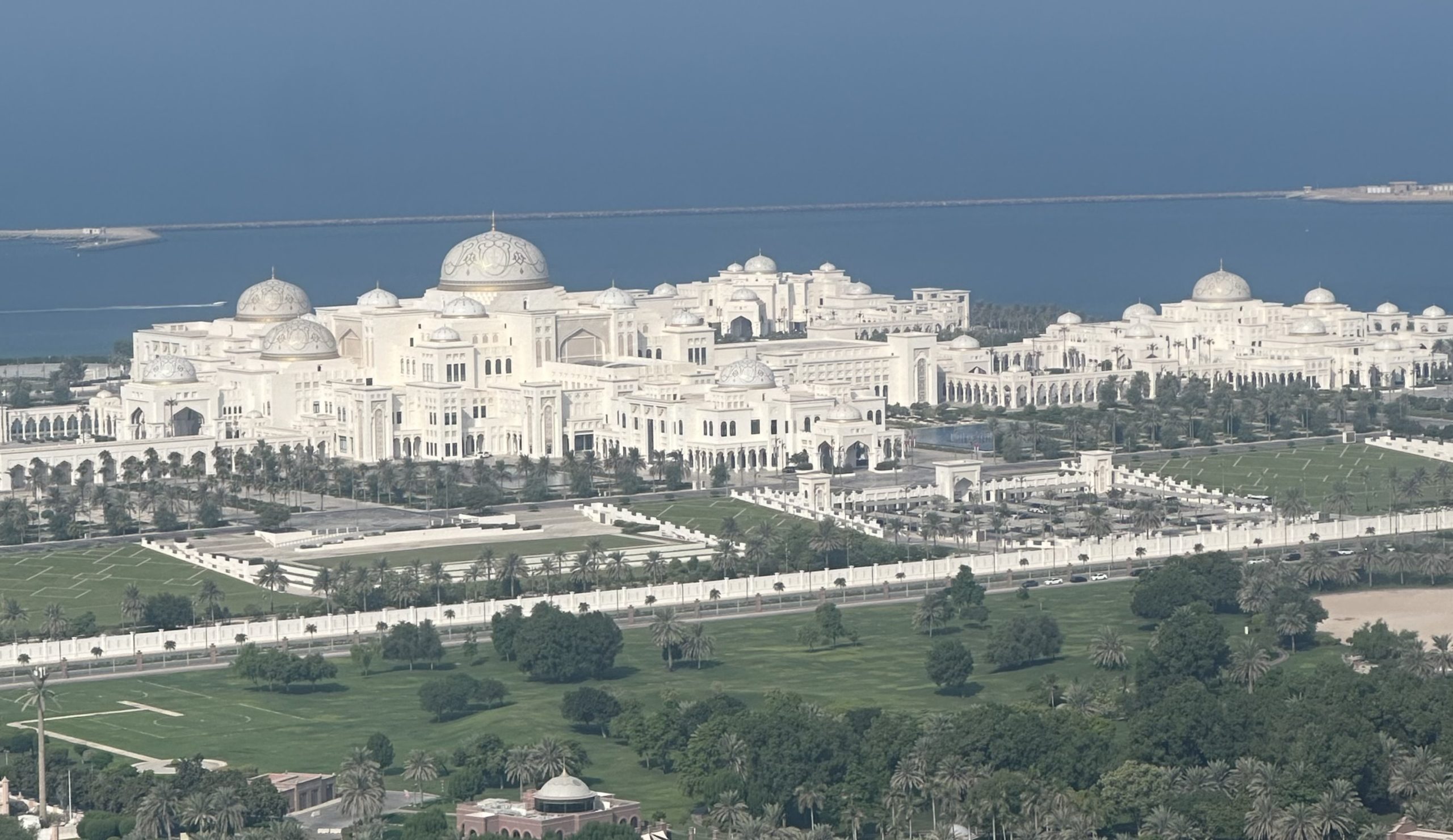
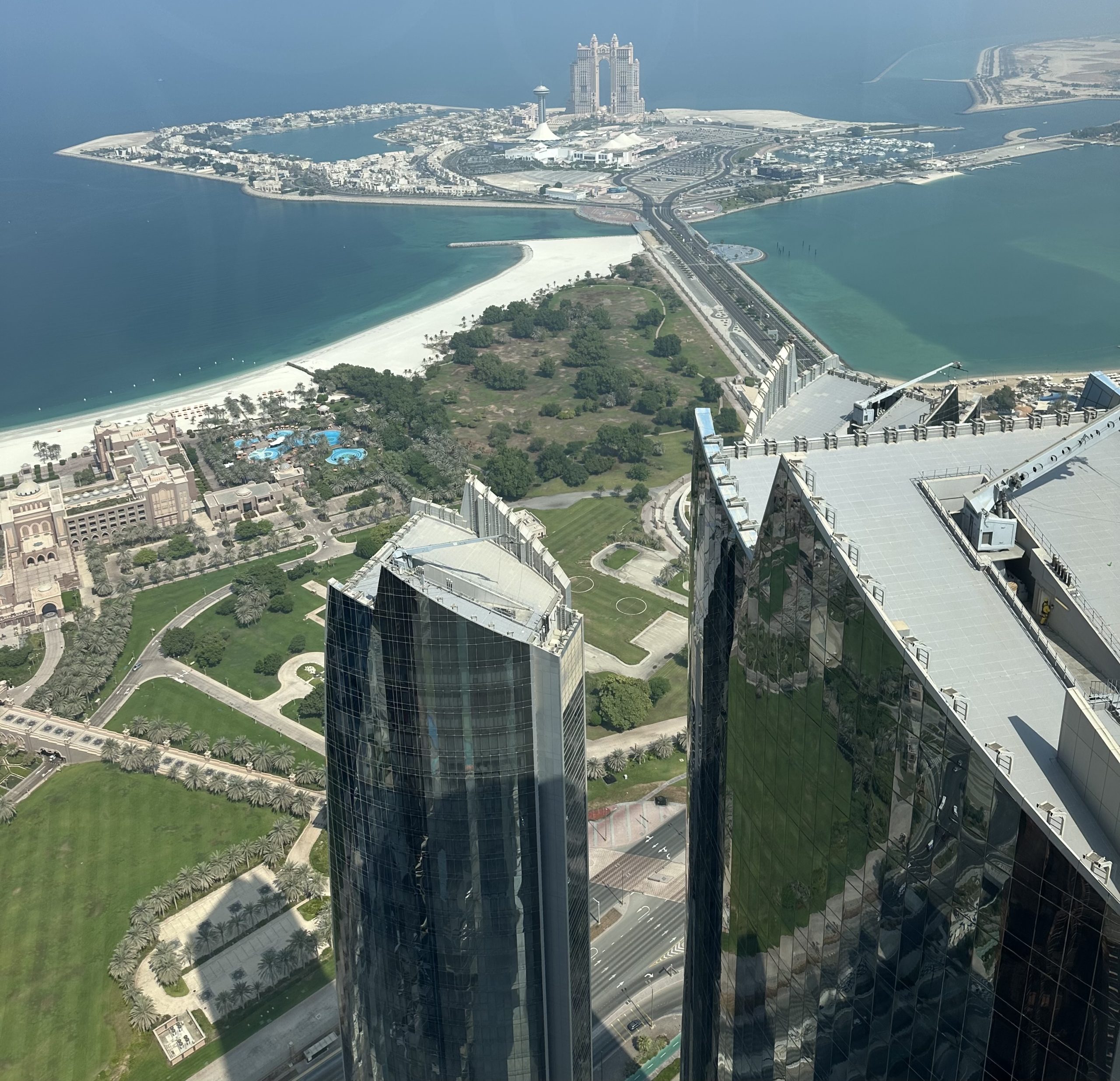
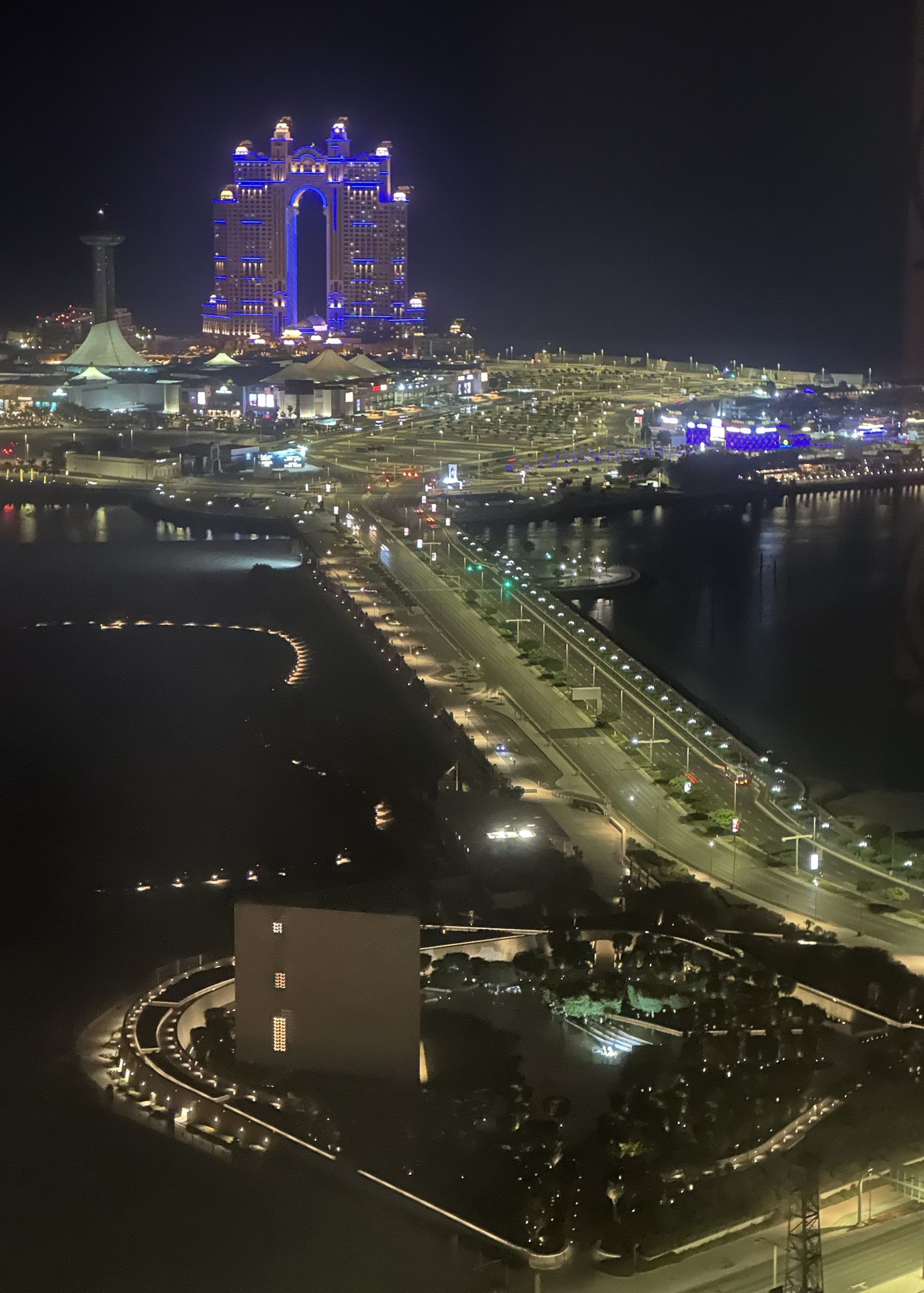
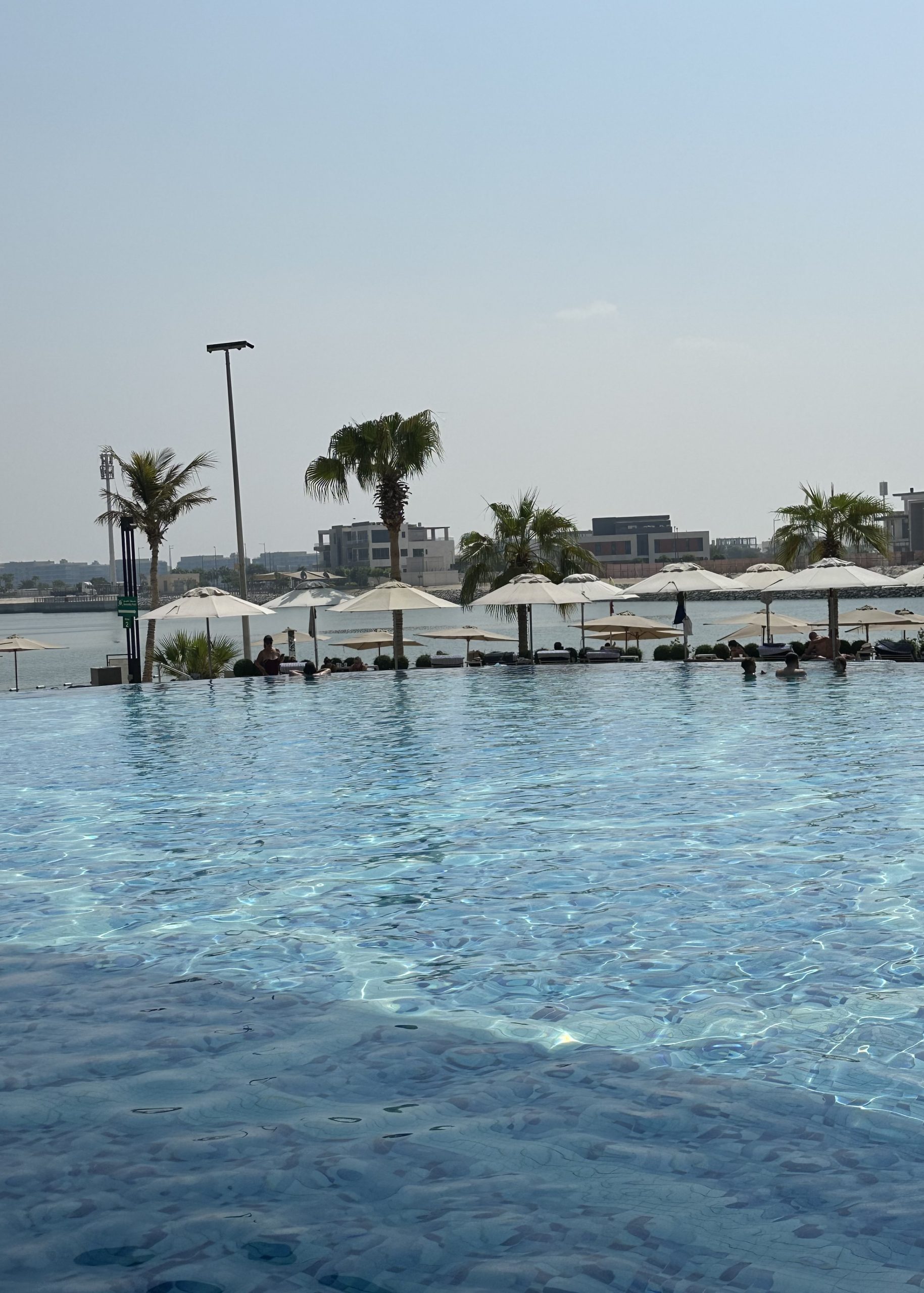
For my final night, I checked into the luxurious Conrad Abu Dhabi Etihad Towers.
There is certainly no shortage of spectacular architecture in Abu Dhabi, but compared with Dubai I found the city noticeably calmer and less hectic. It still delivers all the futuristic Gulf glamour — just with the volume turned down slightly.
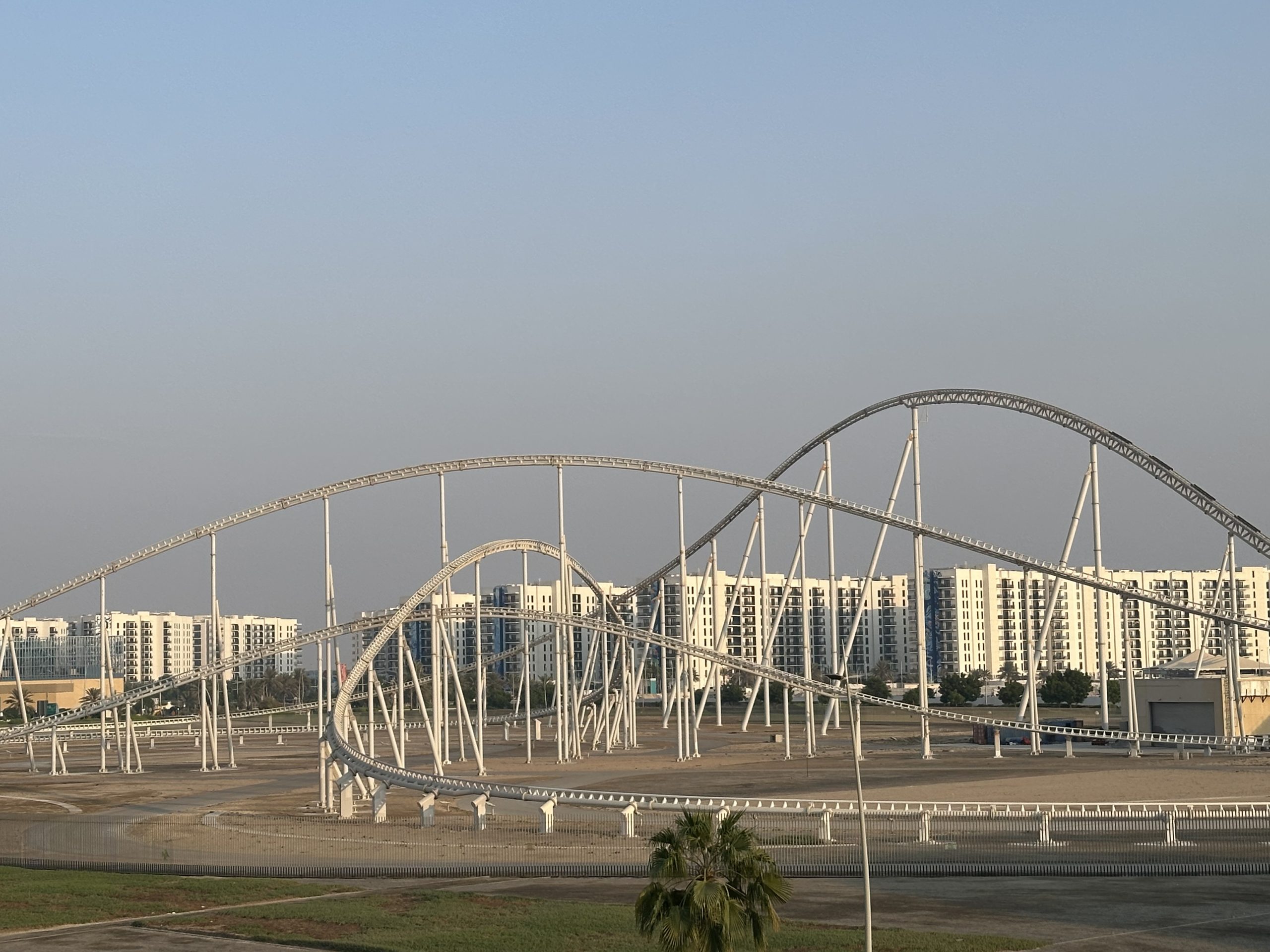
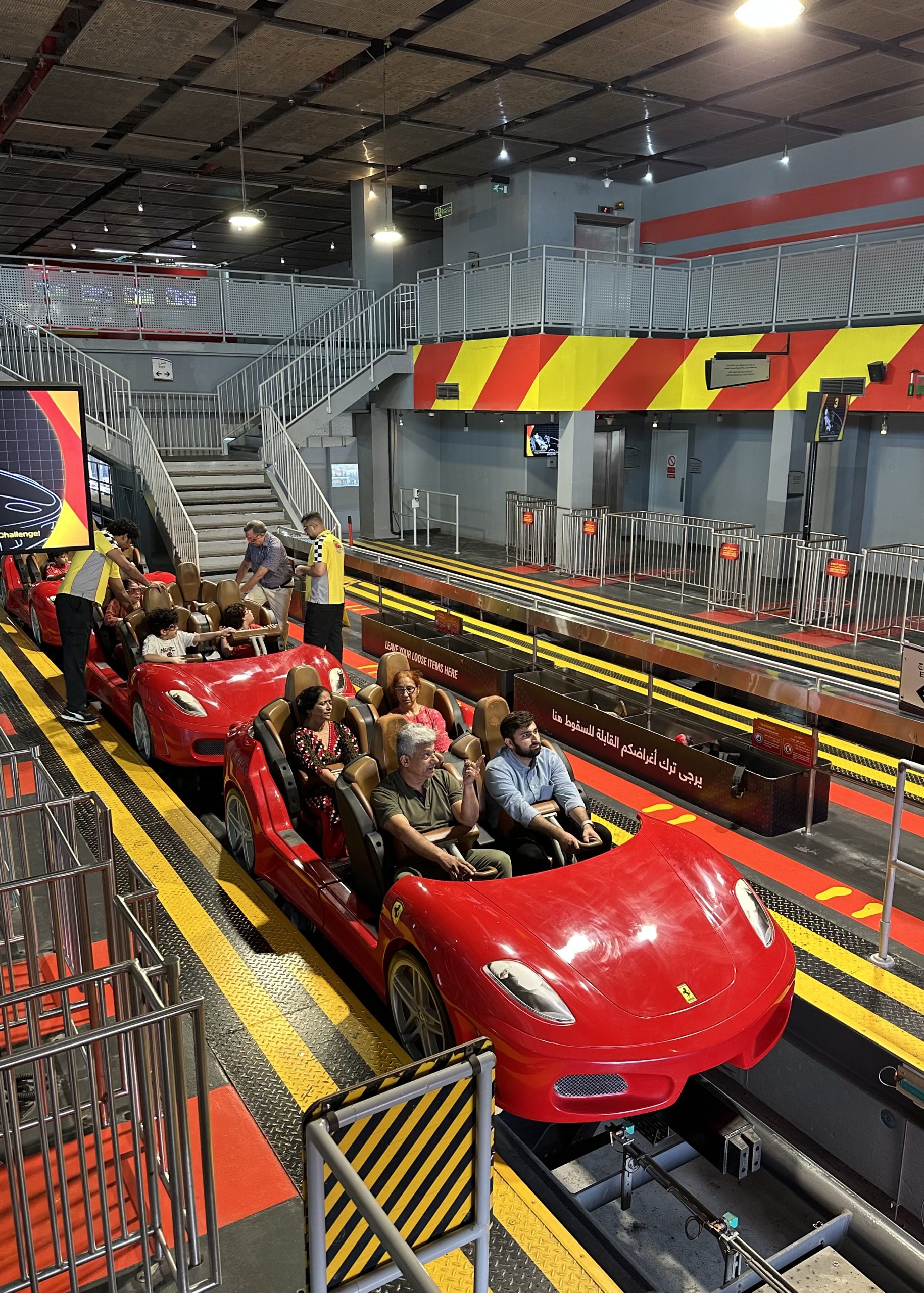
For my final day I decided to visit Ferrari World Abu Dhabi.
Its star attraction is Formula Rossa, advertised as the world’s fastest roller coaster, accelerating to an astonishing 240 km/h.
Unfortunately, it was closed for maintenance during my visit.
Perhaps someone had heard about my experience on Jais Flight and decided I had already demonstrated sufficient courage for one trip.
Most of Ferrari World is indoors and fully air-conditioned — an extremely sensible idea considering Abu Dhabi’s daytime temperatures. Even without Formula Rossa, it is a fun place to spend a few hours and certainly something very different from the cultural sites, mountains and diving of the previous days.
view from Conrad Abu Dhabi Etihad Towers
So, are the lesser-known Emirates worth visiting?
Absolutely.
Dubai may be the international superstar of the UAE, but this whirlwind journey through the country’s other emirates showed me just how varied the country really is.
Sharjah surprised me with its culture and heritage.
Ajman offered beaches and a more compact urban atmosphere.
Umm Al Quwain showed me a quieter, less-developed side of the country.
Ras Al Khaimah delivered spectacular mountains — and 2.83 kilometres of sheer terror.
Fujairah added warm waters and scuba diving.
Al Ain provided greenery and history in the middle of the desert.
And Abu Dhabi finished the journey with architecture, luxury and a little Ferrari-powered entertainment.
Would I recommend seeing six emirates in three and a half days?
Only if you enjoy ambitious itineraries, long drives and the occasional moment when Google Maps becomes your closest travel companion.
With more time, I would probably allow at least a week for the same route. The distances themselves aren’t enormous, but each emirate deserves more than a quick stop.
The biggest lesson from this trip, however, was simple:
Don’t think of the UAE as Dubai plus a few places around it.
Beyond Dubai lies a surprisingly diverse country of mountains, mangroves, beaches, desert oases, historic neighbourhoods, coral reefs and some wonderfully crazy attractions.
And sometimes the places you know least about before a journey turn out to be the ones you remember most afterwards.