– Travel Stories –
The real Northern America
In June and July, I set off to explore the northern part of North America and find out first-hand how much potential this region has for a future GMW Signature Journey. I had never travelled through this part of the world before, and what better way to judge a destination than to experience it yourself?
But what exactly do I mean by the “northern part of America”?
My journey started in Saint Pierre & Miquelon, a tiny French overseas territory just off the coast of Newfoundland, and ended some 4.5 weeks later in Vancouver on Canada’s Pacific coast. In other words, I travelled all the way from east to west, crossing six different time zones along the way.
In between, I visited Prince Edward Island, Toronto, Niagara Falls, Banff and Jasper National Parks, Vancouver Island, and finally embarked on a cruise to Alaska.
And what a journey it was.
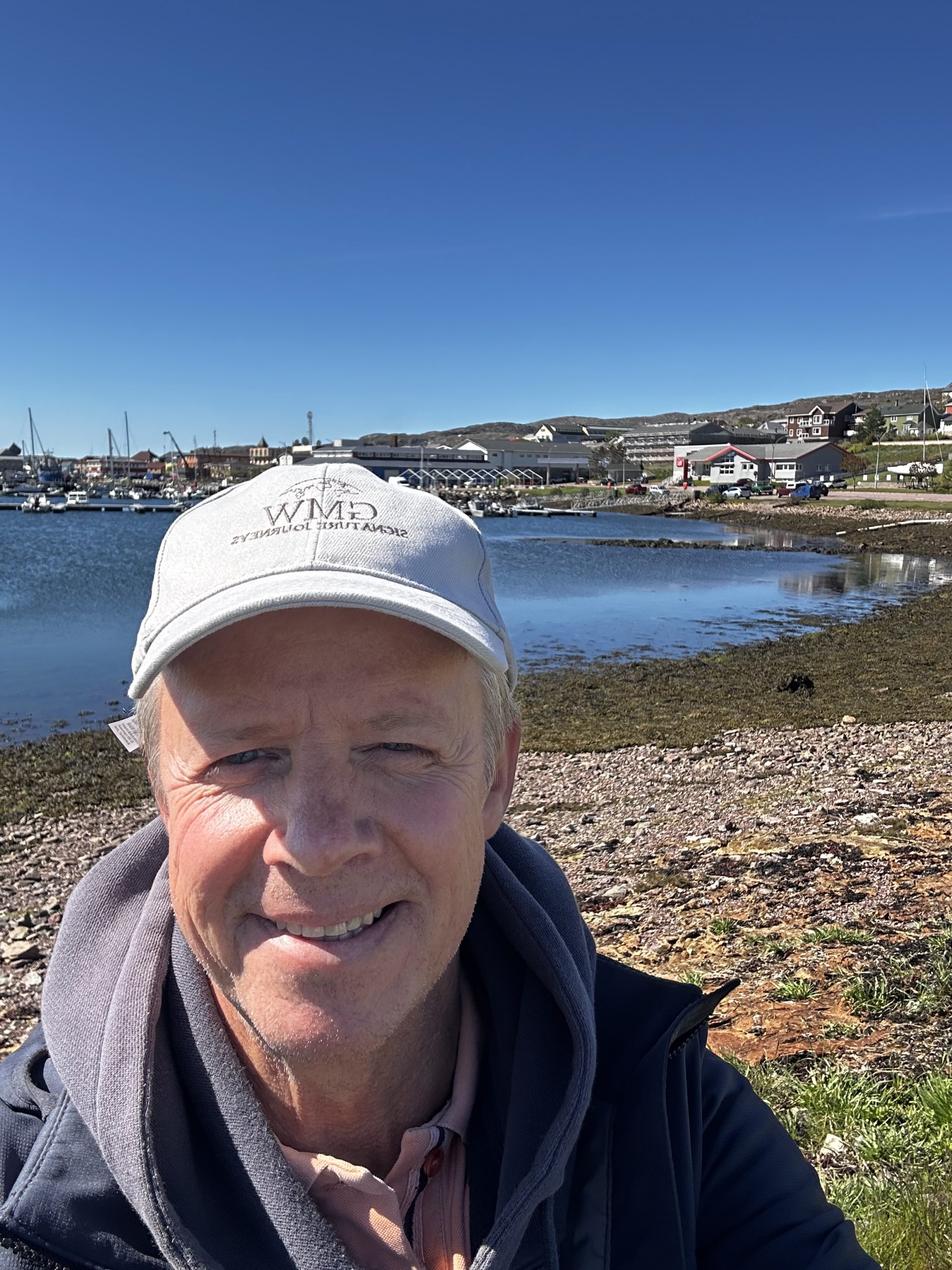
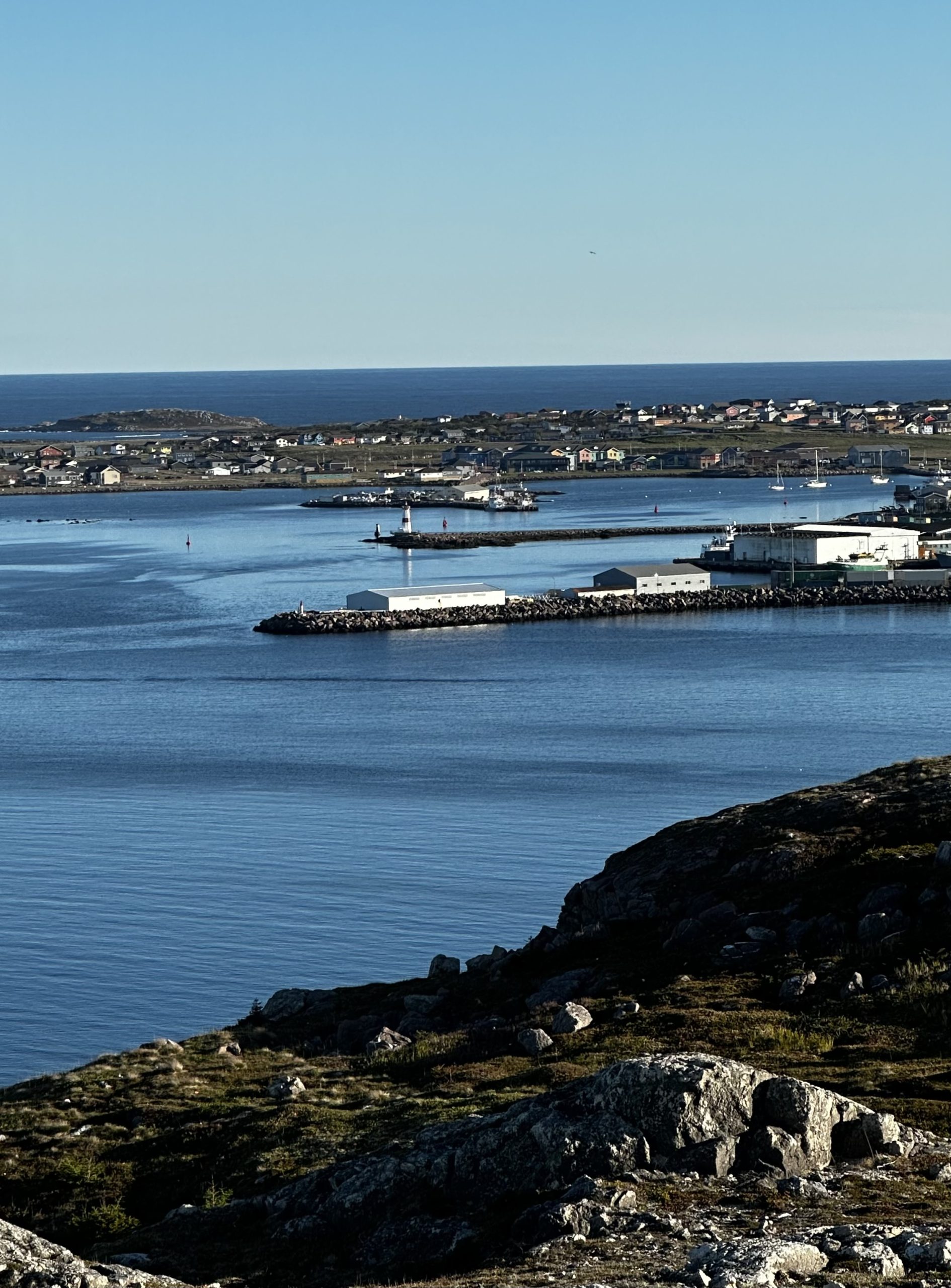
Saint Pierre & Miquelon
Coming from Europe, one of the most convenient ways to reach Saint Pierre & Miquelon – or simply SPM – is the seasonal direct flight from Paris to Saint Pierre, which takes around 6.5 hours. There are also several connections via Canada.
SPM is certainly not one of North America’s best-known destinations, which is precisely part of its charm. Visitor numbers are modest and, once you arrive, you quickly realize that this is somewhere very different from the usual tourist hot spots.
One thing to bear in mind, though: book your accommodation and restaurants well in advance. There simply aren’t that many options.
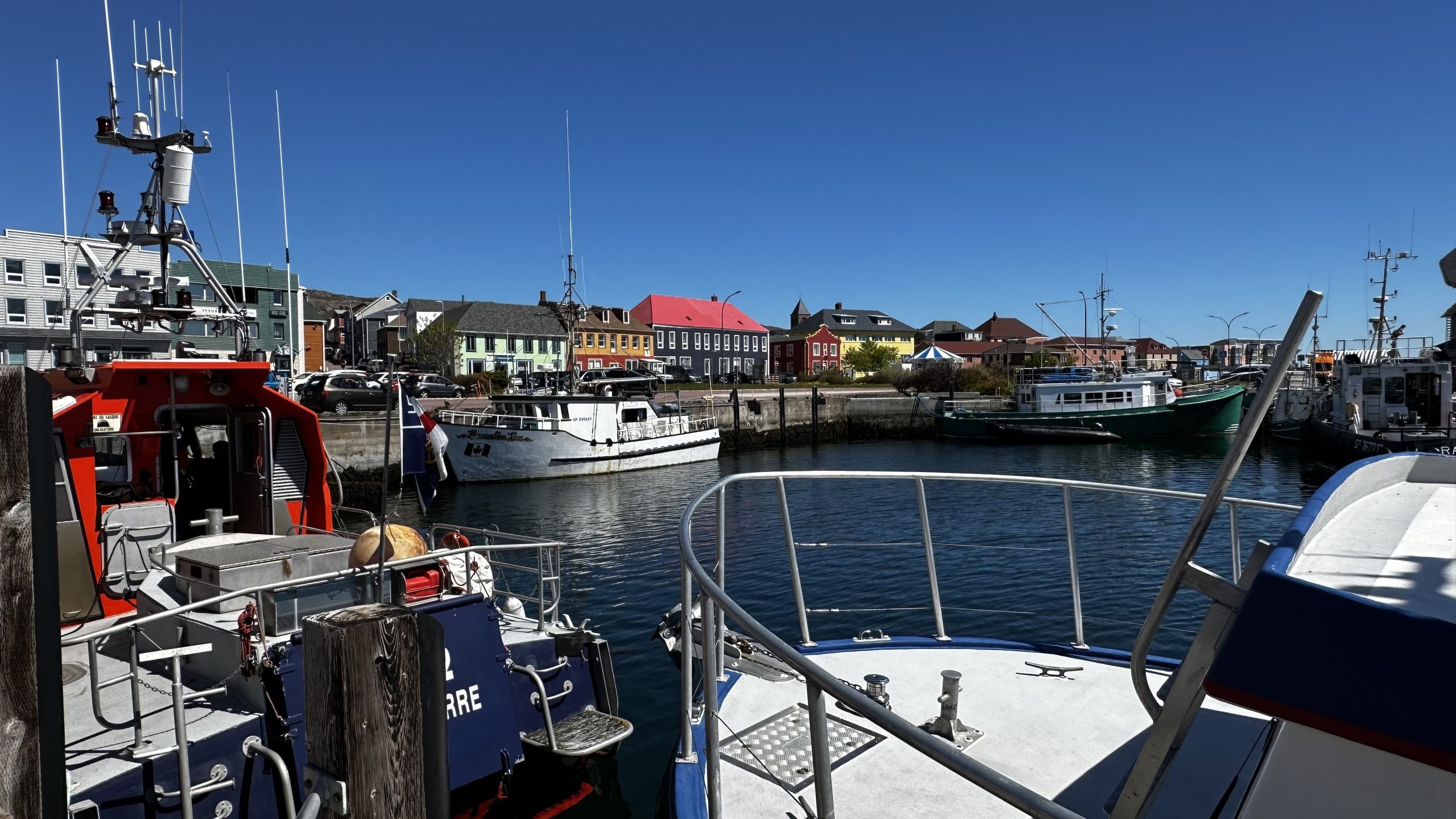
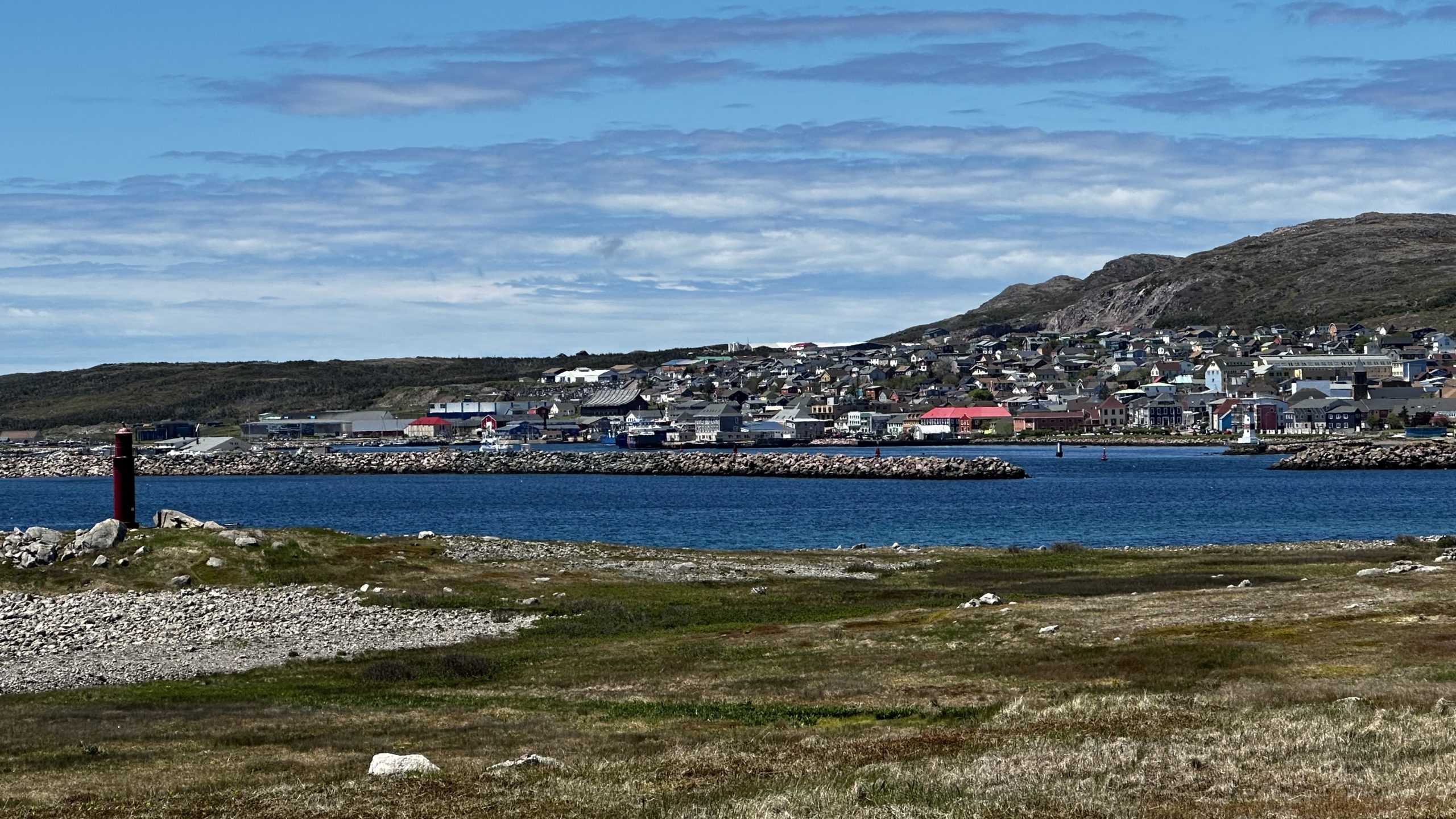
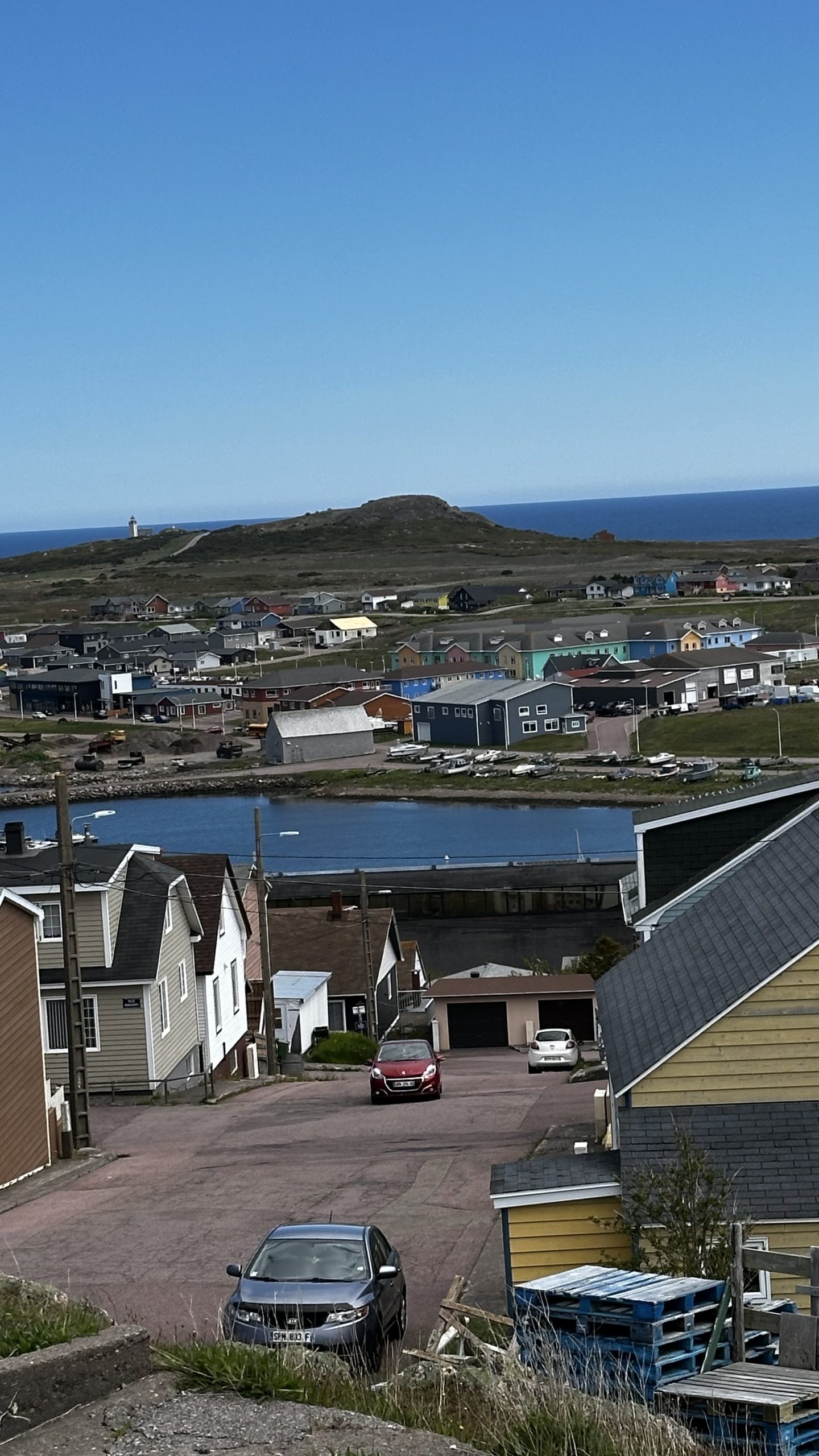
I decided to stay on Saint Pierre, the main island and home to the vast majority of the territory’s population – an astounding 6,000 people 😉, roughly ten times as many as on Miquelon.
Being a French overseas territory, SPM offers the rather surreal experience of finding a little piece of France in North America. French is the language, euro is the currency, and the architecture, food and everyday life all carry an unmistakably French flavor – yet Newfoundland is only a short distance away.
Its remoteness and lack of mass tourism make SPM a wonderful place to slow down. Cruise ships do visit, but their passengers generally stay for only a few hours. During my own stay, there wasn’ta cruise ship in port at all, which made the islands feel even more peaceful.
I stayed for four days, which I found to be a good amount of time to experience the archipelago. I would always factor in the possibility of one day of less-than-perfect weather in this part of the world. Fortunately, I was lucky enough to enjoy three days of sunshine.
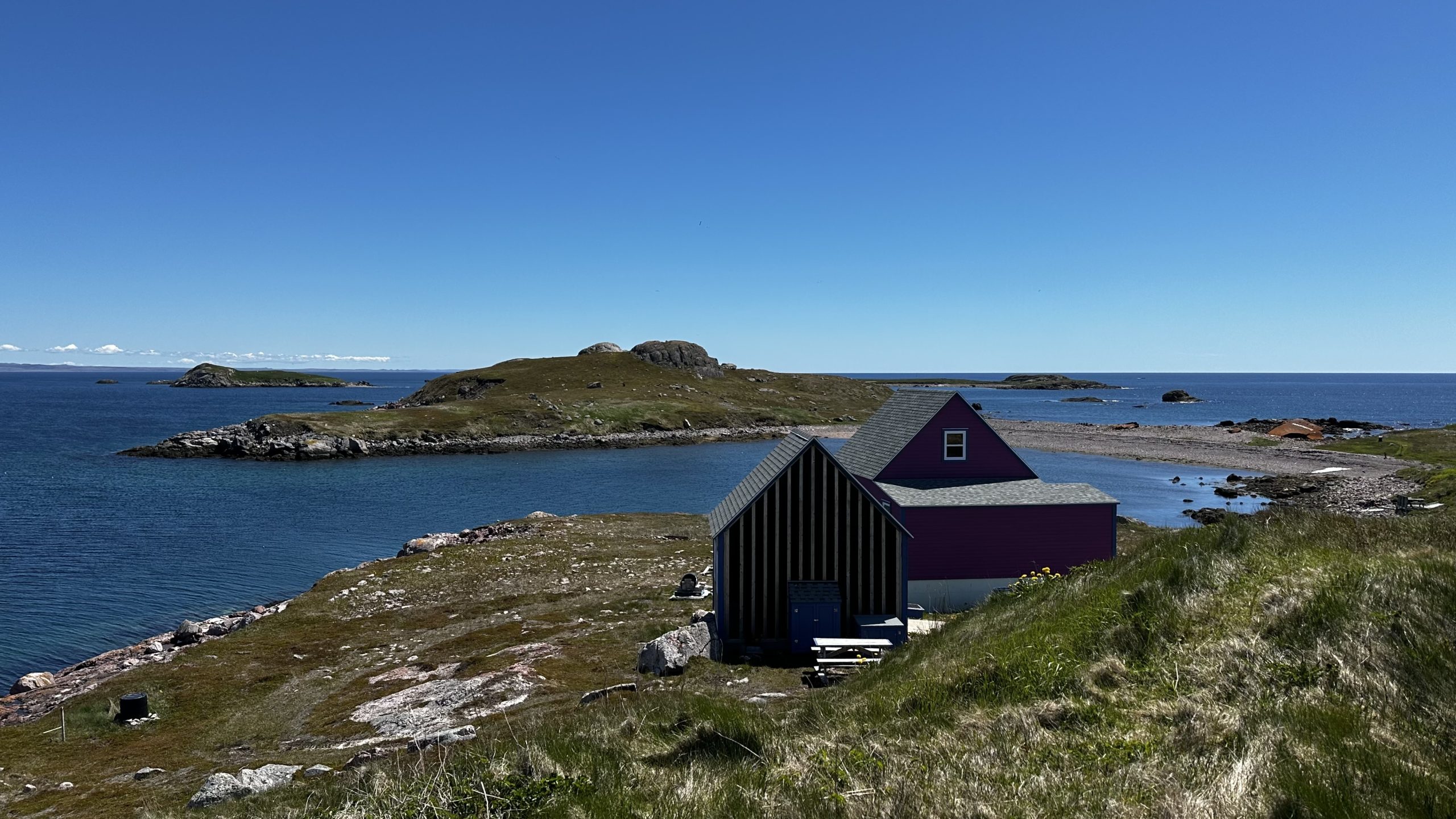
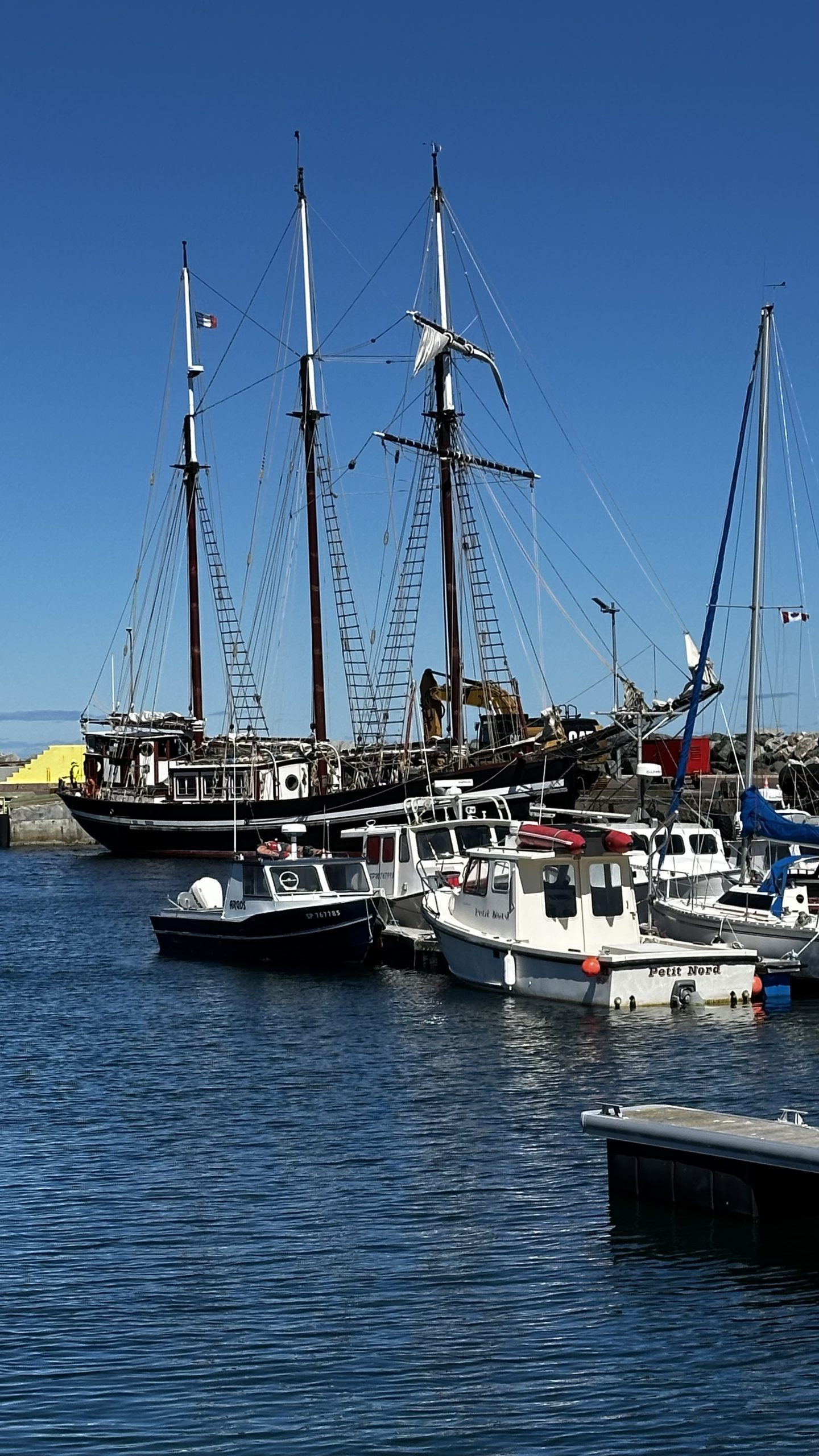
That gave me plenty of opportunity to explore not only Saint Pierre itself but also Île aux Marins, a tiny island just offshore. Once a thriving fishing community, particularly during the 19th and early 20th centuries, today it feels almost like an open-air museum. Historic fishermen’s houses, a church, school and other preserved buildings offer a fascinating glimpse into the lives of the families who once depended almost entirely on the sea. With virtually no permanent population today, walking around the island feels a little like stepping back in time.
And then there was Miquelon.
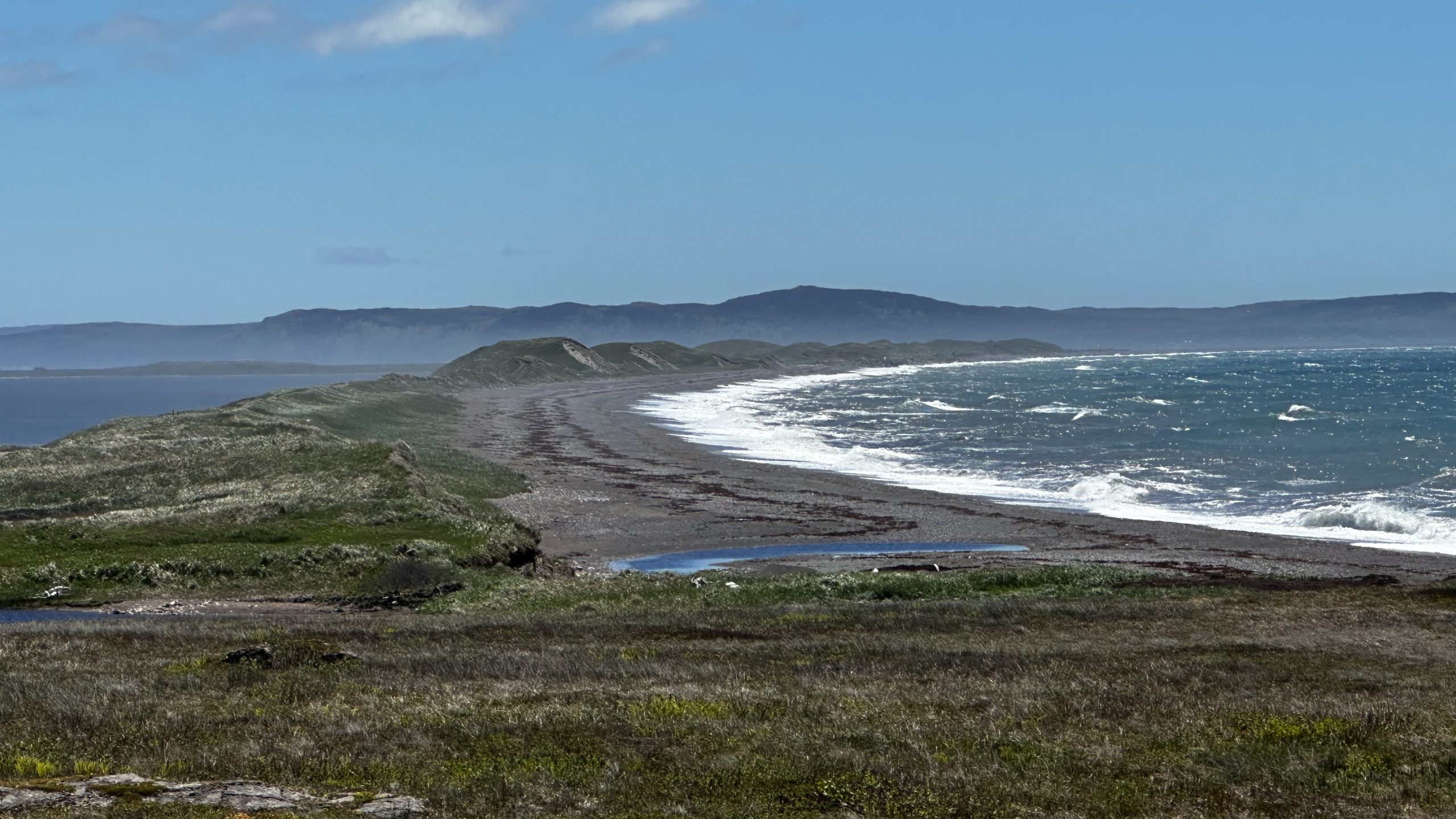
The ferry ride from Saint Pierre takes around 1.5 hours. There I spent the day with Morgan, the owner of the local café Chez Adrian, who also runs several glamping sites on the island. Morgan speaks excellent English – something that shouldn’t necessarily be taken for granted in SPM – and showed me some of the most beautiful parts of Miquelon and neighboring Langlade, also known as Petite Miquelon.
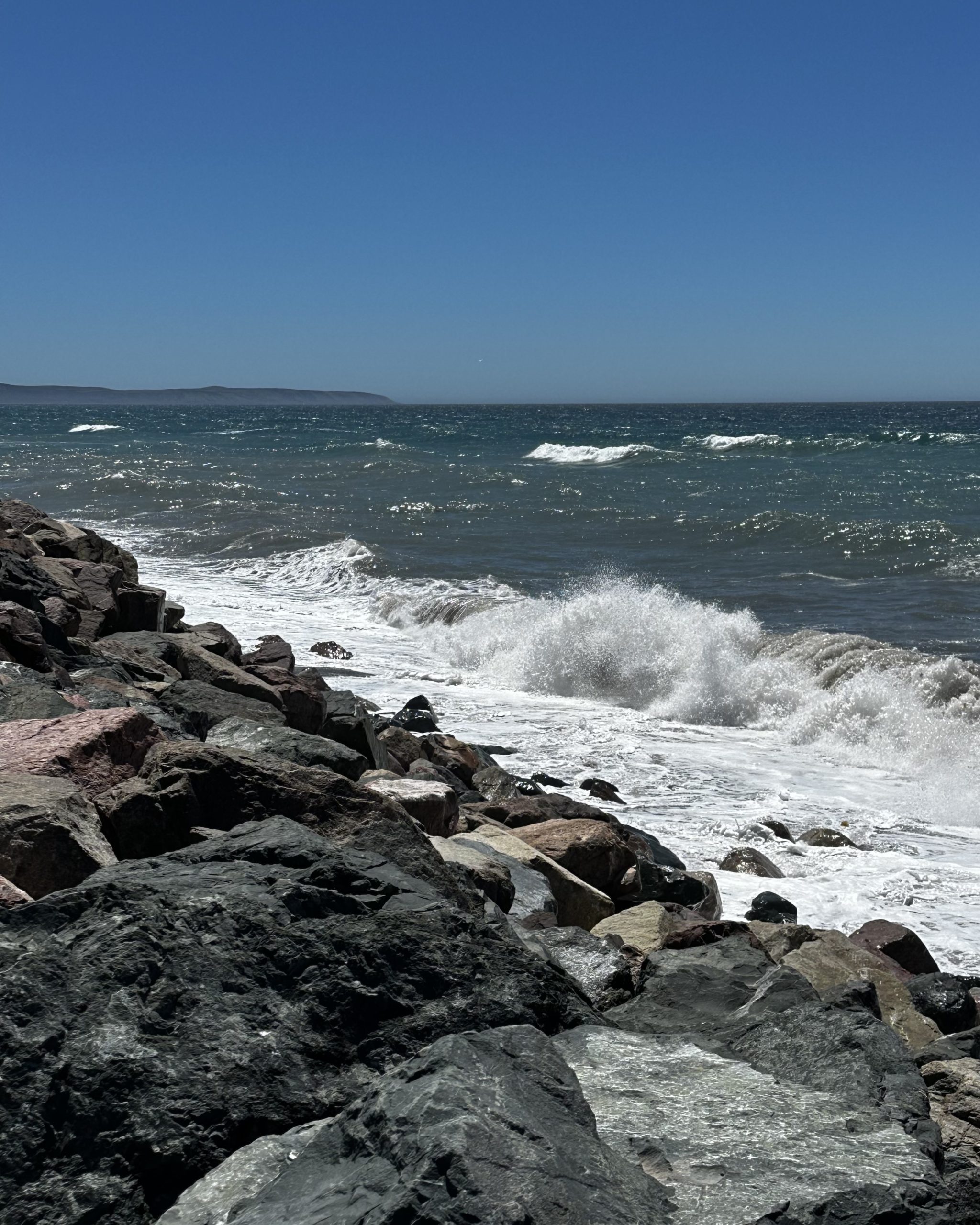
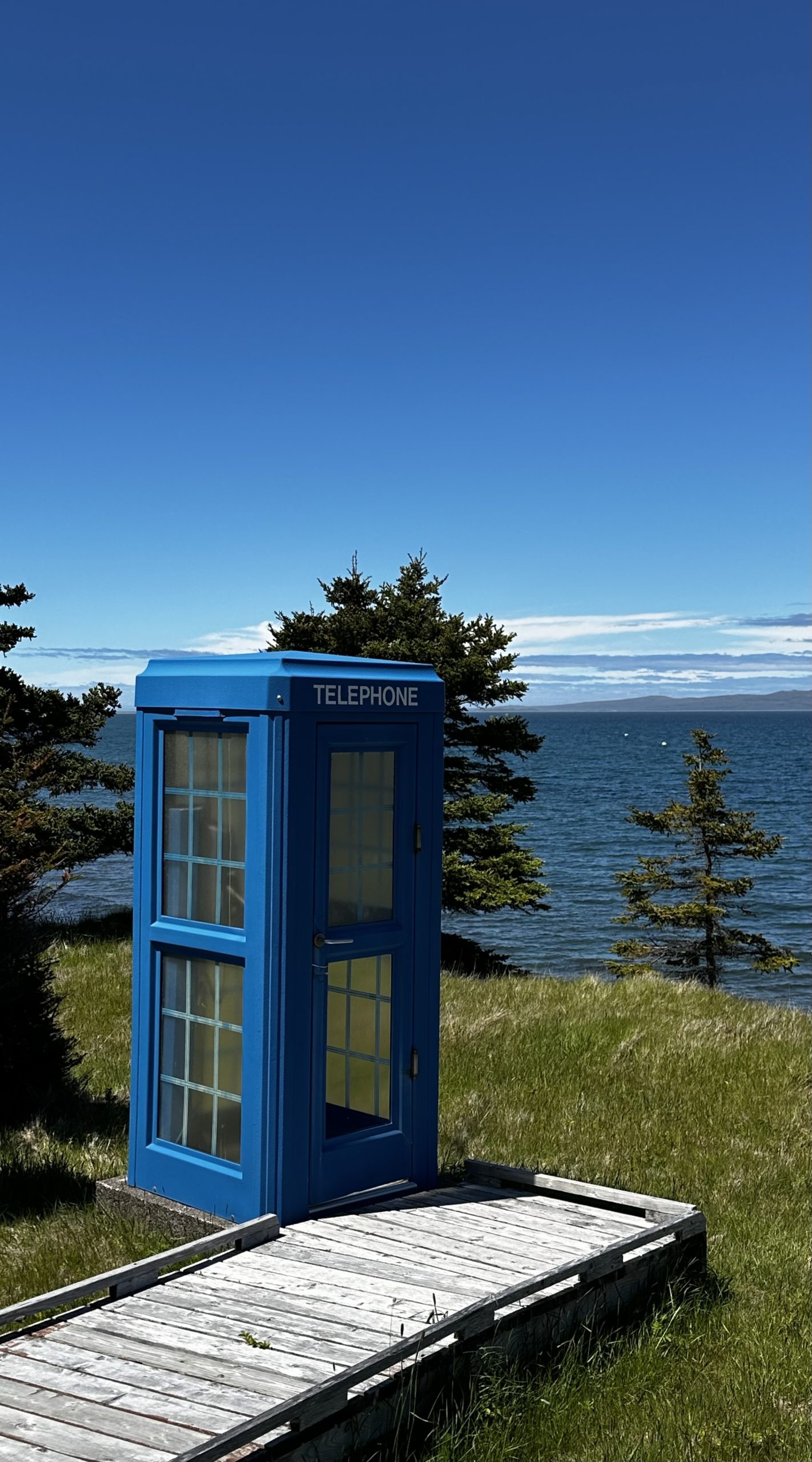
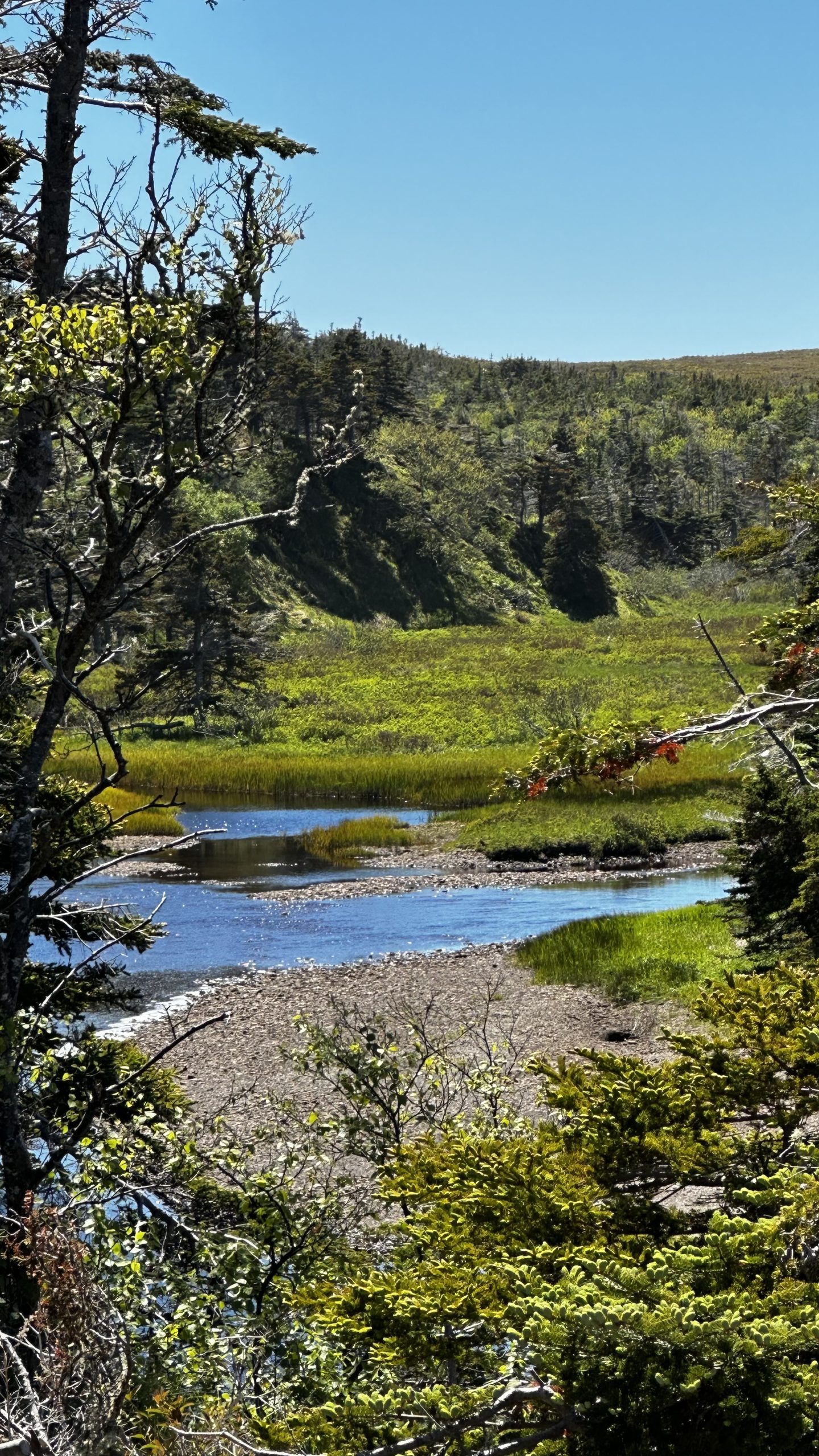
Endless beaches, rolling green hills, fresh ocean air and hardly another person in sight: it genuinely feels as though time has slowed down – in the best possible way.
Miquelon was definitely my favorite island of the SPM archipelago.
After four wonderfully peaceful days, however, it was time to move on. I boarded another flight from Saint Pierre, this time for the short 1.5-hour hop to Halifax, Canada.
Immigration was as easy as one could wish for: no queues, a friendly welcome and a hassle-free car rental. Before long, I was on the road towards my next destination.
P.E.I. – Prince Edward Island
The drive from Halifax to Prince Edward Island took around 3.5 hours and was pleasantly easy.
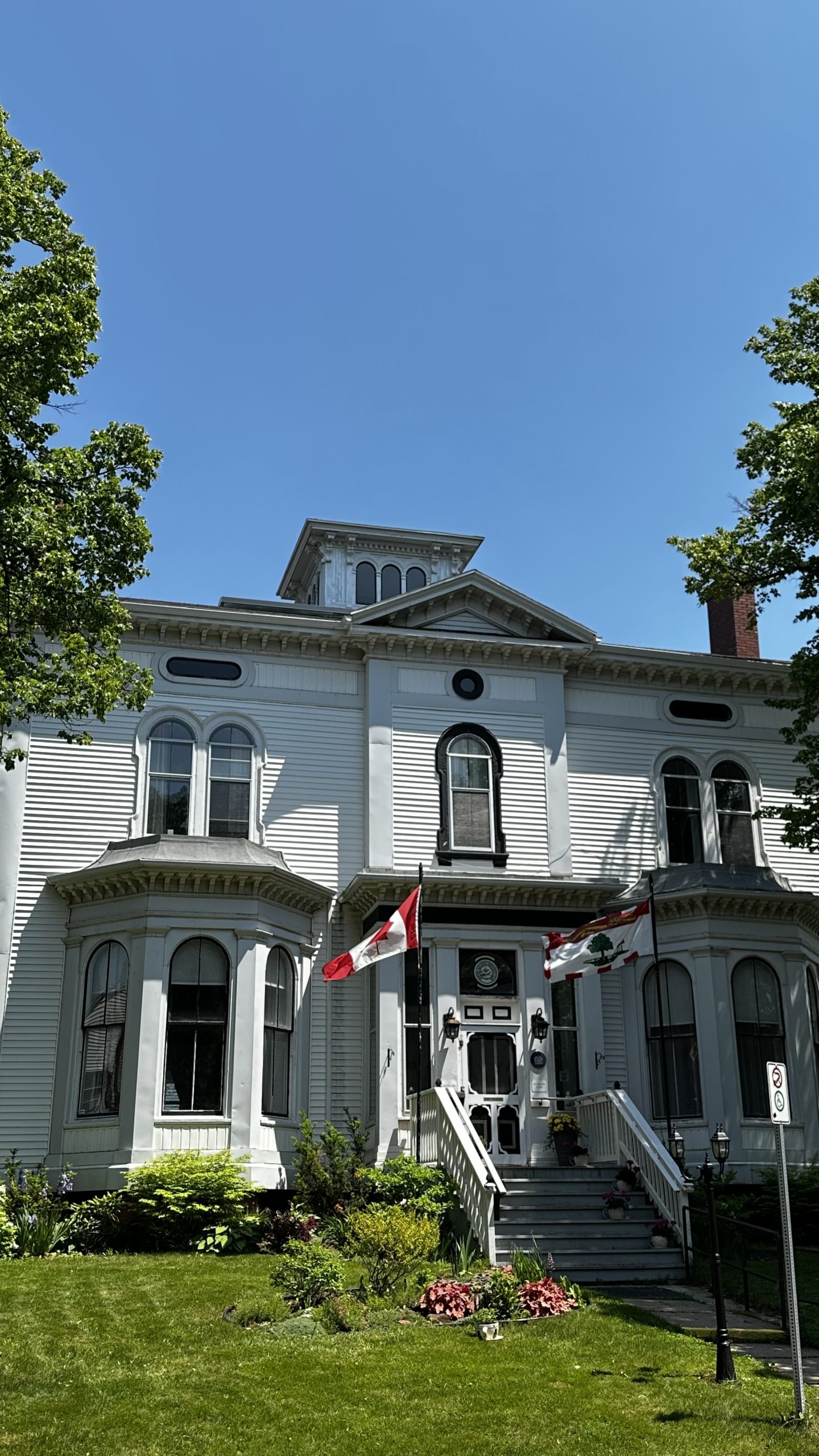
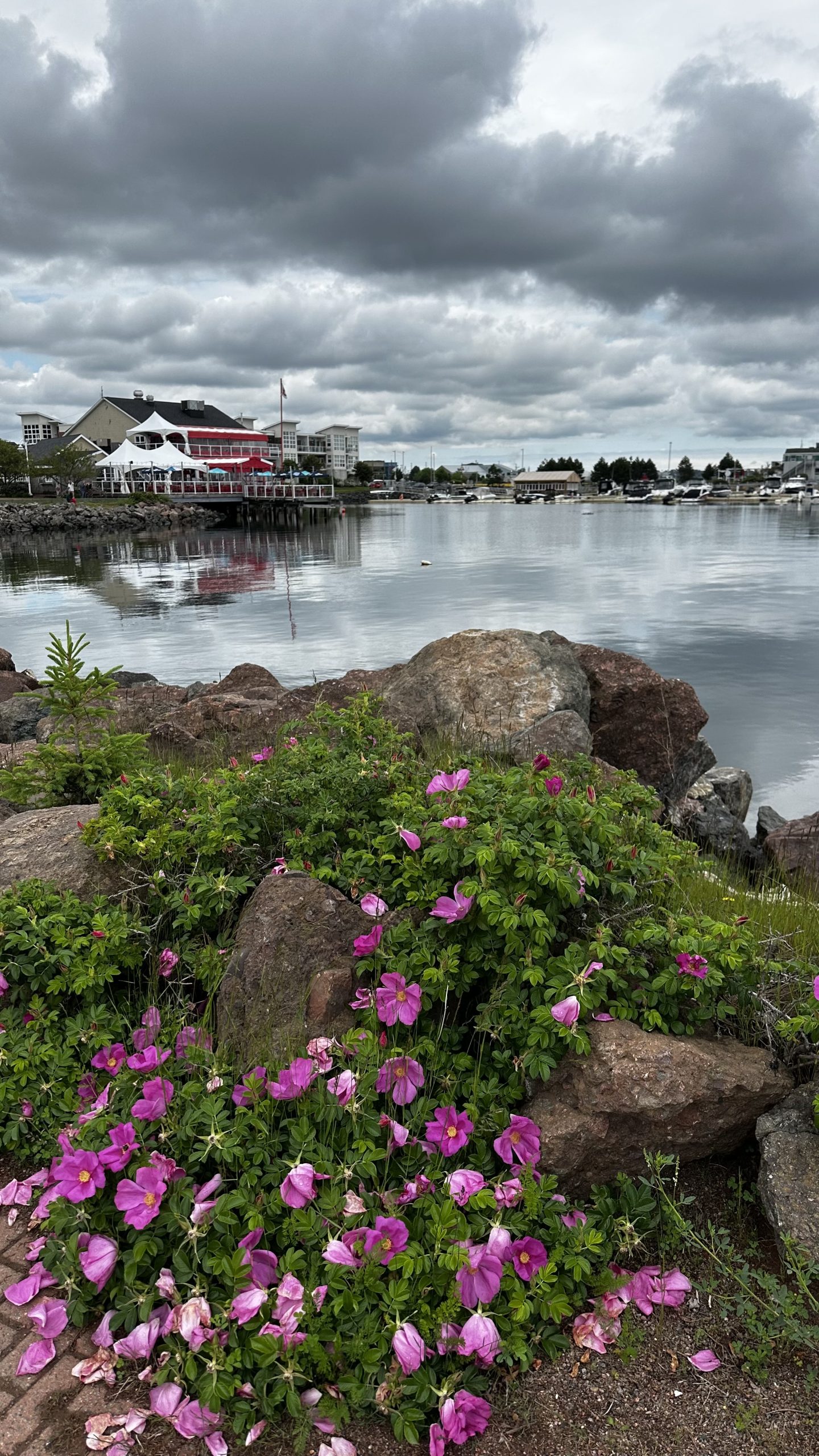
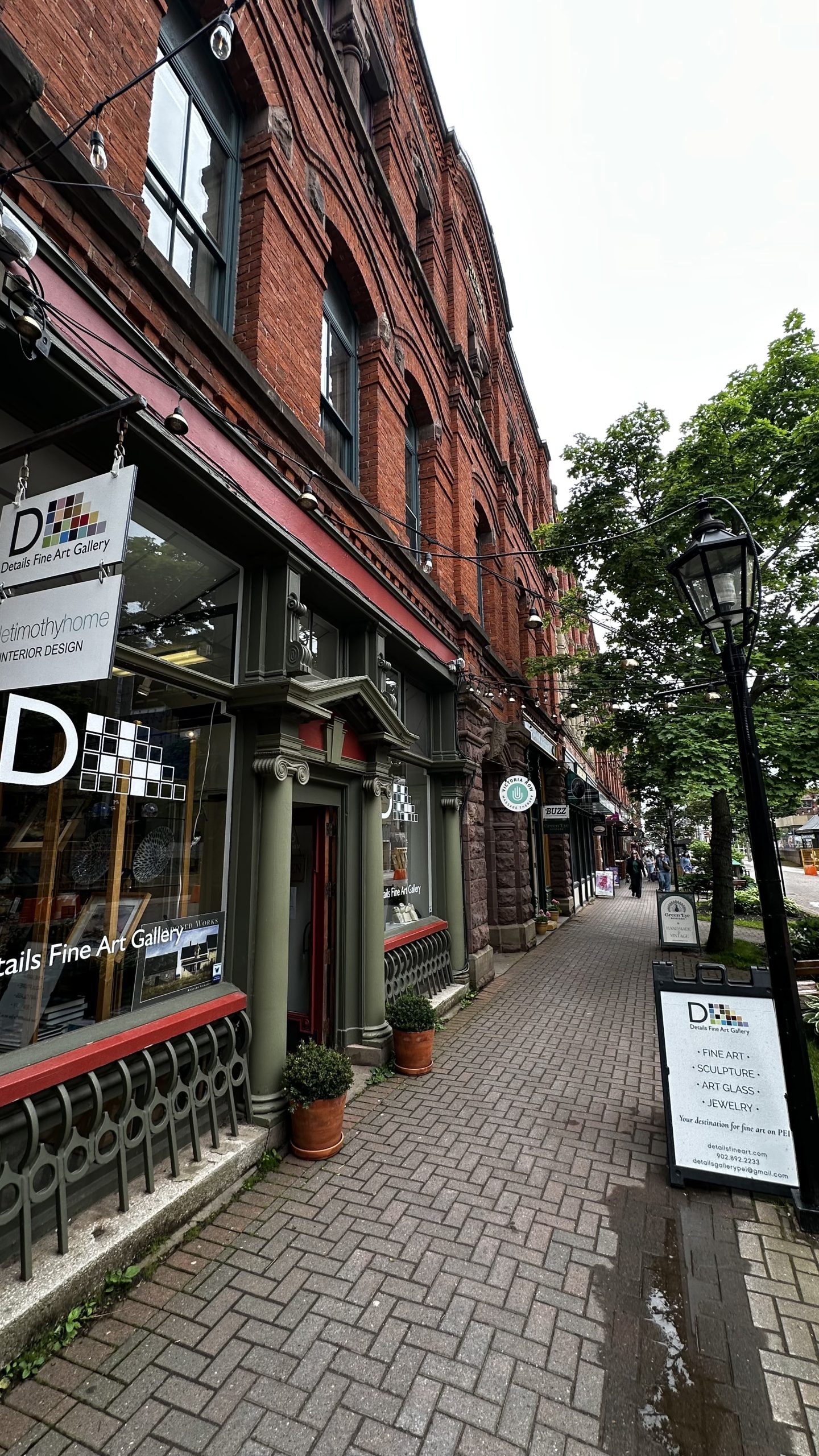
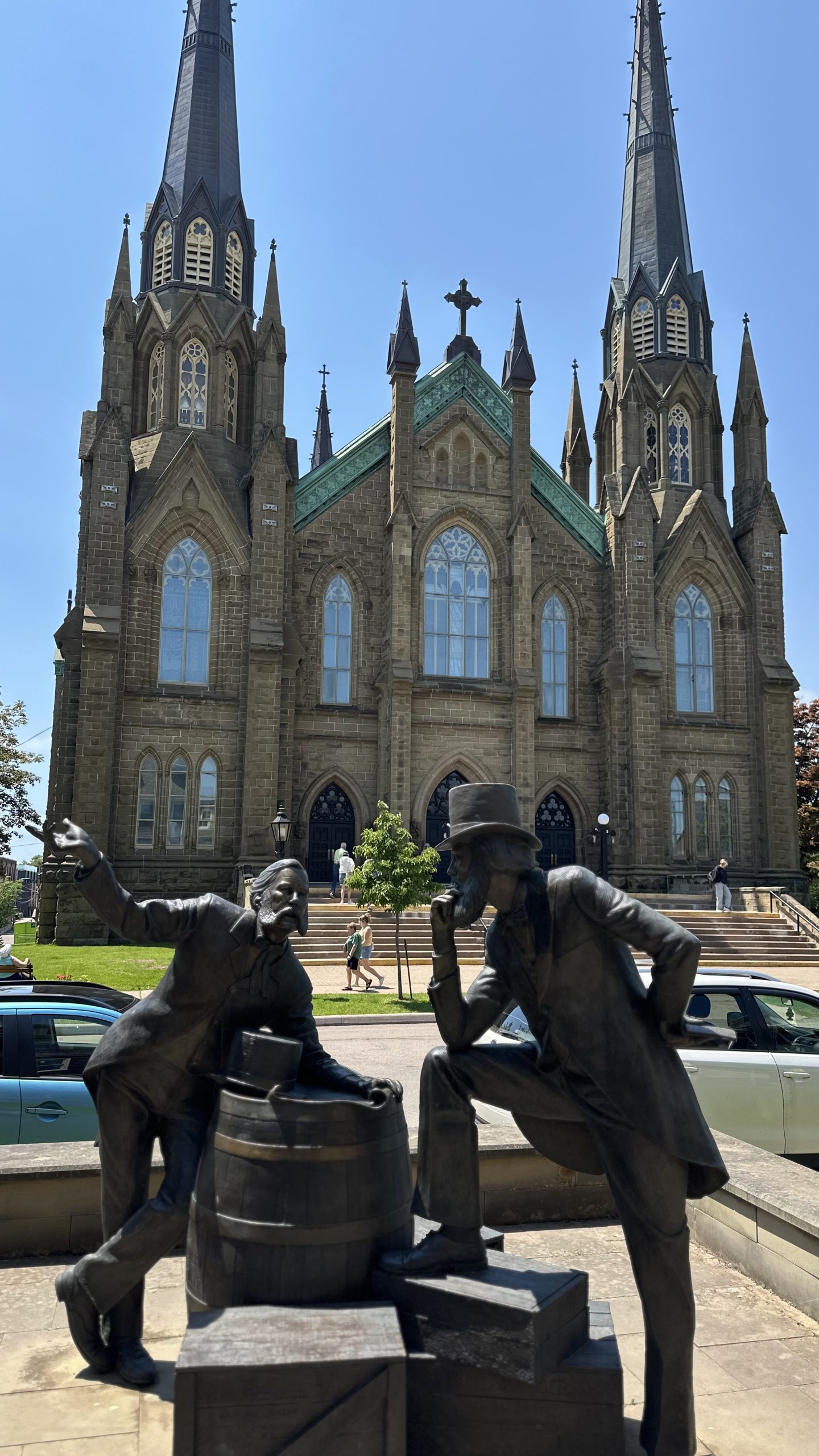
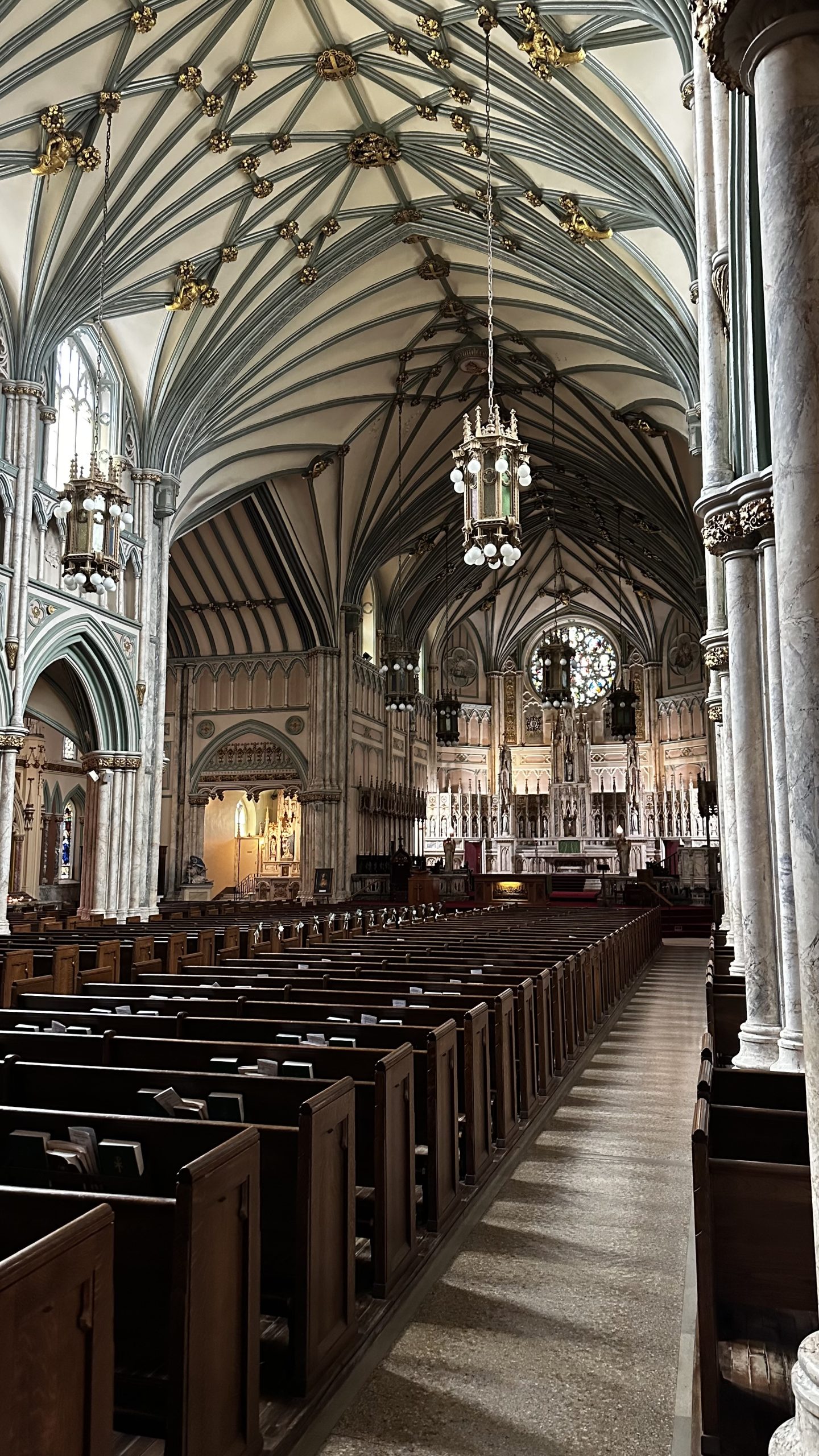
In Charlottetown I checked into No. 1 Grafton Inn, a beautiful Victorian-style property with immaculate service that I can definitely recommend. It is a lovely base from which to explore the island, while Charlottetown itself is a picturesque little capital with colorful historic buildings, waterfront restaurants and a very relaxed atmosphere.
P.E.I. is Canada’s smallest province, and once again I had arrived somewhere that seems almost designed for slowing down.
Unlike tiny SPM, however, there is plenty of ground to cover. I had four days, which gave me enough time to explore much of the island.
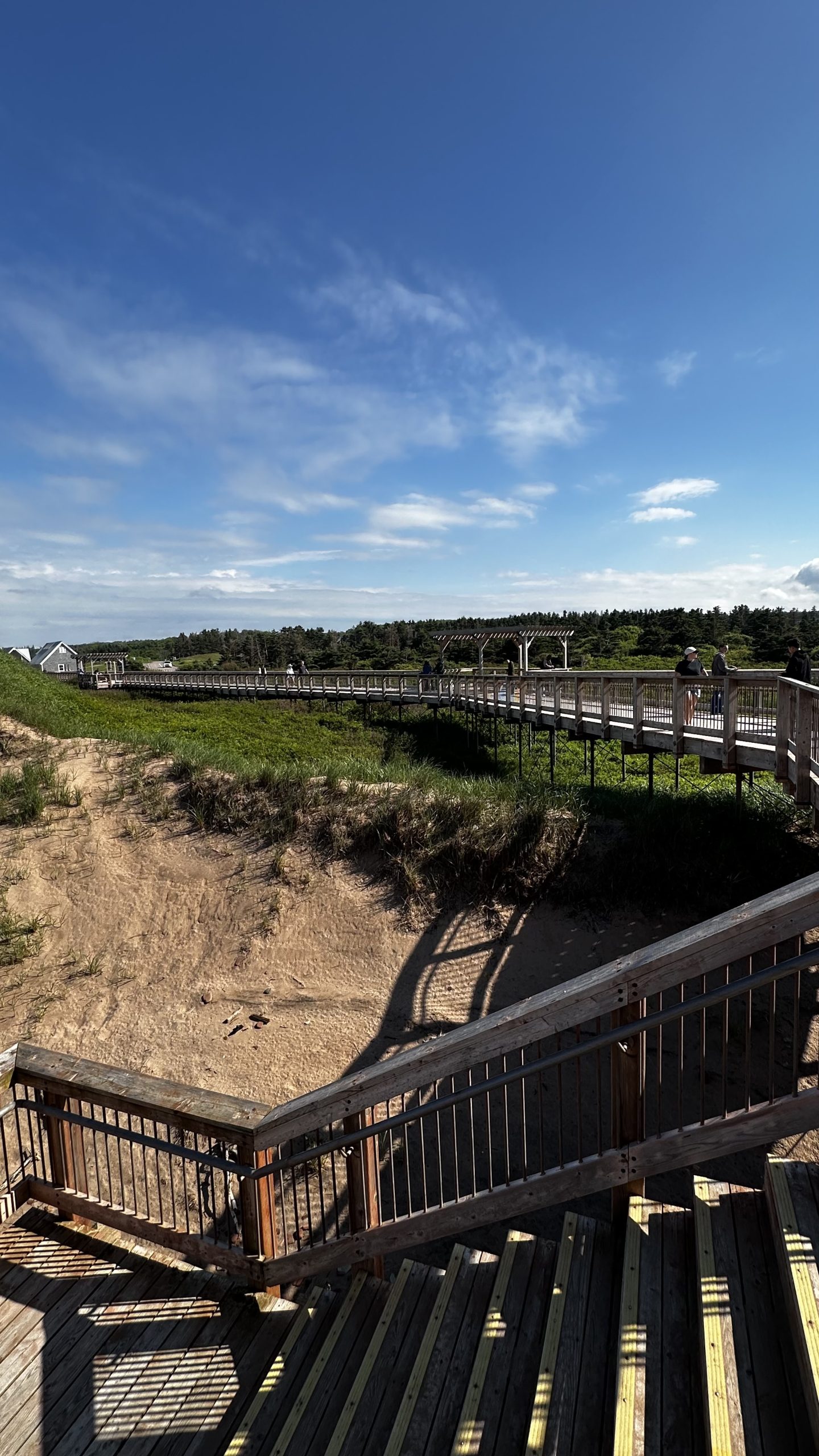
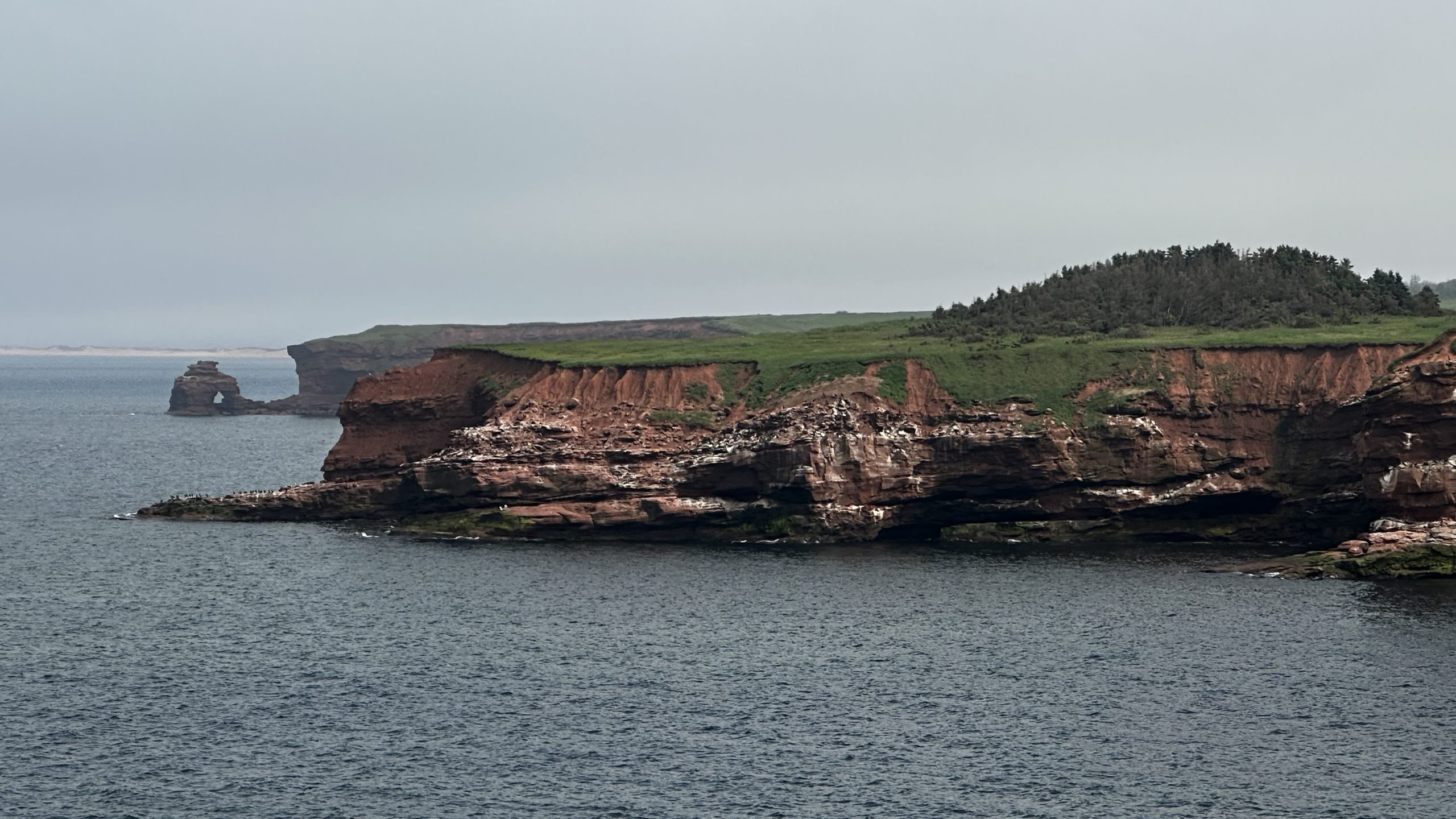
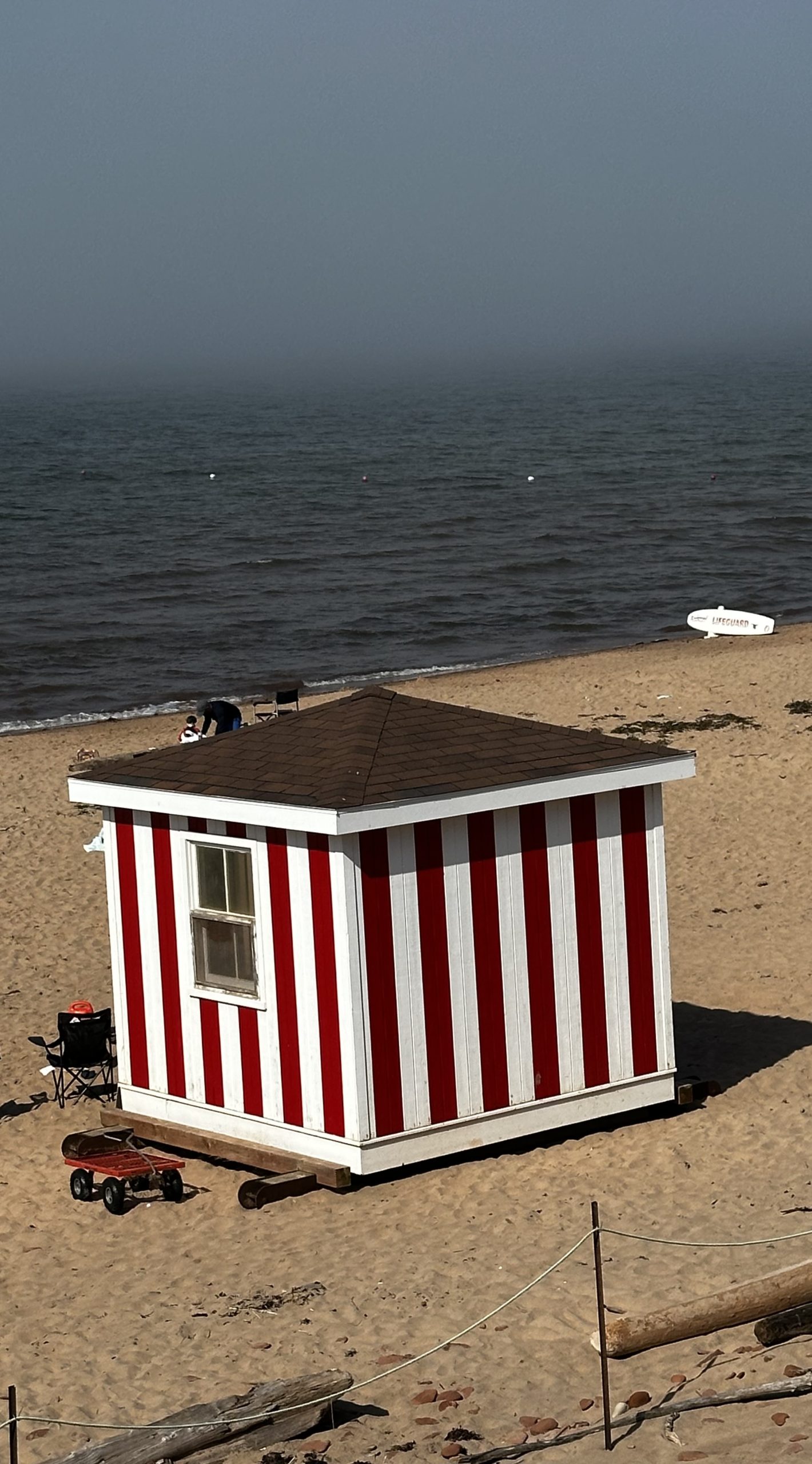
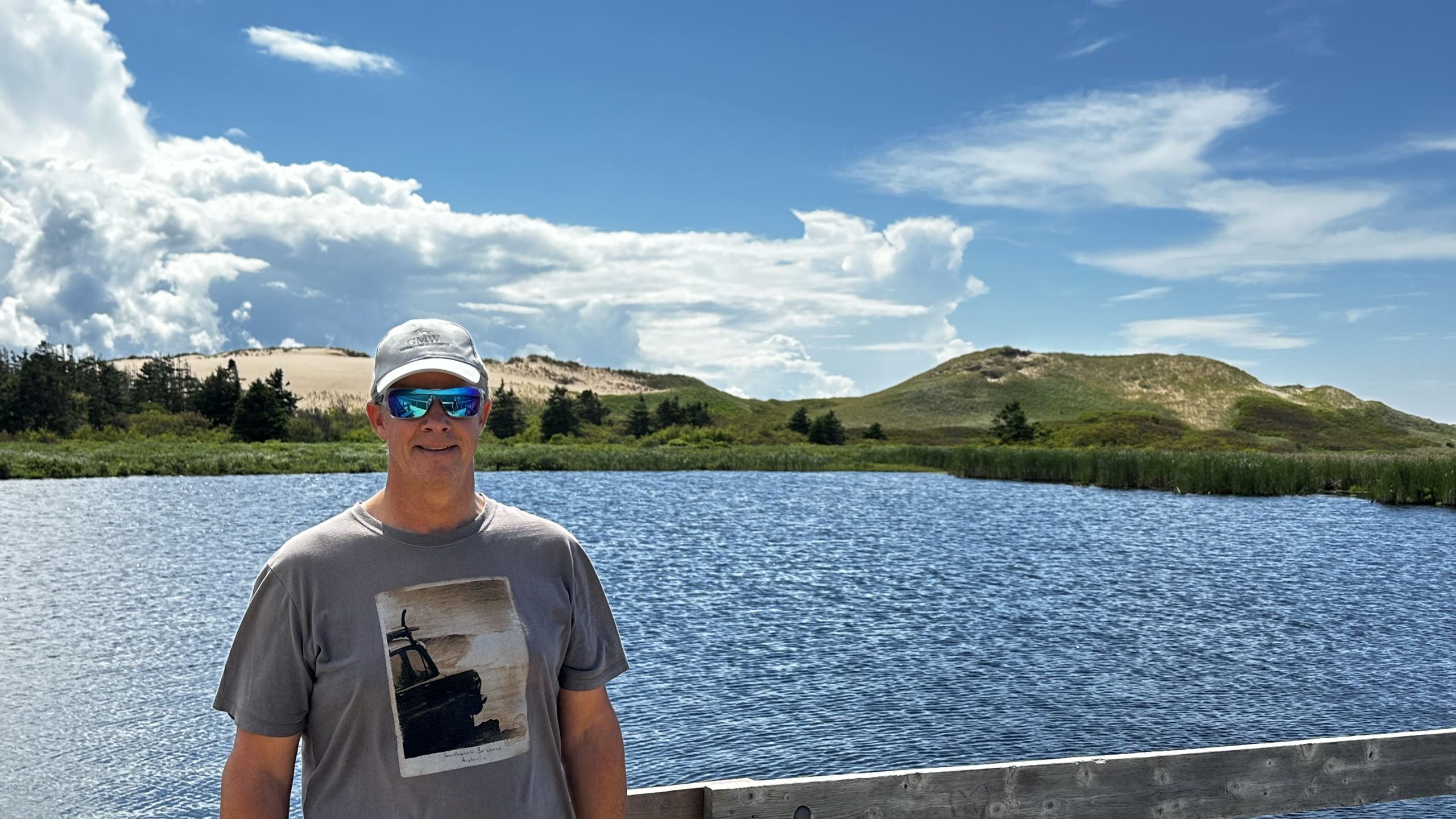
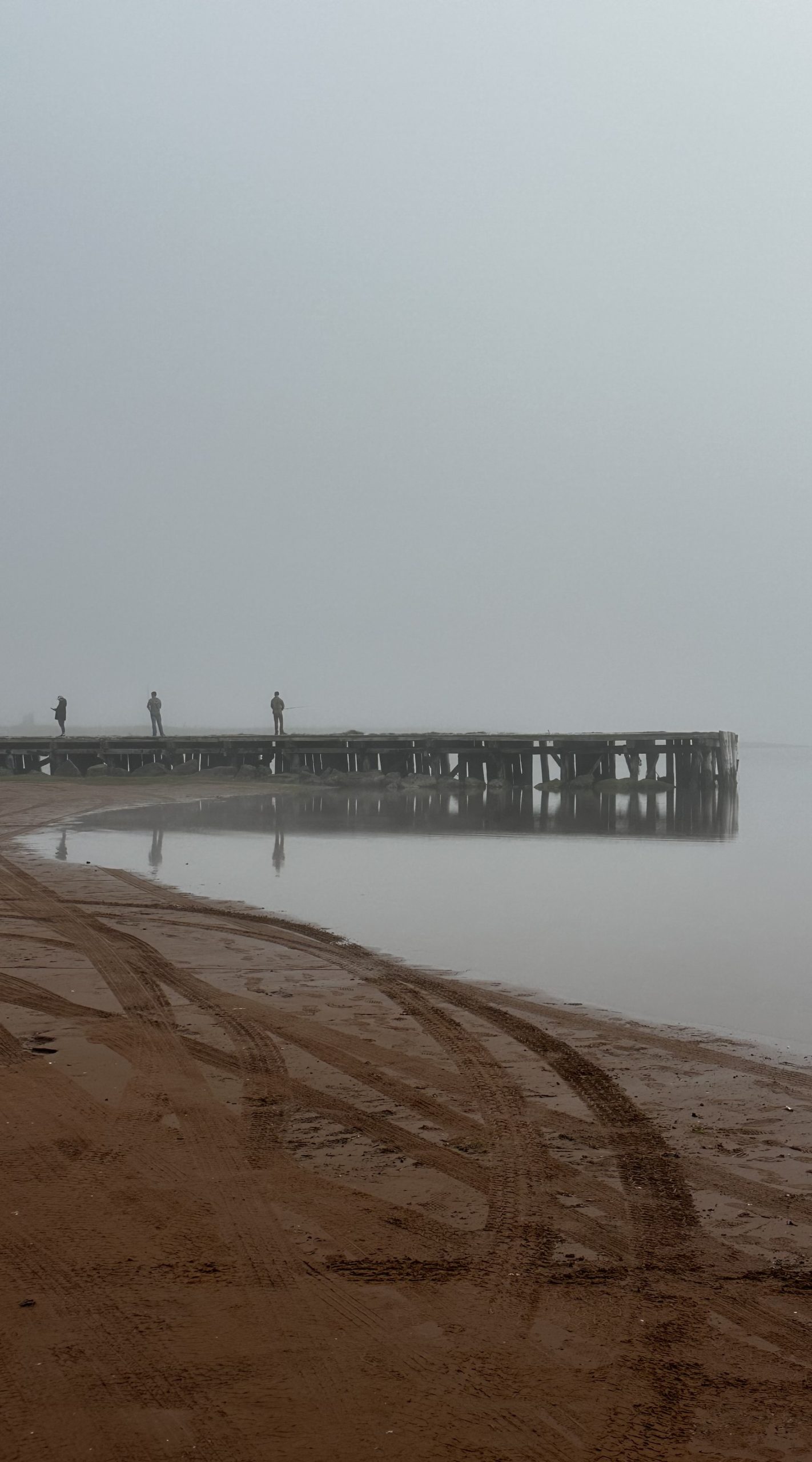
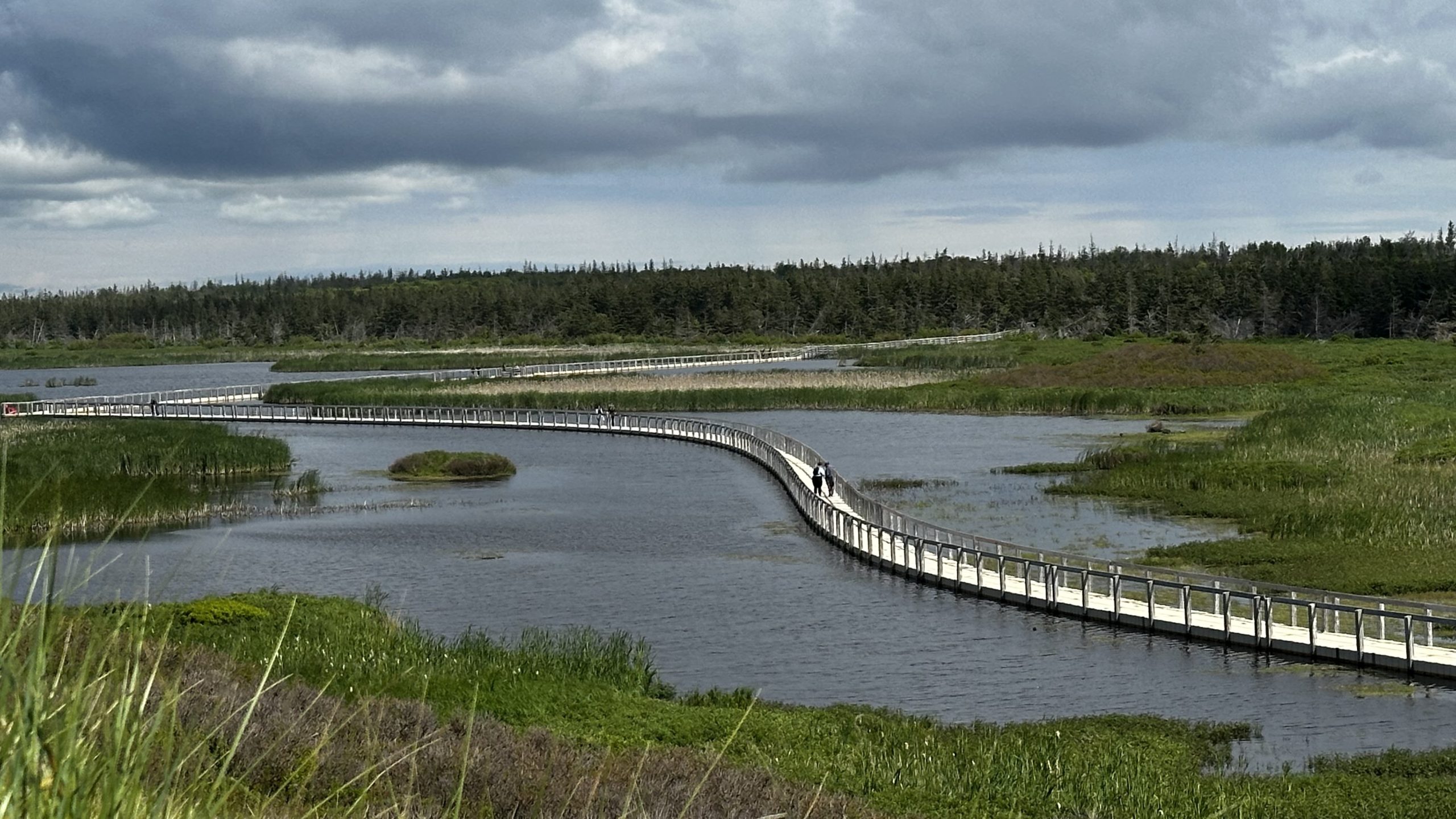
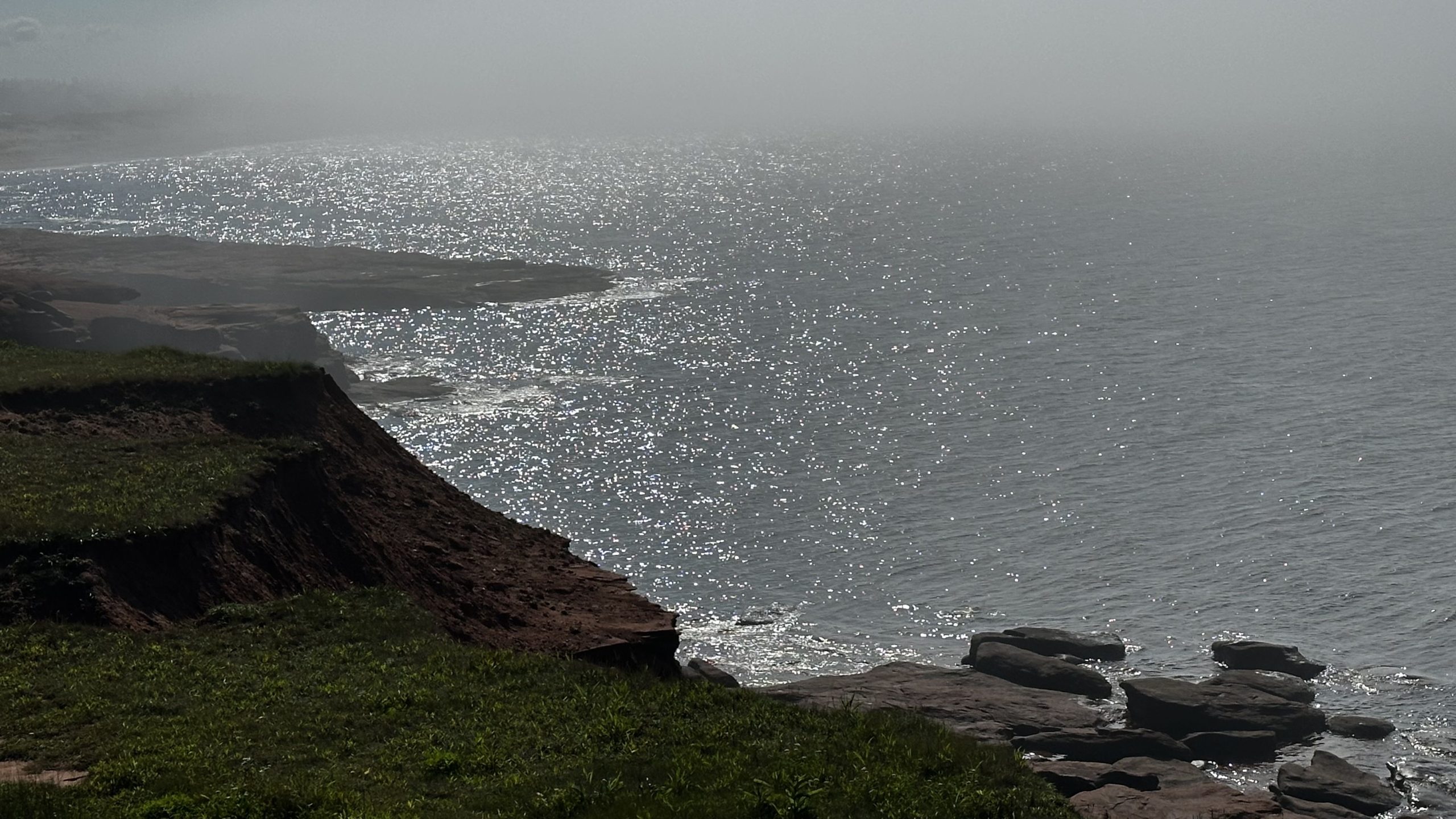
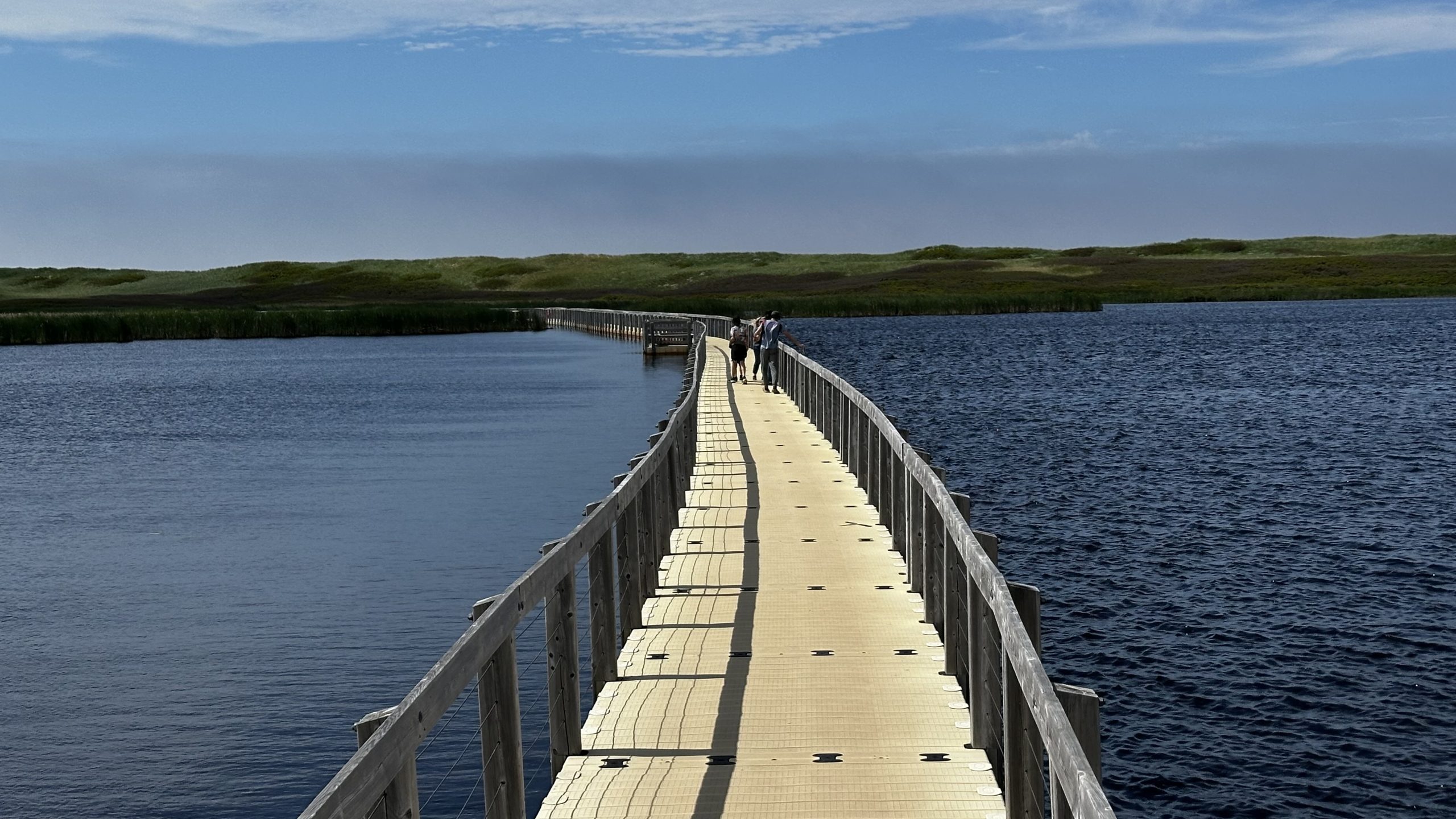
The coastline is the star of the show: long sandy beaches, red sandstone cliffs and dunes stretch across much of P.E.I. I particularly enjoyed the floating boardwalks and coastal scenery in Prince Edward Island National Park, as well as the beaches around Cavendish.
Cavendish is also inseparably linked with Anne of Green Gables. Even if you haven’t read Lucy Maud Montgomery’s famous novel, Green Gables Heritage Place provides an interesting glimpse into the landscapes that inspired one of Canada’s best-known literary characters.
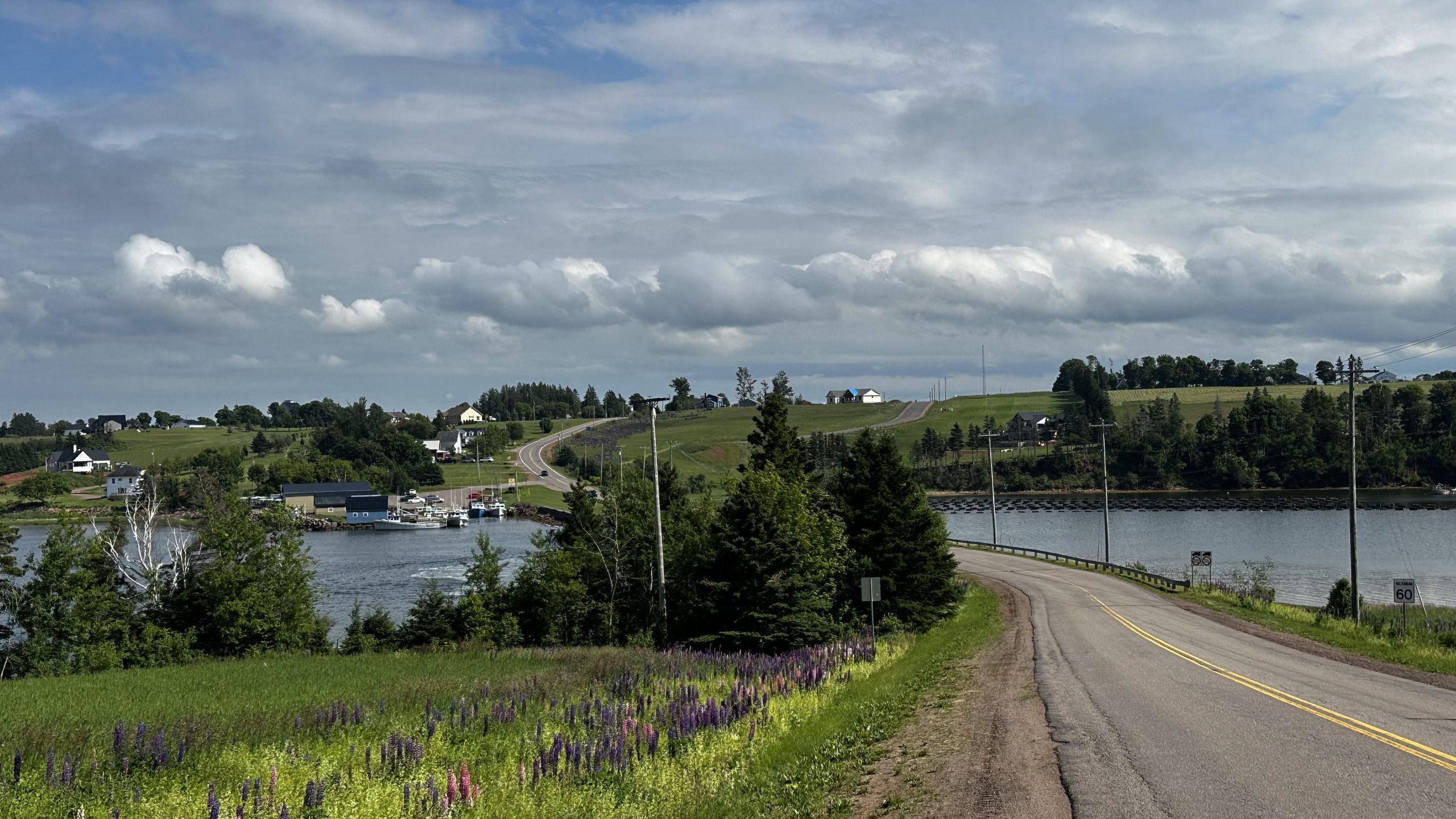
Another enjoyable way of experiencing the island is simply to drive without being in too much of a hurry. Stop at small fishing villages, photograph one of P.E.I.’s many lighthouses, eat freshly caught seafood – lobster is something of an island institution – or explore the countryside by bicycle. The Confederation Trail, built along a former railway line, crosses much of the island and is particularly popular with cyclists.
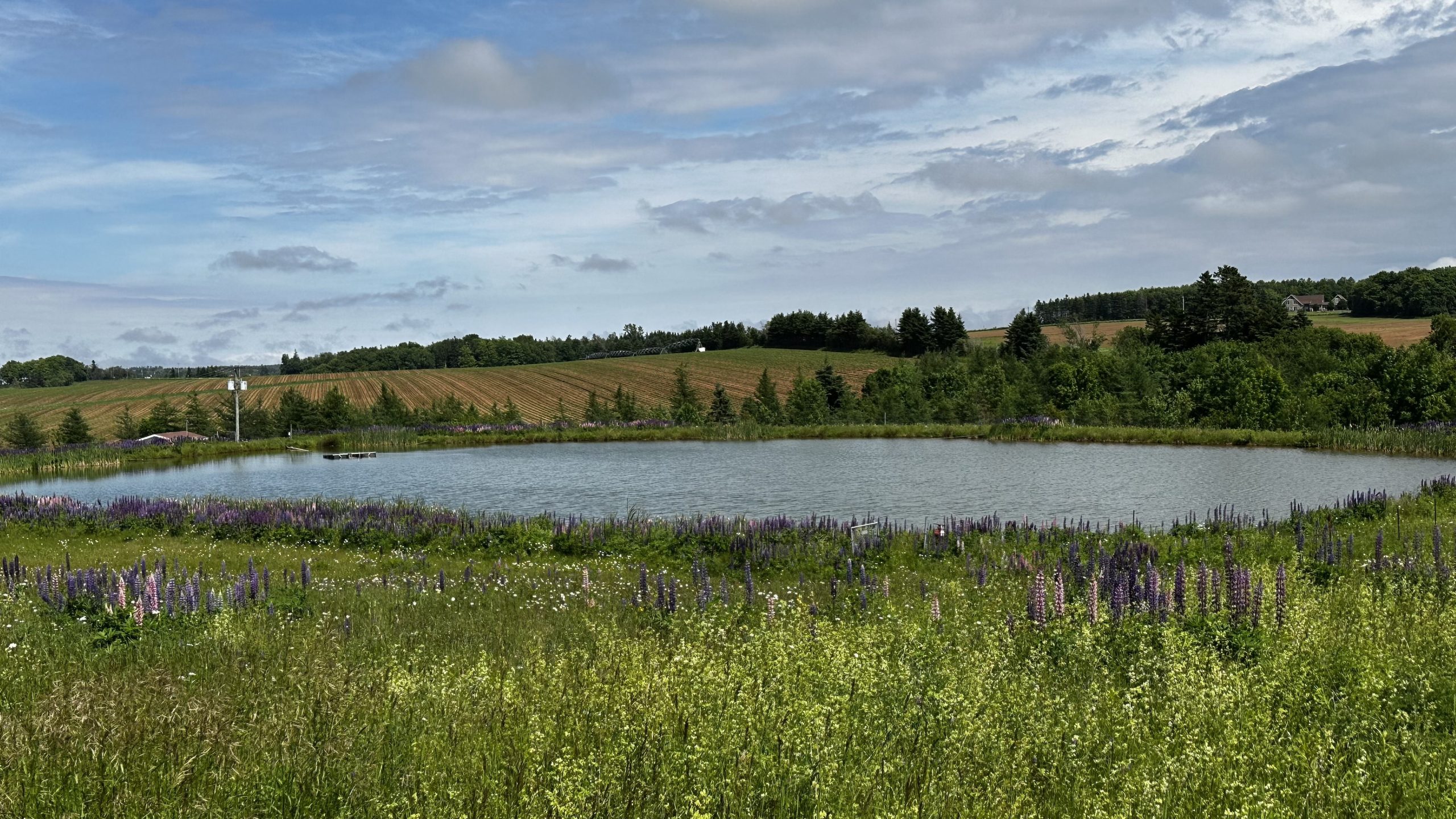
And then there were the lupins.
Beautiful fields and roadsides filled with colorful lupins seemed to appear almost everywhere I went. Combined with the small towns, forests and coastal landscapes, the entire island occasionally gave me a bit of a Virgin River vibe.
P.E.I. isn’t spectacular in the dramatic sense of the word – and perhaps that’s exactly why I liked it so much. It is peaceful, pretty and wonderfully relaxing.
I enjoyed every minute there and certainly felt recharged when it was time to board my next flight, this time with Air Canada to Toronto, around 2.5 hours away.
Toronto, Niagara Falls & Elora
I had three days in Toronto. A rental car isn’t really necessary for exploring the city itself, but having one proved extremely useful for excursions into the surrounding area.
And one of those excursions became one of the absolute highlights of my entire trip.
Niagara Falls.
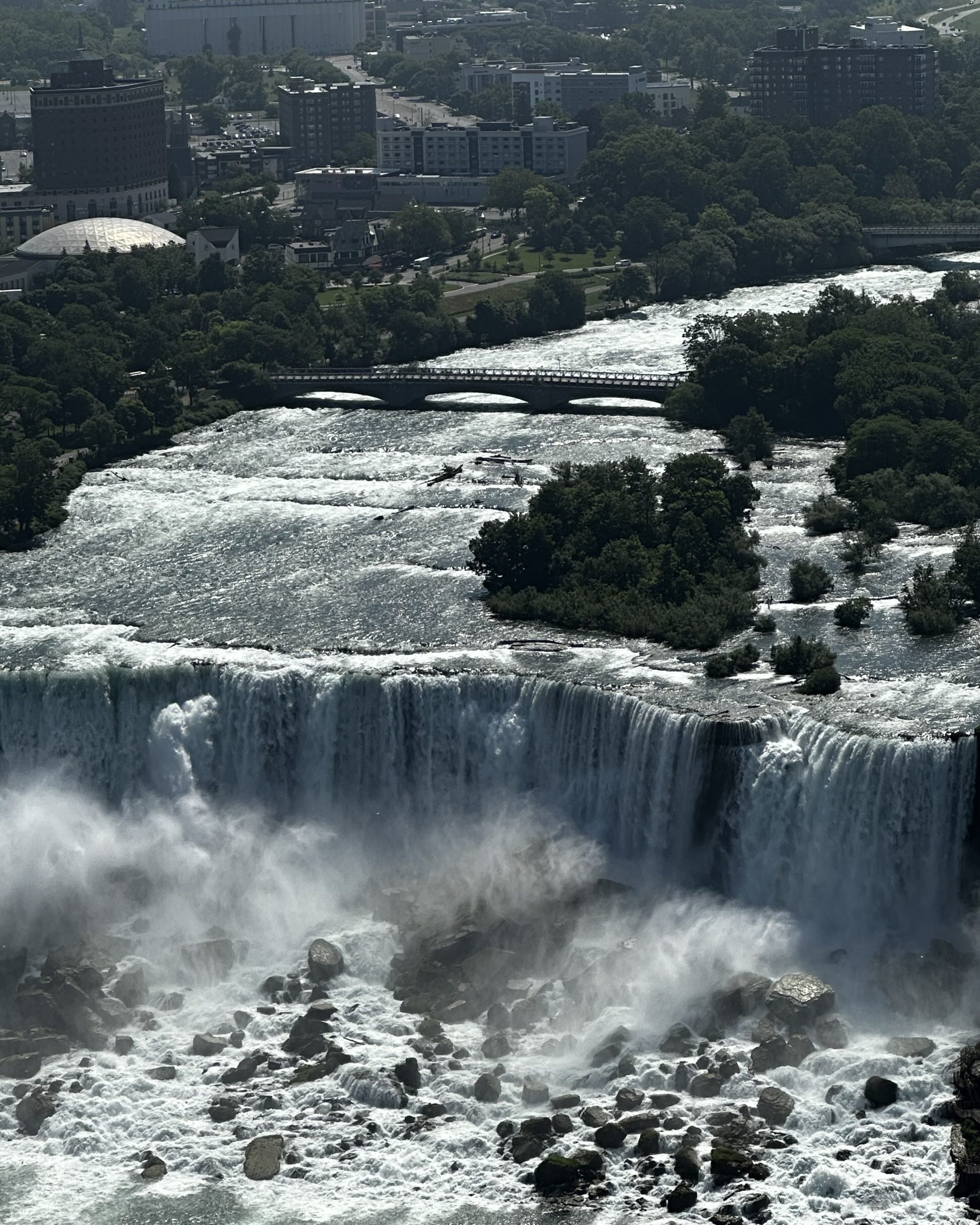
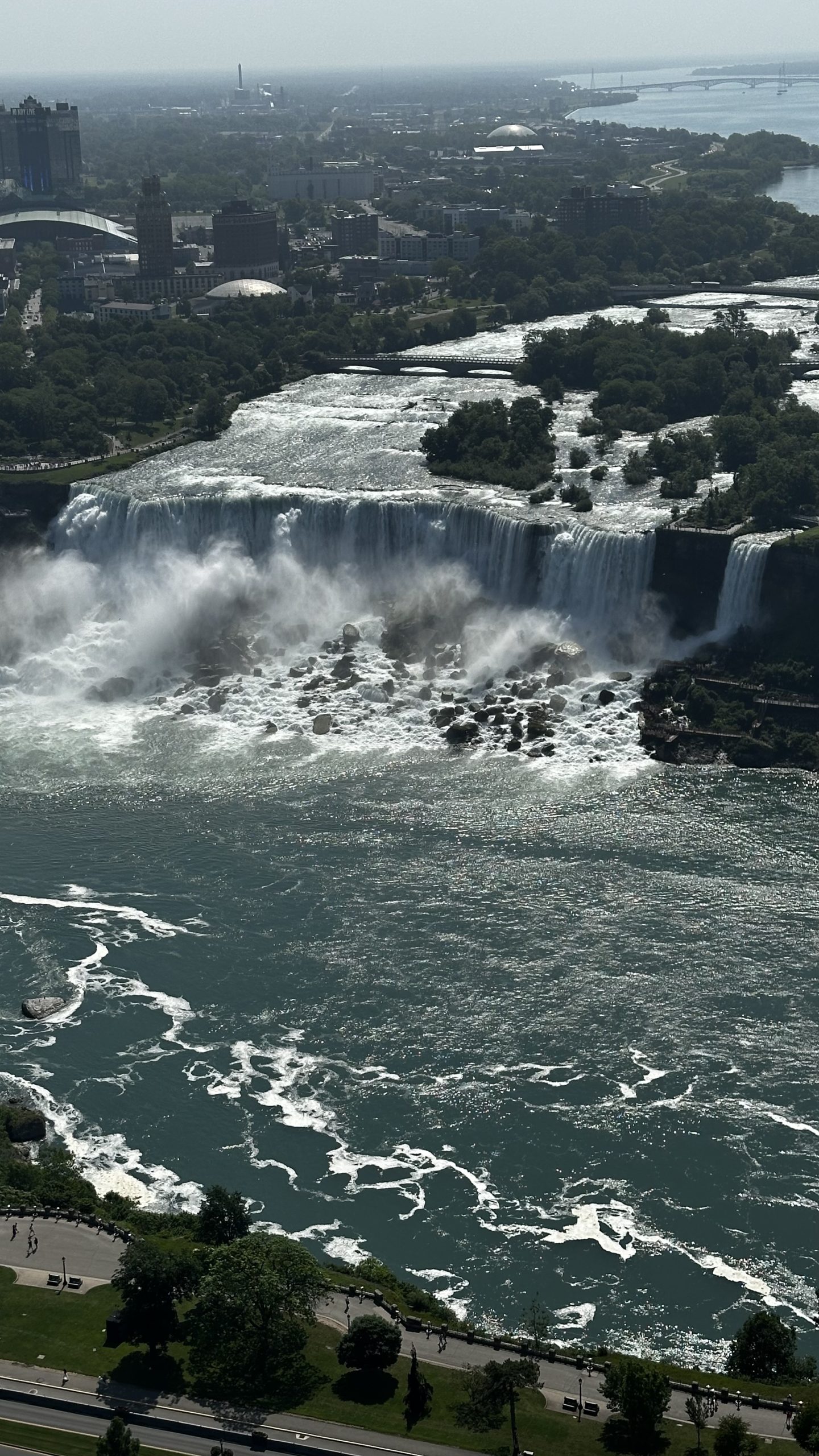
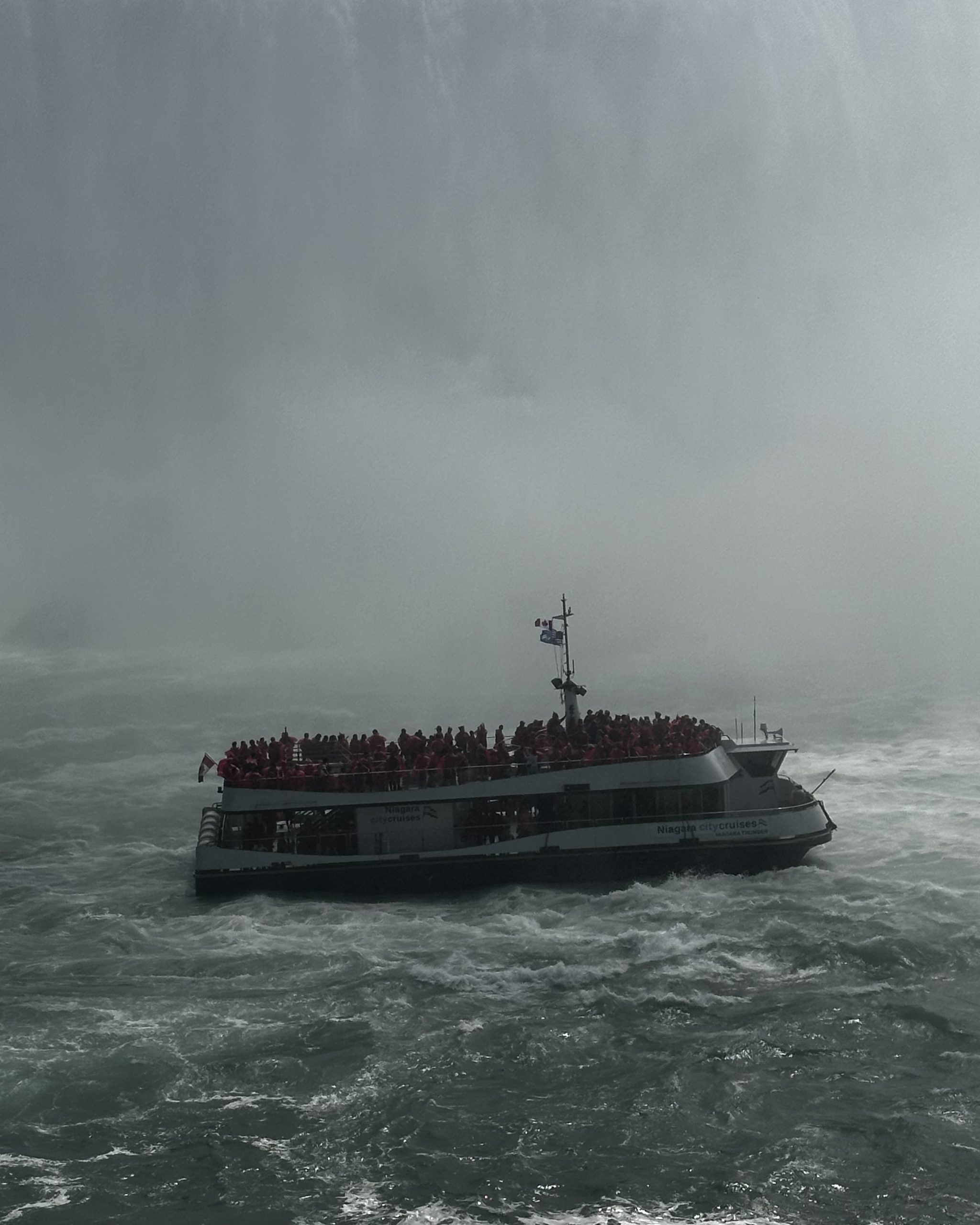
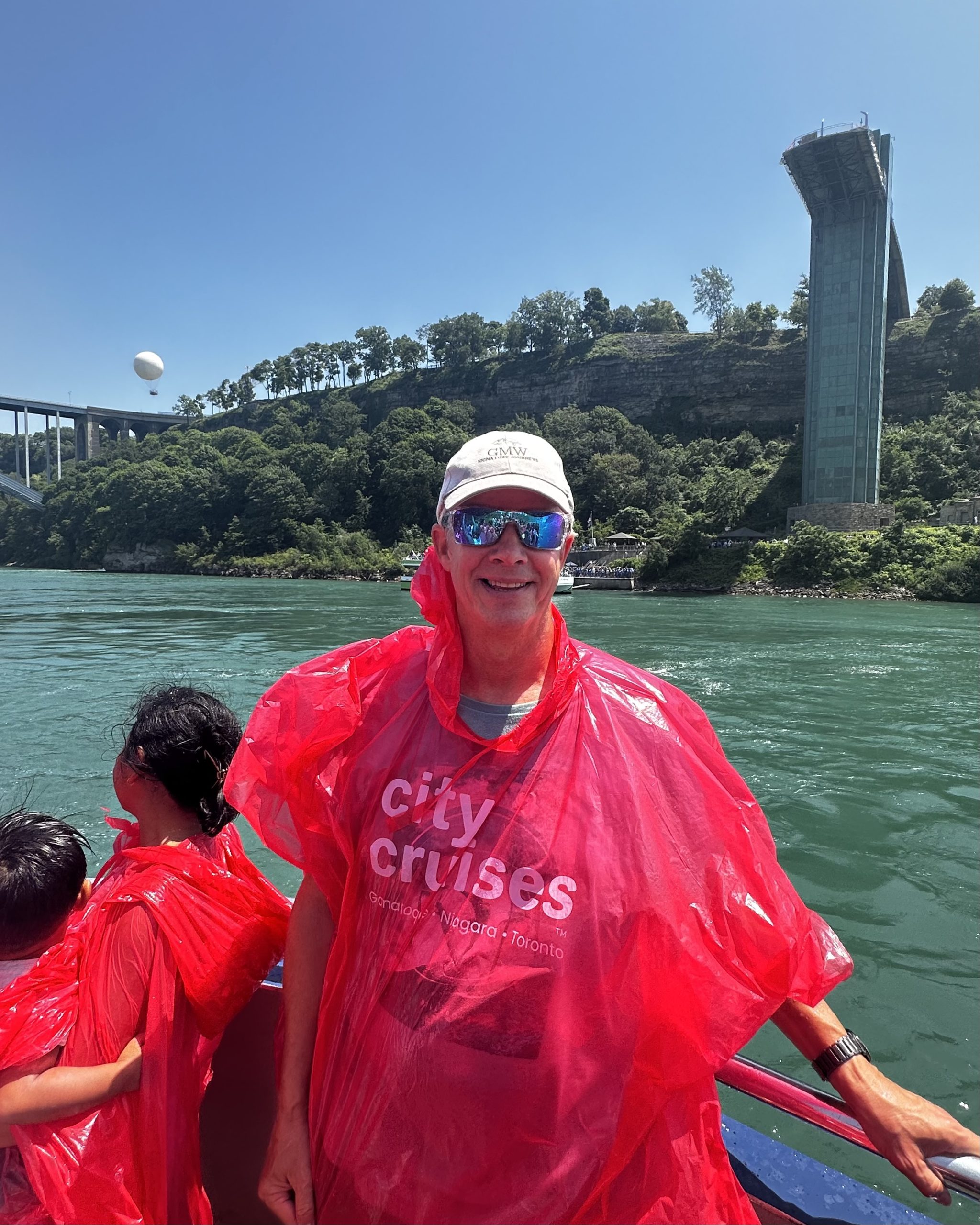
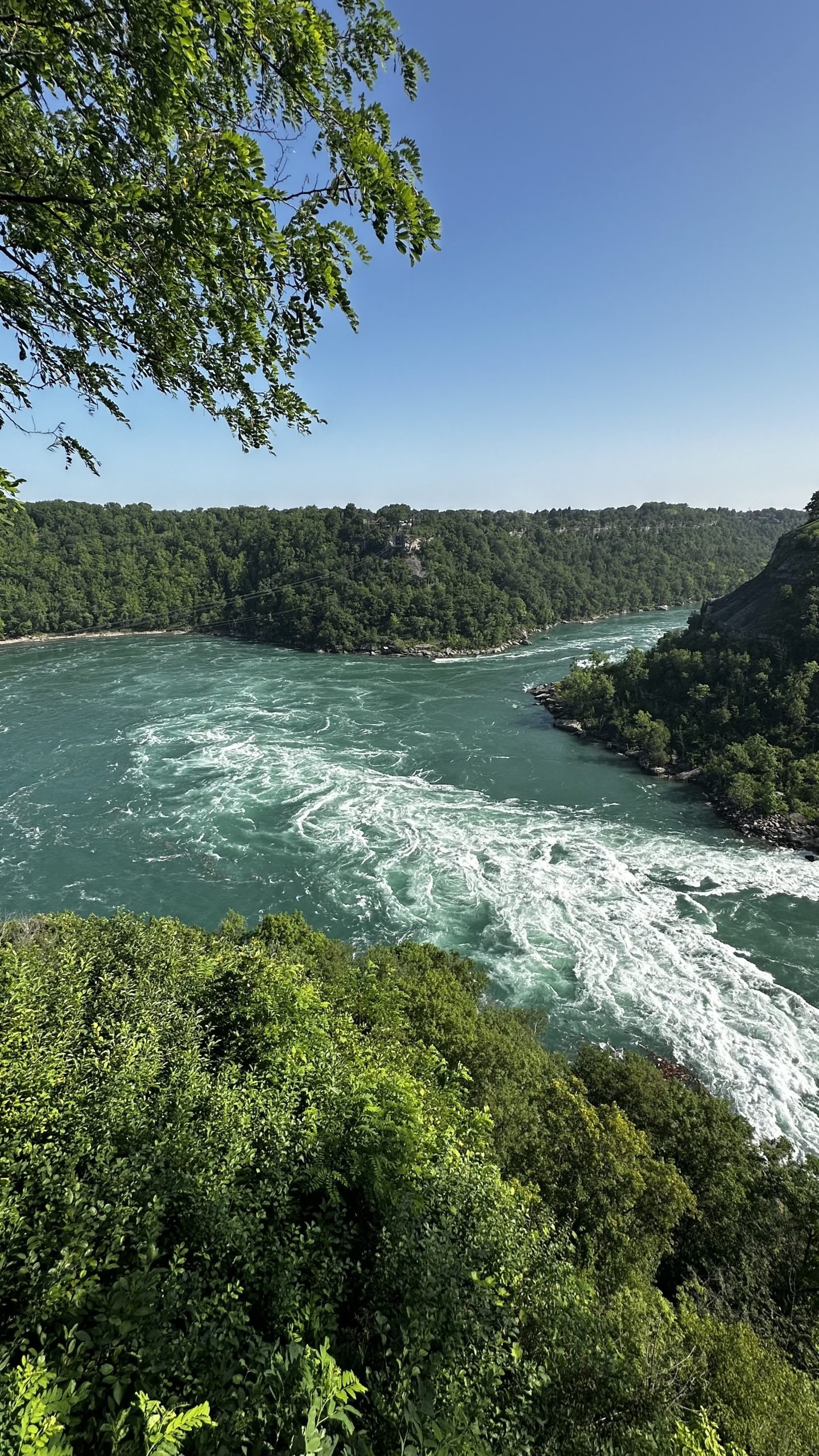
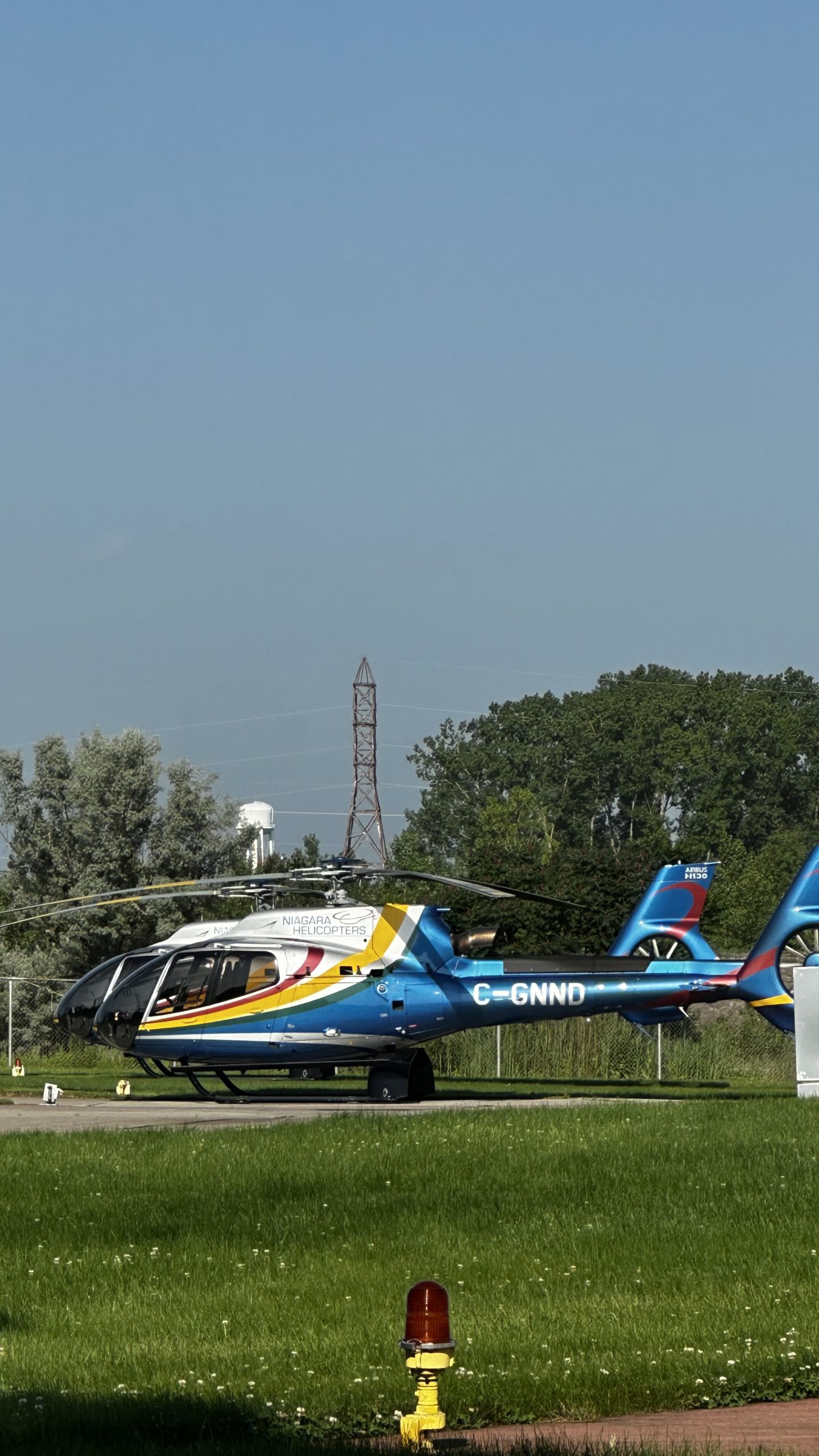
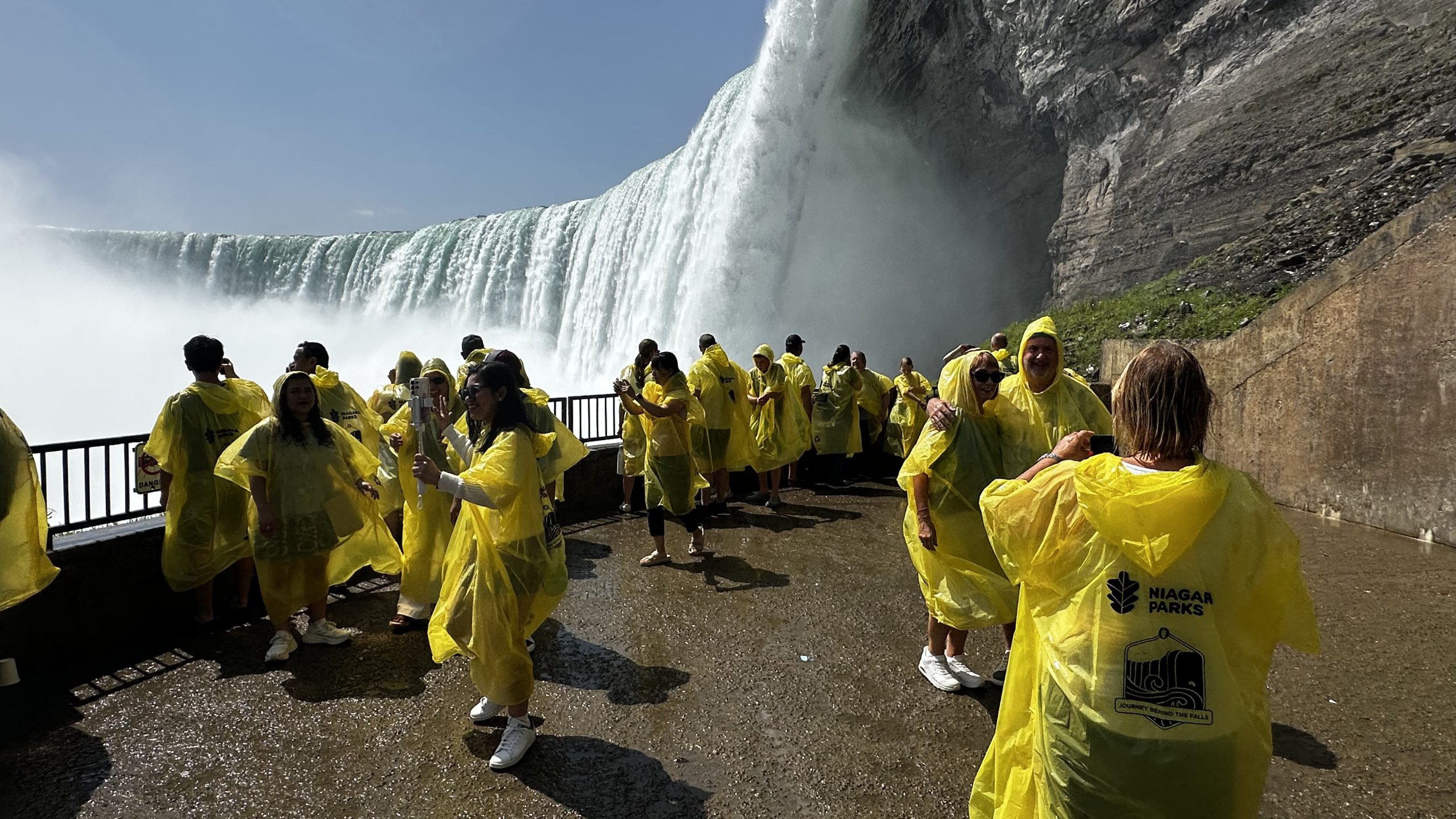
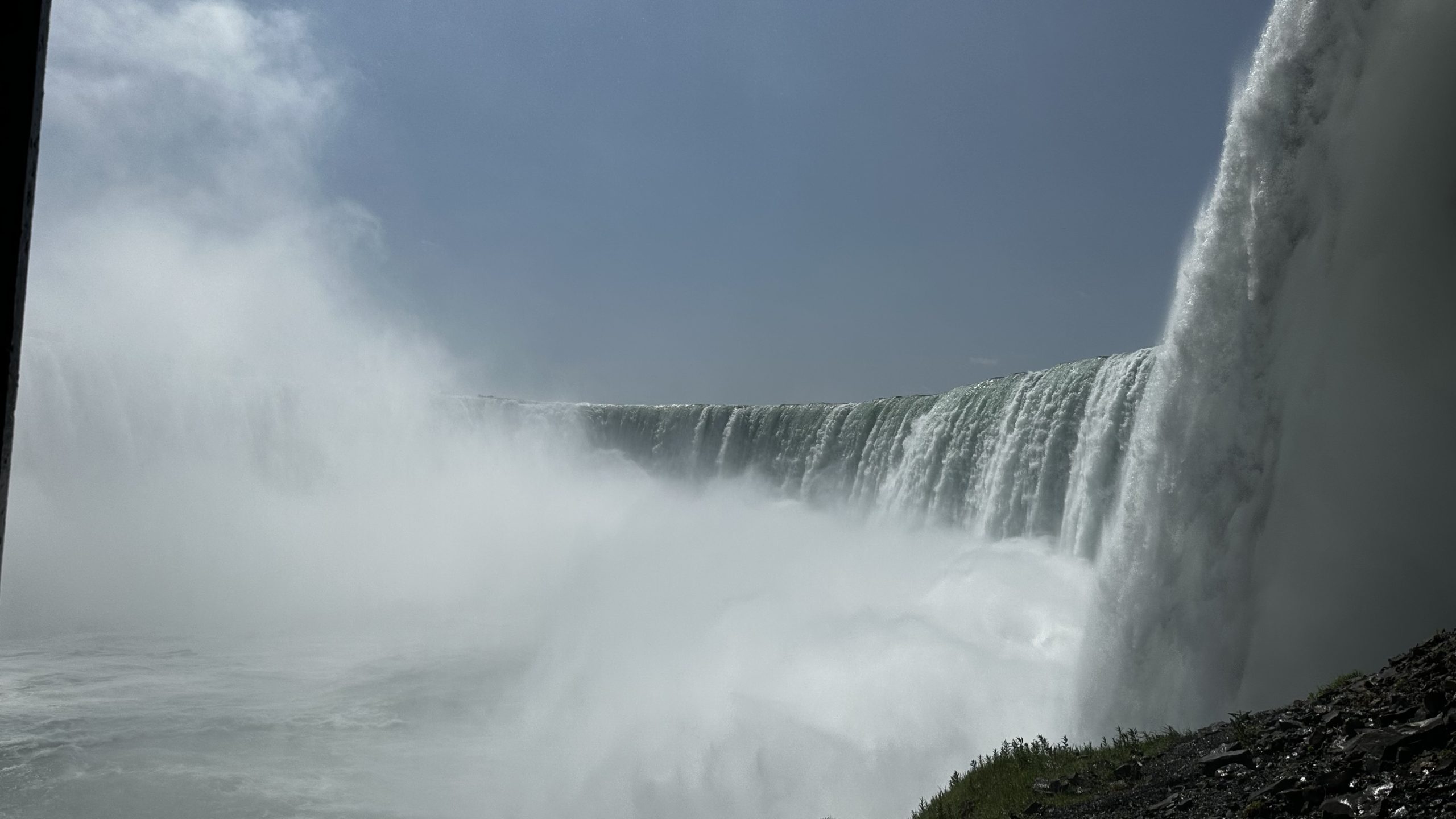
I had booked a half-day experience that included pretty much everything you could possibly do at the falls: a helicopter flight, views from Skylon Tower, a walk behind the falls, and finally a boat ride right towards them – where getting soaked is very much part of the experience.
It was awesome.
Add a picture-perfect blue-sky day and it became one of those travel experiences that simply stays with you. Have a look at my corresponding Instagram reel if you want to see exactly what I mean.
I would recommend this tour anytime.
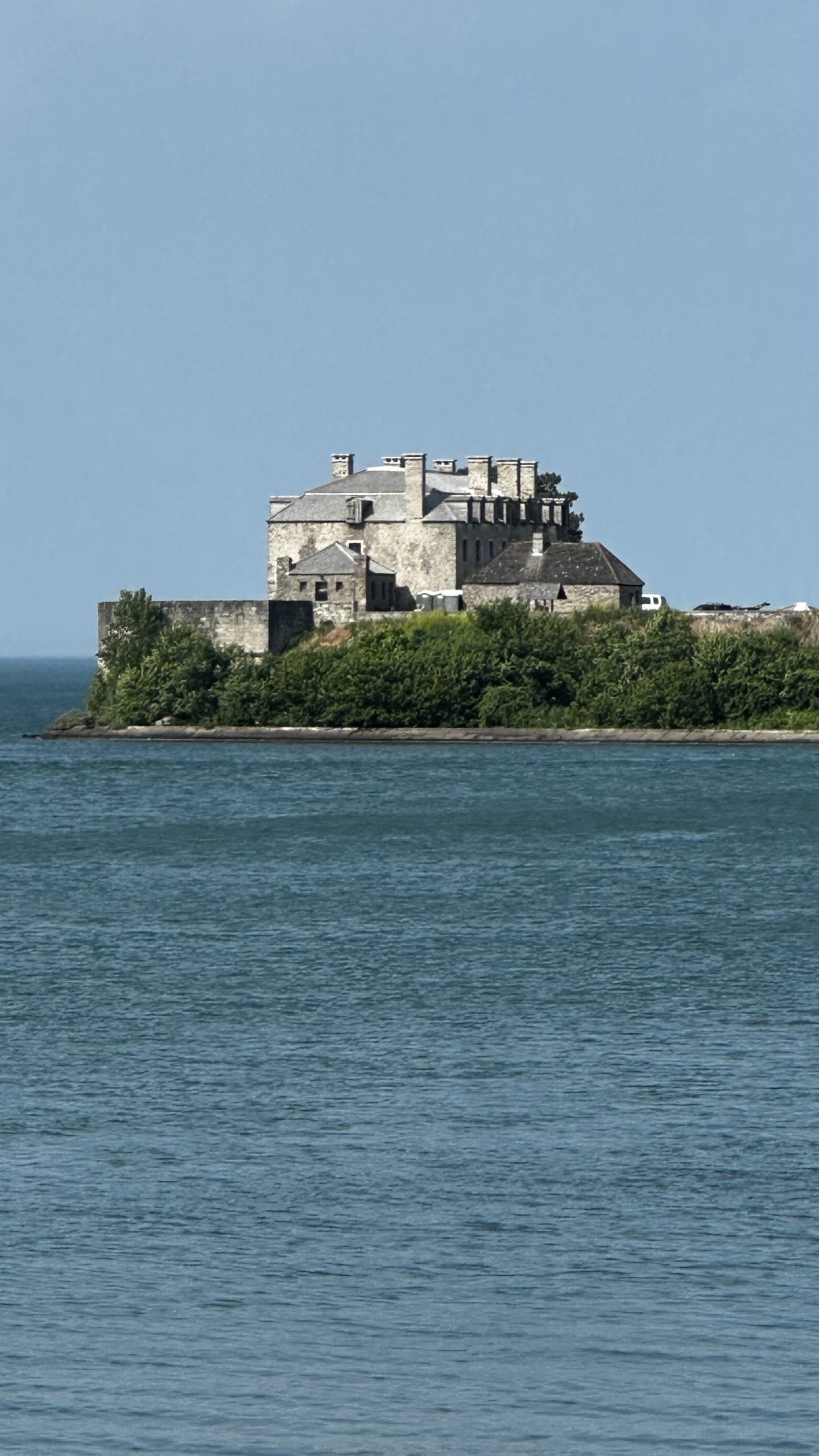
Afterwards, I drove to Niagara-on-the-Lake, only about half an hour away. It was the perfect place to come back down to earth after the adrenaline rush, enjoying a relaxed lunch at a golf club overlooking Lake Ontario.
The town itself is beautiful, too – leafy streets, elegant historic buildings, boutiques and restaurants surrounded by one of Canada’s best-known wine regions. Definitely worth including in any Niagara itinerary.
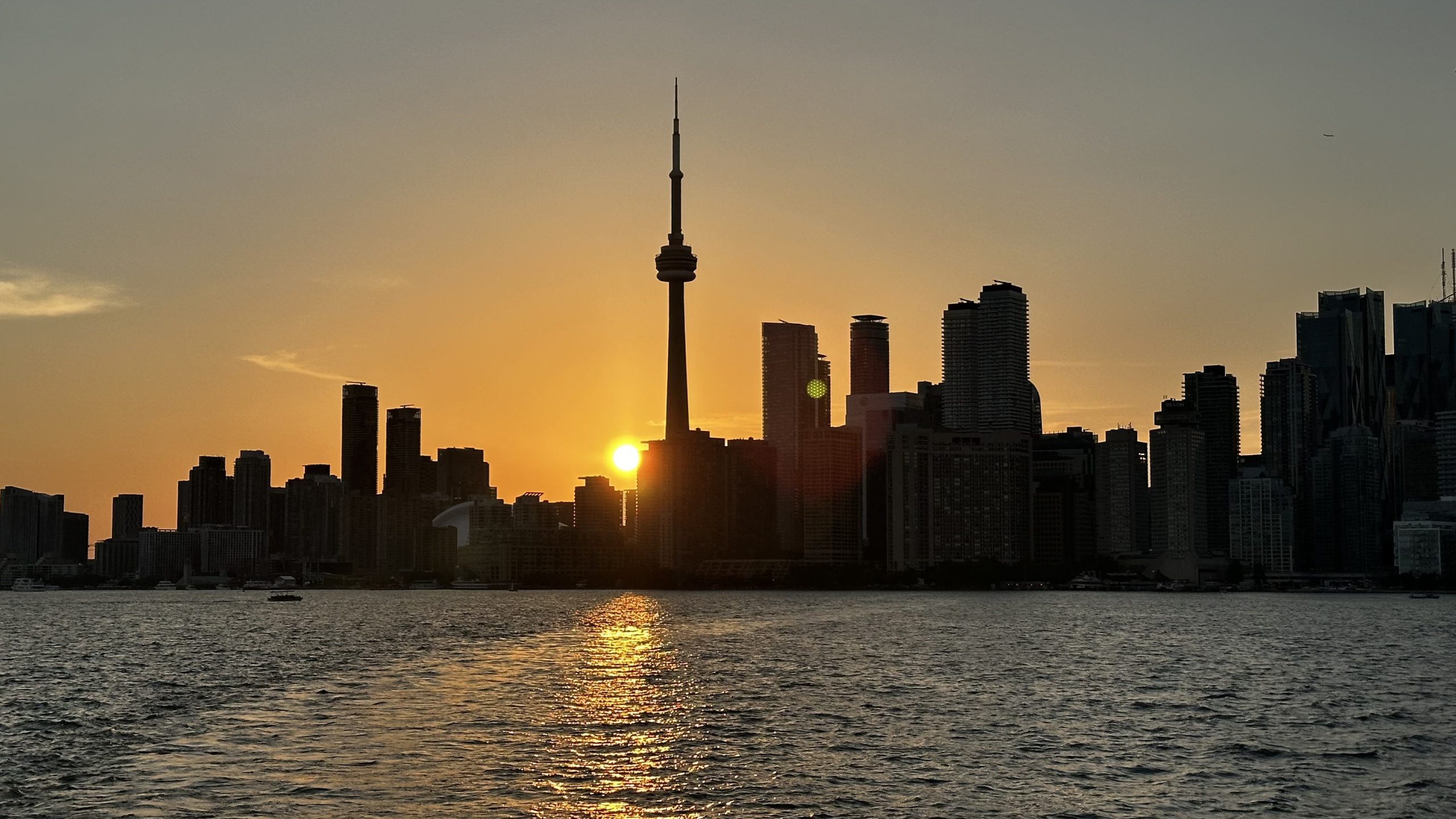
Later it was time to head back towards Toronto. But because darkness comes relatively late during the Canadian summer, I spontaneously decided to take the ferry across to the Toronto Islands.
From there, the views of Toronto’s skyline at dusk and after dark were spectacular.
It would have been a perfect ending to the day if it hadn’t been for the mosquitoes, who apparently considered me their dinner while I waited for the ferry back. You can’t have everything.
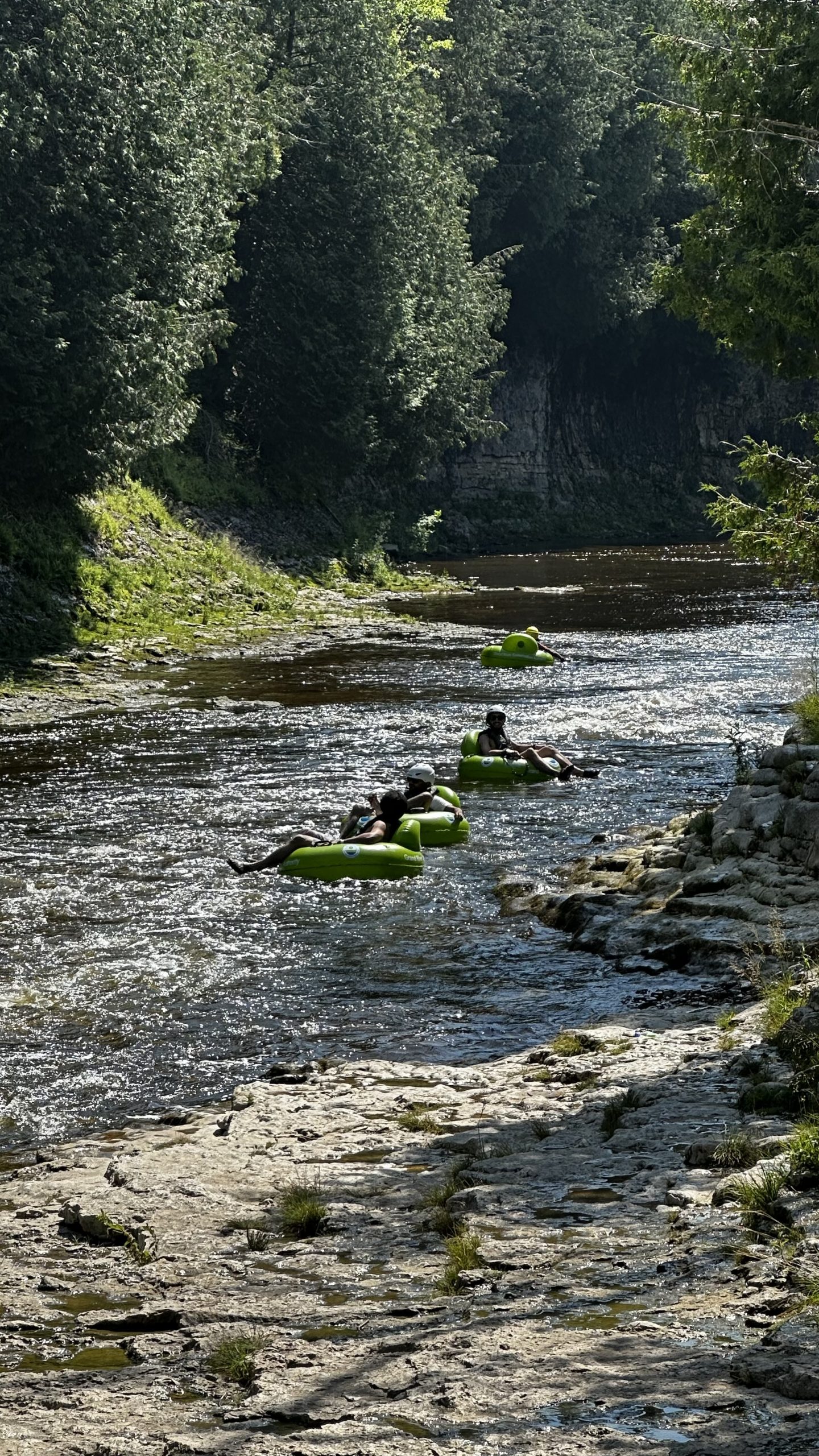
Another enjoyable excursion took me to the lovely town of Elora, where I strolled through Elora Gorge, a dramatic limestone gorge where tubing on the river is one of the popular summer activities.
I finished the day with an excellent dinner at Elora Mill, a beautiful hotel and restaurant overlooking the river. A wonderful setting.
And of course, I mustn’t forget Toronto itself.
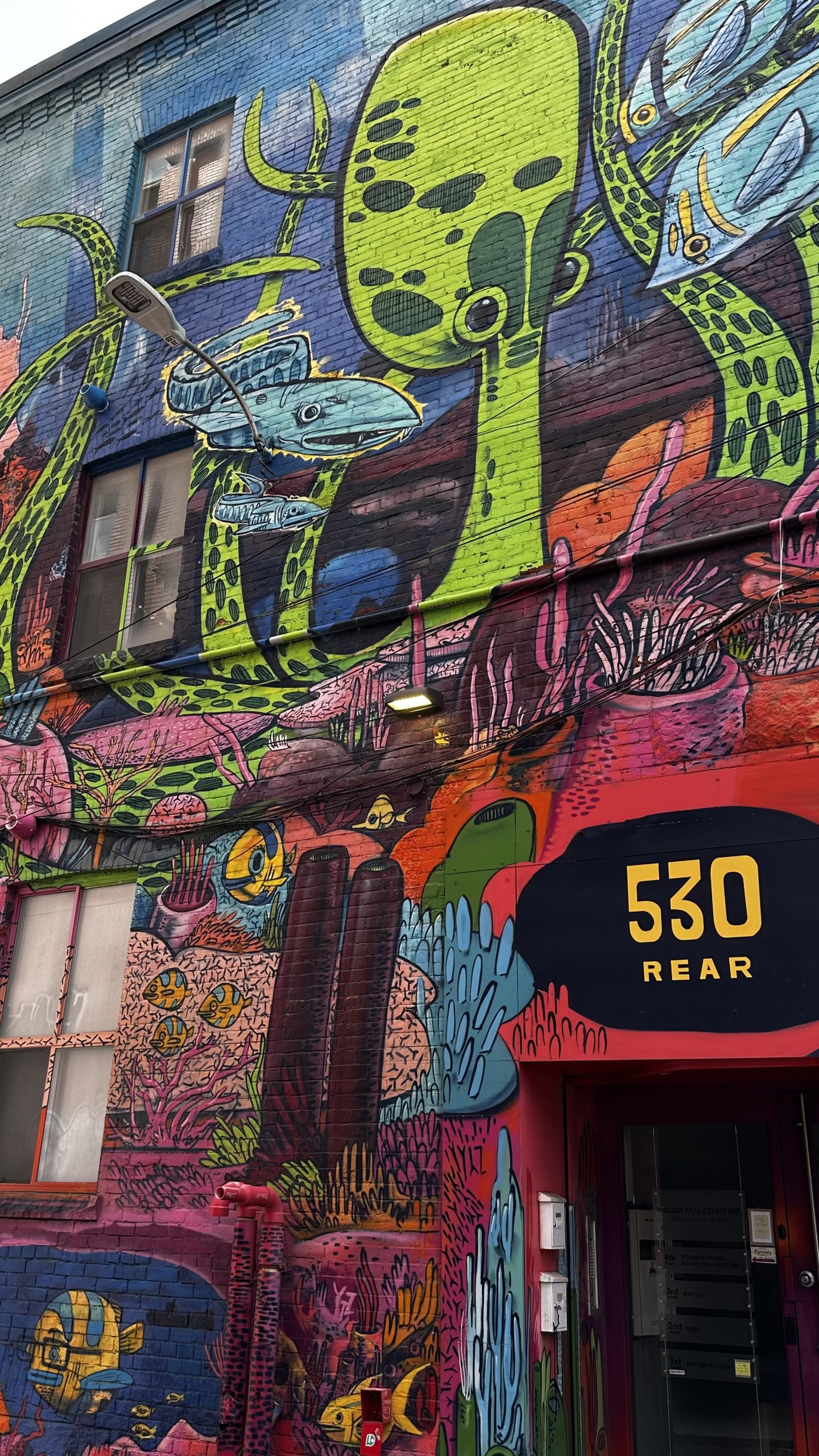
Toronto is a vibrant, multicultural city that mixes skyscrapers with surprisingly relaxed neighborhoods and plenty of green space. I enjoyed wandering through its different districts, including colorful Graffiti Alley, exploring the waterfront and simply taking in the atmosphere of Canada’s largest city.
No visit would be complete without going up the famous CN Tower, where the views across the city, harbor and Lake Ontario are magnificent.
The evening drew to a fitting close in the atmospheric Distillery District, where Victorian industrial architecture has been transformed into restaurants, bars, galleries and boutiques – easily one of the coolest areas of the city for an evening out.
Next stop on my journey west was Calgary, around 4.5 hours away by plane. Here I picked up another rental car and headed for somewhere I had particularly high expectations of:
The Canadian Rockies.
Banff & Jasper National Parks
My first accommodation was Sunwapta Falls Rocky Mountain Lodge, around four to five hours’ drive from Calgary.
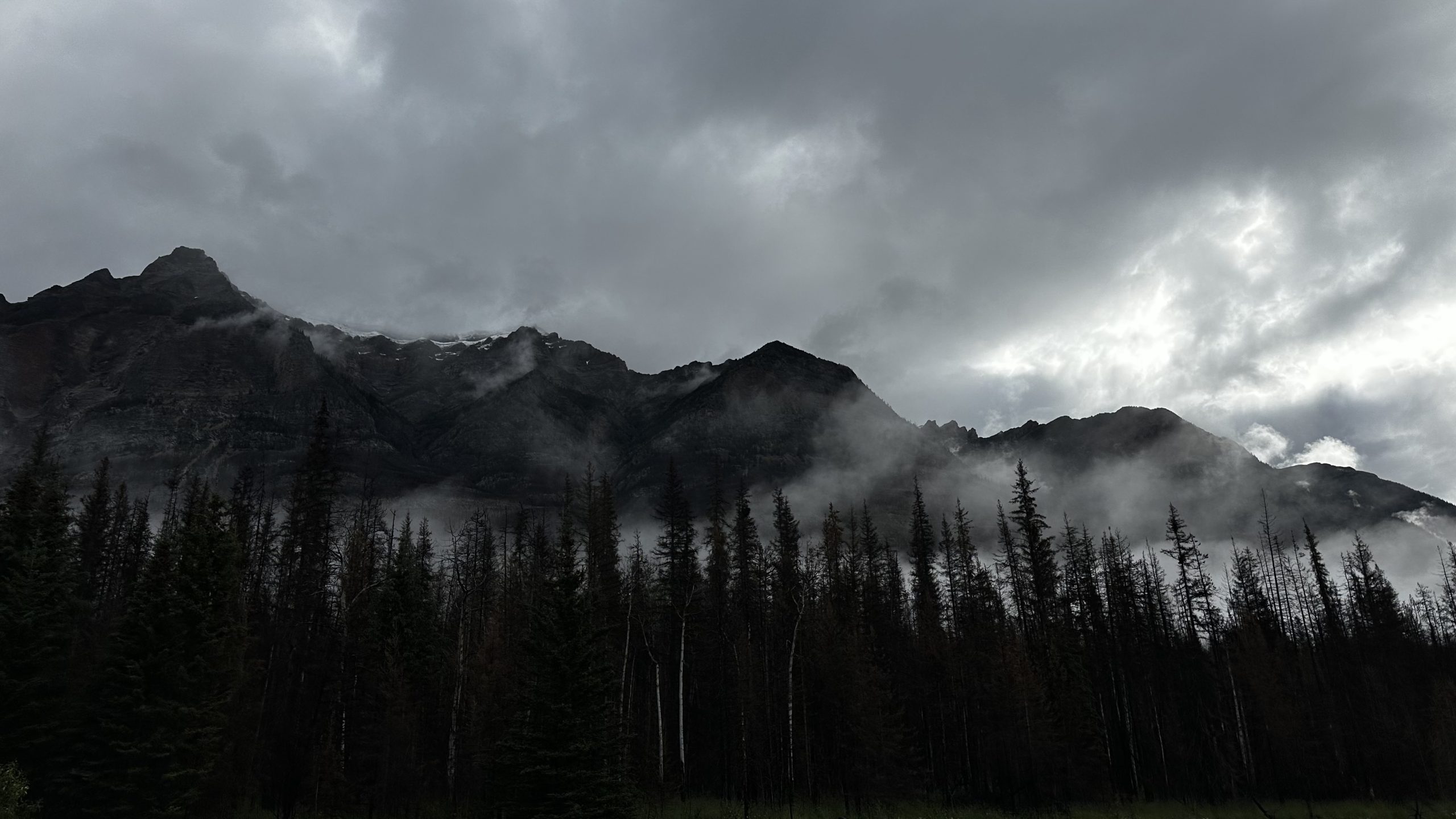
I stopped on the way for a light dinner at Lake Louise before driving into a heavy rainstorm. At the time, it had me slightly worried about what the weather might have in store for me.
I needn’t have worried.
The following five days were warm and sunny – and became another absolute highlight of the trip.
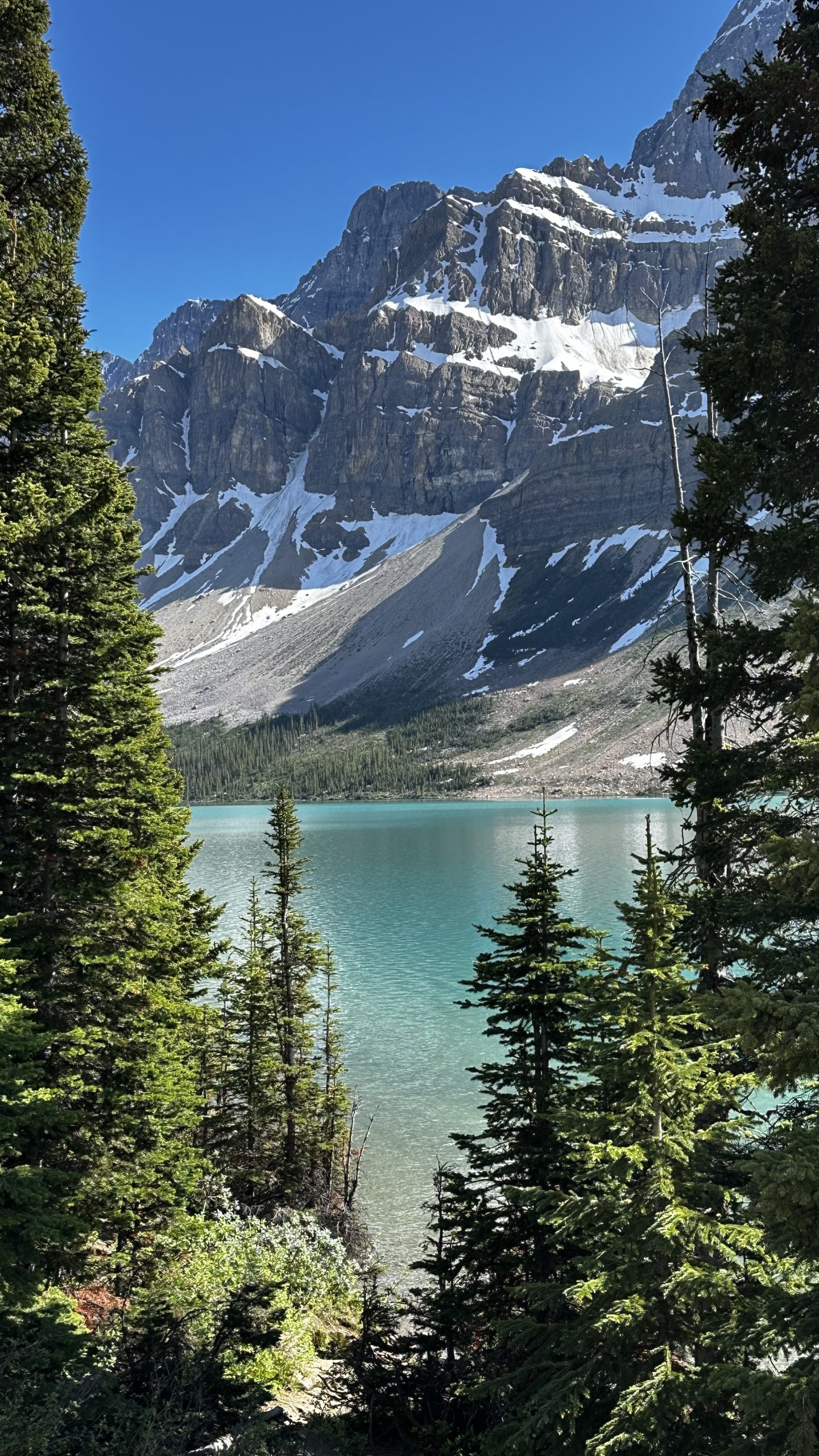
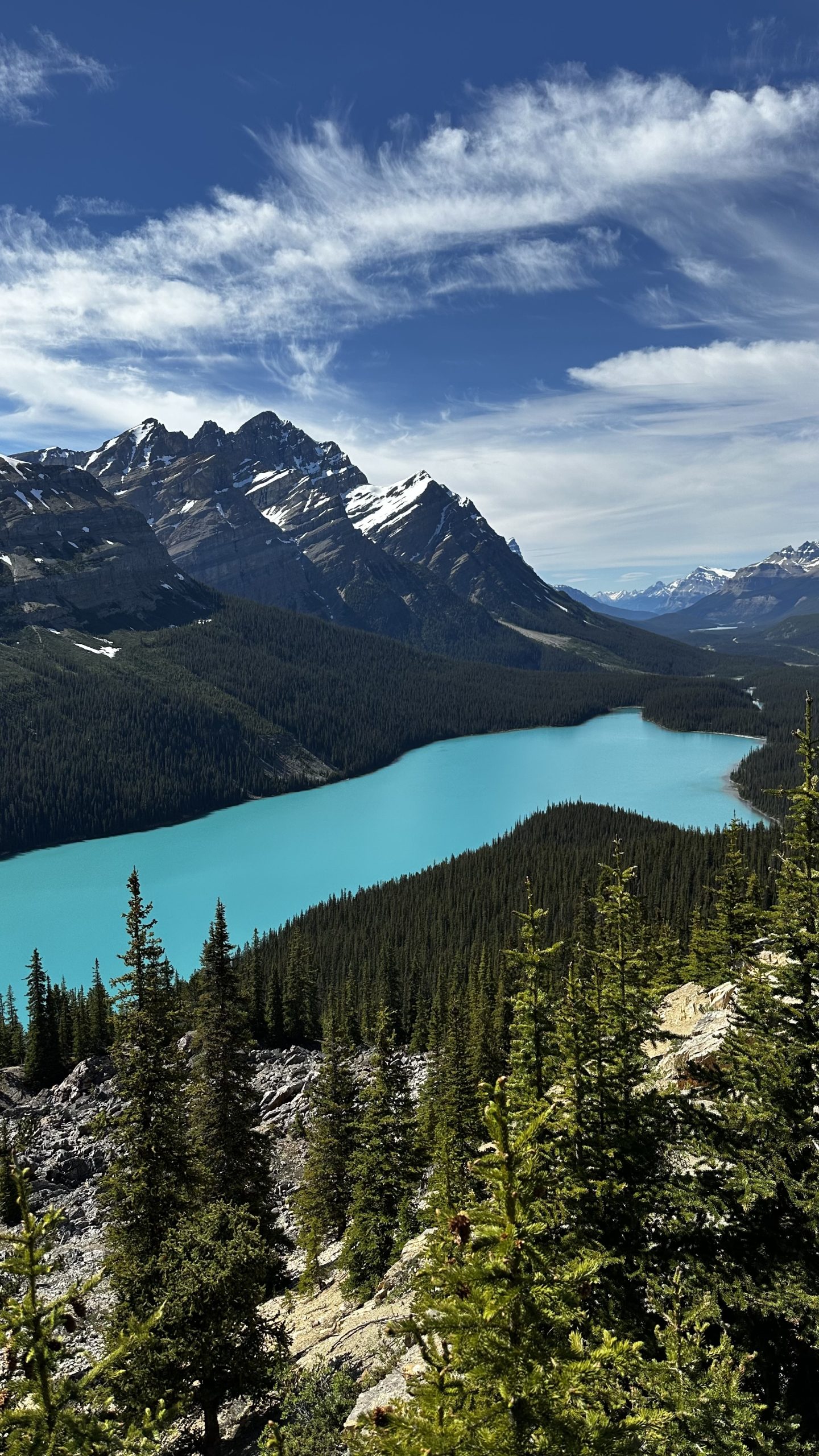
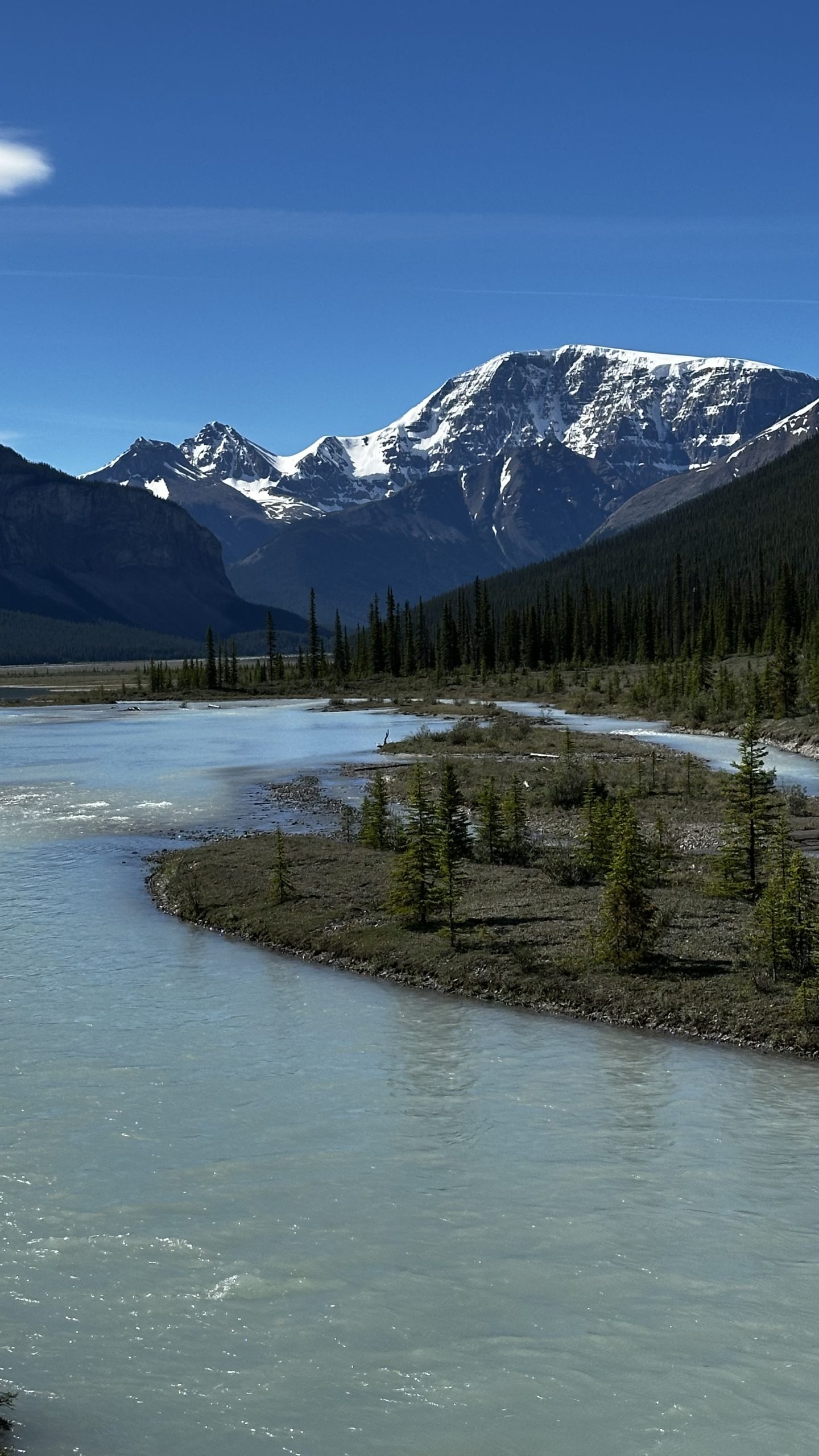
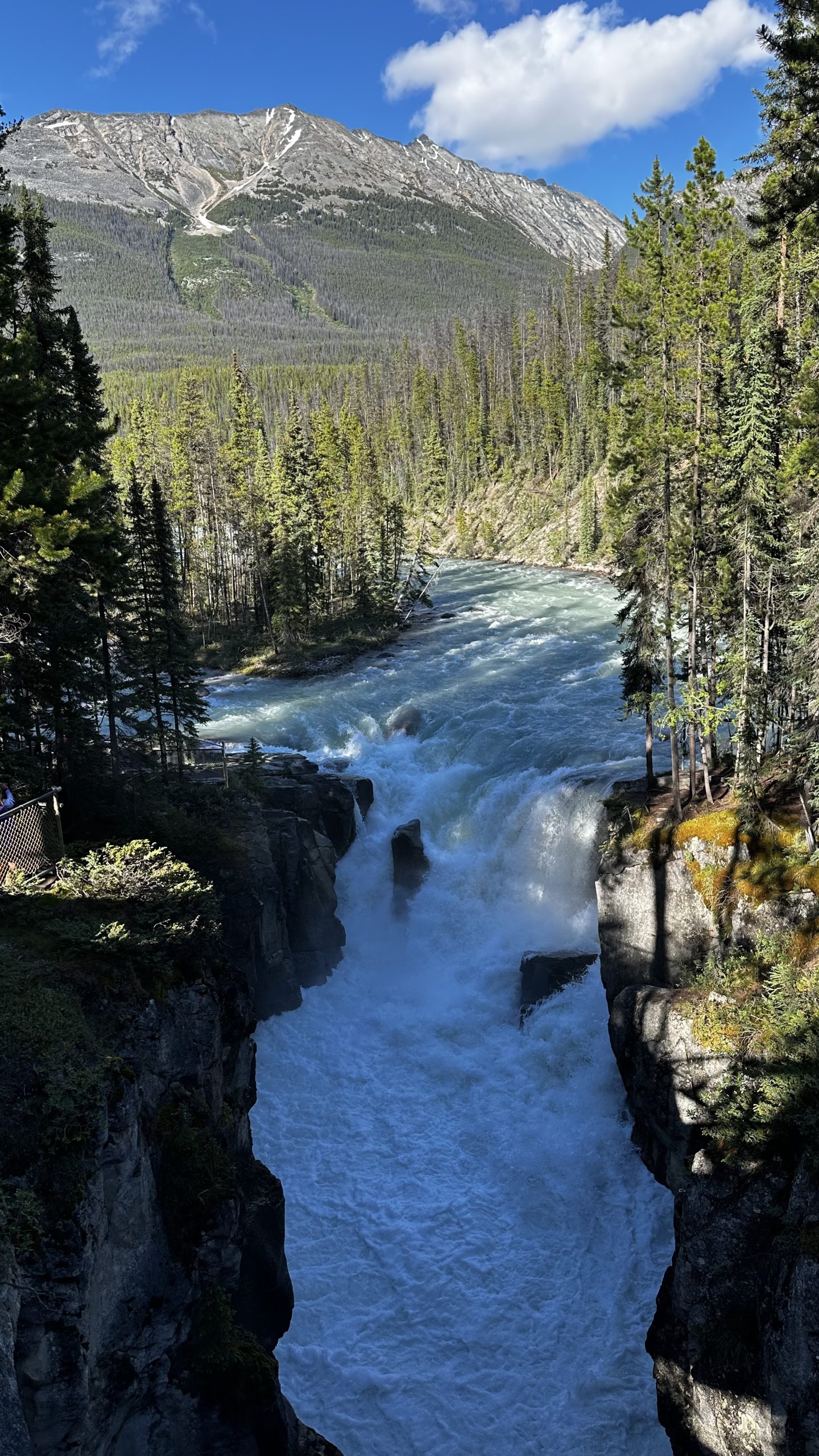
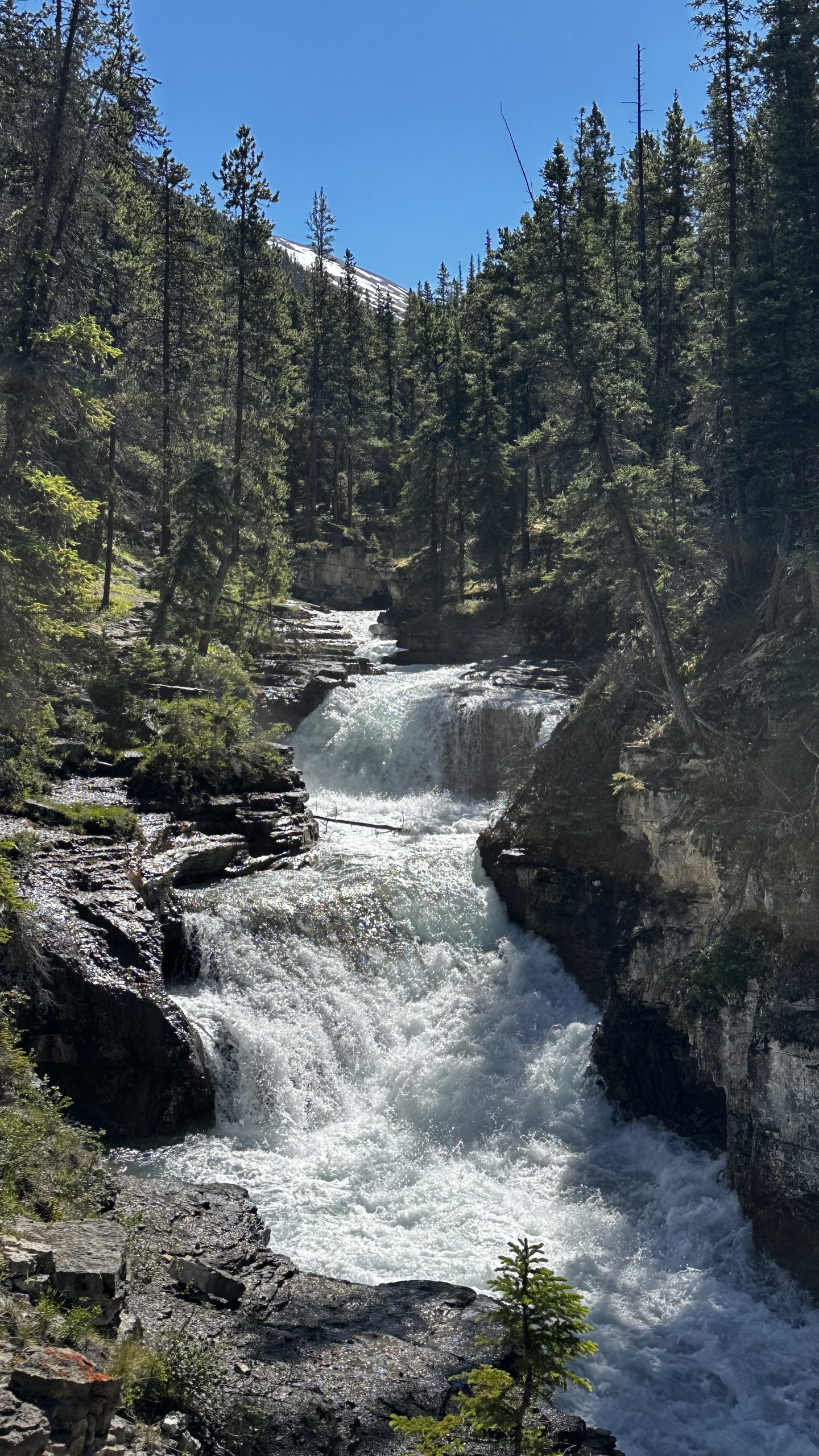
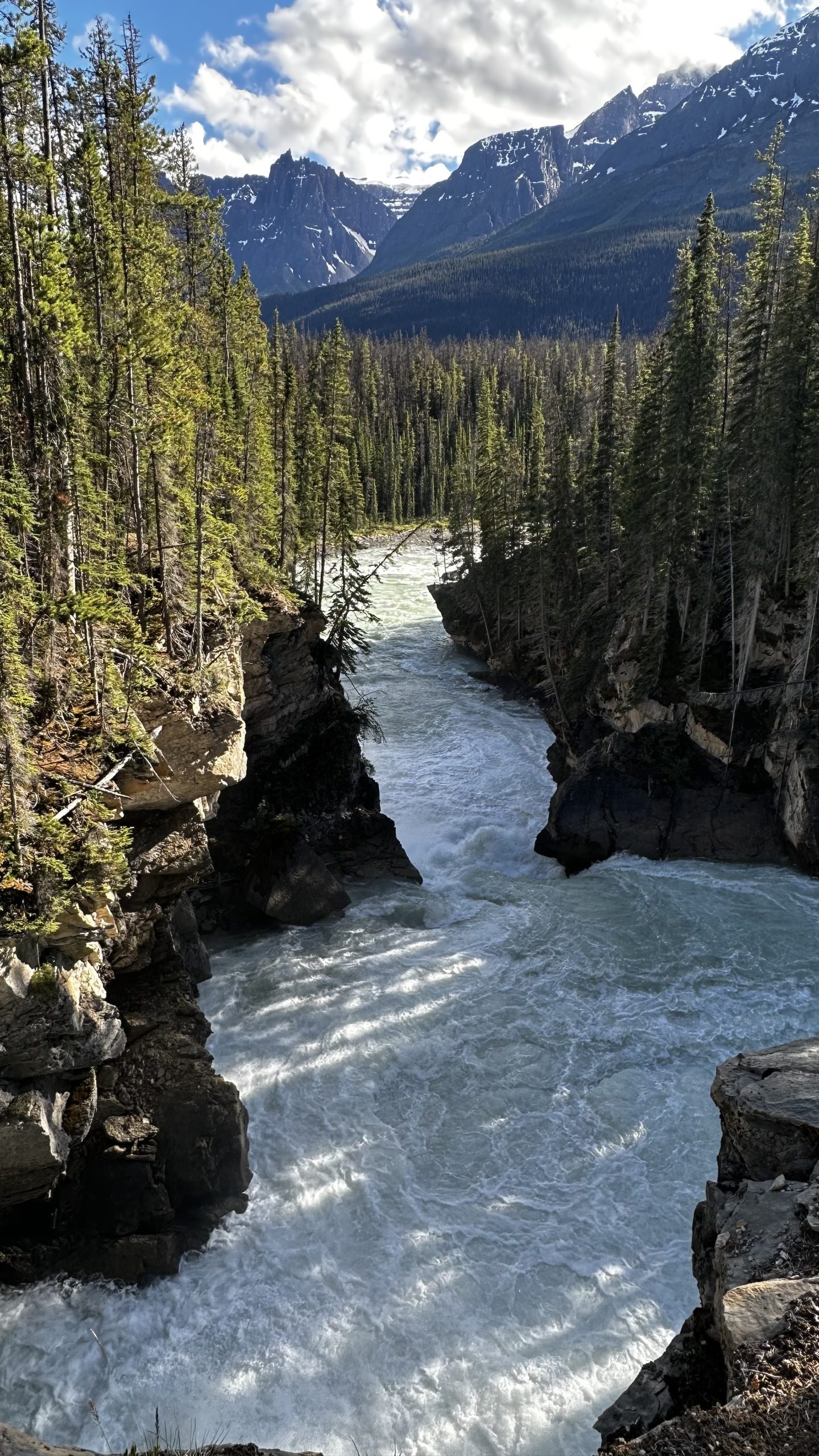
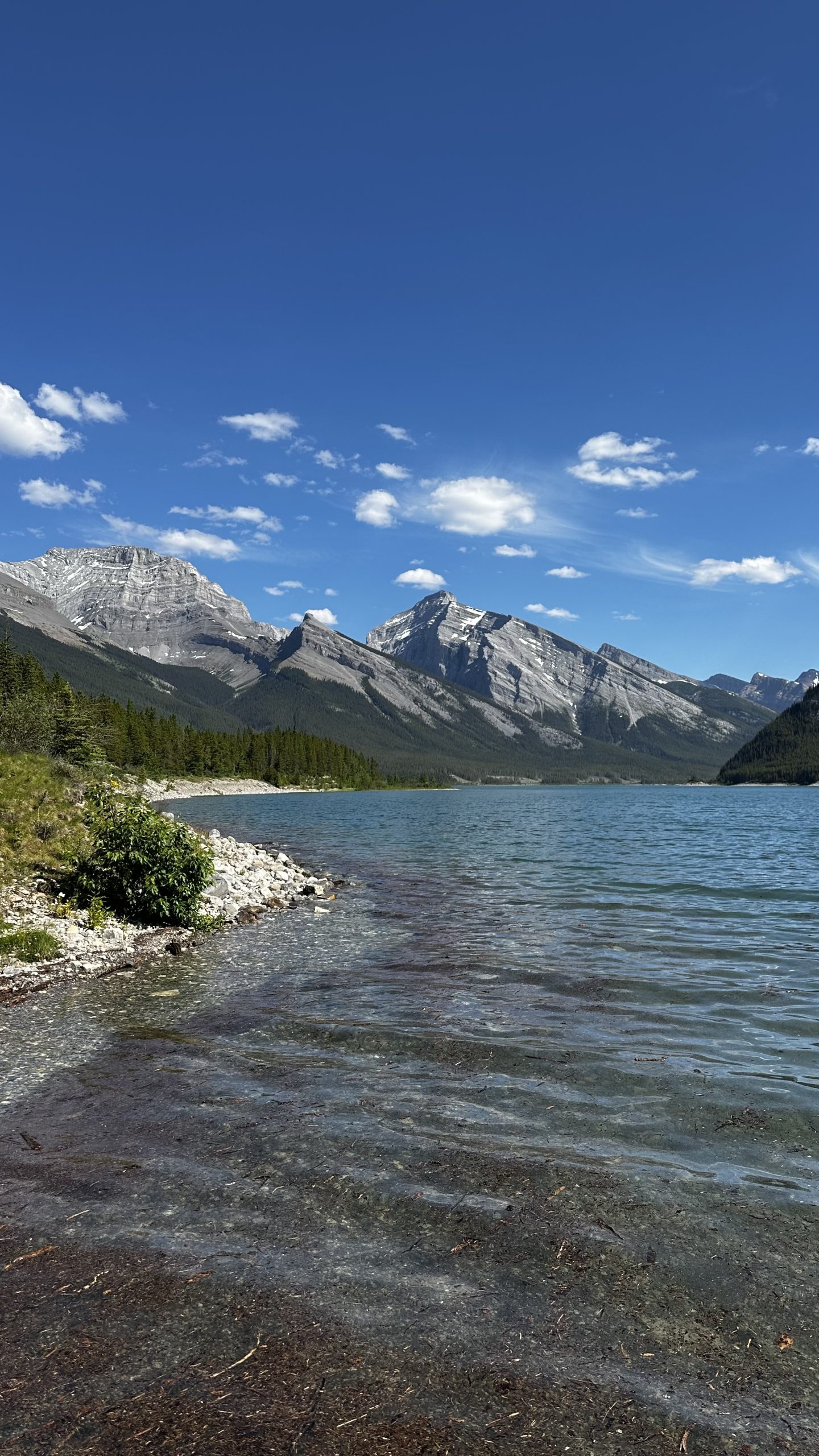
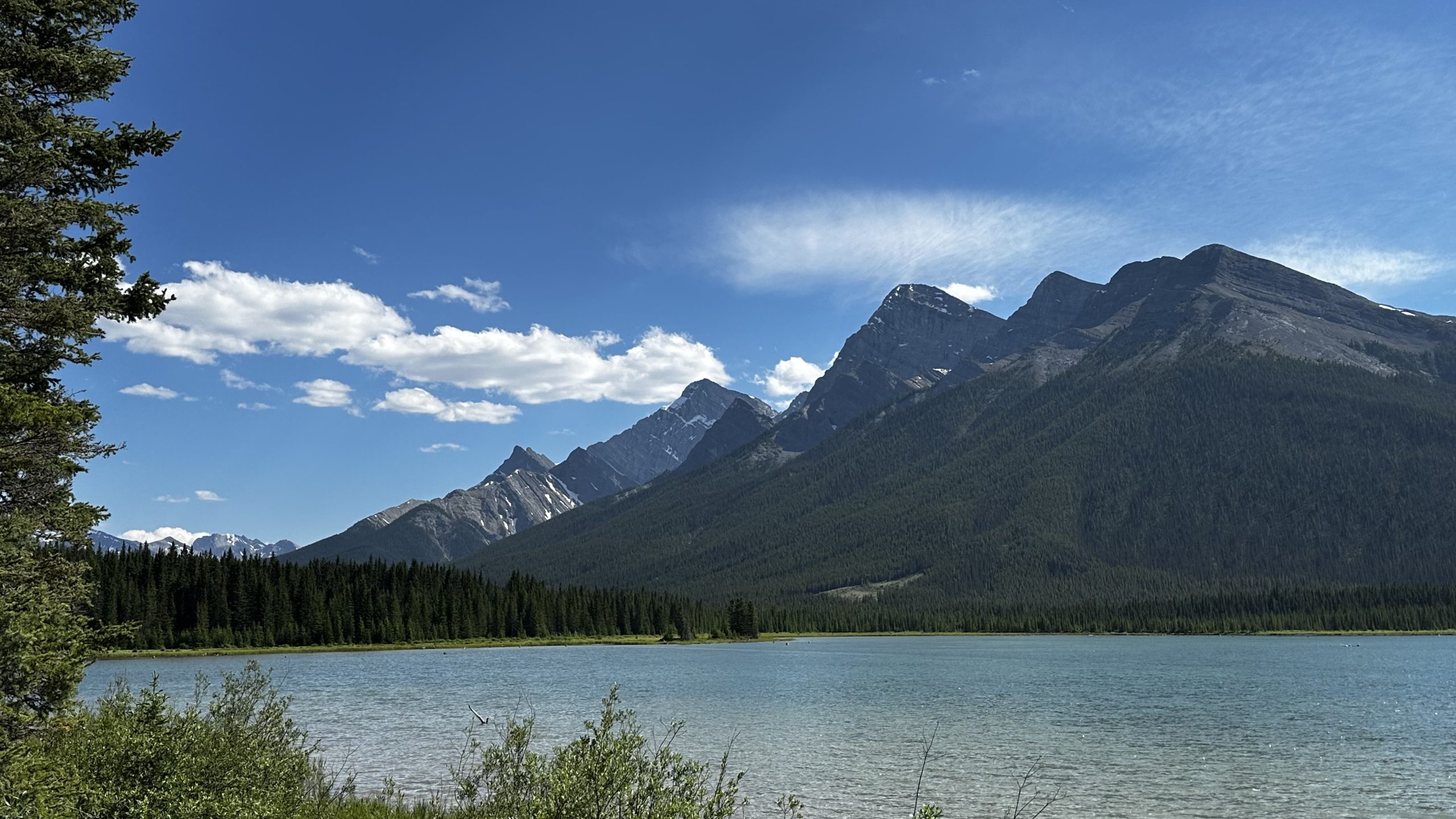
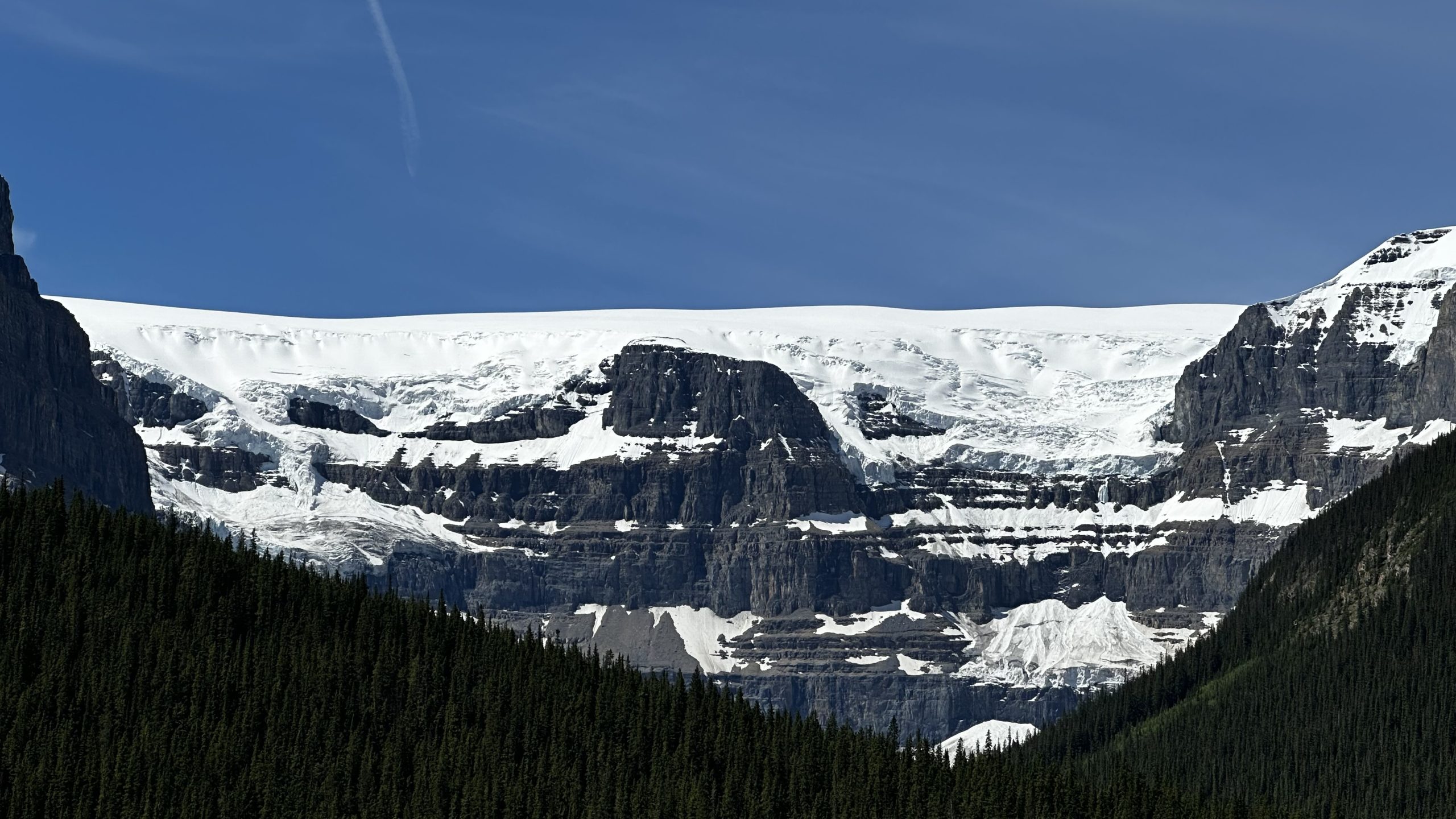
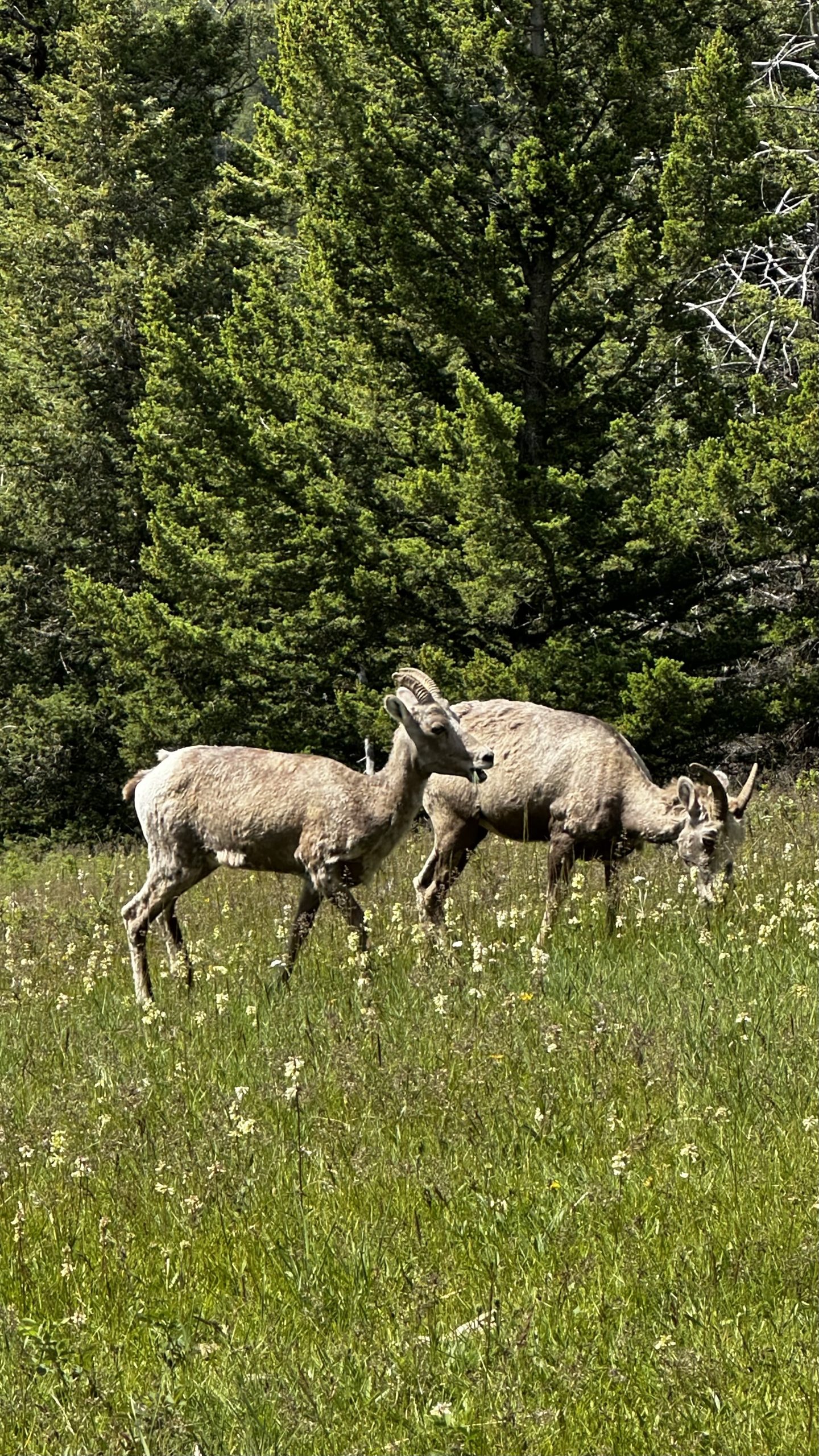
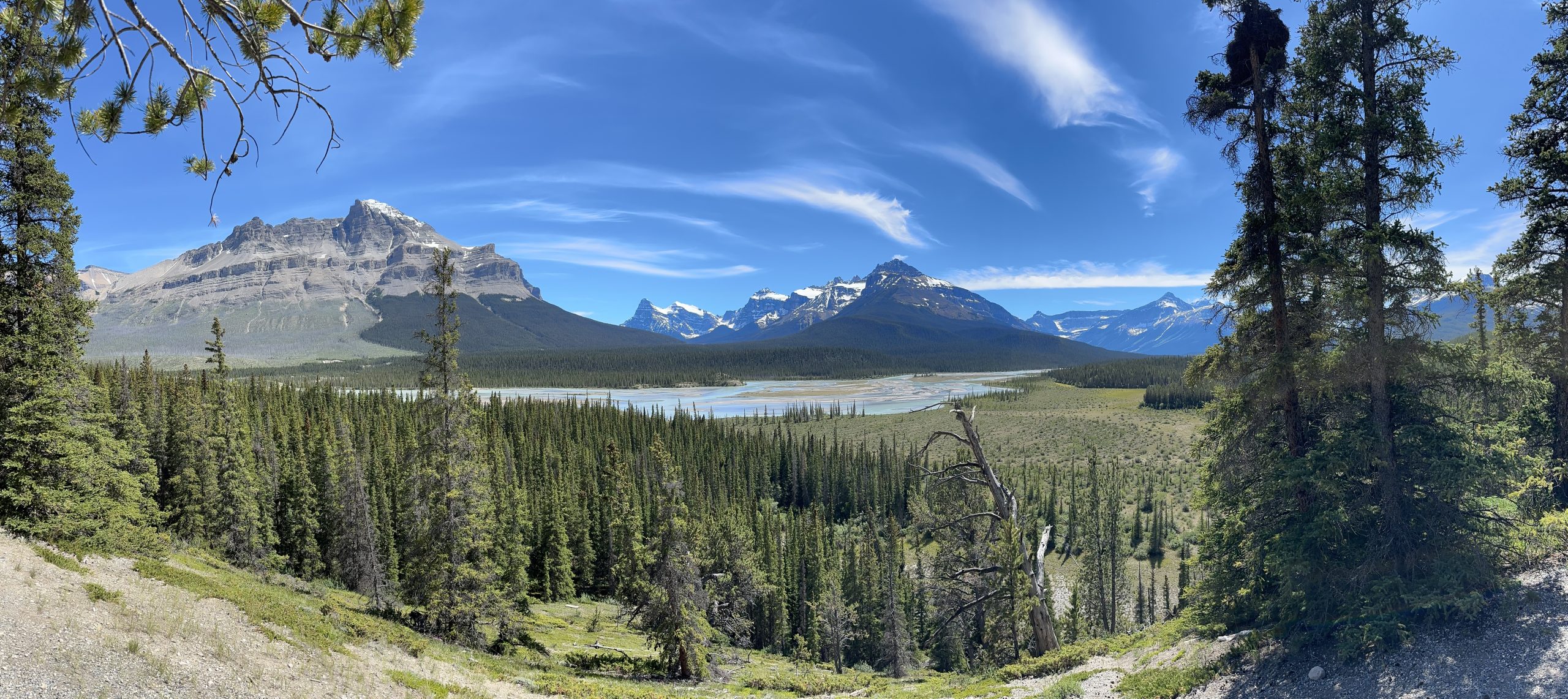
It is difficult to exaggerate the beauty of Banff and Jasper National Parks. Almost every drive feels scenic: turquoise lakes on one side, towering mountains on the other, waterfalls tumbling through forests and wildlife appearing when you least expect it.
And the hiking opportunities are endless.
Among my personal recommendations are Maligne Lake, Athabasca Falls, Sunwapta Falls, Lake Annette, the Icefields Parkway and Bow Lake.
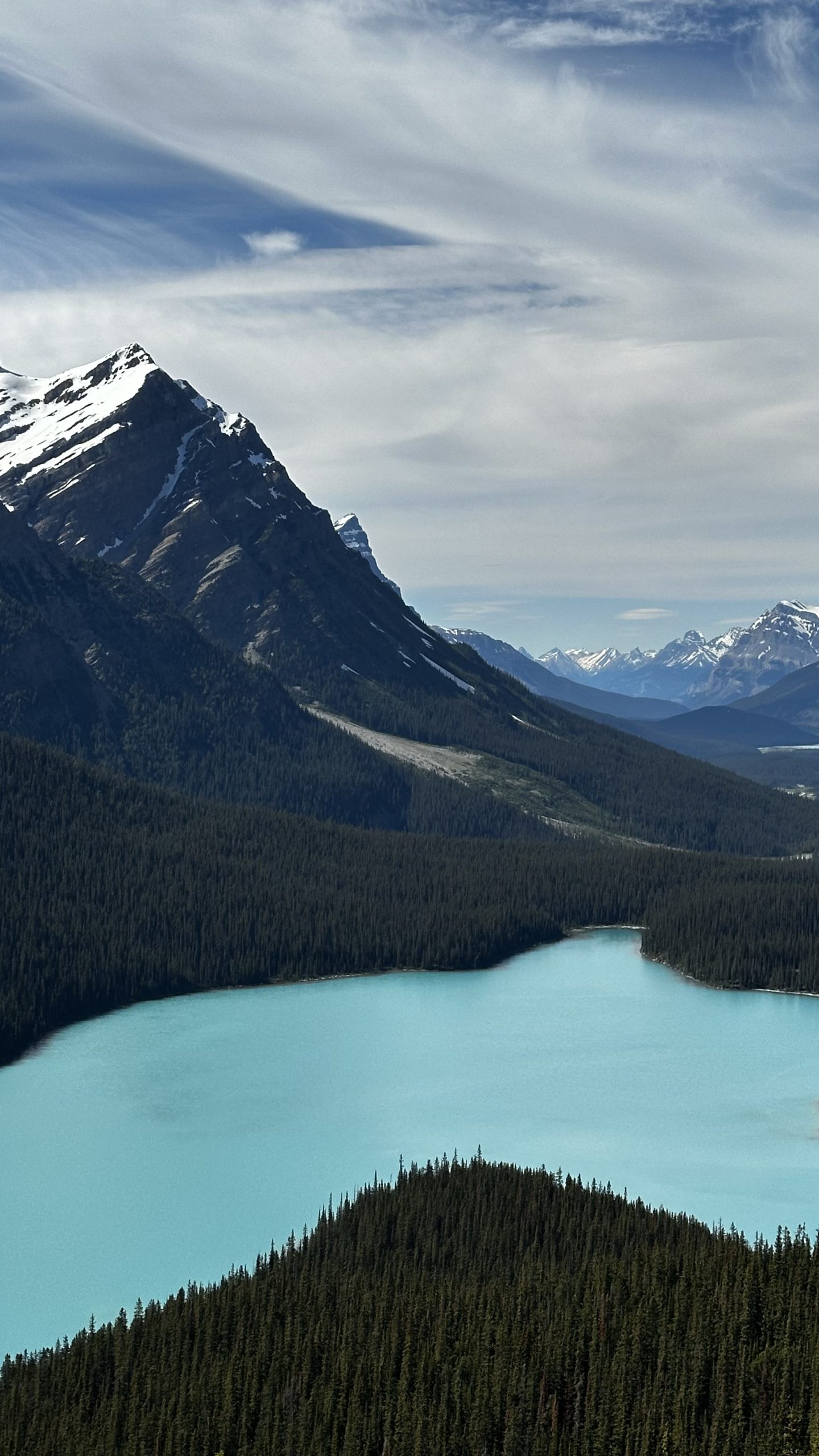
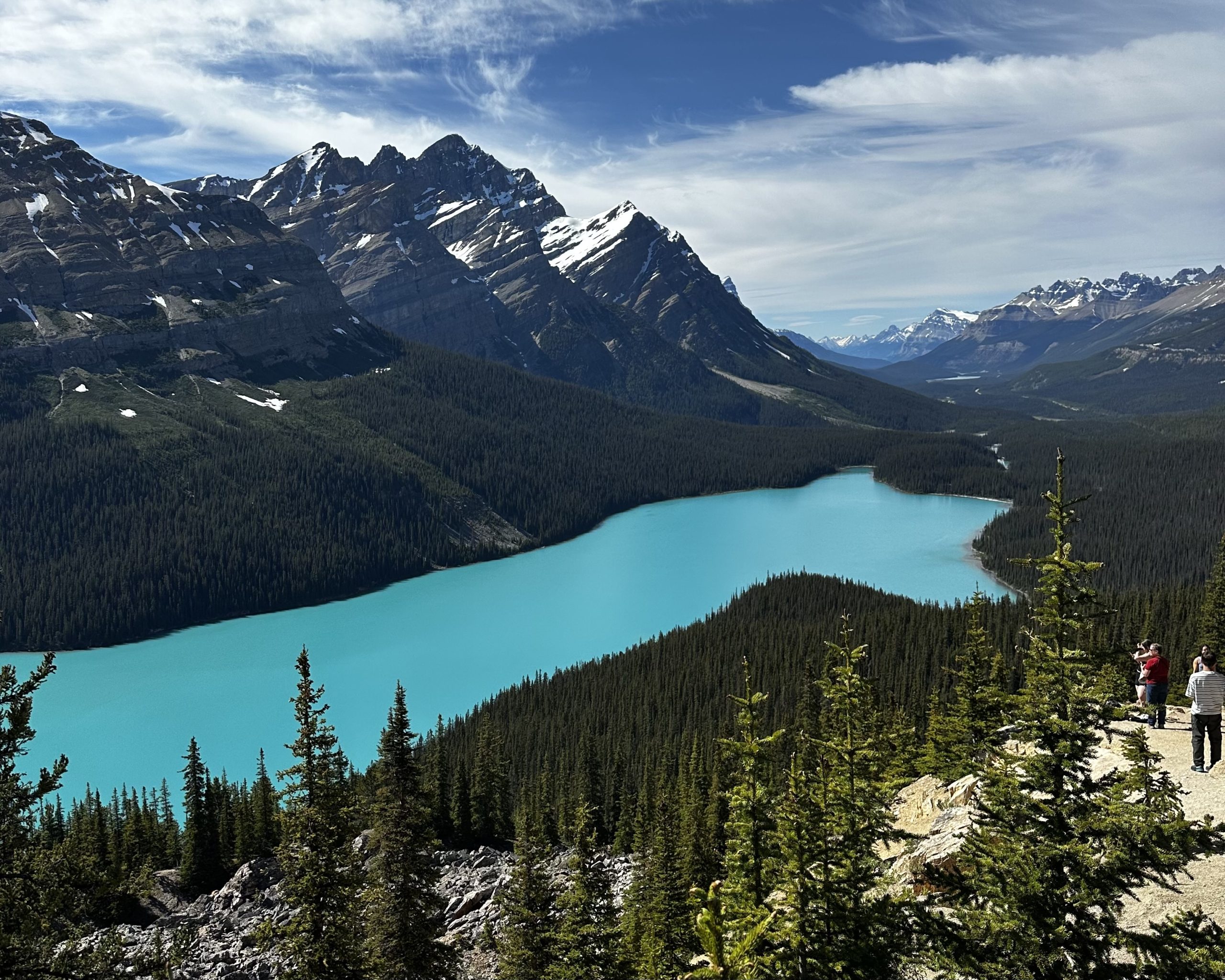
And whatever you do, don’t miss Peyto Lake. Its almost impossibly bright turquoise-blue water has to be seen to be believed. It is probably one of the bluest lakes I have ever seen.
Ironically, I didn’t manage to get a proper look at Lake Louise because it was simply too crowded. But I didn’t feel I had missed out: so many of the other places were equally stunning and considerably quieter.
One practical piece of advice: bear spray is worth having with you when hiking. Both grizzly and black bears live throughout the Rockies. Some hotels and lodges lend bear spray to guests, and it can also be bought or rented locally. Follow Parks Canada guidance and learn how to use it before setting out.
I was fortunate enough to see several bears from the safety of my car, casually strolling alongside the road, as well as a huge stag with magnificent antlers.
Driving through the national parks is a joy in itself – although perhaps don’t become toomesmerized by the scenery. Rocky Mountain wildlife occasionally has its own ideas about who has right of way.
The towns of Jasper, Banff and Canmore are also well worth visiting and provide plenty of restaurants and places to relax after a day outdoors.
Banff and Jasper had set the bar so high that I was slightly worried my next destination might feel like coming back down to reality.
Fortunately, it didn’t.
A 1.5-hour flight from Calgary took me to Vancouver and the next chapter of the journey.
Vancouver Island
From Vancouver, I picked up another rental car and drove to Horseshoe Bay, where I boarded the ferry to Nanaimo on Vancouver Island.
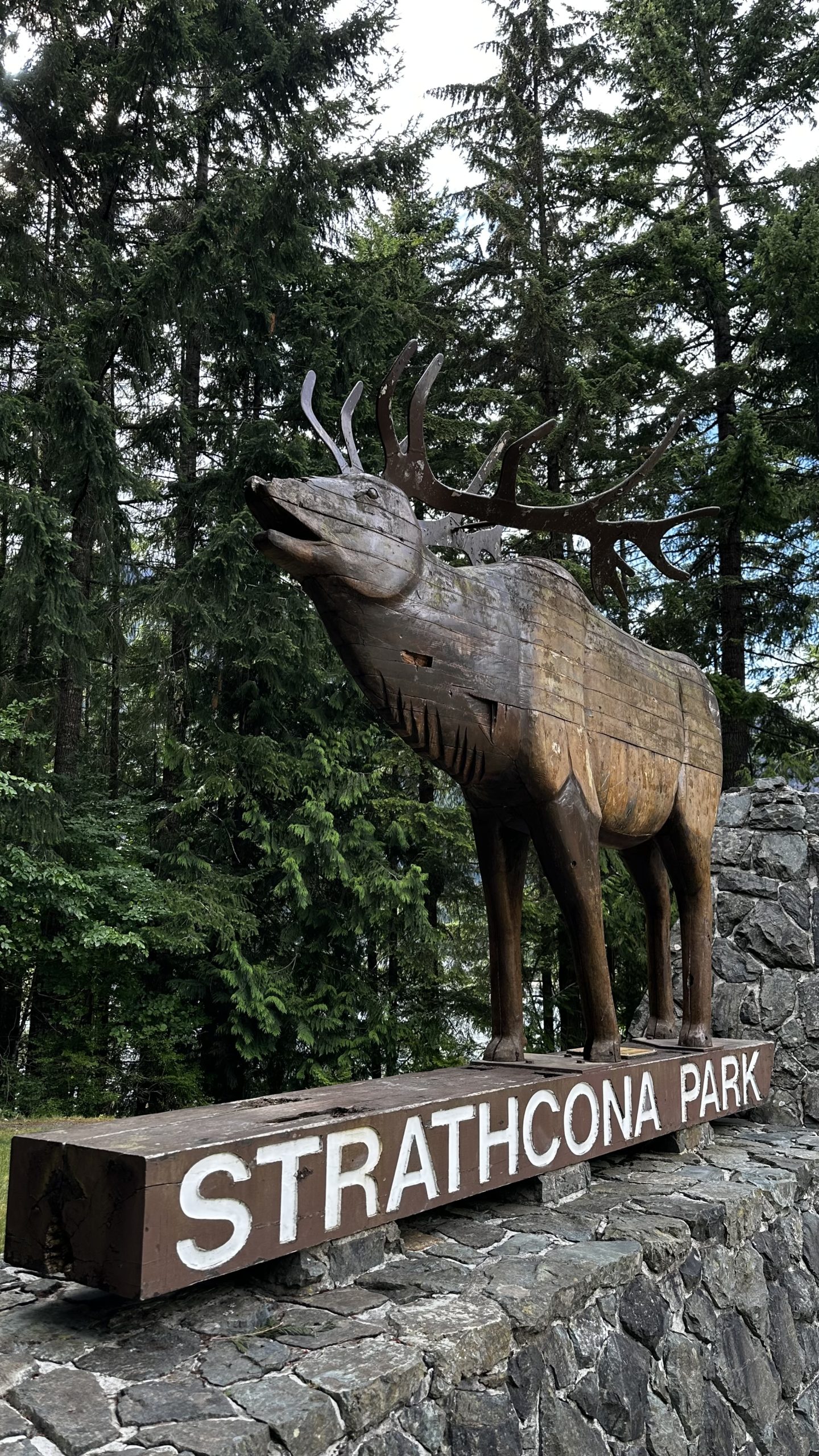
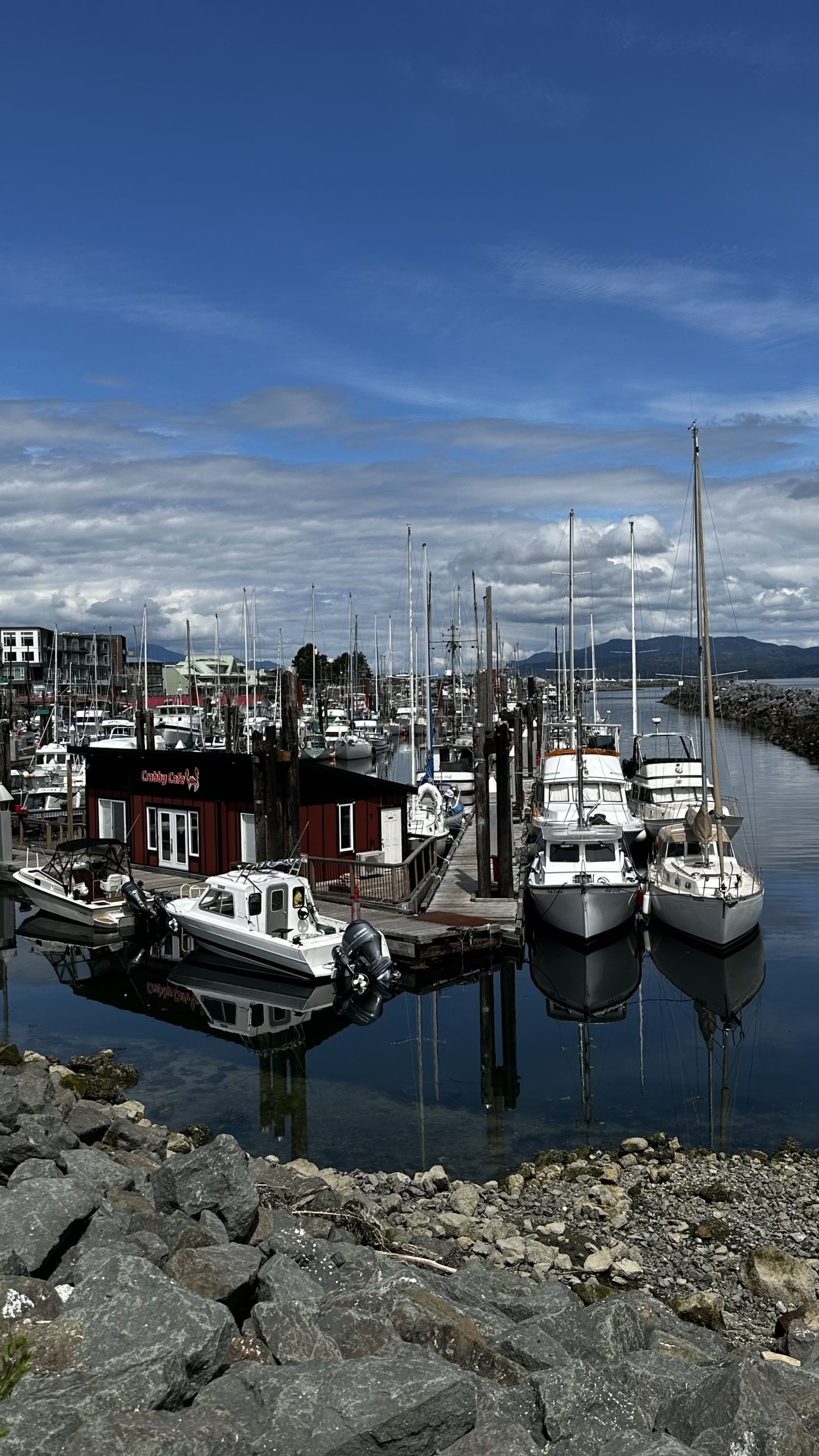
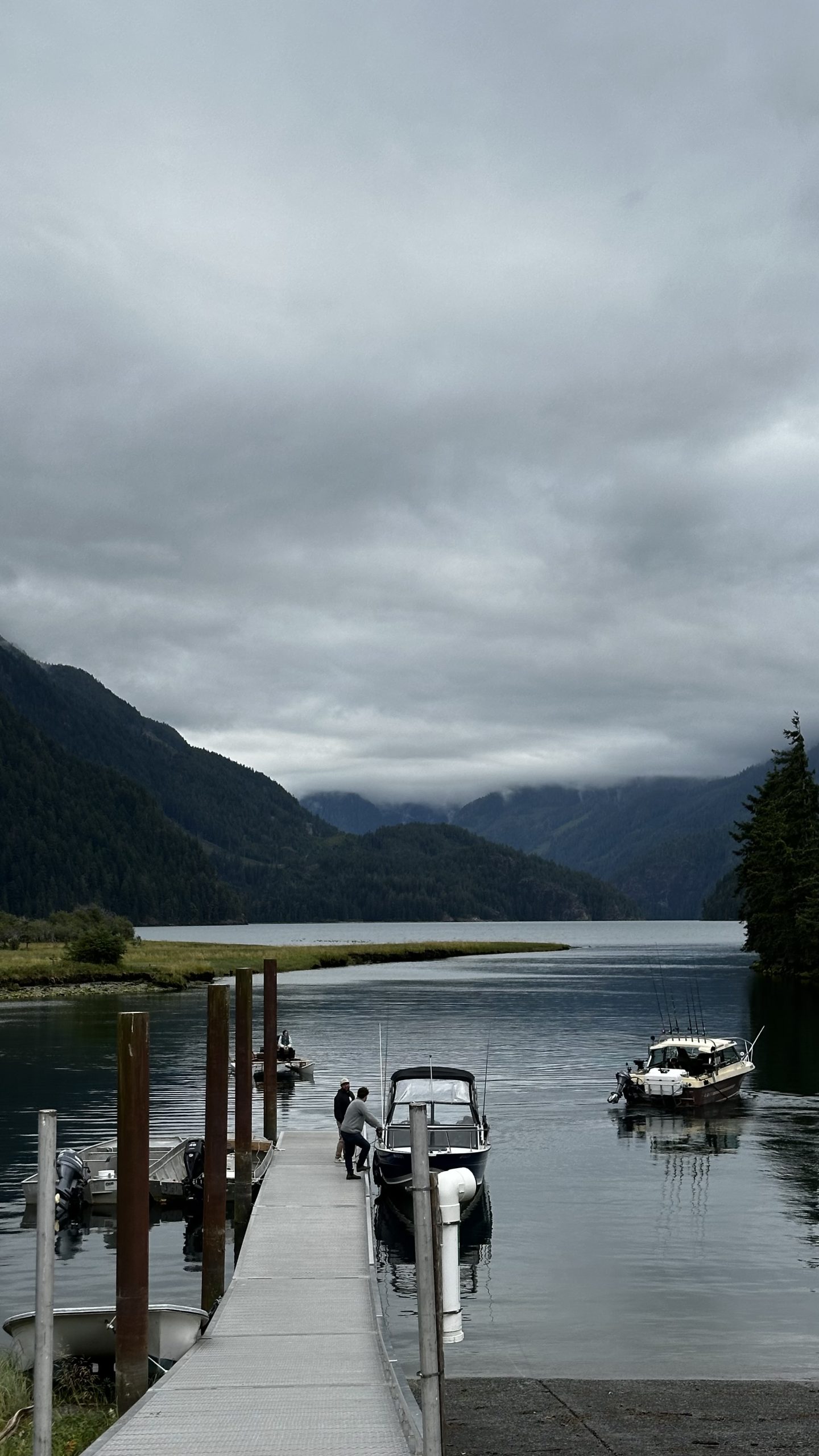
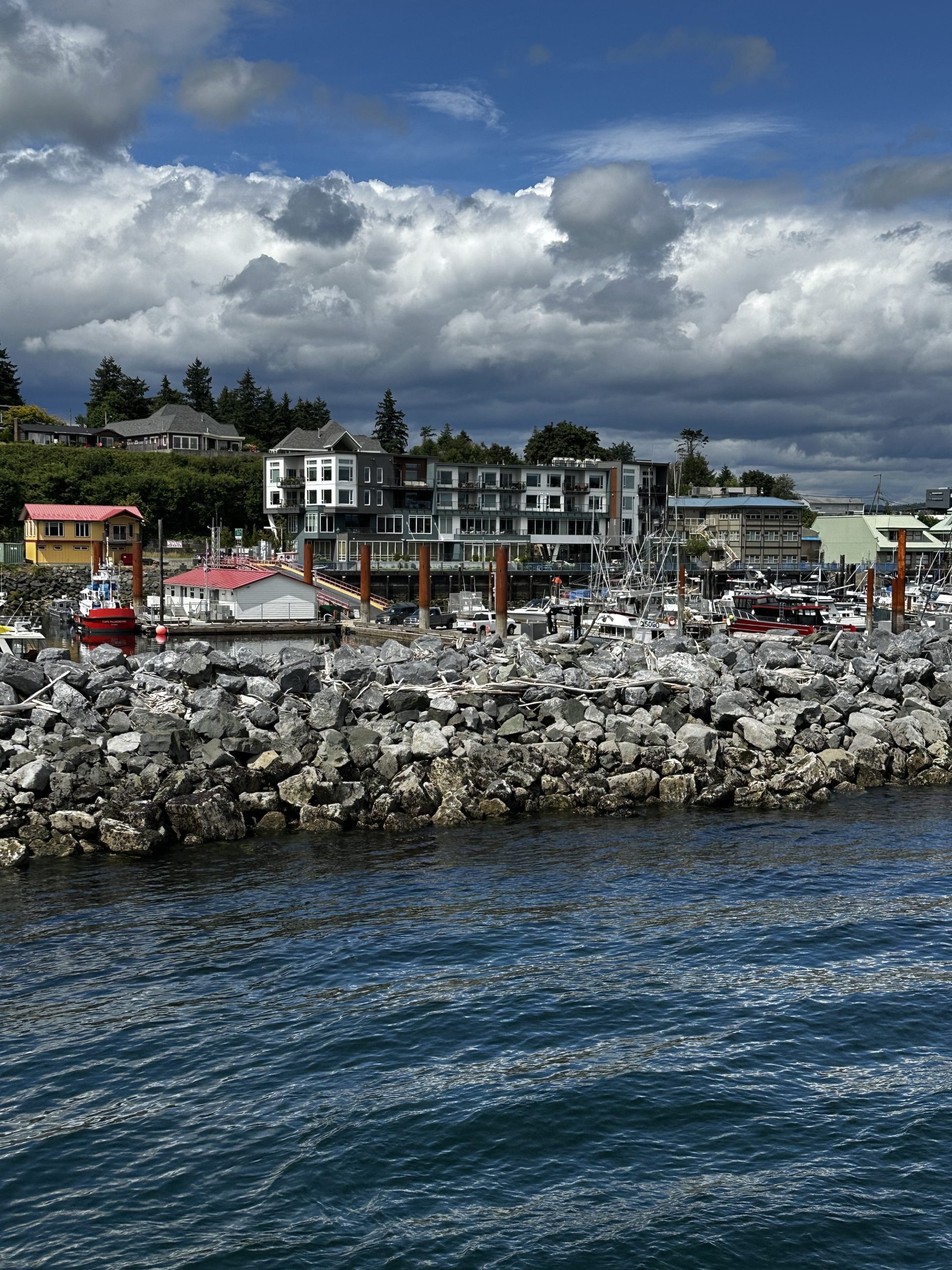
I spent five nights on the island – three in Campbell River and two in Nanaimo for convenience – and Vancouver Island certainly didn’t disappoint.
This is a huge island – in fact, larger than Belgium – with everything from rugged Pacific coastline and temperate rainforest to mountains, beaches and charming coastal communities.
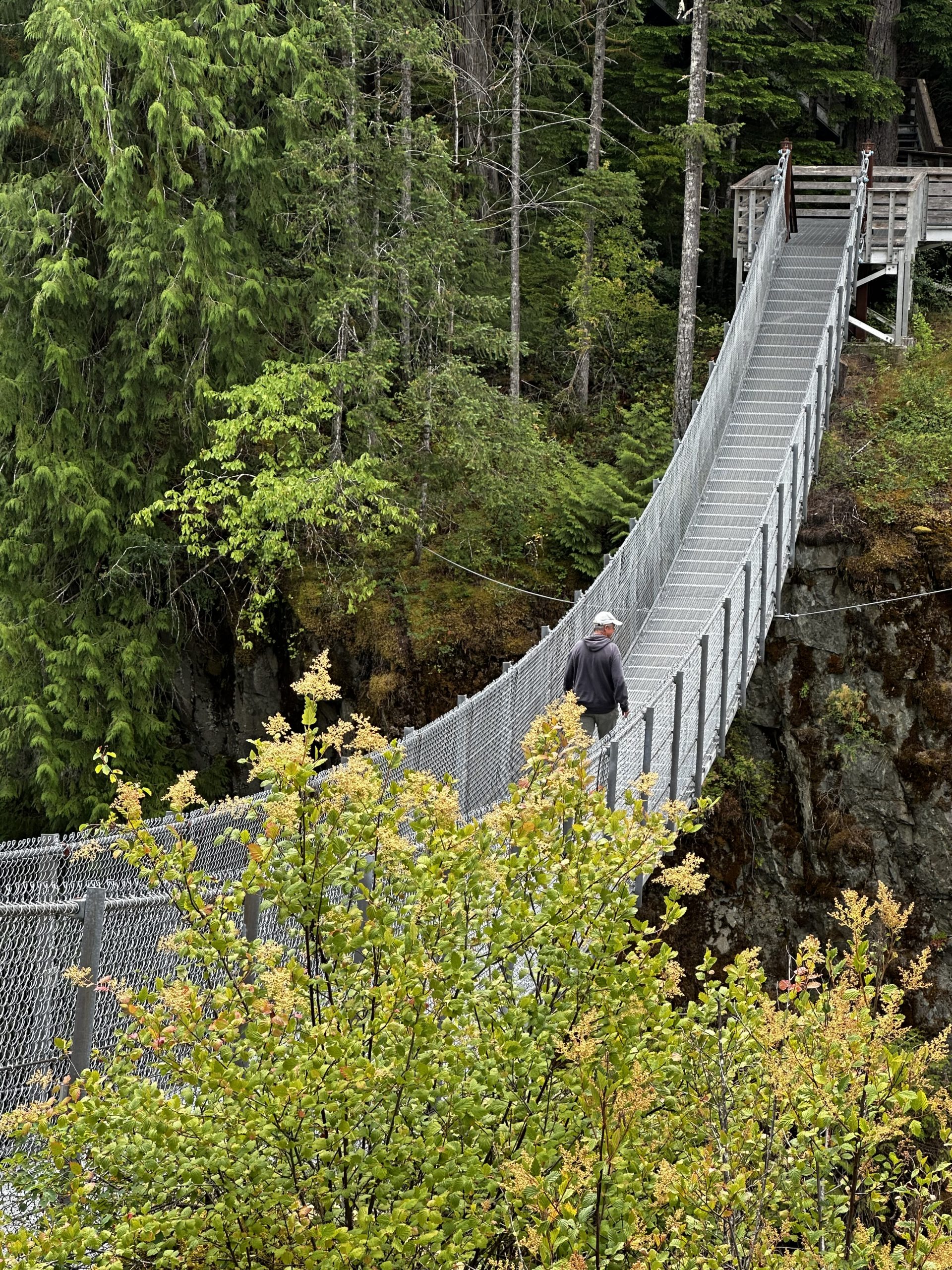
Near Campbell River, Elk Falls Provincial Park is well worth visiting, particularly for its impressive waterfall and suspension bridge.
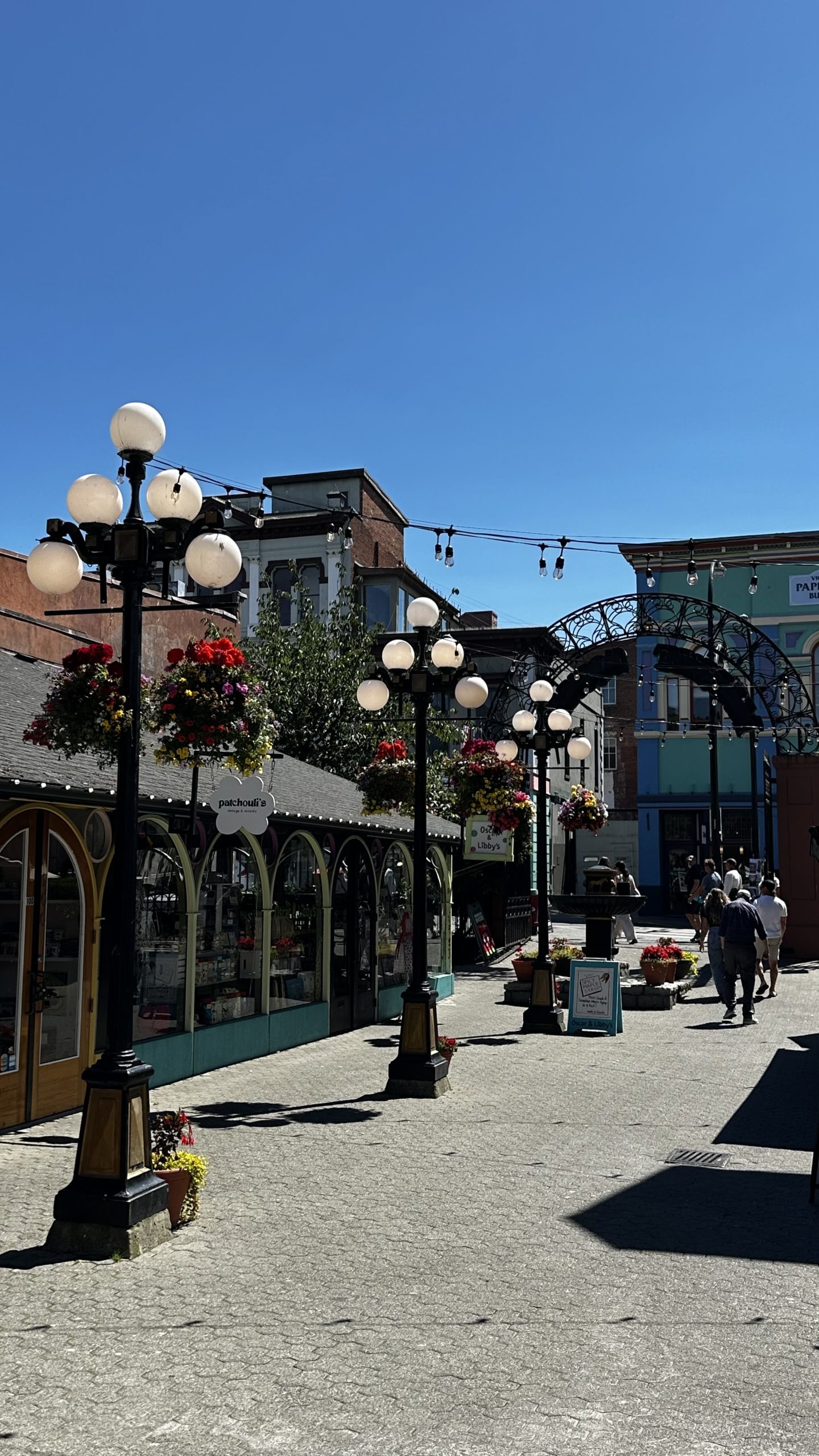
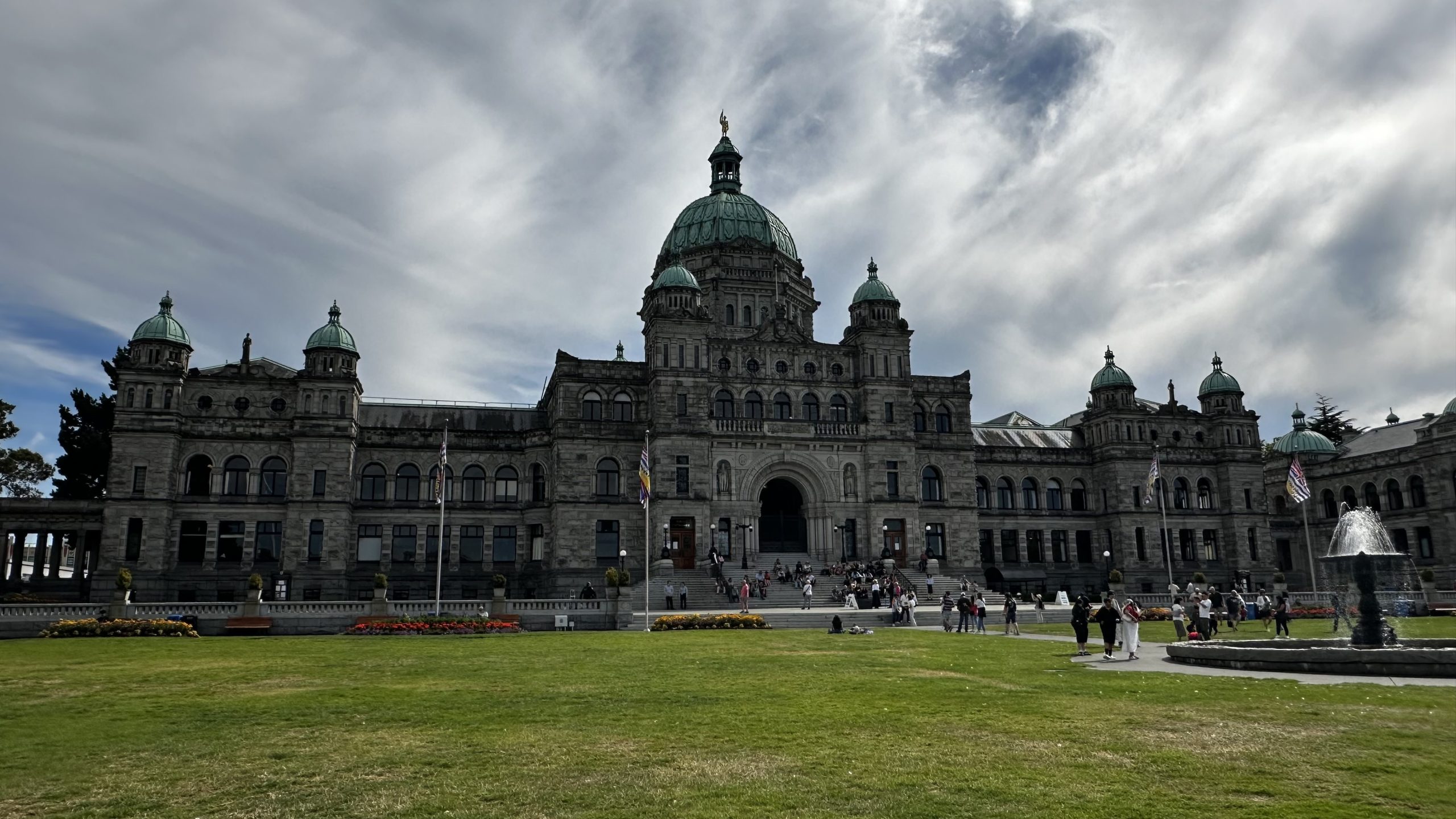
And then there is Victoria, the capital of British Columbia.
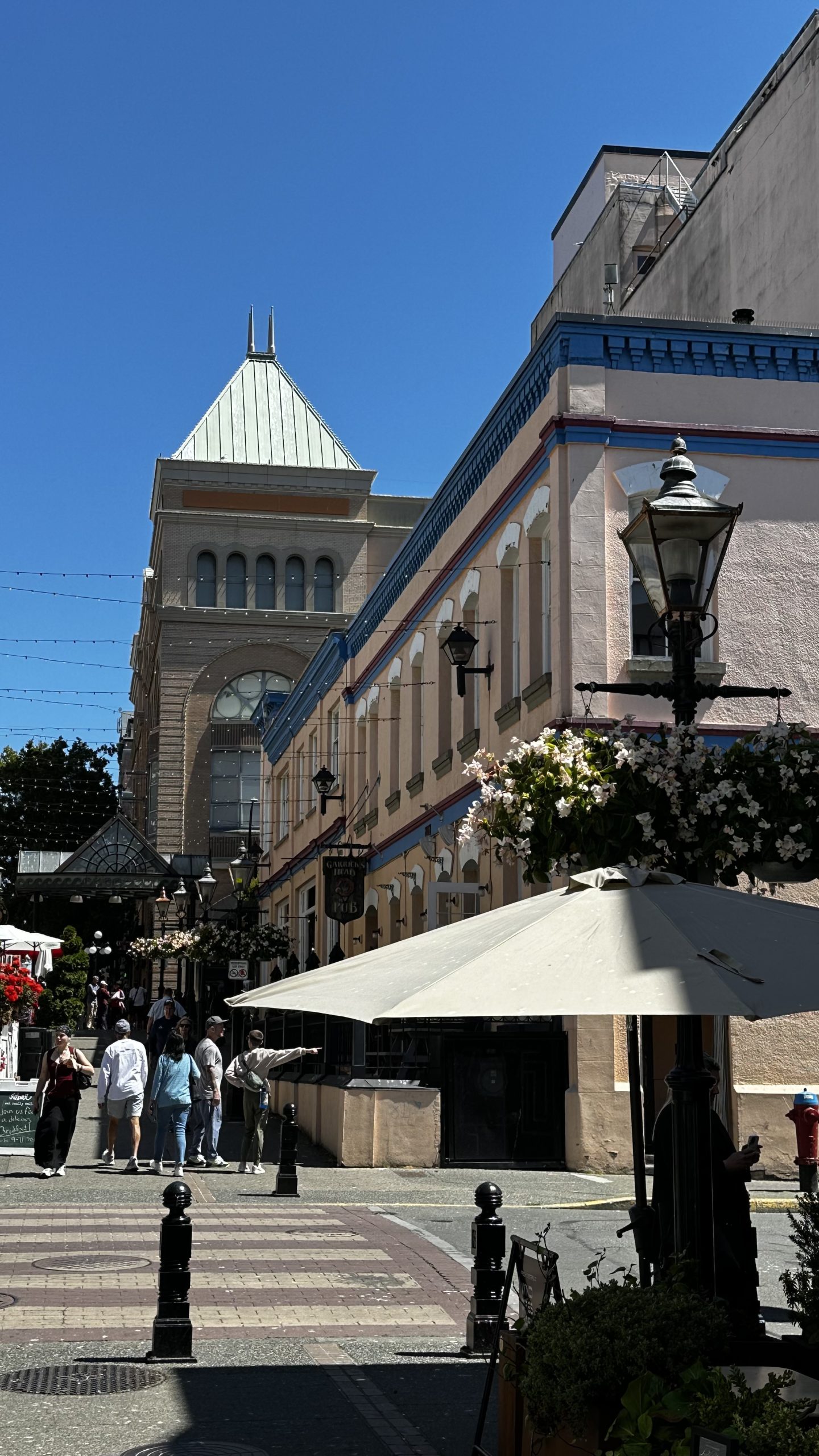
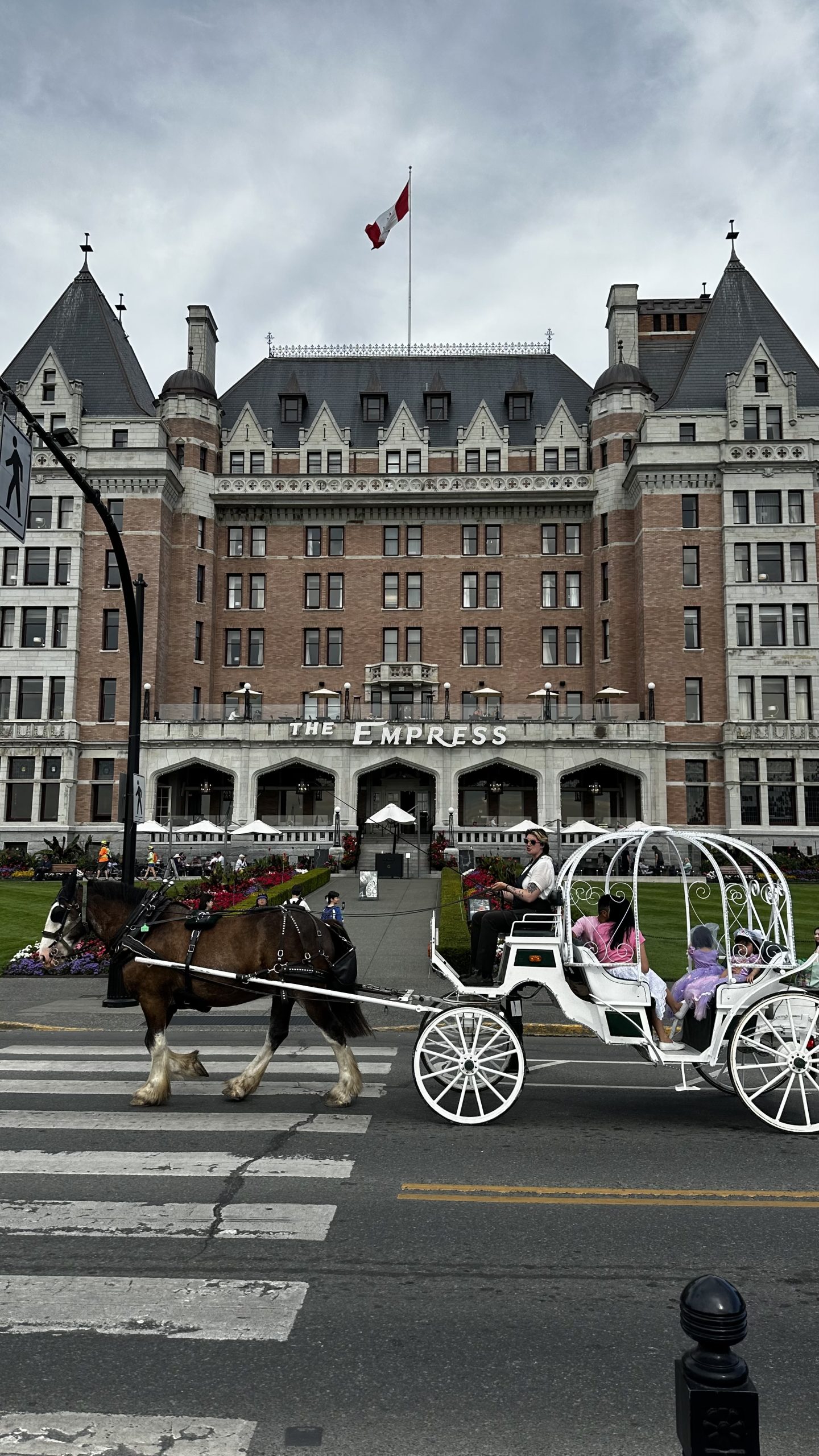
With its attractive Inner Harbour, historic architecture, colorful gardens and distinctly British touches, Victoria feels quite different from most Canadian cities. Afternoon tea at the famous Fairmont Empress is practically an institution, while the waterfront is ideal for simply strolling around and watching the boats and seaplanes come and go.
But my absolute highlight on Vancouver Island was out on the water.
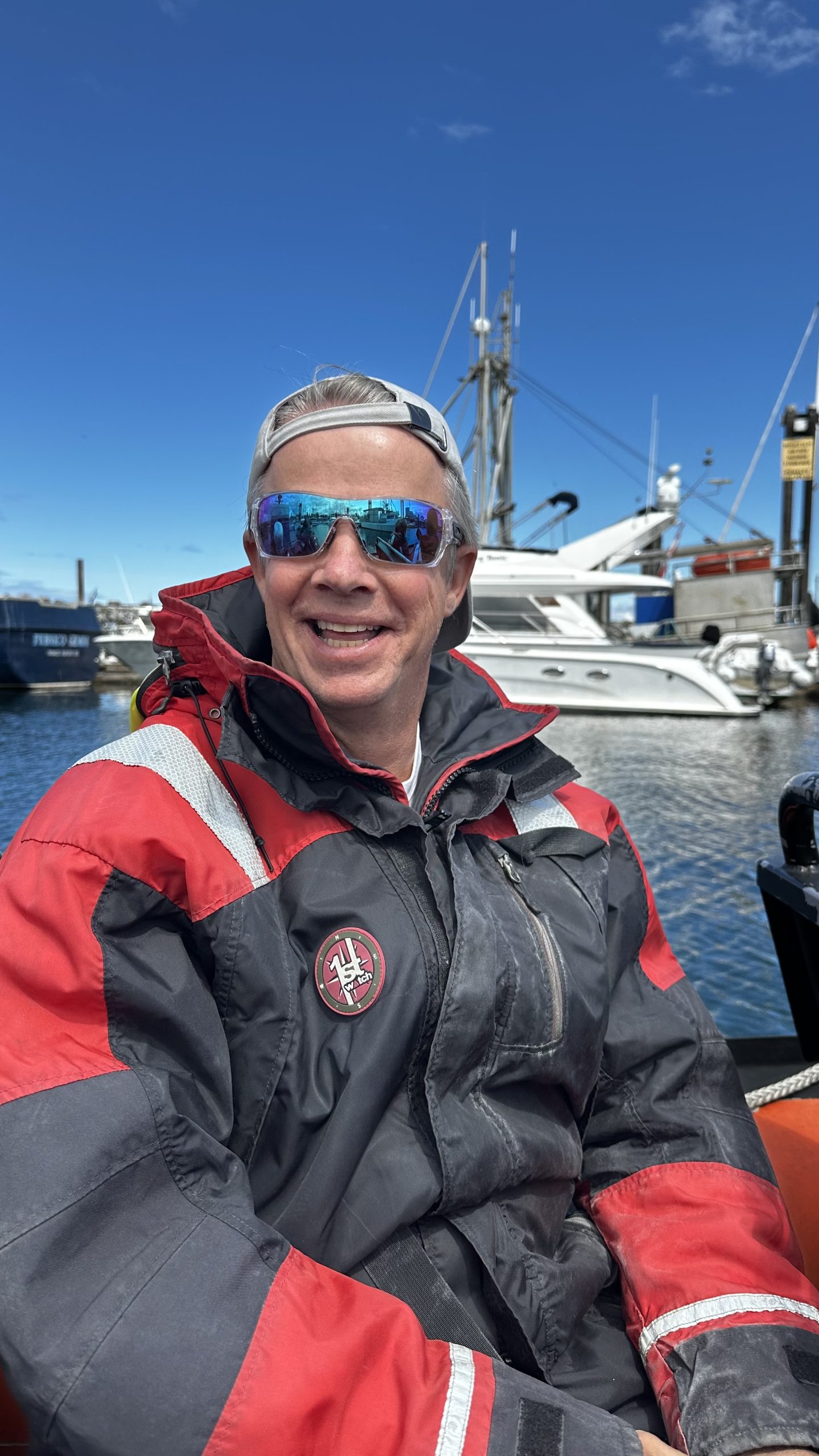
I took two zodiac wildlife tours, one from Parksville – my favorite – and another from Victoria.
And they were extraordinary.
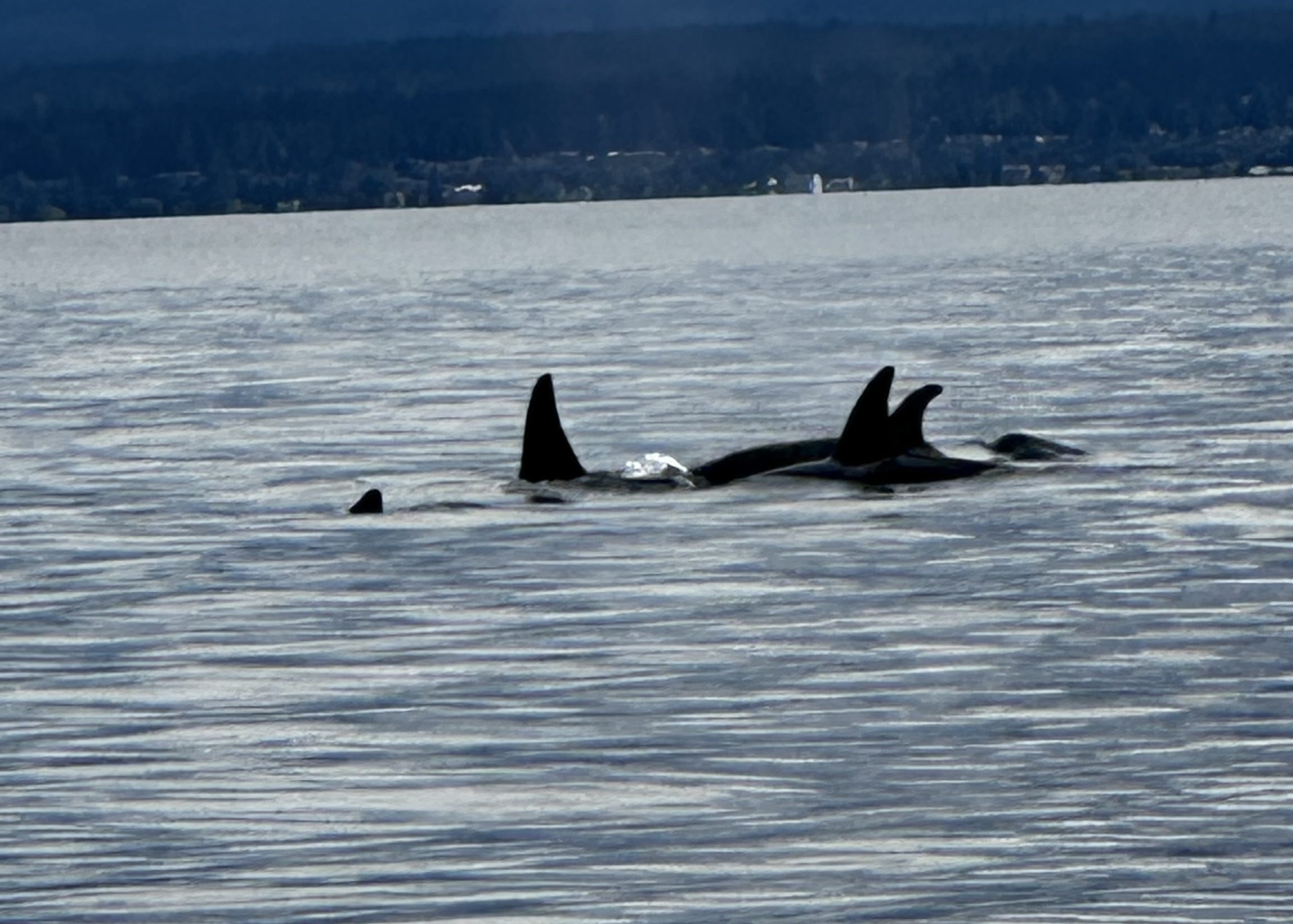
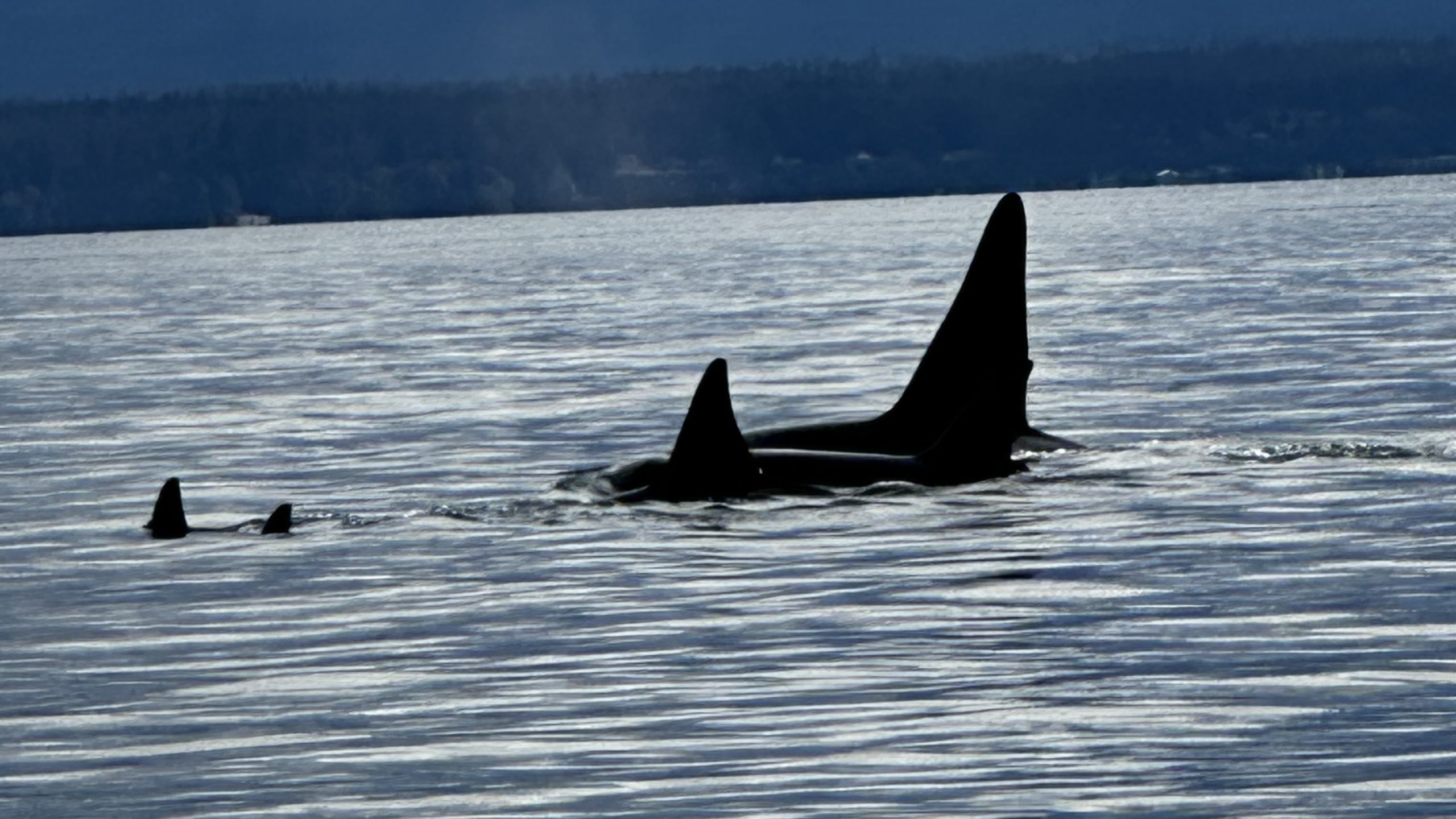
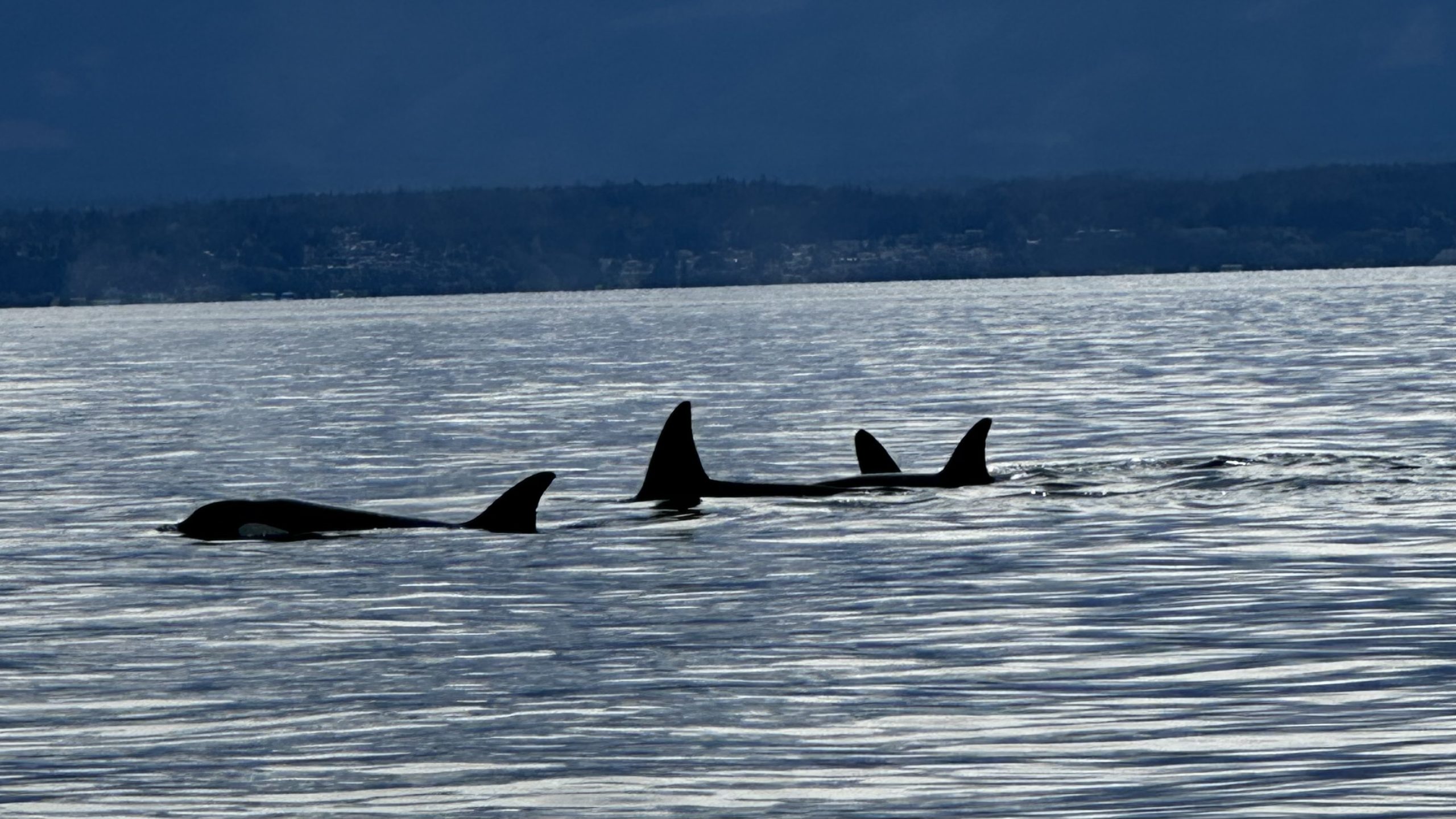
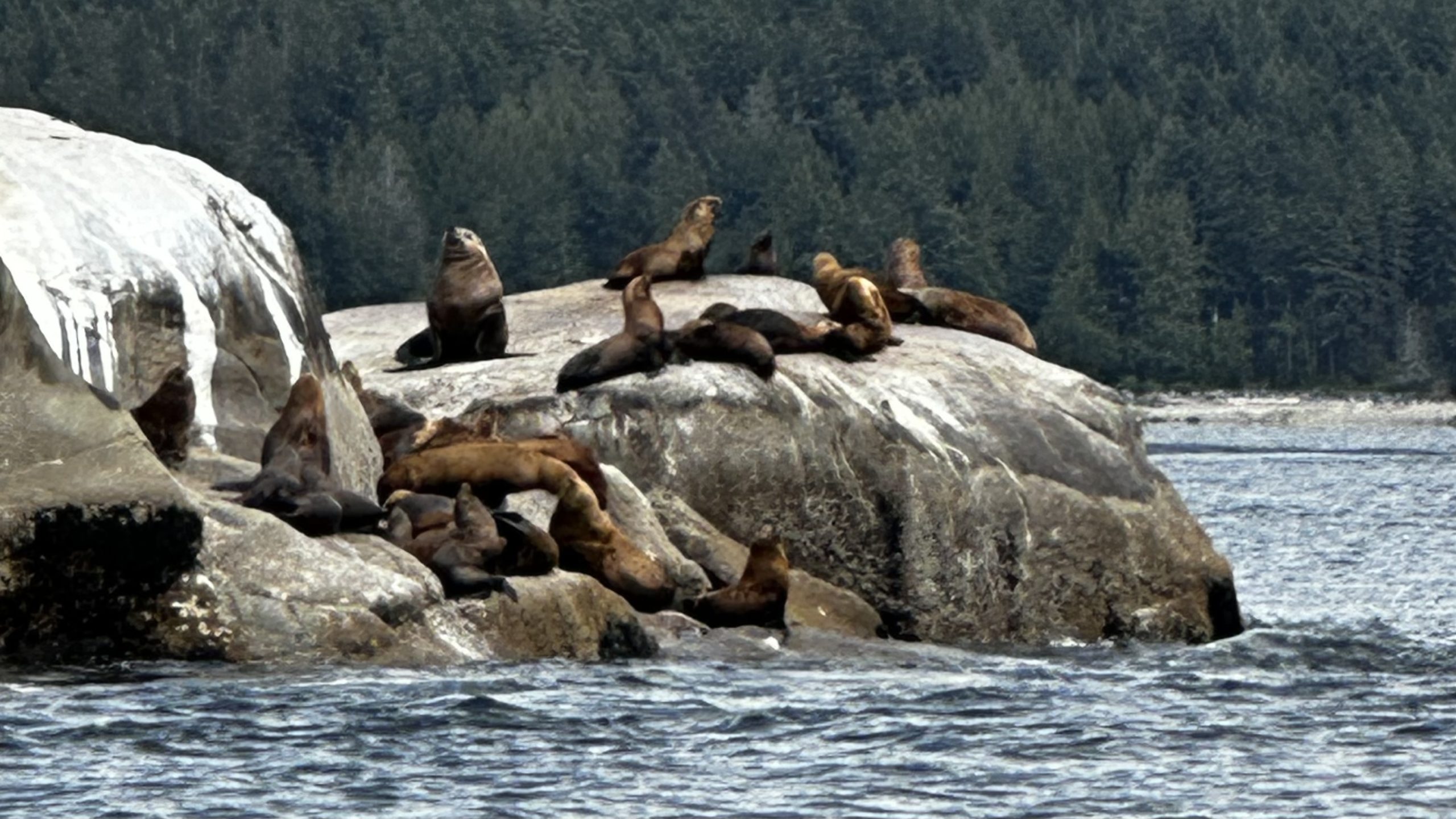
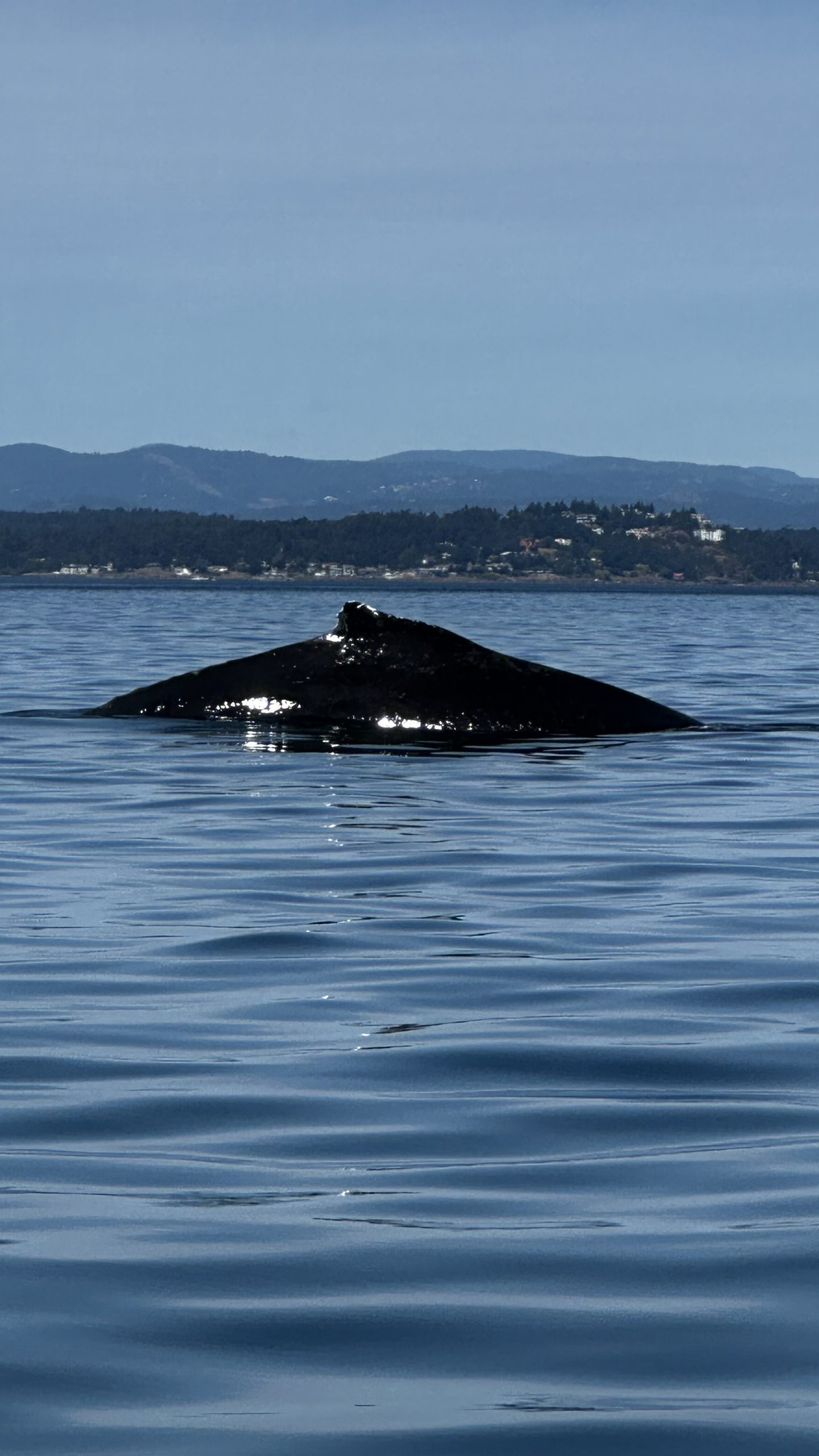
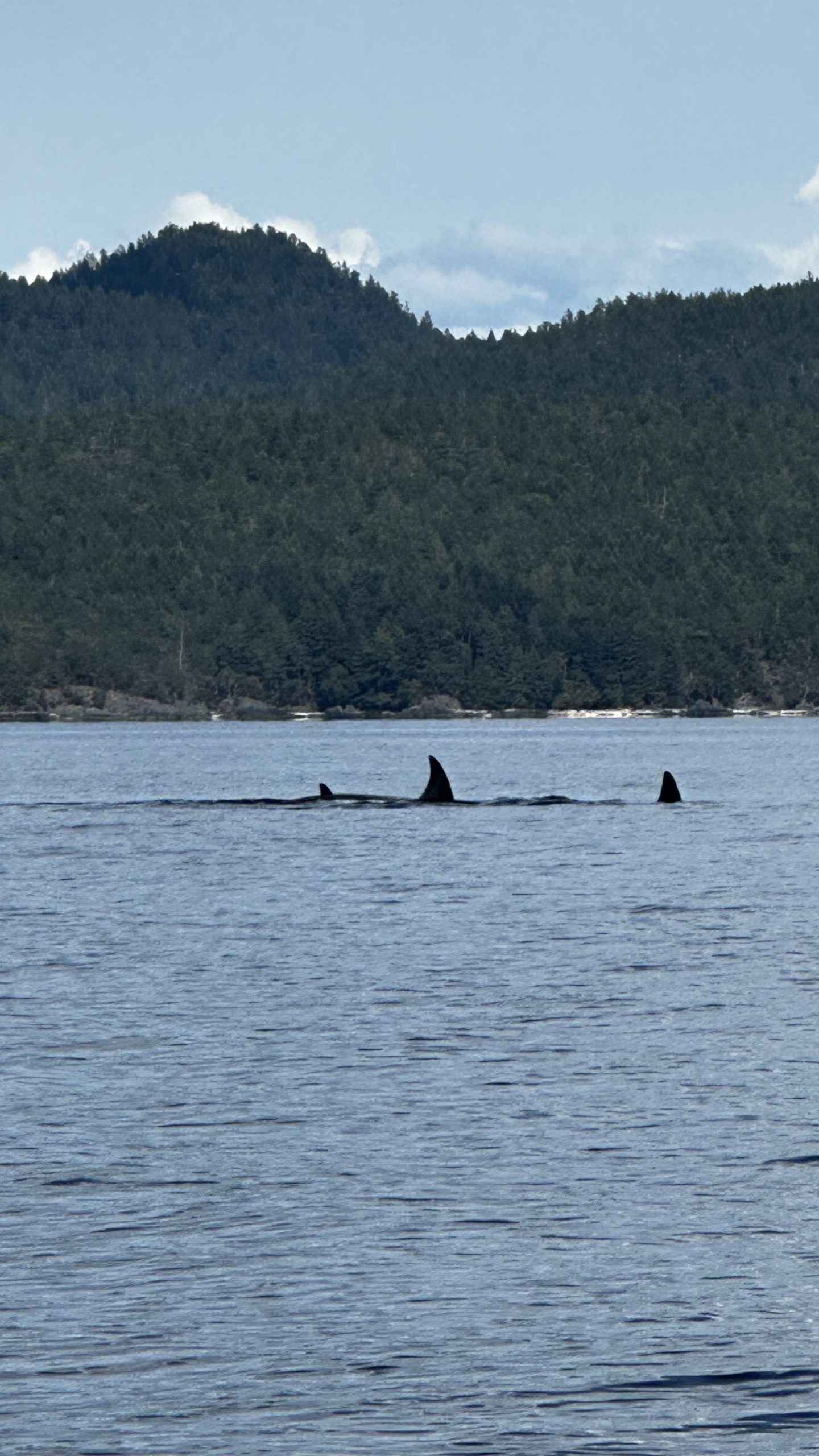
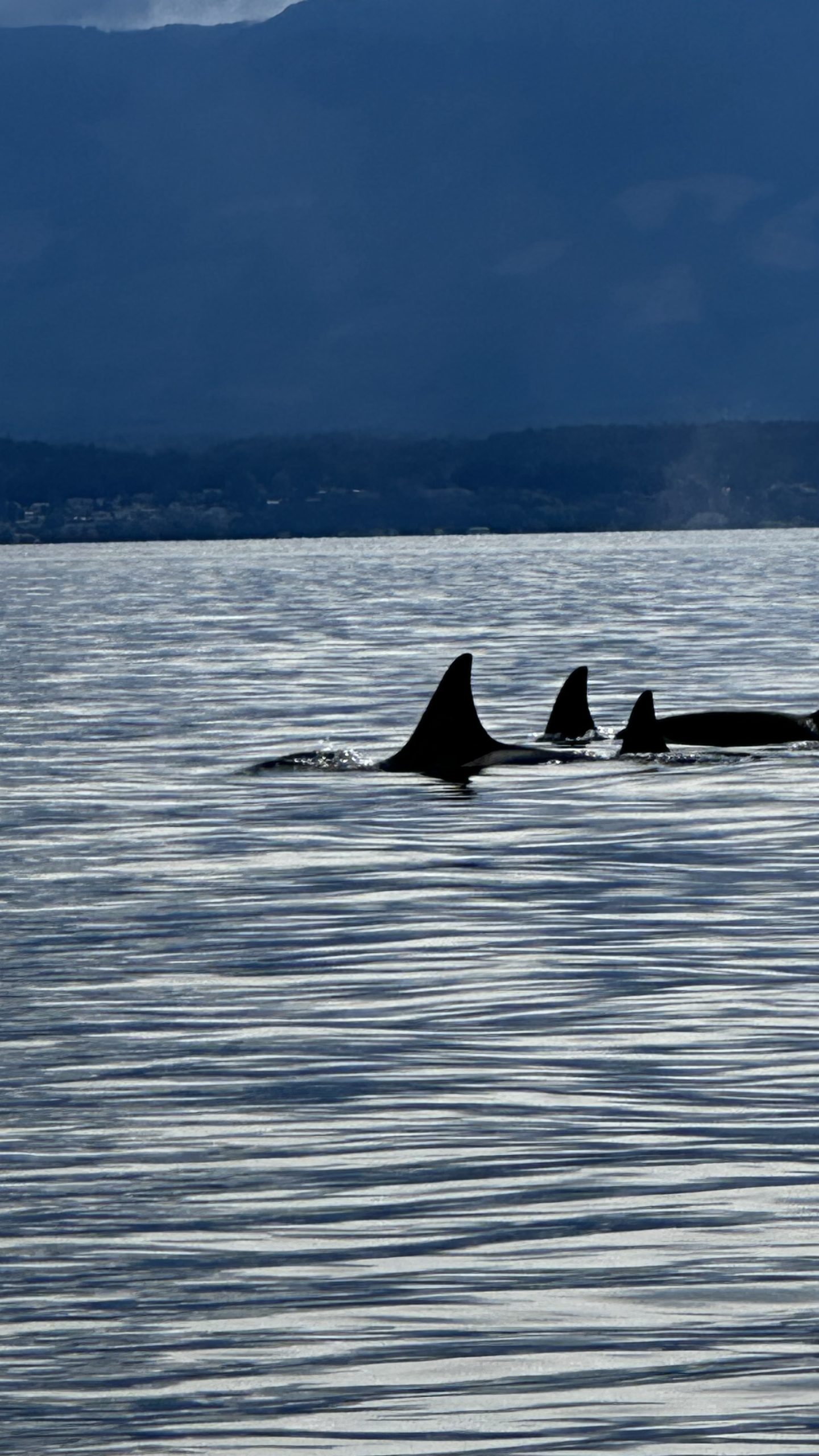
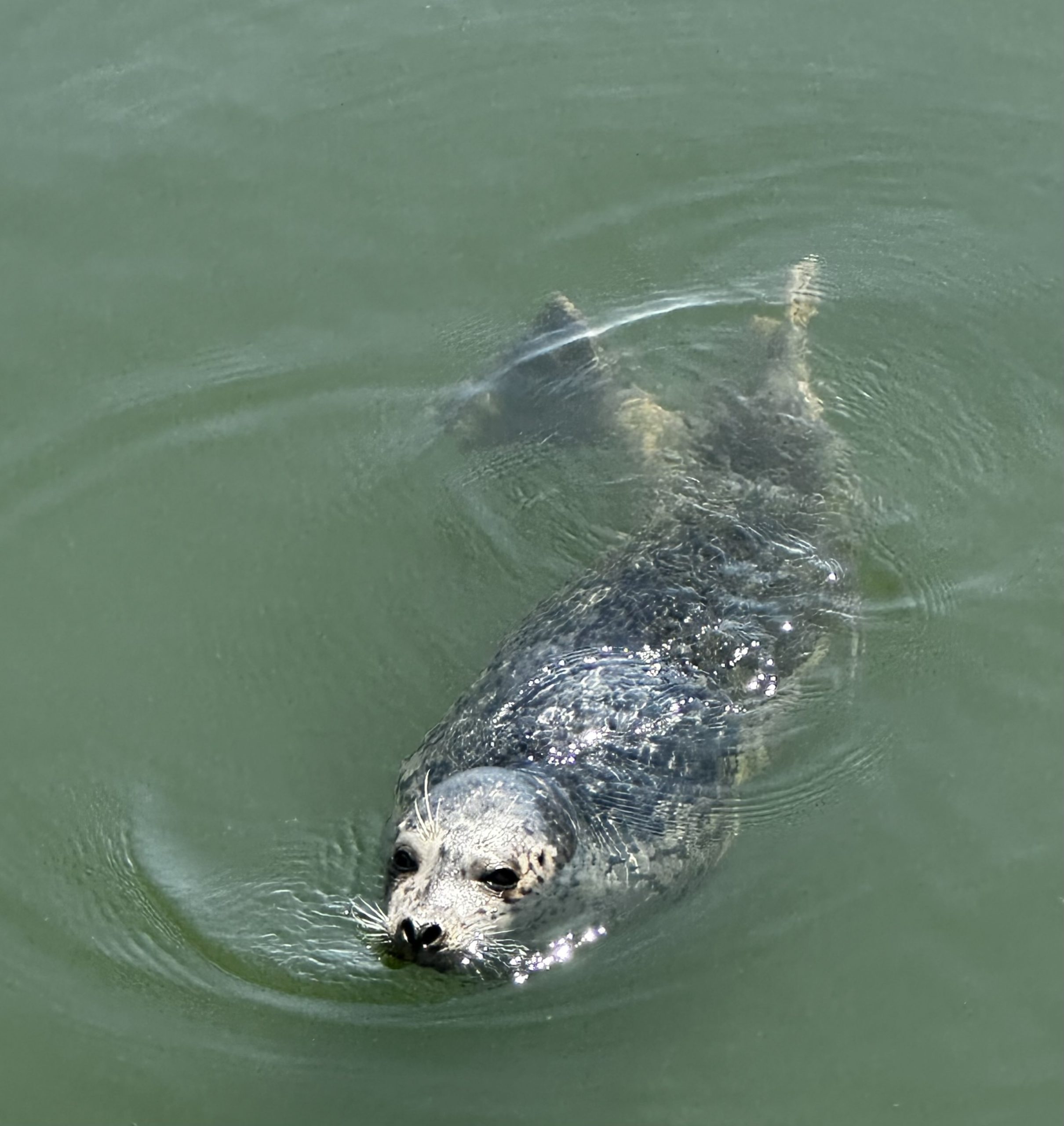
I saw numerous orcas and humpback whales, along with other marine wildlife and seals. At one point there was a humpback whale on one side of our boat and several orcas on the other, some of them actually breaching out of the water.
A truly magnificent experience.
What impressed me almost as much as the wildlife itself was how professionally the tours were operated. There weren’t dozens of boats crowding around the animals, and the guides maintaineda respectful distance unless the whales themselves decided to come closer.
No mass tourism. Professional guides. Respect for the animals.
Bravo.
Filled with joy after those encounters, it was time to move on to the next stage of my journey – and this time, to leave Canada.
Alaska
I took the ferry back to Horseshoe Bay, returned my rental car and made my way to Canada Place Cruise Ship Terminal in Vancouver.
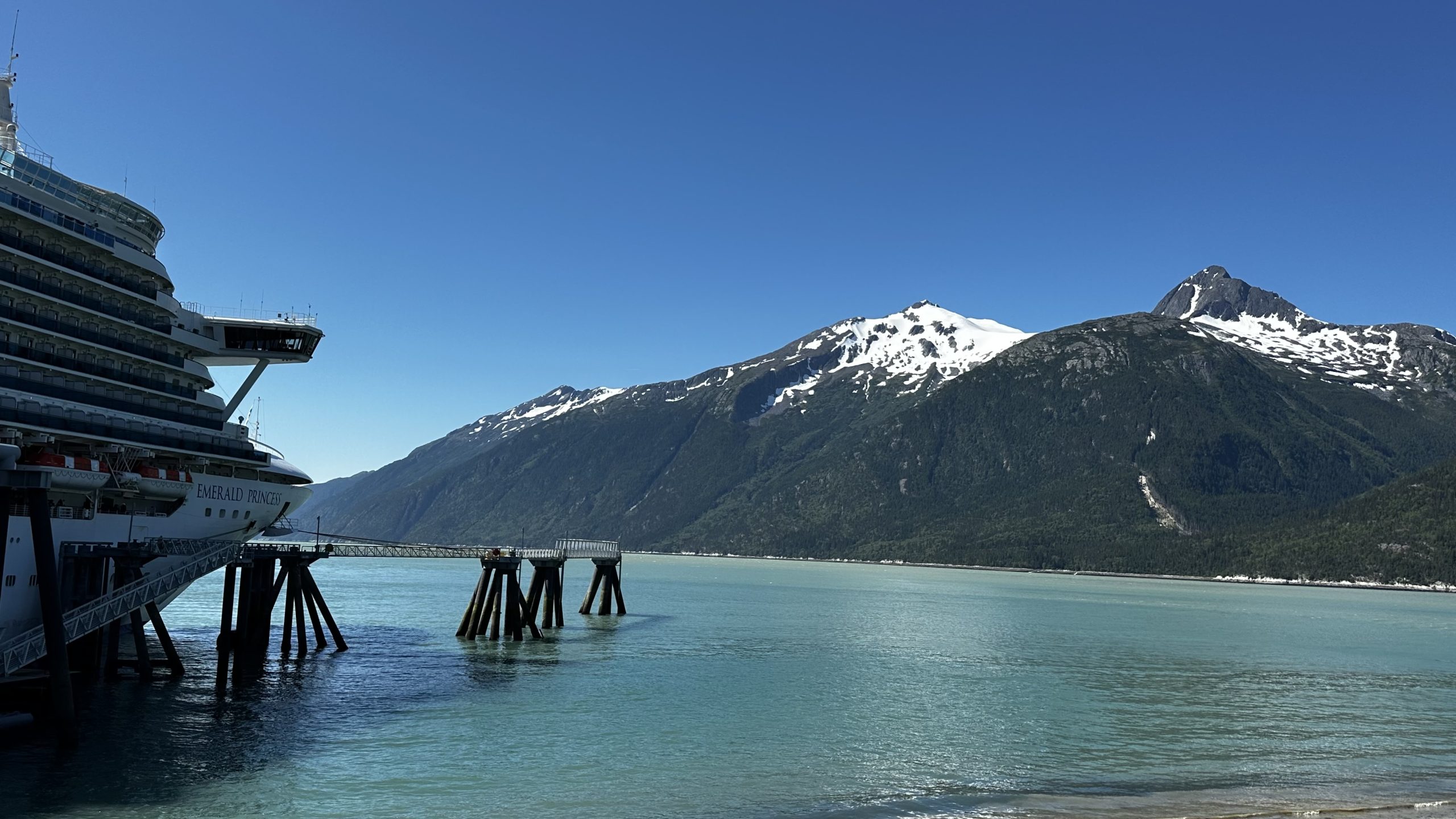
There I boarded the Emerald Princess for a one-week cruise to Alaska.
I had a comfortable mini-suite and found the ship perfectly fine, although perhaps not quite ascomfortable as the Mein Schiff vessels I know from previous Caribbean cruises.
But for me, cruising isn’t primarily about the ship.
It’s about the destination.
And Alaska is spectacular.
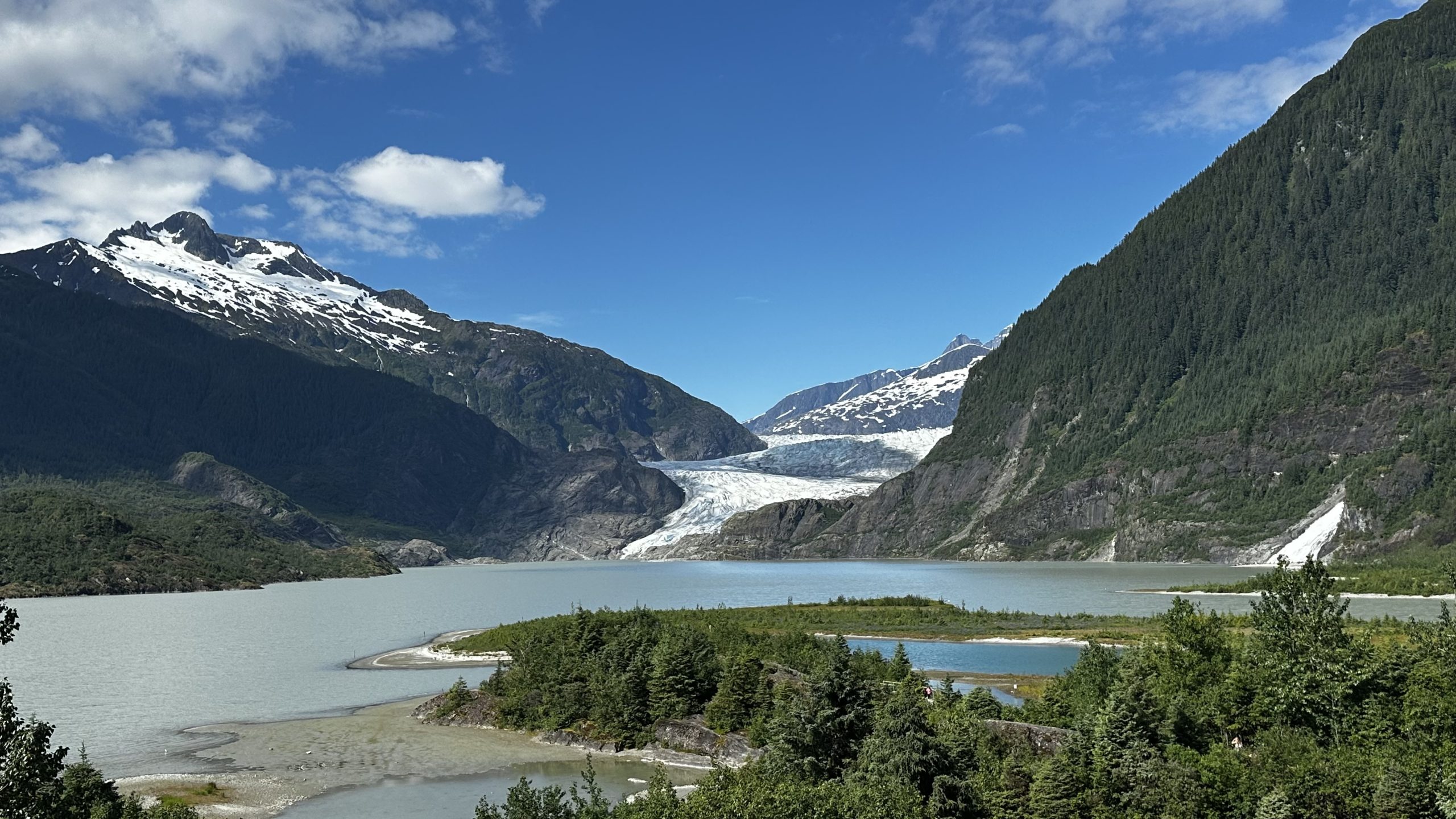
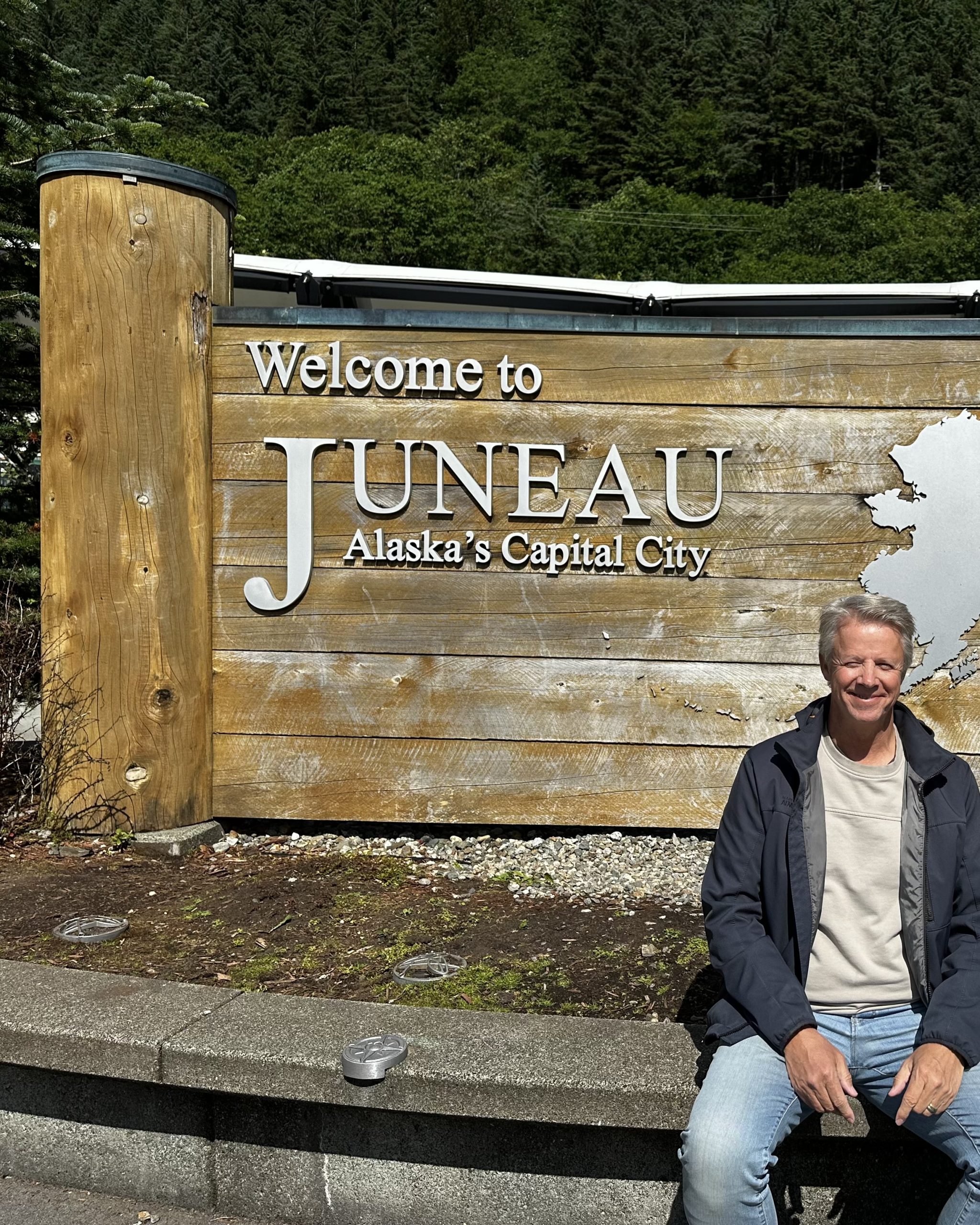
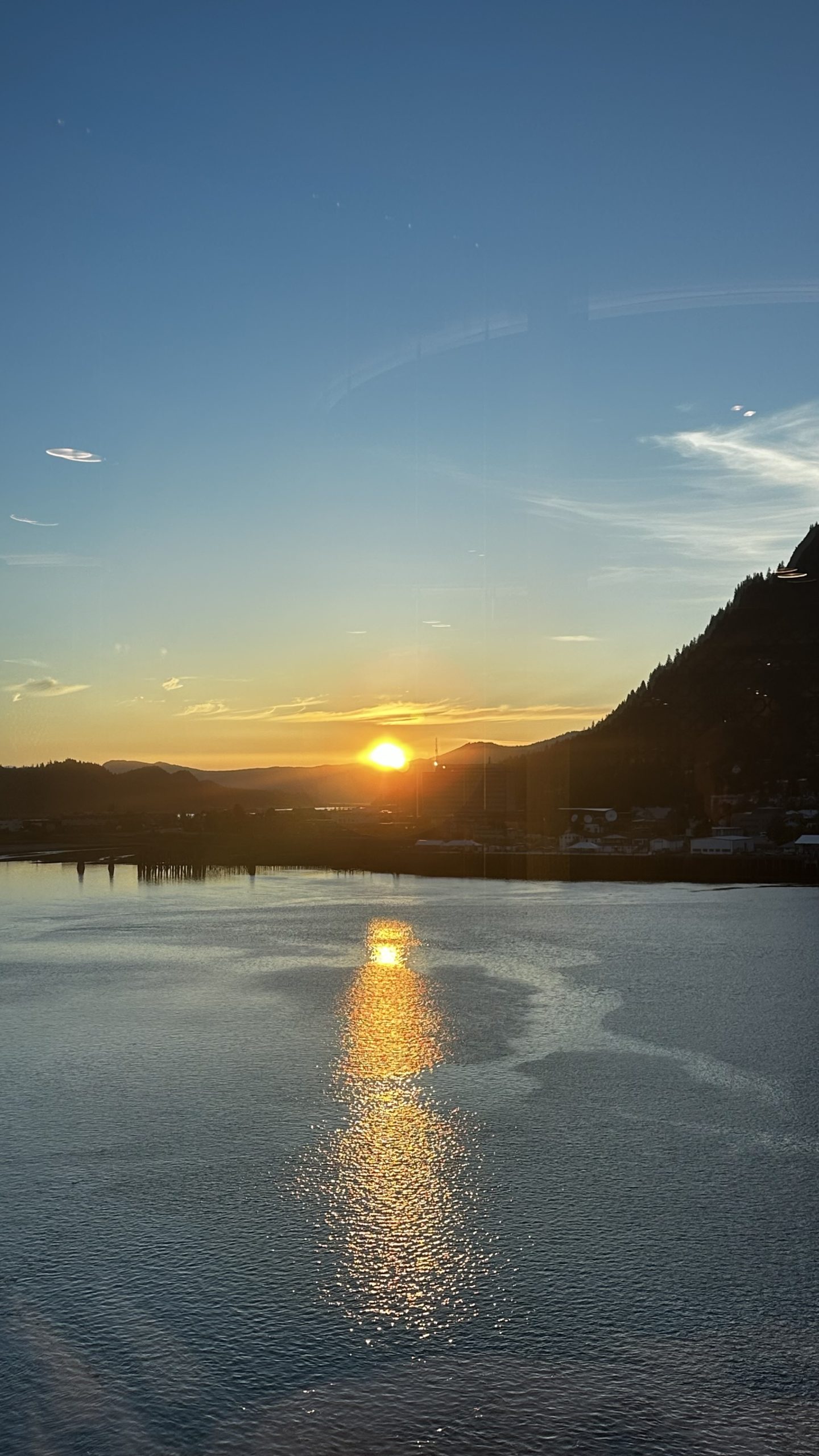
After a day at sea, our first stop was Juneau, Alaska’s capital.
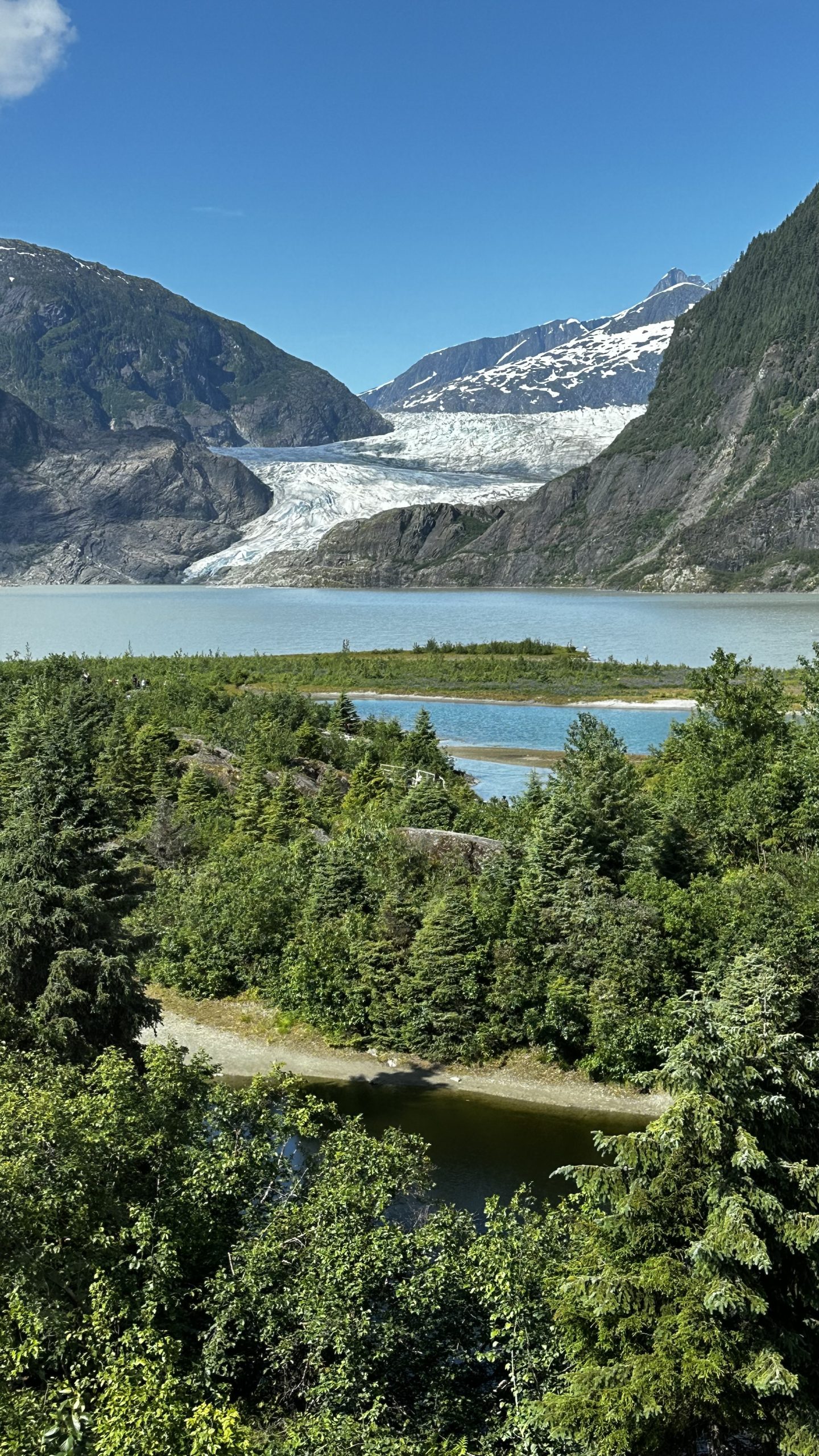
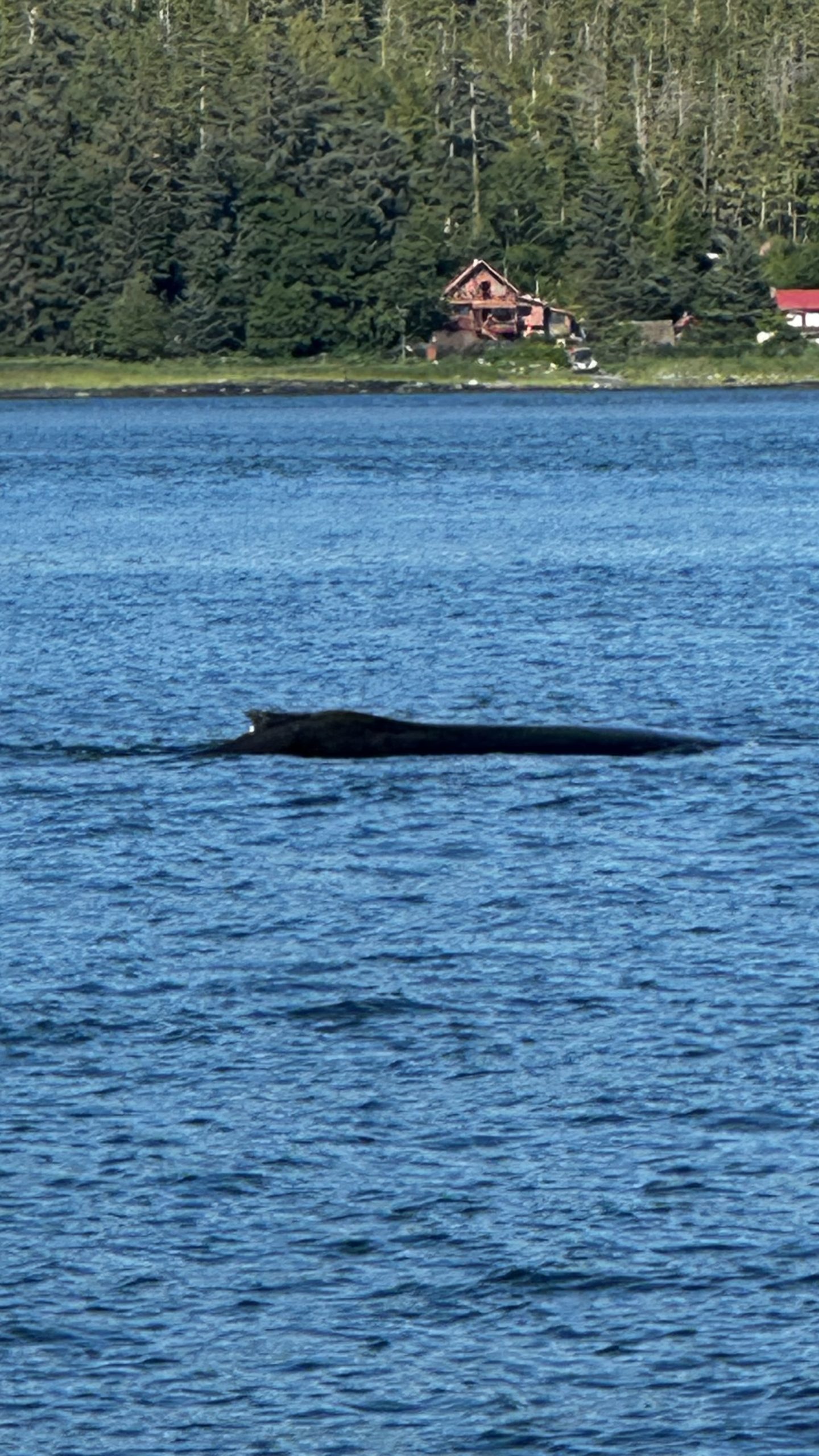
I had booked an excursion to the beautiful Mendenhall Glacier followed by – surprise, surprise – another whale-watching tour.
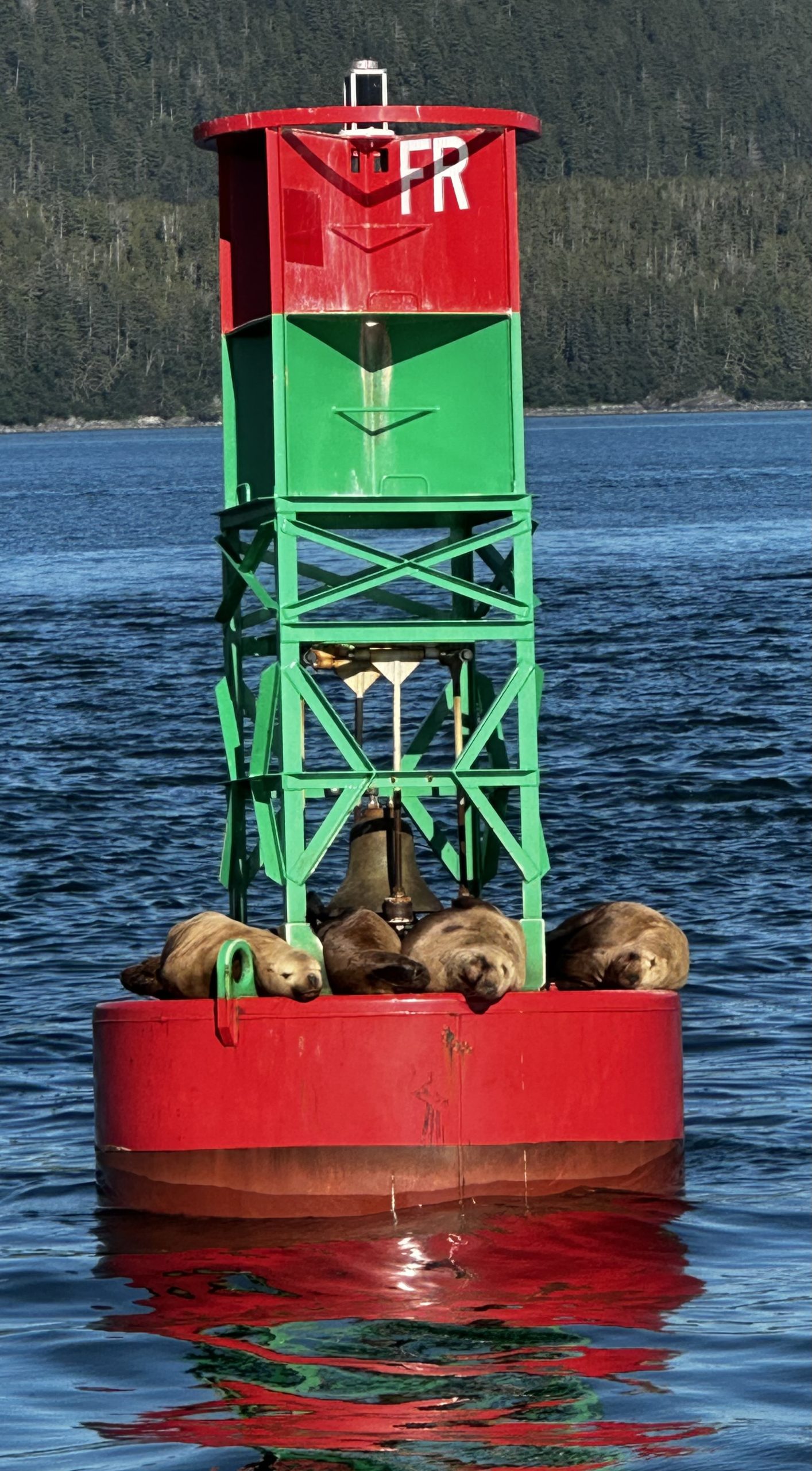
This time it wasn’t a zodiac but a conventional boat with a larger group of passengers. Nevertheless, I thoroughly enjoyed it. We spotted several humpback whales as well as a group of seals happily basking on a buoy.
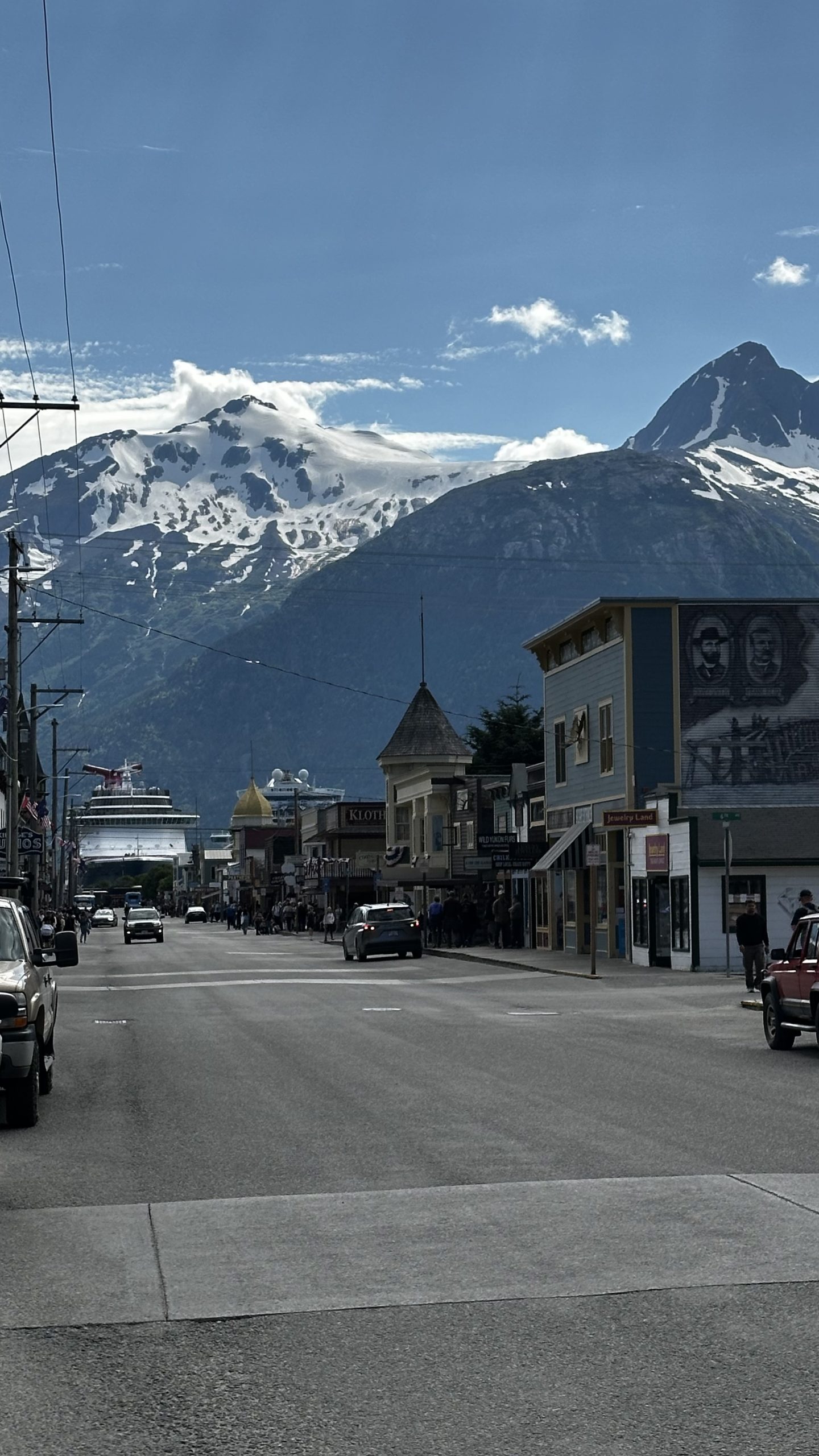
Our second stop was Skagway, where things became considerably faster.
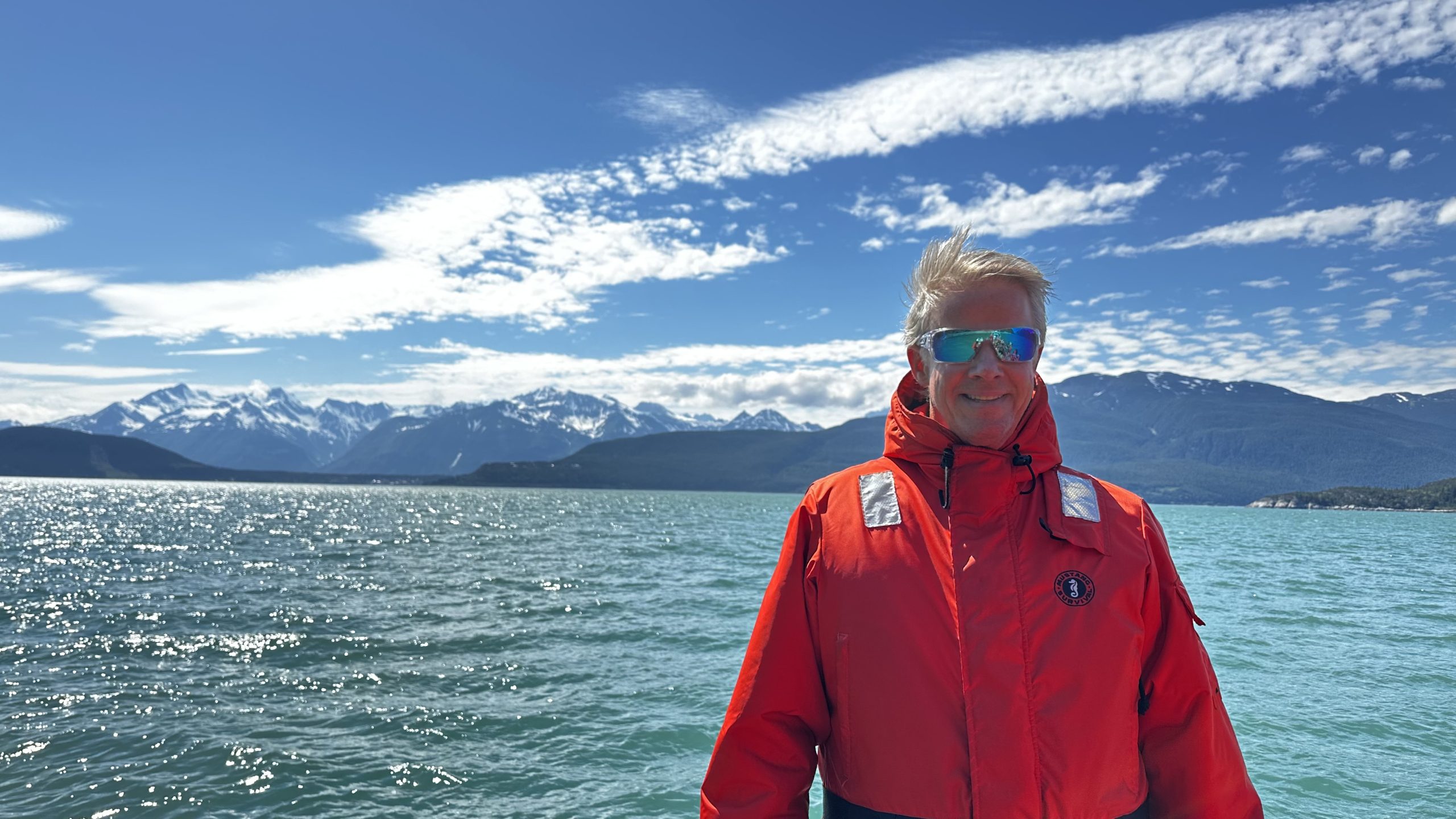
I joined an ocean-raft adventure along the coast, once again in a zodiac – except this time the objective wasn’t quietly watching whales. The boat raced across the water at full speed, with sudden turns designed to satisfy the thrill seekers among us.
Great fun.
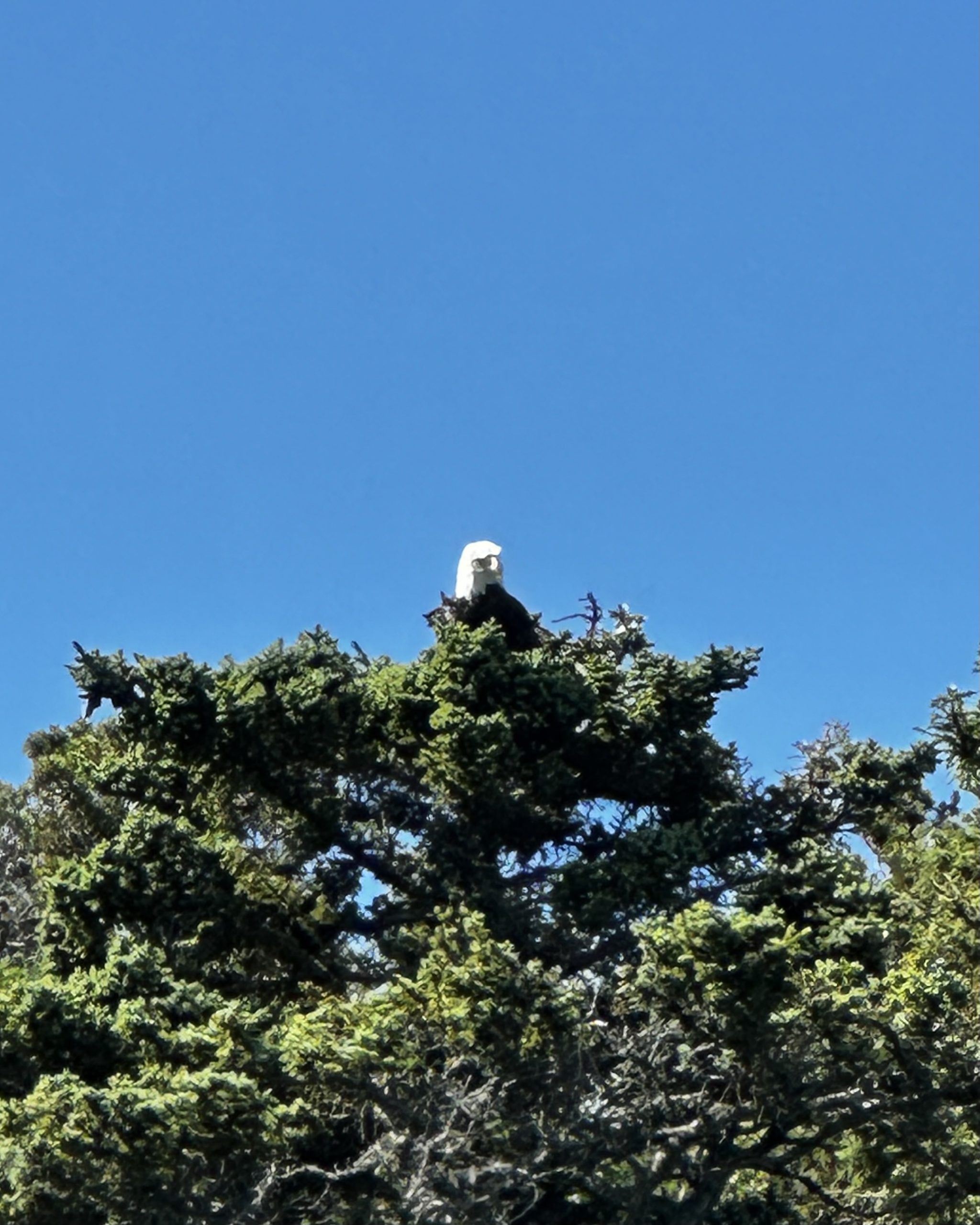
Along the way we saw plenty of majestic bald eagles, and whenever wildlife appeared, our guide slowed the boat, so everyone had time to enjoy the moment and take photographs.
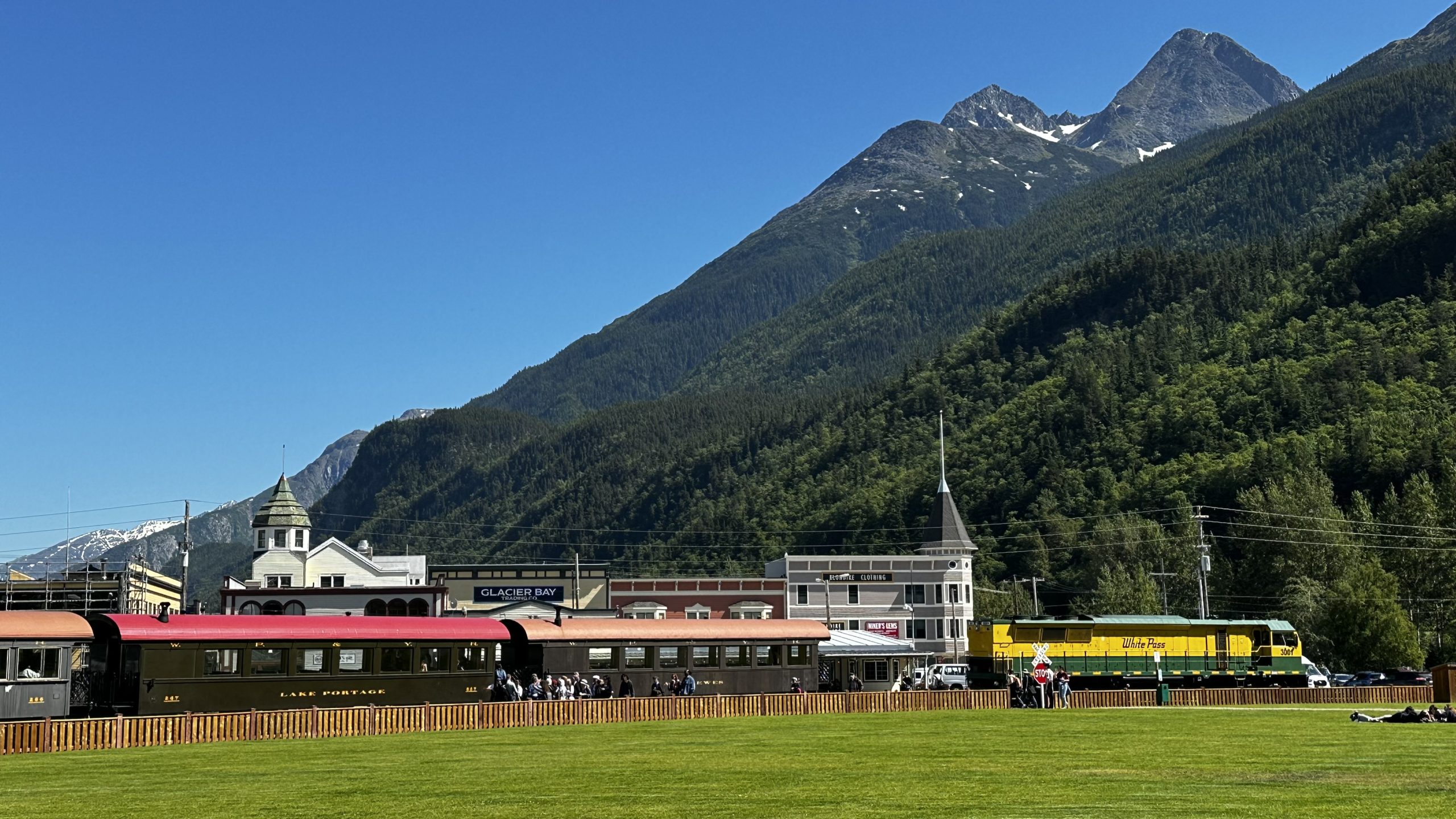
There was also enough time afterwards to explore Skagway itself. The town is the starting point for several spectacular scenic railway journeys and initially looks extremely charming, with its colorful historic-style buildings.
After a while, though, I couldn’t quite shake the feeling that I had wandered into a theme park created especially for cruise passengers – one souvenir shop after another.
One thing you shouldn’t miss, however, is Alaskan fry bread at Doughboy: a large, flat piece of yeast dough, freshly deep-fried and covered in cinnamon and sugar.
Think of it as a very big, very flat churro.
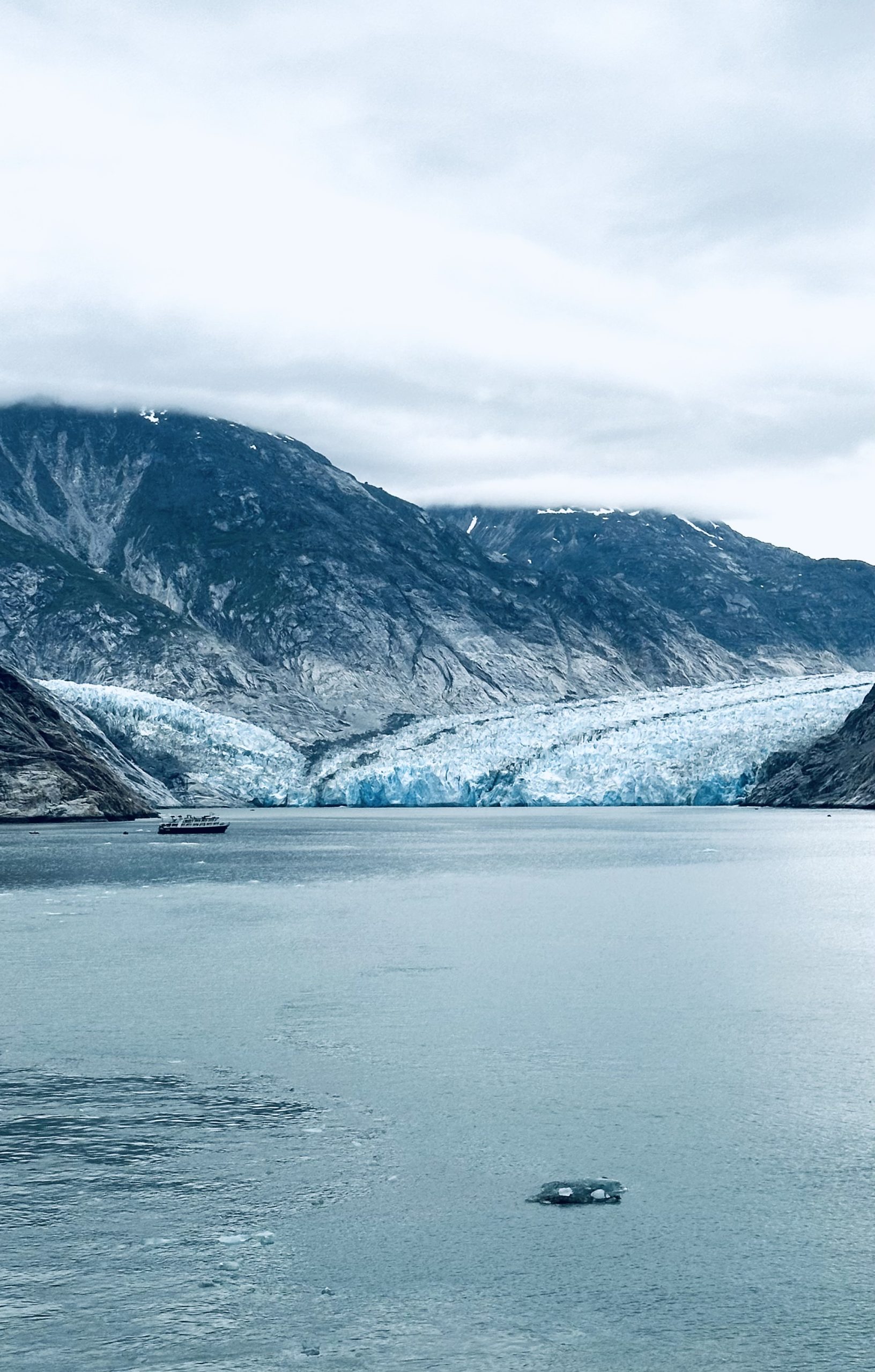
The following day, the Emerald Princess sailed through Endicott Arm towards Dawes Glacier.
This was one occasion when I was particularly happy to have booked a mini-suite. Rather than joining the crowds on deck, I could simply sit on my balcony and watch the dramatic scenery pass by – mountains, waterfalls, floating ice and the occasional seal drifting past on an ice floe.
Not a bad way to spend a morning.
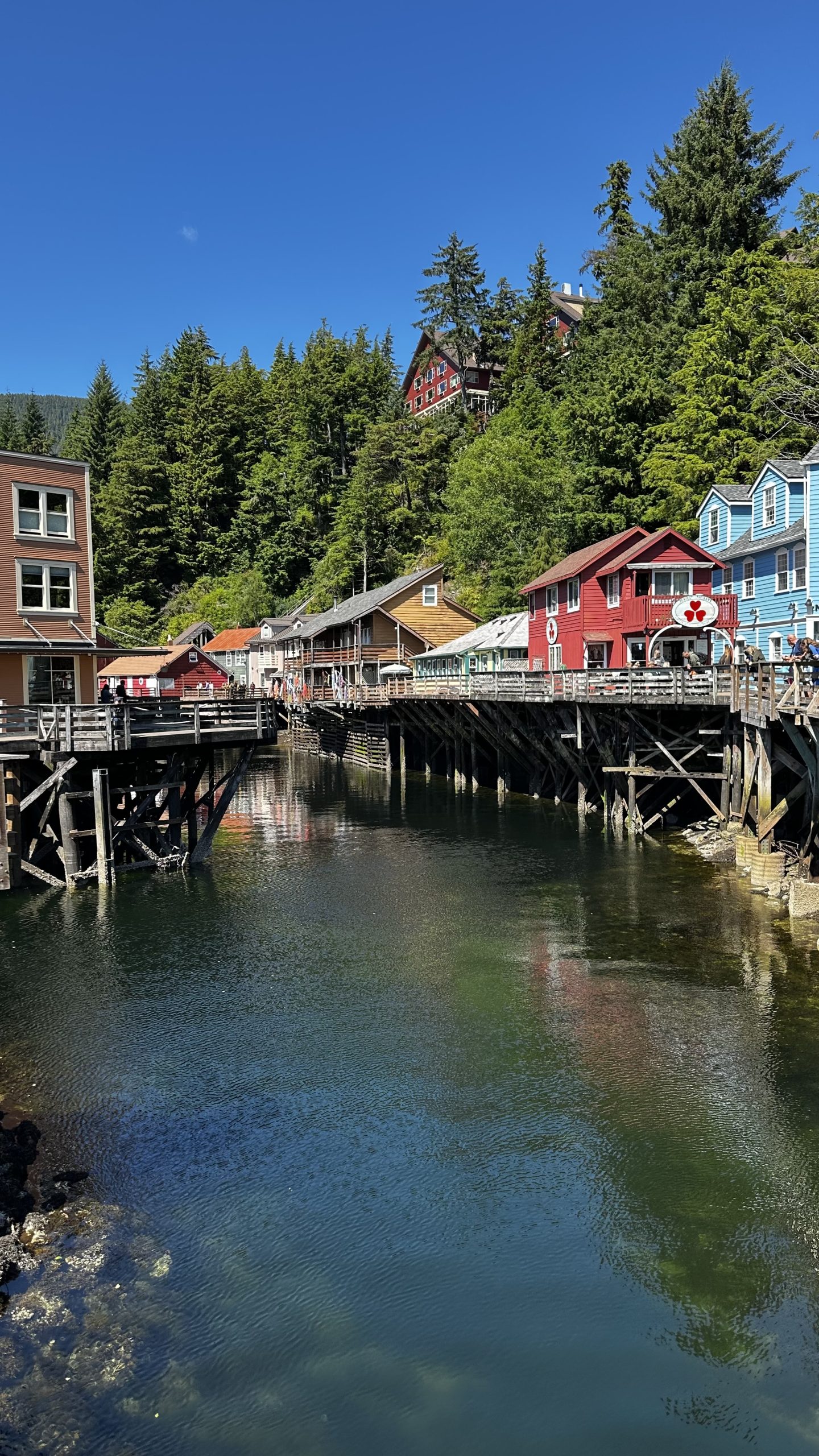
Our final Alaskan stop was Ketchikan, often referred to as Alaska’s “First City” because of its location at the southern entrance to the Inside Passage.
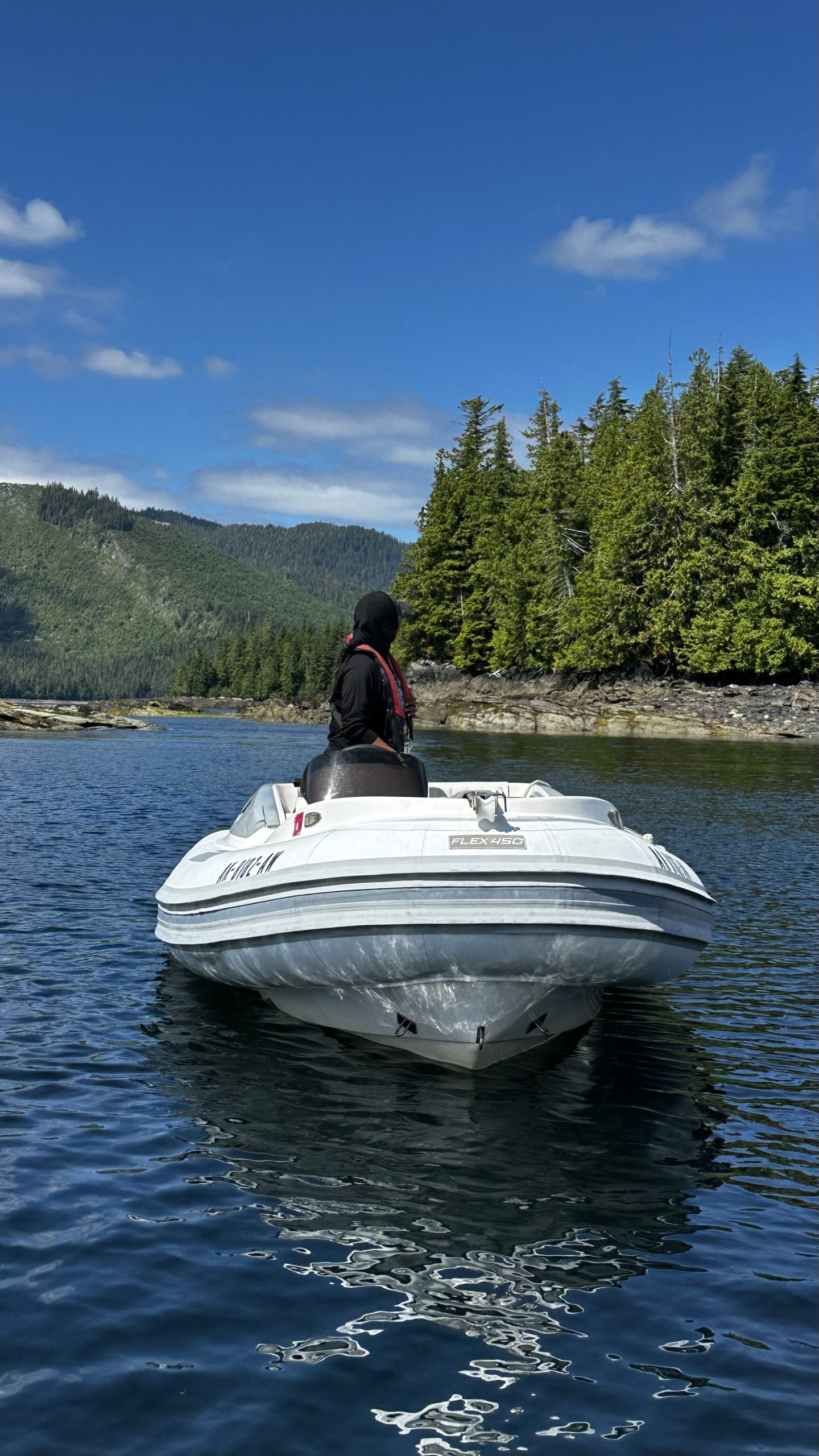
And yes – I went on another zodiac excursion.
This one, however, was completely different.
It was self-driving.
With two to four people in each zodiac, we took turns piloting our own boats through the spectacular George Inlet Fjords.
Once again, the scenery was beautiful. At one point a bald eagle swooped down and caught a fish right in front of our boat.
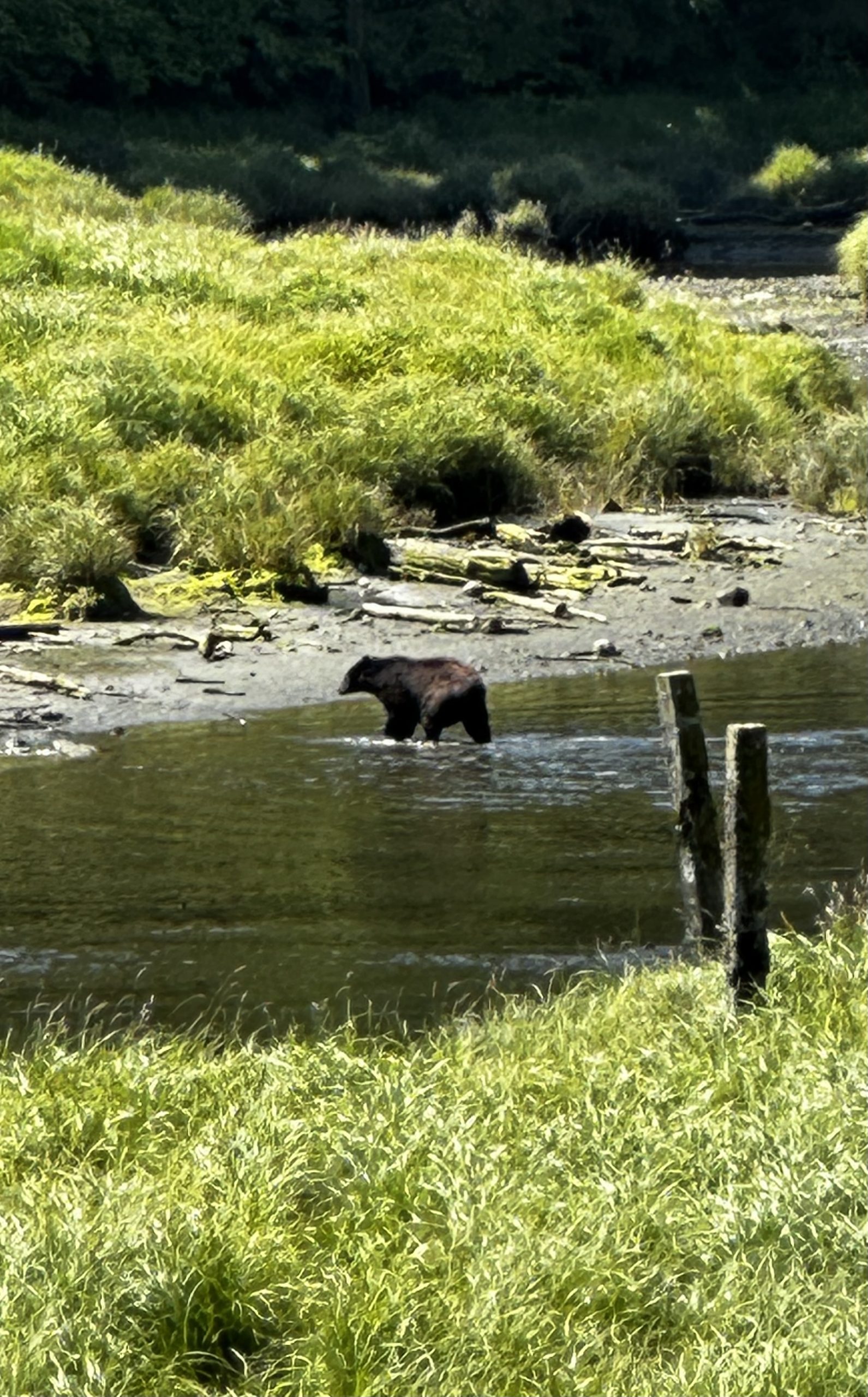
And on our way back towards Ketchikan, we stopped near a river where we spotted a bear fishing– far enough away to feel perfectly safe, but close enough to enjoy the view.
Then came another relaxing day at sea before the ship headed back towards Vancouver.
Before leaving home, I had been watching the weather forecast with growing concern: temperatures of only 12–14°C and plenty of rain were predicted.
Reality couldn’t have been more different.
I was incredibly lucky, enjoying sunshine and temperatures above 20°C much of the time.
The Alaska cruise was definitely one of the many highlights of this journey.
Vancouver
It would have been a shame to arrive in Vancouver – and eventually fly home from there – without actually taking the time to explore the city.
So, I gave myself another two days.
And I’m glad I did.
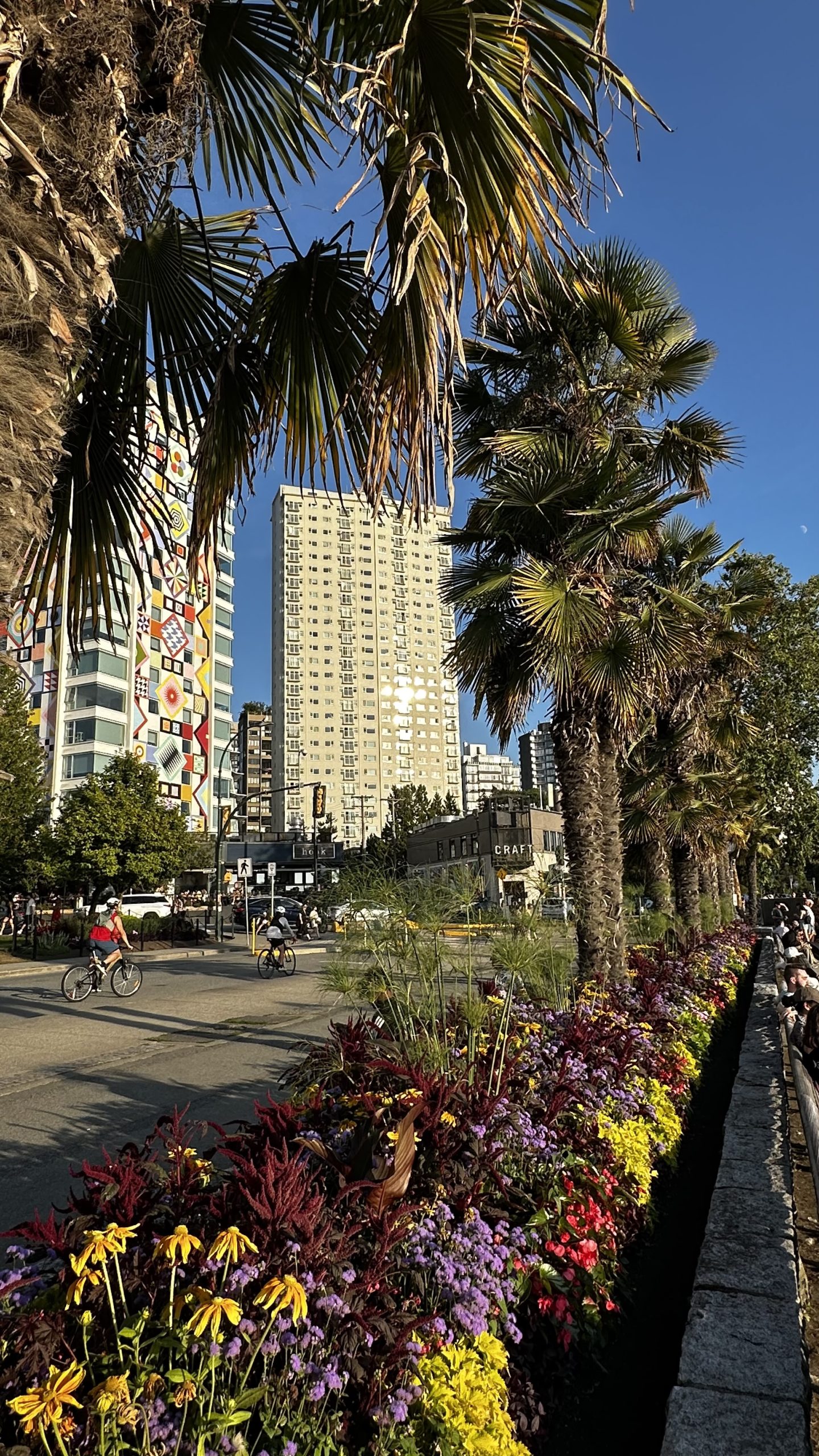
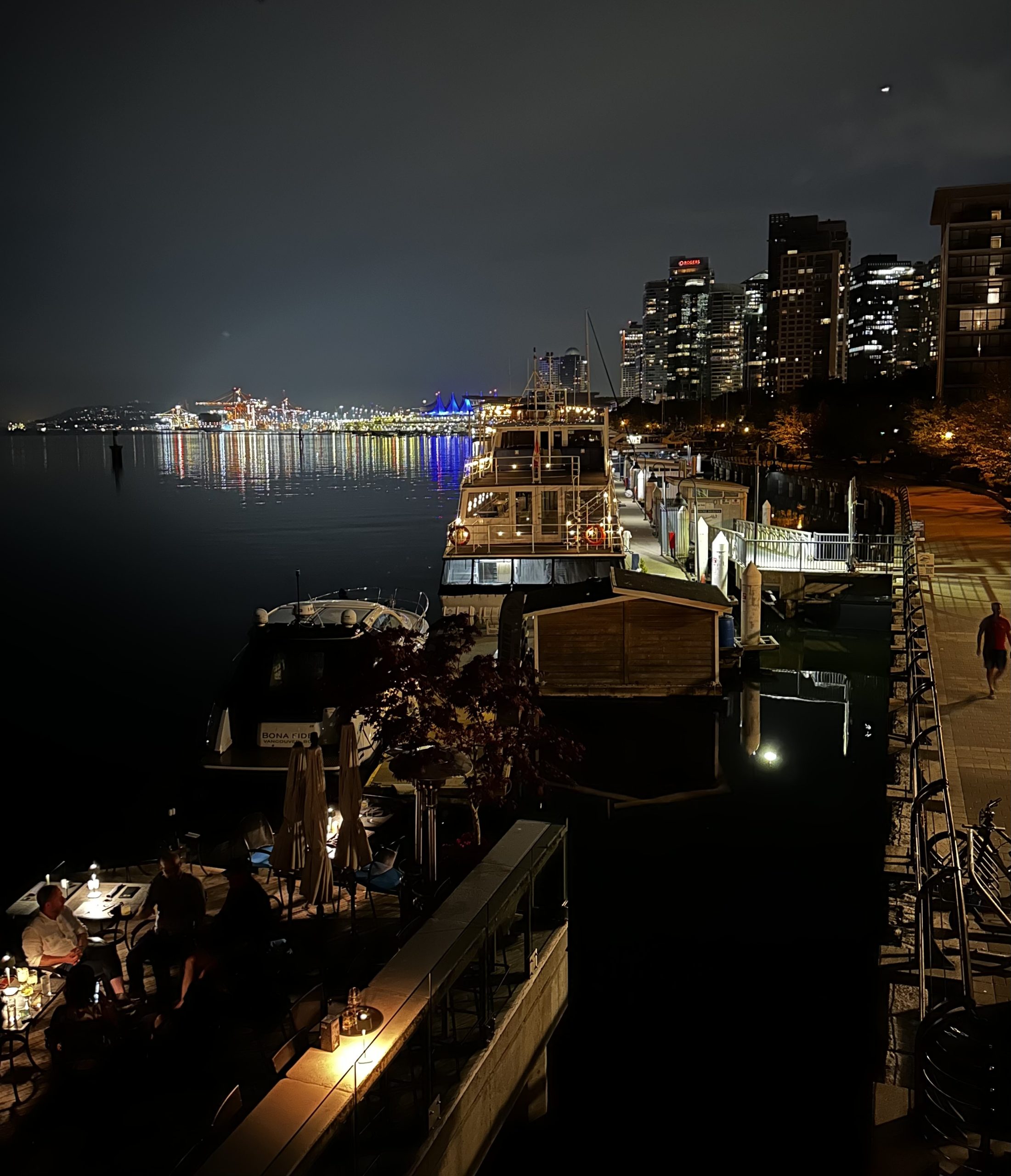
Vancouver has an enviable combination of big-city life and immediate access to nature. Mountains rise behind the skyline, beaches sit minutes from downtown and the harbor seems to be constantly alive with boats and seaplanes.
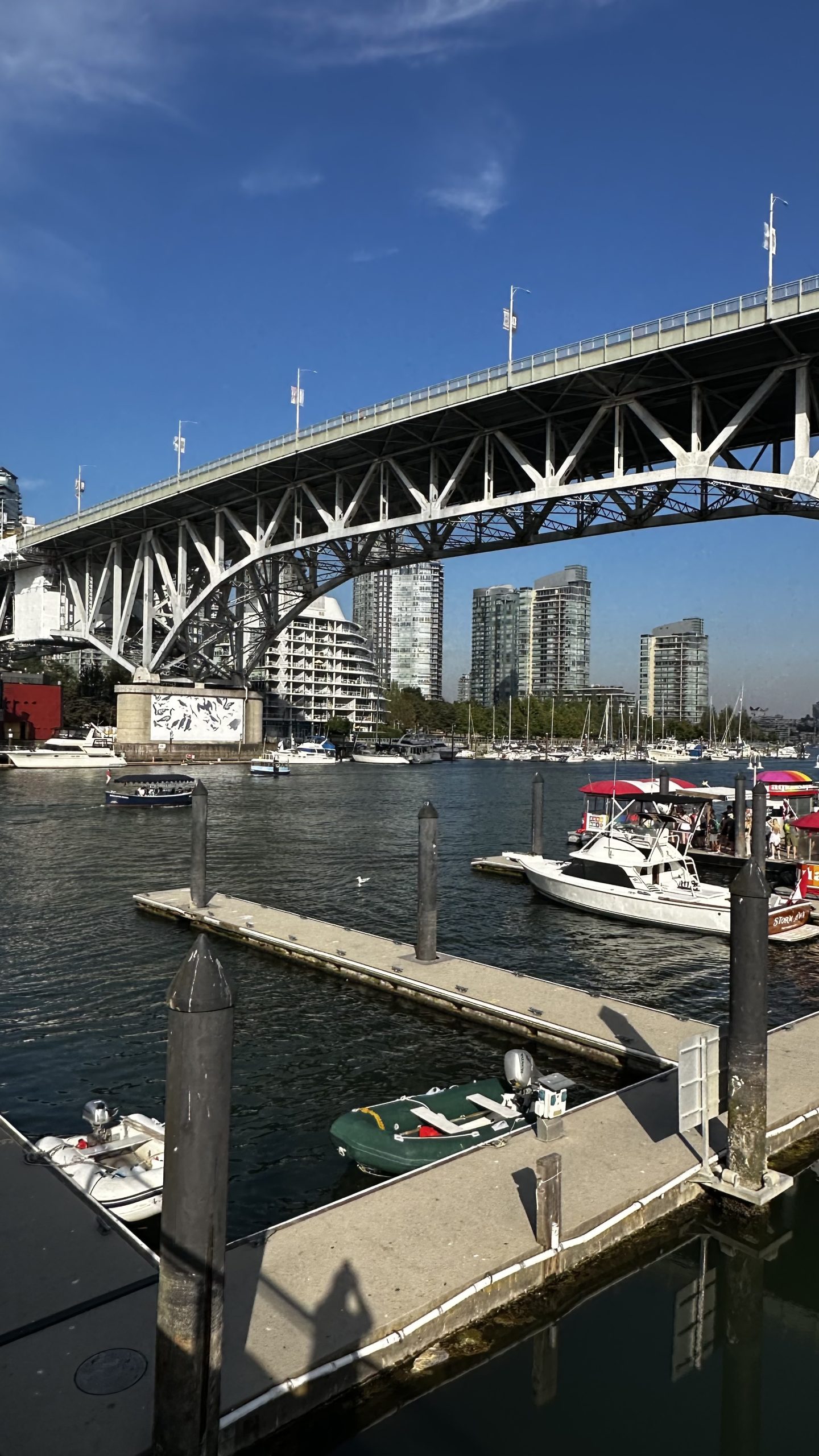
I particularly enjoyed walking through Stanley Park, one of the great urban parks of North America, and exploring Granville Island, with its market, small shops, restaurants and waterfront atmosphere.
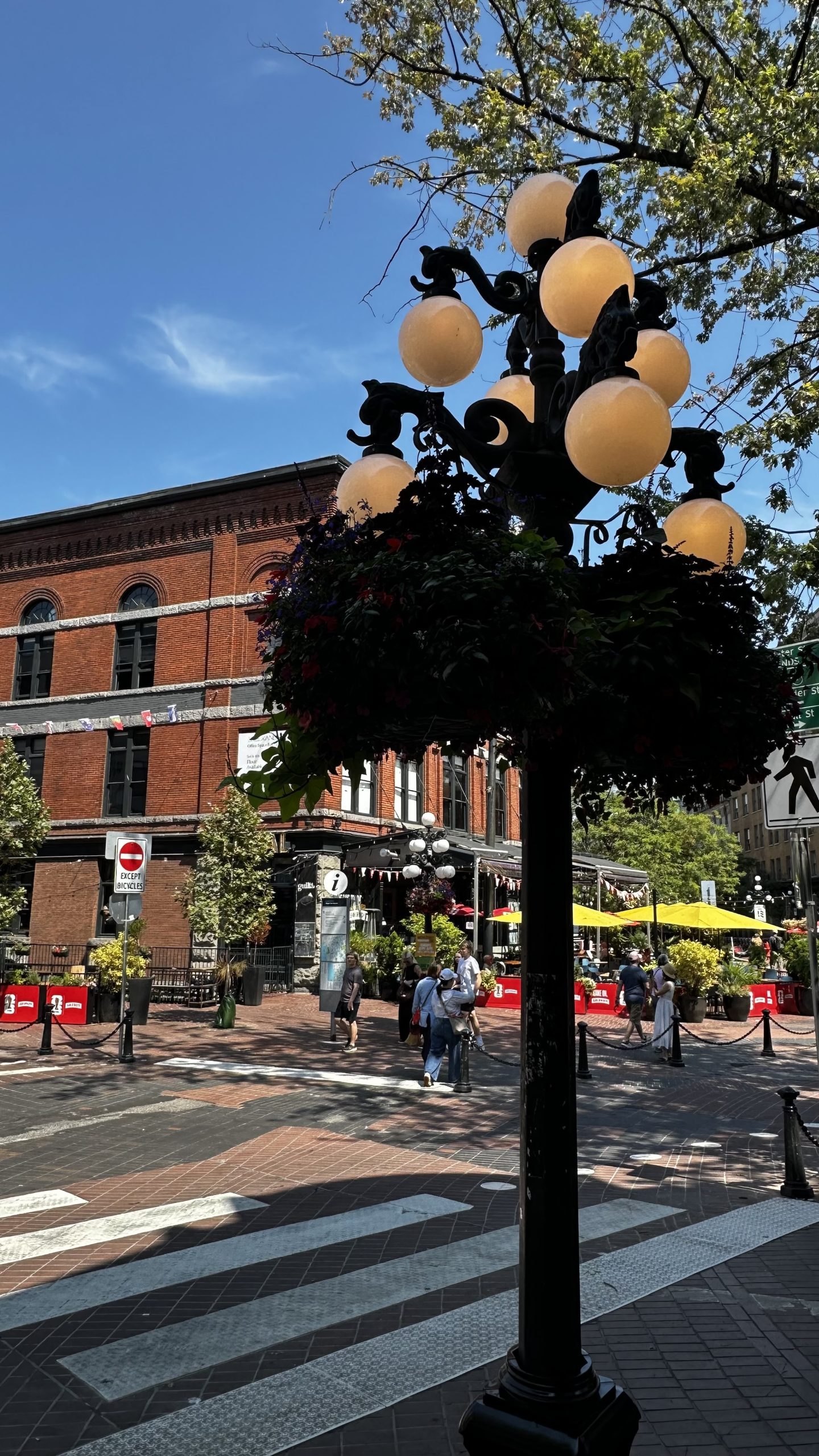
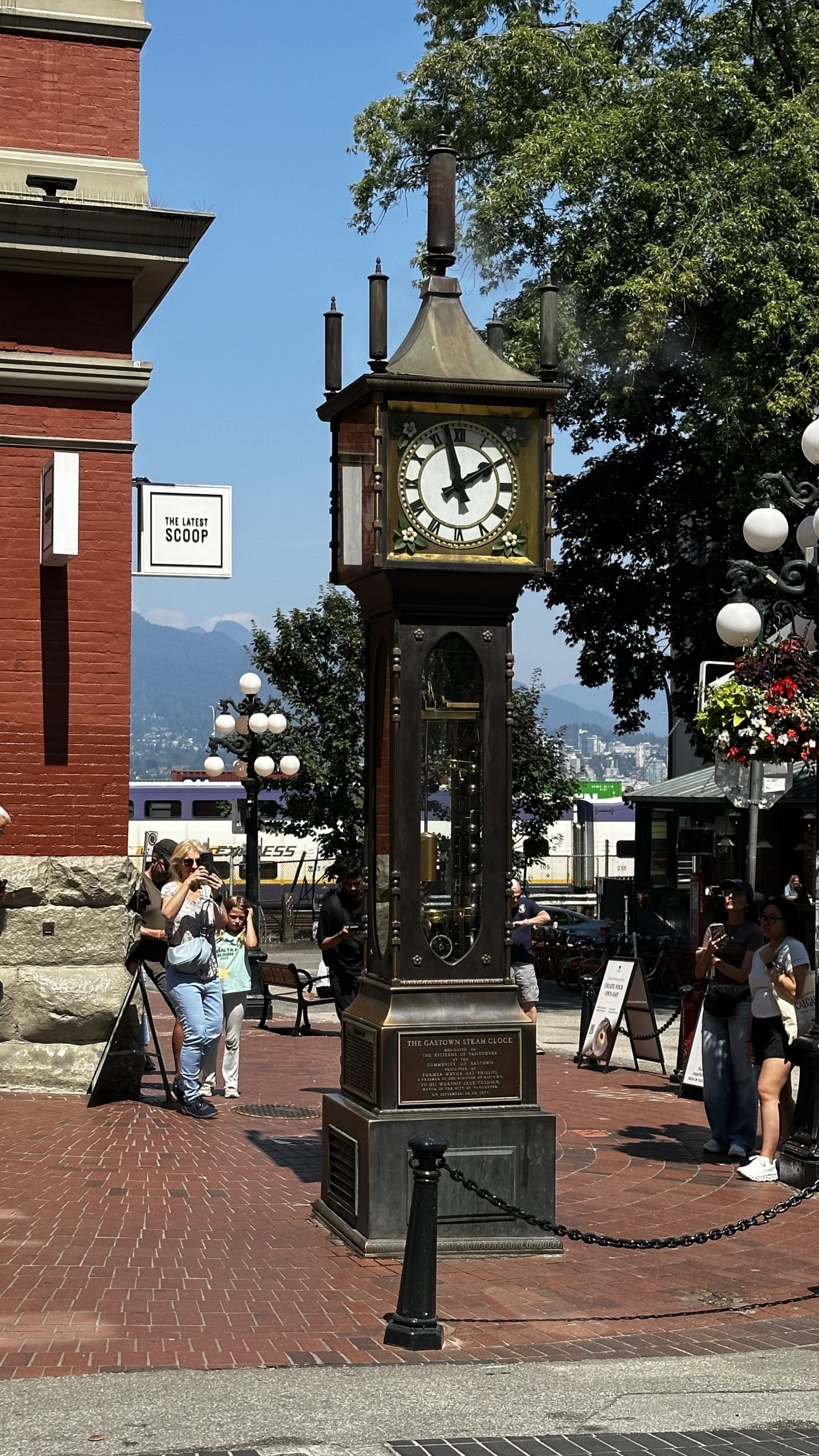
Another must is Gastown, Vancouver’s oldest neighborhood, with its historic brick buildings and famous Steam Clock. Yes, it is touristy – but watching the clock whistle and release clouds of steam is still one of those quintessential Vancouver moments.
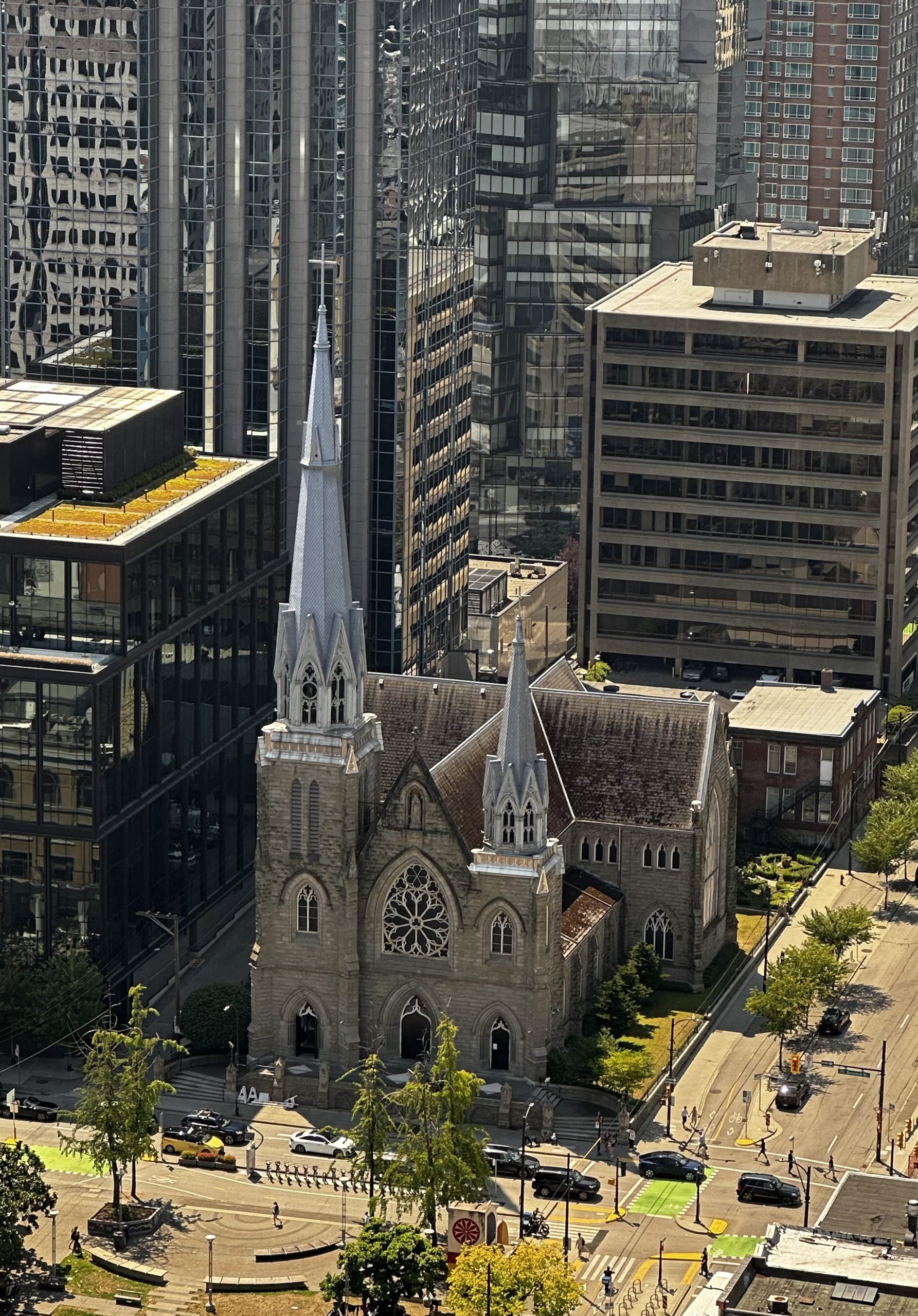
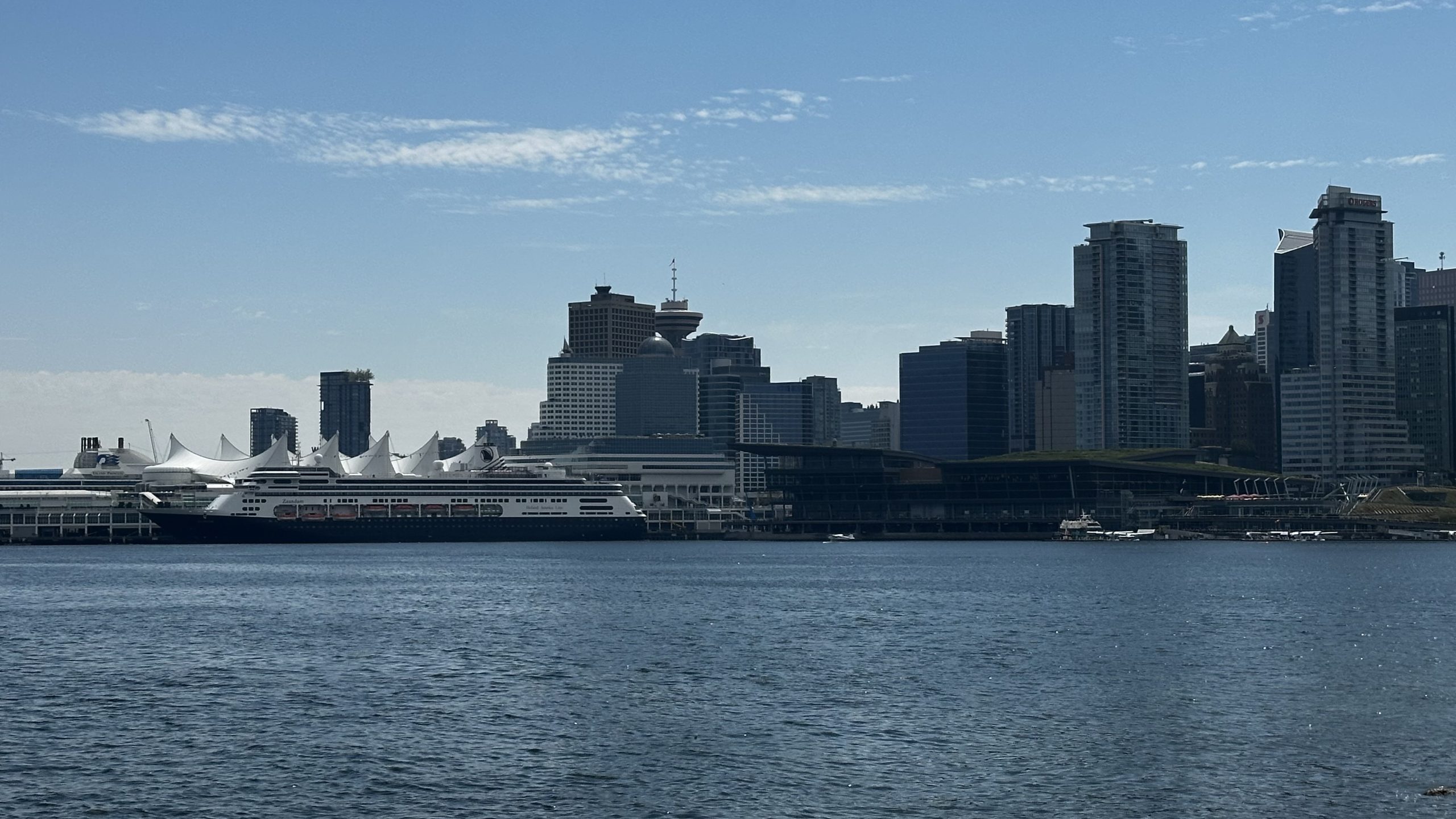
The waterfront around Canada Place is another enjoyable area for a walk, while those wanting a different perspective of the city can head up the Vancouver Lookout. It can’t quite compete with Toronto’s CN Tower for sheer height, but the panoramic views across downtown, the harbor and towards the mountains are nevertheless excellent.
One of my favorite moments, however, required no attraction at all.
Dinner at English Bay, watching the sun slowly disappear over the Pacific.
After 4.5 weeks of travelling from a tiny piece of France in the North Atlantic all the way to Canada’s Pacific coast and Alaska, it seemed like the perfect place to finish.

Recap – So, Was It Worth It?
Absolutely.
What surprised me most about this journey was not one individual destination but the extraordinary variety I experienced within just 4.5 weeks.
I started in tiny Saint Pierre & Miquelon, where life moves at its own wonderfully slow pace and France suddenly appears in the middle of the North Atlantic.
Then came the gentle landscapes and relaxed island life of Prince Edward Island, followed by the completely different energy of Toronto and the sheer power of Niagara Falls.
The Canadian Rockies raised the scenery to another level altogether. Banff and Jasper delivered turquoise lakes, waterfalls, mountains and wildlife on an almost ridiculous scale.
Vancouver Island then combined wilderness with some of the best whale watching I have ever experienced.
And just when I thought nature couldn’t become much more impressive, Alaska added glaciers, fjords, bald eagles, bears and yet more whales.
Finally, Vancouver provided the perfect soft landing: a cosmopolitan city where mountains, ocean and urban life somehow coexist almost effortlessly.
There were spectacular moments – flying over Niagara Falls, seeing Peyto Lake for the first time, watching bears alongside the road, orcas breach beside a zodiac, cruising towards Dawes Glacier and seeing a bald eagle catch a fish only meters away.
But there were quieter moments that I enjoyed just as much: empty beaches on Miquelon, fields of lupins on P.E.I., driving through the Rockies with no particular need to hurry, or simply watching the sun set over English Bay.
And perhaps that is my biggest takeaway from the trip.
Northern North America isn’t one destination. It is many completely different journeys rolled into one.
For anyone who loves nature, wildlife, spectacular landscapes and a mixture of adventure and relaxation, this part of the world has an enormous amount to offer.
Would I include it in a future GMW Signature Journey?
After travelling across six time zones, taking countless planes, ferries and boats, driving hundreds of kilometers, hiking through national parks, flying over waterfalls, chasing whales and occasionally being chased by mosquitoes…
I think the answer is a very definite yes.